


Marketing Org Chart Powerpoint Ppt Template Bundles





Try Before you Buy Download Free Sample Product
 Impress Your
 Audience
 100%
100% Editable
 Save Hours
 of Time


Our Marketing Org Chart Powerpoint Ppt Template Bundles are topically designed to provide an attractive backdrop to any subject. Use them to look like a presentation pro.
People who downloaded this PowerPoint presentation also viewed the following :
Marketing Org Chart Powerpoint Ppt Template Bundles with all 24 slides:
Use our Marketing Org Chart Powerpoint Ppt Template Bundles to effectively help you save your valuable time. They are readymade to fit into any presentation structure.
-

Marketing Org Chart
-
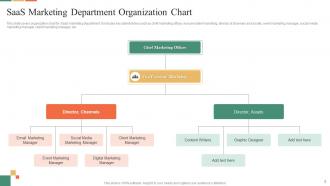
SaaS Marketing Department Organization Chart
-
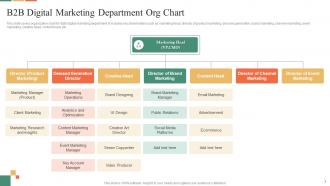
B2B Digital Marketing Department Org Chart
-
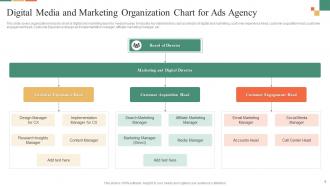
Digital Media and Marketing Organization Chart for Ads Agency
-
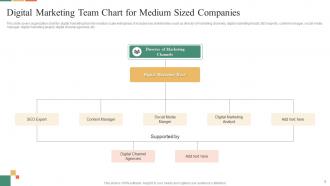
Digital Marketing Team Chart for Medium Sized Companies
-
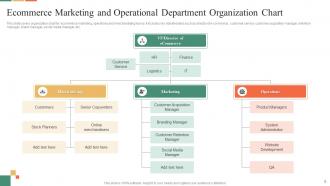
Ecommerce Marketing and Operational Department Organization Chart
-
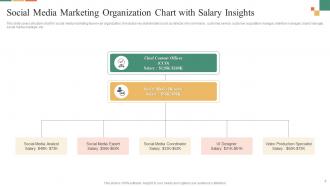
Social Media Marketing Organization Chart with Salary Insights
-
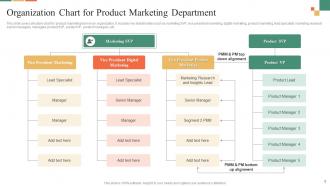
Organization Chart for Product Marketing Department
-
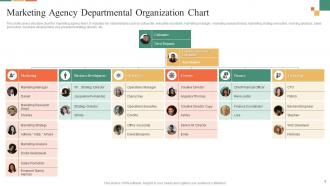
Marketing Agency Departmental Organization Chart
-
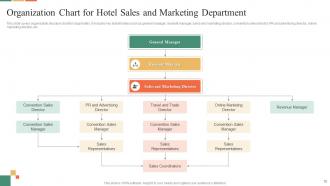
Organization Chart for Hotel Sales and Marketing Department
-
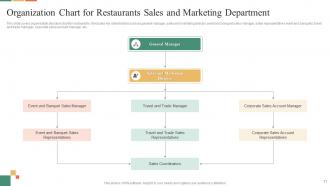
Organization Chart for Restaurants Sales and Marketing Department
-
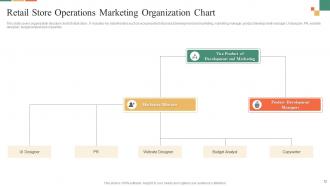
Retail Store Operations Marketing Organization Chart
-
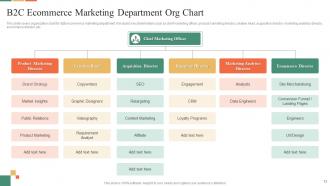
B2C Ecommerce Marketing Department Org Chart
-
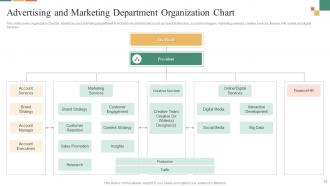
Advertising and Marketing Department Organization Chart
-
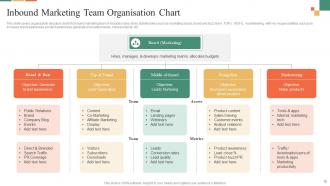
Inbound Marketing Team Organisation Chart
-
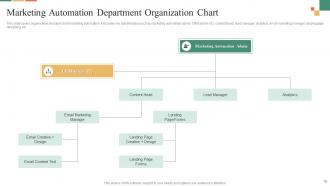
Marketing Automation Department Organization Chart
-
Content Marketing Team Organisation Chart Icon
-
Product Marketing Team Organization Chart Icon
-

Thanks for Watching
-

-

-

-

-

FAQs for Marketing Org Chart Powerpoint
Okay so first thing - get a solid leader in place, like a CMO or VP Marketing. Then split into teams: demand gen, product marketing, content/brand, and marketing ops. Customer marketing too if you're B2B. Map out your actual marketing needs first instead of just copying other companies (seriously, this saves so much headache). Each team needs clear ownership because nothing's worse than three people thinking they're running the same campaign. Oh and definitely get someone on data/analytics - measuring ROI isn't optional anymore. Structure should follow your functions, not the other way around.
Honestly, it's a game changer for avoiding that "who's supposed to handle this?" chaos. Your team can actually find the right person instead of sending random Slack messages to everyone (been there, done that). Plus it shows how different teams should work together - like content with demand gen, or product marketing with sales enablement. The trick is keeping it fresh and making sure people can actually find it. Not gonna lie, half the companies I know have these buried somewhere nobody looks. But when done right? Saves so much time and headache.
So basically you want a CMO running the show, then VPs handling digital, brand/creative, product marketing, and marketing ops. Below them you'll need directors for demand gen, content, social media, PR, and analytics. Marketing coordinators and specialists fill out each team. Oh, and don't sleep on field marketing if you do events - I've seen companies scramble when trade show season hits and nobody owns that budget. The structure really depends if you're B2B or B2C though. Start with these core functions and tweak based on what your company actually needs.
So B2B teams are way more sales-focused - they're always working with SDRs, doing account-based stuff, field marketing. Makes sense since those buying cycles drag on forever. You'll see roles like SDR managers and customer success marketers. B2C is totally different though. They're all about brand marketing, social media specialists, lifecycle marketing - basically driving conversions at scale without babysitting sales reps. Honestly, B2B marketing feels more like sales support half the time. B2C can actually run their own show since they're hitting consumers directly. Just structure it around however your customers actually buy stuff.
Track your performance stuff first - lead quality, conversions, revenue by team. That's what really matters. But don't ignore the behind-the-scenes metrics either. How long do projects take between teams? Campaign launch times? Employee satisfaction scores are huge too because miserable people create mediocre work, honestly. Role clarity is another big one - people either overlap too much or miss things entirely. Monthly dashboard reviews with team leads work well for catching problems early. Oh, and make sure the data's actually actionable, not just pretty charts that sit there.
Honestly, just focus on the big three functions first - demand gen, content, and product marketing. Same person can wear all those hats initially, no big deal. Here's what I'd do: build around what you actually need to accomplish, not some fancy org chart you saw on LinkedIn. Your content person? They're probably gonna end up running social too. Demand gen lead might own events as well. That's totally fine! Just document who's doing what so things don't get messy later. Plan to shuffle things around every 6 months or so as you grow. Oh, and your first hire should definitely be a Swiss Army knife type who can eventually manage other people.
Oh man, biggest mistake? Too many layers. You'll get stuck in endless approval chains and nobody knows who's actually responsible for what. Don't wall off your teams either - demand gen, content, and product marketing should basically be joined at the hip. I've watched companies where these groups never talked and it was a total shitshow. Reporting lines get messy too, especially around shared stuff like design. And here's the thing - don't just copy what Salesforce or whoever is doing because it looks slick. Build around your actual customer journey first, then worry about the org chart.
Honestly, ditch PowerPoint for this stuff - you'll thank me later. Tools like Lucidchart or Miro are game changers for org charts. They're interactive, so when Sarah moves from marketing to sales (again), you just drag and drop instead of rebuilding everything. You can add photos, link to job descriptions, even use different line styles for reporting structures. The fancy ones connect to HR systems and update automatically when people leave. Though I'd probably start simple first - maybe just try Miro's free version before going all out with integrations and bells and whistles.
Yeah, so marketing teams are getting way flatter now. Companies are ditching those crazy hierarchical setups for these cross-functional pods that can actually move fast when campaigns bomb or some random new platform launches. Data people are everywhere now too - marketing ops, growth analysts, customer success folks. They're not optional anymore. Oh, and your marketing team? They'll probably spend more time with product and engineering than they used to. Honestly makes sense since everything's so integrated now. I'd start by figuring out where your teams actually need to collaborate in your current setup.
Dotted lines are your best friend here - connect people to their main boss with solid lines, then use dotted ones for project leads they work with regularly. Some companies do these "team pod" sections next to the regular hierarchy, which honestly works better than you'd think. Color coding is another route - just mark who's involved in cross-functional stuff like product launches. I've seen charts that look like total chaos though, so whatever you pick, stick with it. Matrix structures can get messy fast if you're not careful about keeping it clean.
Your CEO's biggest headaches usually drive the whole structure, tbh. If they're obsessing over product launches, you'll be organized around products. Worried about channels? That's your focus. Leadership controls the budget, so they decide how many people you get and where to put them. They also set priorities that determine if you need specialists or generalists - though honestly, most places end up with some weird hybrid anyway. Don't assume your org chart is permanent though. Gaps happen all the time, and if you spot something that's not working, definitely bring it up.
Dude, you absolutely need a marketing org chart for new hires. Seriously cuts down on all that awkward wandering around asking "wait, who handles campaign approvals again?" New people can see the whole chain of command instantly instead of playing guessing games for weeks. Plus they'll actually understand how teams work together and where they fit in. Make it visual with names, roles, maybe throw in Slack handles too - honestly, anything that helps them start connecting with people faster. Way better than watching them look lost in meetings because they don't know who Sarah from "brand" actually is.
Honestly, I'd update it quarterly or whenever someone's role changes - whatever happens first. I used to think org charts were pointless busywork, but they're actually super helpful for figuring out who does what across teams. Just set a calendar reminder and make someone own it (marketing ops usually works). Don't just track names and titles either - include what people actually do and who they report to. Stick it somewhere everyone can see it, like a shared drive. The trick is treating it like it's alive, not some document you create once and abandon in a folder somewhere.
Honestly, just use Google Sheets or something like Lucidchart that everyone can edit live. Static PDFs are the worst - nobody ever updates them. Your chart should show more than just who reports to who though. Cross-functional teams and project relationships matter way more for actual work. Set up monthly check-ins to keep things current, and throw in contact info plus time zones (learned that one the hard way). Oh, and make it your go-to when new people join or you're planning projects. Trust me, it'll save so much headache later when people actually know who does what.
Yeah, company size totally drives how complex your marketing structure gets. Small teams? One person's doing social, content, events - basically everything. But once you hit that awkward middle stage (which honestly sucks), you're constantly deciding when to break up those generalist roles into specialist ones. Bigger companies end up with dedicated teams everywhere, clear hierarchies, regional splits - the whole nine yards. My advice? Look at where you're drowning right now. Those bottlenecks are screaming for more structure, so start there instead of trying to reorganize everything at once.
-
I was really impressed with the presentation I created with their templates. I’ll be using their services moving forward.
-
Illustrative design with editable content. Exceptional value for money. Highly pleased with the product.