


Media Relations Plan Powerpoint Ppt Template Bundles





Try Before you Buy Download Free Sample Product
 Impress Your
 Audience
 100%
100% Editable
 Save Hours
 of Time


Our Media Relations Plan Powerpoint Ppt Template Bundles are topically designed to provide an attractive backdrop to any subject. Use them to look like a presentation pro.
People who downloaded this PowerPoint presentation also viewed the following :
Media Relations Plan Powerpoint Ppt Template Bundles with all 22 slides:
Use our Media Relations Plan Powerpoint Ppt Template Bundles to effectively help you save your valuable time. They are readymade to fit into any presentation structure.








FAQs for Media Relations Plan Powerpoint
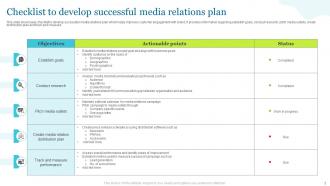
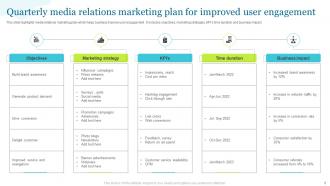
An effective media relations plan includes clear messaging frameworks, targeted media lists, strategic content calendars, crisis communication protocols, and performance measurement systems. These components work together by establishing consistent brand narratives, building journalist relationships, and delivering timely newsworthy content, with many organizations finding that structured media strategies significantly enhance visibility and credibility.
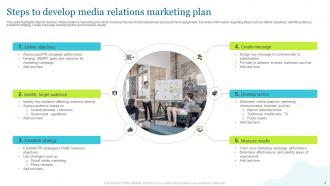
Identifying and segmenting target media audiences involves analyzing journalist beats, publication readership demographics, geographic coverage areas, content formats, and editorial calendars. Through media monitoring tools and database research, organizations can categorize outlets by industry focus, audience size, and influence level, while building relationships with reporters covering relevant sectors, ultimately delivering more targeted pitches and stronger media coverage.
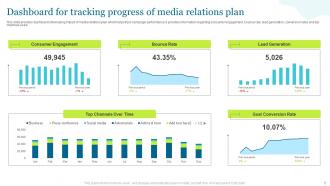
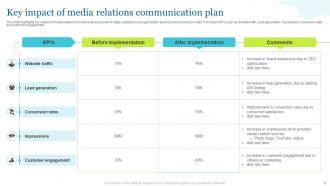
Media relations success metrics include media mentions, share of voice, message pull-through, audience reach, sentiment analysis, and website traffic from media coverage. These measurements enable organizations to assess brand visibility, competitive positioning, and audience engagement across traditional and digital platforms, while tracking conversion rates from media exposure ultimately delivers quantifiable ROI and strategic communication insights.
A media relations plan supports overall communication strategy by ensuring consistent messaging across channels, building credible third-party endorsements, and amplifying key organizational narratives to targeted audiences. Through strategic media partnerships, organizations enhance brand visibility, manage reputation proactively, and leverage earned media coverage to reinforce internal communications, ultimately delivering greater message reach and stakeholder trust.
Press releases serve as foundational communication tools in media relations plans, delivering newsworthy announcements, building brand credibility, and establishing consistent messaging across multiple channels. They should be crafted with compelling headlines, clear value propositions, and strategic timing, while incorporating multimedia elements and targeted distribution, ultimately enhancing media coverage and strengthening stakeholder relationships.
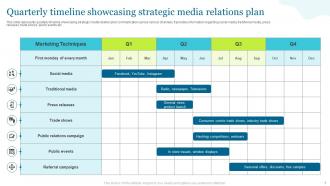
Social media integration enhances traditional media relations through real-time engagement, amplified story distribution, and direct stakeholder communication channels. By combining press releases with targeted social campaigns, monitoring media mentions across platforms, and enabling journalists to access multimedia content instantly, organizations streamline their outreach while building stronger relationships, ultimately delivering broader reach and faster response capabilities.
Building journalist relationships requires consistent value delivery through timely story pitches, exclusive access to executives, relevant data insights, and responsive communication that respects deadlines. Media professionals increasingly favor sources who understand their beat coverage, provide background context without expecting immediate coverage, and maintain regular touchpoints through industry events, with many finding that authentic relationship-building ultimately delivers stronger coverage and strategic messaging opportunities.
Organizations should handle crisis media inquiries through designated spokesperson protocols, rapid response systems, transparent communication strategies, consistent messaging frameworks, and proactive stakeholder engagement. These approaches streamline crisis management by maintaining credibility, controlling narrative flow, and minimizing reputational damage, with many companies finding that swift, honest communication ultimately delivers stronger stakeholder trust and competitive resilience.
Ethical media relations requires transparency, accuracy, truthfulness in all communications, respect for journalists' time, and avoiding manipulation or misleading information. These principles help organizations build sustainable relationships with media professionals while maintaining credibility, especially in sectors like healthcare, finance, and public services, with many companies finding that ethical approaches ultimately deliver stronger brand reputation and long-term trust.
Media coverage impact is measured through reach metrics, sentiment analysis, share of voice, message penetration, and brand mention quality across traditional and digital platforms. These analytics enable organizations to track coverage volume, audience engagement, competitive positioning, and perception shifts, with many companies finding that consistent monitoring delivers actionable insights for strategic communications refinement.
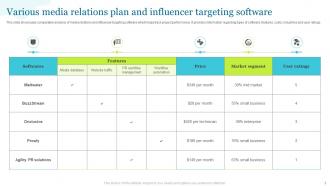
**INPUT**: What tools and resources can assist in monitoring media mentions and sentiment? **OUTPUT**: Media monitoring tools include Google Alerts, Mention, Brandwatch, Hootsuite Insights, and Sprout Social, which track brand mentions across news outlets, social platforms, and online publications. These platforms streamline reputation management by providing real-time alerts, sentiment analysis, and comprehensive reporting, enabling organizations to respond quickly to coverage while measuring campaign effectiveness and competitive positioning. [Word count: 55]
Companies can effectively pitch story ideas by researching reporters' beats and recent coverage, crafting personalized subject lines, and leading with newsworthy angles that align with current trends or industry developments. Successful pitches include relevant data, exclusive insights, or timely connections to breaking news, with many media relations professionals finding that concise, relationship-focused approaches deliver higher response rates and stronger journalist partnerships.
Common pitfalls include lack of media research, generic pitches, poor timing, inconsistent messaging, and inadequate follow-up strategies. These mistakes can be avoided by developing targeted outreach approaches, crafting personalized story angles, and maintaining consistent communication schedules, with many organizations finding that strategic media relationship building ultimately delivers stronger brand visibility and enhanced stakeholder trust.
Media relations strategies adapt by understanding each sector's unique regulatory environment, stakeholder concerns, target publications, and communication preferences. Financial services emphasize compliance and data security in trade publications, while healthcare focuses on patient outcomes in medical journals, and technology companies leverage social media and industry blogs, with many organizations finding that sector-specific messaging and media channels deliver significantly higher engagement rates.
Effective tactics include securing speaking opportunities at industry conferences, developing strategic partnerships with key journalists, creating compelling data-driven research reports, participating in expert panels and podcasts, and leveraging social media amplification. These approaches enhance credibility by positioning leaders as authoritative voices, building sustained media relationships, and delivering valuable insights that resonate with target audiences, ultimately strengthening brand recognition and competitive positioning.
-
The pricing page of this website is very sorted. I felt no pain while buying the PPTs.
-
Helpful product design for delivering presentation.