

Milestones Roadmap Strategic Planning Framework Business Direction Achieving Goals Preparation





Try Before you Buy Download Free Sample Product
 Impress Your
 Audience
 100%
100% Editable
 Save Hours
 of Time


Our Milestones Roadmap Strategic Planning Framework Business Direction Achieving Goals Preparation are topically designed to provide an attractive backdrop to any subject. Use them to look like a presentation pro.
People who downloaded this PowerPoint presentation also viewed the following :
Milestones Roadmap Strategic Planning Framework Business Direction Achieving Goals Preparation with all 10 slides:
Use our Milestones Roadmap Strategic Planning Framework Business Direction Achieving Goals Preparation to effectively help you save your valuable time. They are readymade to fit into any presentation structure.
-

Milestones Roadmap
-
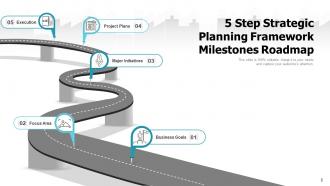
5 Step Strategic Planning Framework Milestones Roadmap
-
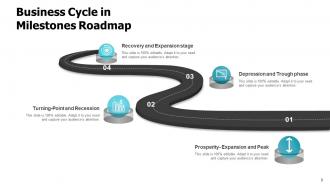
Business Cycle in Milestones Roadmap
-
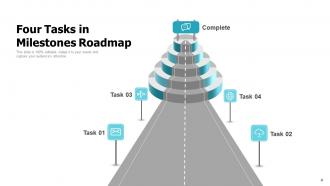
Four Tasks in Milestones Roadmap
-
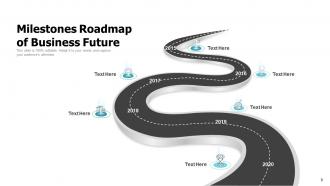
Milestones Roadmap of Business Future
-

Milestones Roadmap of Going Upwards Direction
-
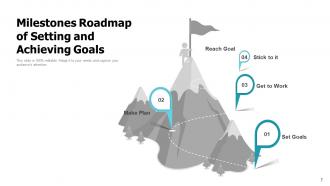
Milestones Roadmap of Setting and Achieving Goals
-
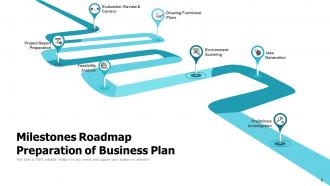
Milestones Roadmap Preparation of Business Plan
-
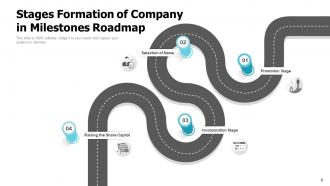
Stages Formation of Company in Milestones Roadmap
-

Thank You
FAQs for Milestones Roadmap Strategic Planning Framework Business Direction
Start with environmental scanning - basically figuring out where you stand and what's happening in your market. Then work on vision/mission stuff and set goals you can actually measure. Strategy comes next, followed by implementation planning with real deadlines and ownership (this part's honestly where most people mess up). Regular reviews are huge - can't tell you how many brilliant plans I've seen just sitting there collecting dust. Get stakeholders involved early and keep them engaged, not just at the kickoff meeting. Budget allocation is critical too because strategies without money behind them are pretty much just dreams. Oh, and make sure your leadership team's on the same page before you start the actual planning sessions.
Break your big goals into bite-sized pieces your team can actually tackle each quarter. I usually go strategic goal → annual milestone → quarterly target → monthly tasks. Honestly, the hardest part is making sure everyone sees how their daily stuff connects to the big picture - otherwise it's just busywork hell. Set up something simple to track how everything rolls up together. Don't overthink it though. Review quarterly because things change constantly and you'll need to pivot. The whole system falls apart if you can't adapt when reality hits.
Start with Porter's Five Forces - it's solid for mapping competitive pressure. Then dig into direct competitor analysis, comparing strengths and market positioning. SWOT works well too. Honestly? Some of my best intel comes from just creeping on their websites and social feeds. You'd be shocked what companies accidentally reveal! Perceptual mapping helps you see how customers actually view you vs them. Industry reports are worth it if you've got budget. Don't try doing everything though. Pick 2-3 methods that fit your timeline and execute them properly.
Don't wait until you've got everything figured out to bring people in - that's where most strategies die. Map out who actually matters first: your team, customers, partners, maybe even community folks if it's big enough. Honestly, I've watched so many leaders think they can just drop a finished plan and expect buy-in. Terrible idea. Run some workshops, send surveys, grab coffee with key people. Whatever feels right for your situation. The trick isn't just listening though - you've gotta show them how their thoughts actually changed things. People need to feel like they helped build it, not just received it.
Honestly, data analytics is like having a reality check for your business hunches. Sometimes it confirms you're right, other times it completely calls you out - which is actually awesome. You'll catch trends early and figure out what's really moving the needle for your company. Real customer behavior beats guessing every time. Plus you can spot risks or opportunities that would totally fly under the radar otherwise. Just make sure you're tracking metrics that actually matter to your goals. There's nothing worse than drowning in useless data when you need real answers.
Do a SWOT analysis right at the beginning of your planning process - it's honestly a game changer for getting clarity. Run it during your situational analysis, before you dive into setting goals or making any major moves. The whole point is getting that snapshot of your internal stuff (strengths and weaknesses) plus what's going on around you (opportunities and threats). I know it sounds super basic, but it really does help clear up your thinking. Then use what you find to shape your strategic objectives - like playing to your strengths when opportunities pop up, or fixing weak spots that could bite you later. Fresh SWOT every planning cycle.
Honestly, you've gotta bake flexibility right into your planning process. I do scenario mapping now - like 2-3 different futures with backup plans for each. Game changer. Also switched to quarterly reviews instead of that annual planning BS because things move way too fast now. COVID taught me that lesson the expensive way! Always keep some budget untouched for when you need to pivot quickly. Oh, and figure out which metrics actually move the needle versus the ones that just look pretty in presentations. Create some kind of fast decision-making system too - you don't want to be stuck waiting for approvals when everything's on fire.
Look, most companies do their big strategic planning review once a year, but that's honestly not enough anymore. Quarterly check-ins are where it's at - you can catch problems before they snowball. The annual thing is still important for major changes and deep dives, but those smaller quarterly reviews? Game changer. You'll spot market shifts way faster and make tweaks without doing a complete overhaul. Oh, and actually put these on the calendar now or they'll never happen - learned that one the hard way!
Ugh, the worst thing is when planning turns into this never-ending brainstorm session that goes nowhere. Or you make everything so set in stone that when stuff inevitably changes, you're screwed. Here's what actually works: Keep your planning short – like maybe quarterly instead of annual. Get input from people who actually do the day-to-day work because they'll tell you where things really break down. Leadership sitting in a conference room guessing? Recipe for disaster. Pick 3-5 things max to focus on. I learned this the hard way – trying to fix everything at once just means nothing gets done. Quick reality check: look at your last plan and see what you actually finished.
Pick KPIs that actually connect to what you're trying to achieve - revenue growth, customer satisfaction, employee turnover, whatever makes sense for your situation. Don't just pick vanity metrics that look good on paper. Here's the key part: review them quarterly, not once a year when everything's already gone sideways. I've watched so many good strategies tank because people waited too long to check their numbers. Set up a basic dashboard your team can look at regularly. That way you'll catch problems early and can tweak your approach without scrapping the whole plan.
Don't just do one big company meeting and call it done - that's how plans die. Get your leadership team briefed first so they can actually answer questions when people corner them later. Then break it down: department meetings, team huddles, written summaries, whatever works. Honestly, the biggest mistake I see is when companies explain the strategy but never connect it to what Sarah in accounting is supposed to do differently on Tuesday. People need to see how their actual job changes. Keep repeating the message and make it specific to each team's world. That's really what makes the difference between plans that stick and ones that just become forgotten PowerPoints.
Your team's cultural values totally dictate how strategic planning goes down. Consensus-heavy cultures? You'll be stuck in alignment meetings forever (been there). Hierarchical places do top-down planning, while collaborative ones get everyone's input. Here's the thing though - don't fight your culture with some cookie-cutter framework. Figure out what your org actually values first. Then build your planning process around that reality. I've seen too many companies try to force frameworks that clash with how they actually operate. Match your strategy to your culture, not the other way around.
Dude, you absolutely need to nail down your vision and mission first - they're like your compass for everything else. I've watched companies completely spin their wheels for months because teams were pulling in totally different directions. Nobody knew what they were actually trying to achieve! Your mission is basically why you exist, and vision is where you want to end up long-term. Honestly, it sounds boring but it's not. Start there before diving into any other planning stuff. Everything else flows way better once you've got that foundation solid.
Honestly, tech has completely changed the game for strategic planning. Instead of going with your gut (which was honestly pretty scary), you get real-time data and can actually see what customers are doing. Makes pivoting way faster when you spot trends early. The cool part? It opens up revenue streams you probably never thought of before. Like, whole new business models become possible. Just make sure your plans stay flexible because tech moves ridiculously fast. I'd start by figuring out which digital tools could give you better insight into your market - that's where the magic happens.
Honestly, the impact vs. effort matrix is probably your best bet - just plot stuff based on value versus how much of a pain it'll be to pull off. Super visual which I love. Weighted scoring is another route where you give points for things like strategic fit and ROI. MoSCoW method works too (must have, should have, etc.) but feels more basic to me. Really depends on how your team thinks through decisions. Oh, and whatever you pick, just stick with it - consistency matters way more than finding the "perfect" framework.
-
Innovative and Colorful designs.
-
Unique research projects to present in meeting.
-
Editable templates with innovative design and color combination.