

Musca Domestica Understanding The Common Housefly Ppt Presentation ST AI





Try Before you Buy Download Free Sample Product
 Impress Your
Audience
 100%
Editable
 Save Hours
of Time


Explore the fascinating world of Musca domestica with our comprehensive PowerPoint presentation. This deck delves into the biology, behavior, and ecological impact of the common housefly. Perfect for educational settings, it combines engaging visuals and informative content to enhance your understanding of this ubiquitous insect.
People who downloaded this PowerPoint presentation also viewed the following :
Musca Domestica Understanding The Common Housefly Ppt Presentation ST AI with all 36 slides:
Use our Musca Domestica Understanding The Common Housefly Ppt Presentation ST AI to effectively help you save your valuable time. They are readymade to fit into any presentation structure.



























FAQs for Musca Domestica Understanding The Common Housefly Ppt
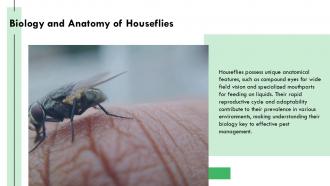
Look for four dark stripes running down their back - that's the easiest way to ID them. House flies are medium-sized, maybe 6-7mm, with big reddish eyes and those weird spongy mouth things (they can't actually bite you). Other flies have stripes sometimes but not that specific four-stripe pattern. Honestly, just focus on the back stripes first. Way easier than trying to examine their wing patterns with a magnifying glass like some kind of bug detective. They're pretty distinctive once you know what you're looking for.
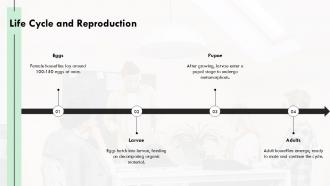
Dude, these things are insane - they go from egg to adult in like a week when it's warm out. That's why summer infestations get so crazy. Each female dumps 500+ eggs, and since generations overlap, the math gets ridiculous fast. Heat speeds everything up too, which honestly explains why my neighbor's place was swarming in July. The quick cycles mean they can develop resistance pretty fast. You gotta hit multiple stages at once - just killing adults won't cut it because there's always more larvae and pupae ready to emerge.
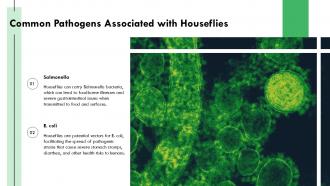
Ugh, flies are honestly disgusting when you think about it. They land on garbage and literal poop, picking up all kinds of nasty stuff on their legs and mouths - bacteria, viruses, you name it. Then they fly straight to your food and spread it around. The worst part? They actually vomit and poop while they're eating. So gross. This is how people get sick from Salmonella, E. coli, and other food poisoning bugs. That's why restaurants are so crazy about keeping flies away from food prep areas - it's not just annoying, it'll actually make customers sick.
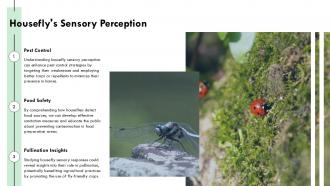
Honestly, once you understand how flies think, it's way easier to get rid of them. They love hanging around garbage and anything rotting - that's where you want your traps. Time matters too since they're most active when it's warm out. I'd check where you've got traps now because placement is everything. Flies follow their nose and eyes, so baited traps work better when you put them in the right spots. Work with their habits instead of fighting them. Oh, and don't bother with traps during cooler parts of the day - they're basically just sitting around then.
Sticky traps are your best bet - put them near garbage, food areas, and doorways. Yellow or UV light ones work great since flies love those colors. Visual counting is such a pain and not very accurate anyway. For bigger spaces, space out multiple traps every 50-100 meters or so. Check them weekly and jot down what you catch, where, plus weather notes. I'd start by doing a quick survey to find your worst spots first. Then you can focus your energy there instead of randomly placing traps everywhere.
Oh man, flies are so gross but yeah - it's all about heat and moisture. They go crazy when it's like 77-86°F with really humid air (70-80% humidity). Eggs hatch super fast then, sometimes in just half a day! Cold weather basically stops them dead, and if it gets too hot the baby larvae just die. Low humidity under 50% dries out their eggs before they can even develop. That's why summer storms make everything worse - perfect breeding weather. I'd definitely focus any bug control stuff during those muggy spells when they're reproducing like crazy.
Ugh, flies are such a nightmare for farms. They spread diseases like crazy between your livestock and contaminate feed everywhere. Your animals get stressed trying to eat and graze with flies swarming their faces all day - honestly I'd be cranky too! Less eating means worse milk production and feed conversion. The annoying part? Your own manure piles become fly breeding factories. One fly turns into thousands real quick. Start with better manure management - seriously, that's your best bet for getting them under control before they take over completely.
Oh man, house flies are way more strategic than you'd think! City flies basically camp out near dumpsters and food courts - anywhere there's constant trash and people dropping food. They breed like crazy because it stays warmer and there's always something to eat. Rural flies are totally different though - they spread out more around farms, barns, and compost heaps. Those populations actually go up and down with the seasons unlike their city cousins. Super annoying but honestly kind of fascinating how they adapt. Whatever pest control you're planning, just know urban vs rural flies need completely different approaches.
Ugh, flies are the worst - they'll literally eat anything organic they can find. Overripe fruit, spilled soda, that gross stuff stuck in your drain. Pet food's like a magnet for them too. I swear they can smell garbage from miles away. They're also obsessed with anything sweet or fermenting, so don't leave food scraps lying around. Clean your counters regularly and keep everything in sealed containers. Take out trash before it gets nasty. Sounds obvious but it actually works - cut off their food source and they'll buzz off somewhere else.
Dude, trap choice makes a huge difference - like 3-5x better catch rates if you do it right. Protein baits (rotting meat, fish) absolutely destroy sugar ones for house flies. Cone traps with liquid bait work way better than those flat sticky ones, though honestly anything beats a crappy setup. Dark colors attract them more than bright stuff, but the smell is what really matters. UV traps are decent indoors but kinda suck outside. My neighbor swears by rotating trap locations weekly - sounds annoying but it works. Best strategy is mixing different trap types with fresh protein bait where you see the most activity.
So there's been tons of research on house fly genetics - mainly using mitochondrial DNA and whole genome sequencing. Researchers tracked how these flies basically followed humans around the globe, which is honestly pretty fascinating when you think about it. They've found distinct genetic lineages on different continents and traced multiple colonization events. The genomics work shows how quickly they adapted to new climates and developed pesticide resistance. There were also population bottlenecks during their spread. I'd check out the whole genome studies from 2014-2020 if you want the full picture - that's where the really comprehensive stuff is.
Dude, flies are basically just following the food trail you're accidentally leaving them. Uncovered trash? Perfect. Food spills you forgot about? Even better. They're obsessed with anything rotting or wet - honestly, they're pretty gross when you think about it. I've watched places go from totally fine to absolutely swarming in like two weeks just from getting sloppy with cleanup. Take your garbage out regularly, wipe down surfaces, and don't let water sit around anywhere. It's way easier than dealing with a full-blown fly invasion later.
House flies are basically the first responders to decomposing bodies - they show up within hours, sometimes minutes. Their life cycles are super predictable based on temperature, so you can work backwards to figure out time of death. They're everywhere, which honestly makes them way more reliable than rarer species. Different flies arrive in waves at crime scenes, but house flies are almost always in that first group. Once you identify what developmental stage they're in, you've got solid timeline data. It's pretty wild how consistent they are.
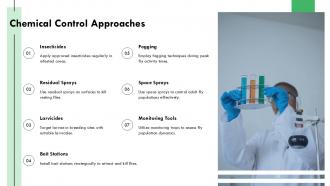
Honestly, you're gonna want to hit this from multiple angles instead of just grabbing the bug spray. Clean up first - flies are basically just looking for gross stuff to breed in, so trash out frequently and wipe up spills. Standing water's a big one too. Screens and those air curtain things work surprisingly well if you've got the budget. Then throw some baits or traps in your worst spots. I'd save the chemical sprays for when nothing else is cutting it - they're kind of overkill most of the time. Oh, and actually pay attention to where you're seeing them so you can tweak your game plan.
Ugh, flies are such a nightmare for livestock operations. They stress out the animals so bad that feed conversion drops, and milk production can tank by 10-20% in really bad infestations. Plus they spread nasty stuff like mastitis and pinkeye - hello expensive vet bills. You'll end up spending way more on labor too since someone's gotta deal with all the control measures. My neighbor learned this the hard way last summer. The costs just pile up from every direction. Get ahead of it with integrated pest management early in the season though. Way cheaper than scrambling to fix a mess later.
-
A beautiful, professional design paired with high-quality images and content that is sure to impress. It is a must-use PPT template in my opinion.
-
Their designing team is so expert in making tailored templates. They craft the exact thing I have in my mind…..really happy.