

A Guide To Hotel Housekeeping Training Ppt




Try Before you Buy Download Free Sample Product
 Impress Your
 Audience
 100%
100% Editable
 Save Hours
 of Time


This PowerPoint Training Module on A Guide to Hotel Housekeeping details the hotel housekeeping departments multifaceted functions and underscores the pivotal role of the housekeeping department in ensuring guest comfort, upholding property cleanliness and hygiene, enhancing workplace safety, and contributing to the overall aesthetic and stimulating decor of the hotel. It further delves into housekeeping cleaning procedures, comparing manual and mechanized methods, and offers tailored recommendations for the effective housekeeping of hotel rooms. The PPT Deck also includes a thorough housekeeping department Checklist, Key Takeaways, and Discussion Questions to achieve excellence in housekeeping services, ultimately enhancing guest satisfaction and operational efficiency.
People who downloaded this PowerPoint presentation also viewed the following :
Content of this Powerpoint Presentation
Slide 3
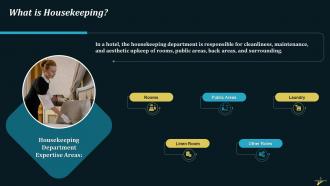
This slide contains information about the definition and functions of the housekeeping department. It also explains areas of expertise of the department such as rooms, public areas, laundry, linen room, and other roles.
Instructor’s Notes:
Multiple expertise areas of housekeeping department are as follows:
Rooms:
- Hotels have room attendants that are responsible for cleaning rooms during guests stay and after guests checkout
- In big hotels, there are floor supervisors who look over the room attendants and perform quality control checks
Public Areas:
- The hotel's public areas, like the lobby, meeting spaces, restaurants, bars, and offices, should be kept clean to make positive impression on guests
Laundry:
- The housekeeping staff should over look cleaning of soiled bed sheets and towels by sending them to the laundry department
- The laundry staff is responsible for cleaning, drying, and pressing all the hotel linens and towels
Linen Room:
- The linen staff collects all the washed sheets and towels and collects them in the linen room and further distributes them to the various departments in the hotels
Other Roles:
- In hotels, there are separate phone operators for the housekeeping department, and they answer calls from guests and other hotel departments
- After receiving the call from the guests, the housekeeping staff forwards the call to the appropriate housekeeping team member
Slide 4
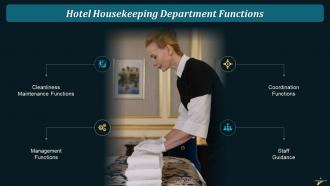
This slide provides information on functions of the housekeeping department such as cleanliness maintenance functions, coordination functions, management functions, and staff guidance.
Instructor’s Notes:
Functions of housekeeping department are as:
Cleanliness Maintenance Functions: Cleaners and housekeeping staff are deputed for these tasks, which are:
- Maintaining cleanliness of lobby, rooms, restaurants and bars, pools
- Vacuuming rugs and dusting furniture in hallways, rooms, and public areas
- Collecting trash from wastebaskets, changing sheets, and making beds in hotel rooms
- Refilling soap and toilet paper in public restrooms, and other supplies in guest rooms
- After the guests check out from the room, cleaning the room and preparing it for other guests
Coordination Functions: First-line of supervisors performs this tasks, which are:
- Coordinating with other hotel departments for cleaning tasks to ensure non disruption of their departmental services
- Maintaining housekeeping equipment, such as vacuum cleaners and floor polishers
- Looking into complaints and attempting to resolve these
- Fulfilling guests’ needs with regular supply of required amenities after coordinating with the purchase department
- Safeguarding lost property of guests after taking the lost-and-found department in the loop
Management Functions: The higher-level supervisors/managers perform these functions which involve:
- Hiring employees with adequate skill-set to perform housekeeping duties
- Tracking the supplies inventory, keeping payroll records, maintaining the department budget and preparing expense and daily occupancy reports
- Conducting training sessions to coach the housekeeping staff on how to use equipment and also make them understand the hotel housekeeping policies
- Conducting activities for the staff to keep their morale high and ensure compliance with hotel safety procedures
Staff Guidance:
- The staff guidance function in the housekeeping department varies by hotel size, i.e., small, medium, large
- In small hotels, the front desk manager guides the housekeeping staff
- In medium-sized hotels, a housekeeping manager or an executive housekeeper performs this role
- In large hotels, there is a director of housekeeping with an assistant director for support. The assistant director is in-charge of day-to-day tasks of the department
- The head is responsible for scheduling staff, managing expenses, etc.
Slide 5
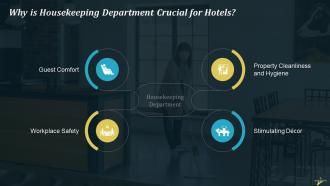
This slide showcases the significance of the housekeeping department in a hotel as it provides guests comfort, ensures property cleanliness, hygiene, and workplace safety, and creates stimulating décor.
Instructor’s Notes:
Importance of housekeeping department in hotels is:
Guest Comfort:
- Housekeeping staff provides guests with a welcoming and comfortable atmosphere, in coordination with other departments
Property Cleanliness and Hygiene:
- Housekeeping department provides high quality cleanliness and maintenance services
- Well-maintained clean rooms and other public areas create a positive impression on the guest
- Hygiene in areas like washrooms, toilets, pools, rooms, and health clubs are an important part of the housekeeping job
Workplace Safety:
- Housekeeping staff ensures that hotel facilities and equipment are in good working condition for smooth conduct of hotel basic operations
- For this, the department coordinates with the maintenance and safety department, which results in satisfied guests and creates a safer place for all
- For example, housekeeping staff checks leakage in pipes, broken furniture, and nonworking of the HVAC (Heat Ventilation, Air conditioning) system and updates the maintenance department
Stimulating Décor:
- Housekeeping department uses visual concepts such as stimulating art, aesthetic style and decorating flowers to decorate rooms
- It creates a positive impression on guests and provides them with a soothing environment to relax
Slide 6
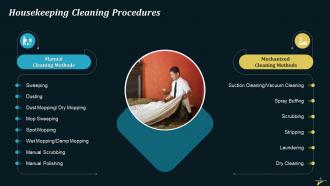
This slide provides information about manual cleaning methods used for housekeeping in hotels such as sweeping, dusting, mop sweeping, manual scrubbing etc. It also covers details about mechanized cleaning methods such as spray buffing, scrubbing, stripping, dry cleaning etc.
Slide 7
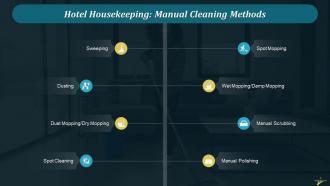
This slide lists manual cleaning methods deployed in hotels for housekeeping which are sweeping, dusting, dust mopping/dry mopping, mop sweeping, spot cleaning, spot mopping, wet mopping/damp mopping, manual scrubbing, and manual polishing.
Instructor's Notes:
Manual cleaning methods in hotel housekeeping are:
Sweeping:
- Sweeping collects dust from the floor surface when it is too rough for a dust mop
- It is also done to clean corners and tight spaces of hotel rooms and other public areas
- It requires a broom, dustpan, and trash bag
Dusting:
- Dusting is done in every corner of the rooms and hotel lobby
- It requires equipment like cloth duster, microfiber cloths, and feather dusters
Dust Mopping/Dry Mopping:
- Dust Mopping/Dry Mopping is done to remove dust from the floor to maintain its shine and luster
- This method is also used to clean the hotel lobby, and hotel floors
- It requires a dust control mop, dust pan, dust collecting bag, and dustbins
Spot Cleaning:
- Spot cleaning is used for the removal of stains from spaces (hard & soft)
- This process is not used on the entire surface, but on the selected stained discolored surfaces
- The equipment used are cleaning cloths, cleaning agents, brushes, and solvents
Spot Mopping:
- Spot mopping is used for preservation of floor surface in hotel
- When some types of liquids and solids are spilled on the floor and allowed to stay there for a long period of time, it will penetrate and stain the floor
- This process requires a mop, bucket trolley, cold water, and diluted solution of neutral detergent, if necessary
Wet Mopping/Damp Mopping:
- Wet Mopping/Damp Mopping is used to remove spills and light-to-heavy dirt from the floor surface
- The equipment used are floor cleaners, wet mop and bucket, squeegee, and detergent solution
Manual Scrubbing:
- Modern floors require minimal hand scrubbing; instead, gentle scrub is done in a straight line to clean these
- A long-handled scrubbing brush is used with a bucket, and squeegee
Manual Polishing:
- In manual polishing, a polish is applied sparingly using cotton rags and cloth for buffing
- Specific polish is used, depending on the type of floor or surface
Slide 8
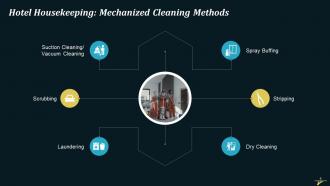
This slide provides information on mechanized cleaning methods used for hotel housekeeping which are cleaning/vacuum cleaning, spray buffing, polishing, scrubbing, stripping, laundering, dry cleaning.
Instructor's Notes:
Mechanized cleaning methods for hotel housekeeping are:
Suction Cleaning/Vacuum Cleaning:
- It is the basic housekeeping task and should be performed regularly
- The purpose of vacuum cleaning is to remove dirt as much as possible to protect the floor from damage
- This method is also used to remove dirt from corners and carpet edges
- It requires stiff broom and a wet/dry vacuum cleaner with multiple adjustments
Spray Buffing:
- A floor machine with 175-300 RPM is used in this process with a soft pad or brush
- The light spray of detergent and a finishing solution is sprayed before the machine
- After the cleaning is done, vacuuming is done to remove loosened dirt
- Equipment required are 175-300 rpm buffing machine with a spray bottle, detergent, and finishing solutions
Scrubbing:
- Scrubbing helps remove dirt, marks, deeper scuffs, and scratches from the floor
- The quantity of detergent, the water temperature, weight, and speed of the machine determine whether it is light or heavy scrubbing
- The equipment required are floor maintenance machines with a green pad
Stripping:
- This process is aggressive as it requires removing dirt from floors and sealers, leaving a bare floor ready for refinishing
- It requires a brush, hot water, and intensive labor, which makes the stripping process costly, time-consuming, and sometimes hazardous
- This process should only be used when no other option provides desired results
Laundering:
- This method is used for washable fabrics for removing soil and stains in an aqueous medium
- In this process, washing, bleaching, drying, and pressing are done using specialized laundry equipment and cleaning agents
- Equipment used are washing machines, drying machines, steam cabinets, and tunnels, etc.
Dry Cleaning:
- In this process, soil and stains are removed from the textile in a non-aqueous medium
- This type of cleaning requires chemical solvents and a dry cleaning machine
Slide 9
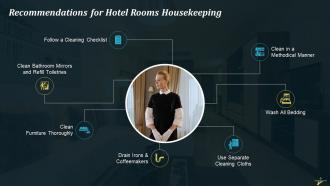
This slide provides information about tips to effectively clean hotel rooms. These are cleaning in a methodical manner, wash all bedding, follow a cleaning checklist, use separate cleaning cloths, drain irons and coffeemakers, clean furniture thoroughly, clean bathroom mirrors and refill toiletries.
Instructor's Notes:
Recommendations for effective housekeeping in hotel rooms are:
Clean in a Methodical Manner:
- Always start from the top of the room and clean back to front
- It helps in simplifying the cleaning process and reduces cross-contamination
Wash all Bedding:
- Always replace sheets, bedspreads, and pillowcases with clean bedding after each guest checks out
- Housekeepers should also check beds carefully and, look for signs of bed-bug stains, and remove trash that might get stuck between the mattress and box springs
Use Separate Cleaning Cloths:
- The housekeepers should always carry separate cleaning cloths for each dusting and mopping in the room
- For example, use red cloths to disinfect surfaces and yellow cloths to remove dirt
Drain Irons and Coffeemakers:
- It is important to clean out water from iron and coffee maker in order to save the items from rust
- This process should be done daily to protect the appliances and meet guests' expectations
Clean Furniture Thoroughly:
- The housekeeping staff should follow specific instructions for cleaning the furniture
- The cleaning staff should wipe dirt from the backs, sides, and undersides of chairs, sofas, desks, etc.
Clean Bathroom Mirrors and Refill Toiletries:
- The housekeeping staff must wipe the washbasin, bathing tubs, and mirrors and must refill toiletries
- They should also clean toilet flush with disinfectants
Follow a Cleaning Checklist:
- Housekeeping department should follow a fix procedure to clean a hotel room using checklist
- It ensures uniformity in cleaning every hotel room, improves cleaning efficiency, and saves time
Slide 10
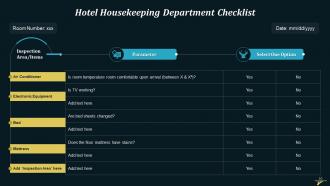
This slide showcases a housekeeping department checklist template to inspect cleanness and hygiene in hotel rooms.
Slide 11
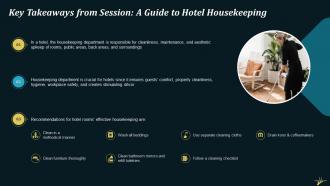
This slide lists the key takeaways of hotel housekeeping guide training session. A trainer can use this slide to highlight important concepts to trainees.
Slide 28 to 43
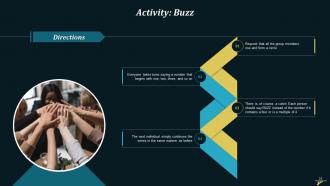
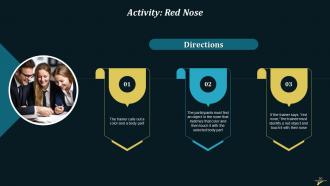
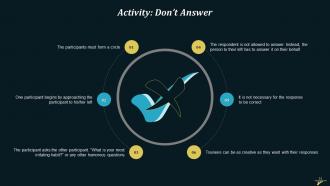
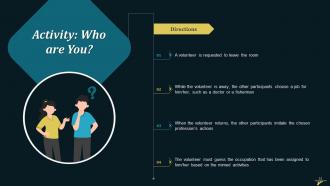
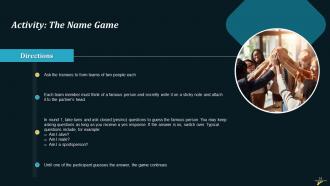
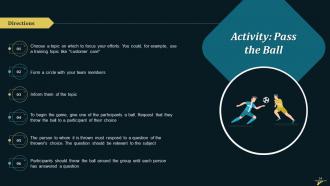
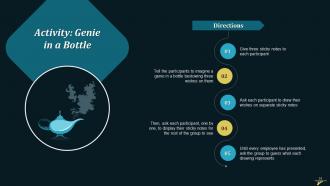
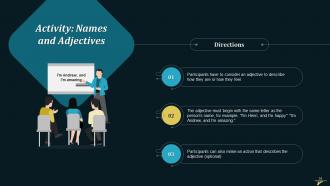
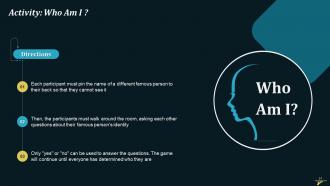
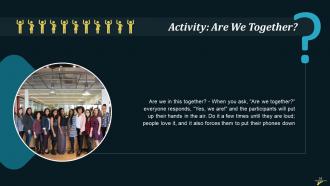
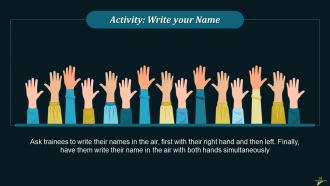
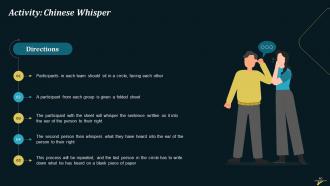
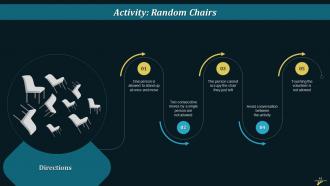
These slides contain energizer activities to engage the audience of the training session.
Slide 44 to 71
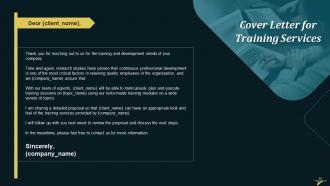
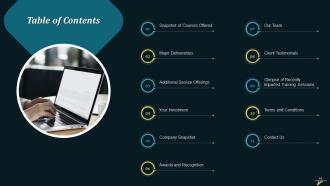
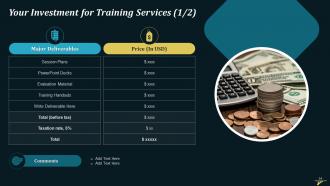
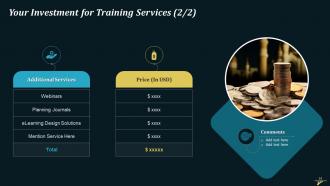
These slides contain a training proposal covering what the company providing corporate training can accomplish for the client.
Slide 72 to 74
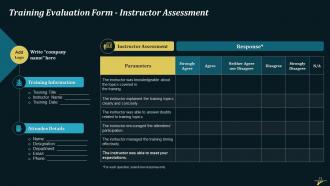
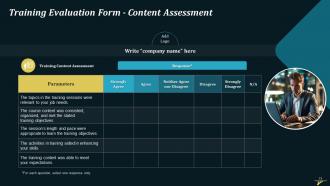
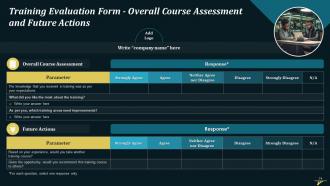
These slides include a training evaluation form for instructor, content and course assessment.
A Guide To Hotel Housekeeping Training Ppt with all 82 slides:
Use our A Guide To Hotel Housekeeping Training Ppt to effectively help you save your valuable time. They are readymade to fit into any presentation structure.














FAQs for A Guide To Hotel
Honestly, housekeeping is way more skill-based than people realize. You've gotta be super detail-oriented and know all your cleaning products cold. Time management is everything - there's always a crazy rush between checkout and check-in. Being on your feet constantly is exhausting, so build up that stamina first. Communication matters tons too since you're dealing with front desk drama and guest requests all day. Oh, and flexibility is non-negotiable because room assignments change every five minutes. I'd say nail down the basic cleaning routine first, then work on getting faster. The speed comes naturally once you've got the system down.
Honestly, mobile apps are a game-changer for this stuff. Your staff can pull up checklists and tutorials right on their phones while they're actually cleaning. Video modules work really well too - people can rewatch the tricky parts until they get it. QR codes in each room are smart, linking to specific instructions for different room types. I've seen some places try VR training which is kinda cool but probably unnecessary unless you're fancy. You'll be able to track who's completing what and spot anyone struggling with quiz scores. Start simple though - basic video tutorials and digital checklists are super easy to roll out and honestly make a massive difference.
Dude, guest feedback is like having a spy network - they'll catch stuff your housekeeping team totally misses. Hair in the shower, weird smells, streaky windows... all those details that somehow slip through daily checks. Yeah, negative reviews suck to read, but they're actually perfect for training meetings. I swear, showing your staff real guest complaints hits different than just telling them "do better." Track what keeps coming up and tweak your cleaning routine based on those patterns. It's way more effective than guessing what matters to guests.
Okay so first thing - always clean top to bottom. Dust the ceiling fans and lights before you even touch the vacuum. The detail stuff is where they'll really judge you though. Water spots on faucets, smudged light switches, wonky vacuum lines on carpet - they see everything. Sounds crazy but that's just how luxury places work I guess. Oh and towel folding is like an art form apparently? There's actual rules for where everything goes in bathrooms. Practice making beds until you can nail those hospital corners in under three minutes.
So it really depends on what kind of hotel you're running. Chain hotels are all about those checklists and making sure everything's exactly the same - guests know what they're getting. But boutique places? Totally different game. Your staff needs to think on their feet way more since every guest wants something special. I swear boutique employees are basically part-time therapists sometimes. Short version: figure out what makes your property unique, then train around that. Chain = consistency training, boutique = flexibility and creative problem-solving. You can't just copy-paste training programs and expect them to work everywhere.
Show them how to actually use PPE and handle chemicals - skip the boring lectures. Cover bloodborne stuff, lifting techniques, and reading those safety sheets for cleaning products. We had three back injuries in one month which was a nightmare! Practice proper bed-making so they don't wreck their backs. The "clean as you go" thing is huge for preventing cross-contamination between rooms. Honestly, quarterly refreshers are a must because people forget the details. Also makes sure management looks like they actually care about safety, which doesn't hurt.
Look at your guest satisfaction scores first - especially the cleanliness stuff. Track how fast new people hit your quality standards too. Staff turnover is huge because honestly, if training sucks people just leave. Room inspection scores from supervisors will tell you a lot. Oh and guest complaints are pretty obvious red flags. But here's what really works - actually talk to your housekeeping team regularly. They'll tell you straight up what's broken in your training. Way better than guessing from spreadsheets all day.
Look, sustainability training actually saves you money - that's the real kicker. Your guests expect it now too, so it's become this weird competitive thing. Energy-efficient stuff, cutting waste, using less chemicals... it all adds up on your bills. Plus your staff gets way more engaged when they feel like they're doing something that matters, you know? I'd start simple though - towel programs, microfiber cloths instead of paper towels, teaching people not to dump half the bottle of cleaner everywhere. Honestly, the portion control thing alone will shock you with how much you save.
So basically, start by checking what kinds of guests you actually get - that'll guide everything. Train your housekeeping team on the big stuff: dietary restrictions (affects room service cleanup), religious practices that change when you can enter rooms, privacy expectations that vary wildly between cultures. Some people are super strict about shoes indoors, others don't care at all. Teach them to spot and respect religious items like prayer rugs during cleaning. The tricky part? Don't stereotype - cover general cultural awareness but remind everyone that each guest is still unique. Honestly, it's more about being observant and respectful than memorizing a bunch of rules.
Start with the obvious stuff - vacuums, cleaning chemicals, microfiber cloths, mops, toilet paper, towels. The housekeeping cart too, obviously. I made this mistake once where I didn't properly train people on loading carts and it was chaos. Chemical handling is huge though - teach dilution ratios right or you'll waste so much money. If you've got carpet cleaners or window squeegees, include those. Honestly, skip the PowerPoint approach. Set up a practice room and let them actually use everything hands-on. Way more effective than just talking about it.
Honestly? Every 3-6 months works best. Quarterly is the sweet spot for most hotels - keeps everyone on their game without being annoying. Monthly training is way too much (learned that the hard way), and staff just zone out completely. But wait longer than 6 months and you'll notice standards starting to slide. Bad habits sneak in fast. Here's what actually works though - pick just 2-3 things to focus on each time. Don't try cramming everything into one session. People remember way more when you keep it simple and specific.
Honestly, most new housekeeping staff get overwhelmed with time management and figuring out all the equipment - there's just so much to learn at once. Skip the boring lectures and jump straight into hands-on demos. Walk them through efficient room workflows and show proper chemical handling (that stuff can be dangerous if they mess up). Quality checkpoints are huge too, but keep them simple so people actually remember under pressure. Oh, and definitely do some role-playing for difficult guests - trust me, they'll thank you later. Don't throw them into full room loads right away. Start small so they can build up confidence and speed naturally.
Honestly, role-playing is such a game changer for housekeeper training. Your team gets to mess up safely during practice instead of panicking when they find a trashed room or broken lamp for the first time. I mean, nobody wants to figure out guest complaints on the spot, right? You can run them through all the weird stuff - damaged property, safety issues, angry guests. The cool thing is they'll try different approaches and get feedback immediately. Oh, and definitely use real situations your hotel has actually dealt with. Makes it way more believable and actually builds their confidence for the job.
Daily huddles are your best friend - have everyone share room assignments and any drama from the night before. Pair your newbies with veterans because honestly, watching someone who actually knows what they're doing beats any training manual. Group chats work great for quick stuff like "room 302's toilet is broken" or "I need backup with this disaster of a suite." Oh, and walkie-talkies if you're feeling fancy. Keep team meetings short though - nobody wants to stand around forever. When people don't feel awkward about speaking up, you'll catch problems way earlier.
Track your room inspection scores, guest satisfaction ratings, and cleaning time per room - those are your big three. Don't get caught up in just speed though, that's where a lot of places mess up. Safety incidents matter too, along with supply usage and whether people are actually sticking around (high turnover usually means something's off). Guest complaints about dirty rooms are pretty obvious red flags. Set up monthly check-ins to compare your before/after numbers. Oh, and actually talk to your housekeepers - they'll tell you what's really working and what's total BS.
-
Nice and innovative design.
-
The templates are the best in class. Very clear and innovative graphics! I am excited to explore and download more presentations.