


Opening Retail Store In The Untapped Market To Increase Sales Powerpoint Presentation Slides




Try Before you Buy Download Free Sample Product
 Impress Your
 Audience
 100%
100% Editable
 Save Hours
 of Time


Opening a new store can be challenging for retailers due to the difficulty of selecting the right business plan and complying with legal formalities. Grab our Opening Retail Store in the Untapped Market to Increase Sales template. With its help, companies can successfully open a new retail store in a niche market and increase their revenue and profit. Our Retail Business deck showcases sections on establishing new retail store objectives and competitive landscape analysis. It also caters to a business plan section through which managers can develop a long-term strategy and secure funding from investors. Site selection analysis is the next section for determining a feasible location for the new retail store. Further, our Retail Outlet Opening PPT incorporates business licensing requirements, the cost of opening a new store, etc. Marketers can increase store footfall by implementing offline and online marketing strategies. Retail firms can measure the performance of new retail stores through key performance indicators KPIs and performance dashboards section. Lastly, the retail module caters to an area of a future expansion plan that will act as a roadmap for businesses to meet growth targets. Get access now.
People who downloaded this PowerPoint presentation also viewed the following :
Content of this Powerpoint Presentation
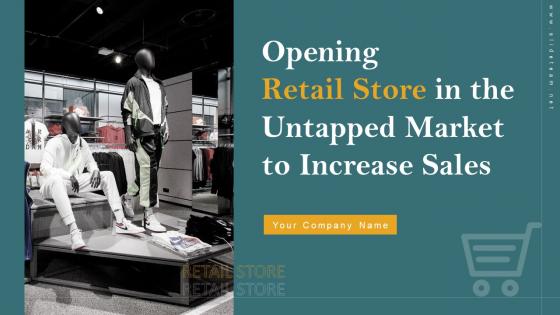
Slide 1: This slide introduces Opening Retail Store in the Untapped Market to Increase Sales. Commence by stating Your Company Name.
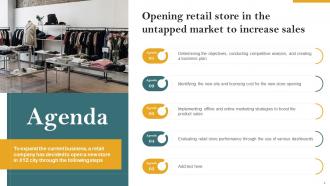
Slide 2: This slide depicts the Agenda of the presentation.
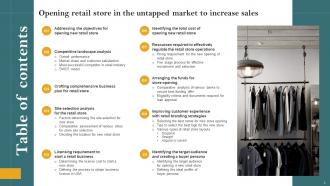
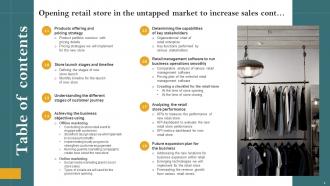
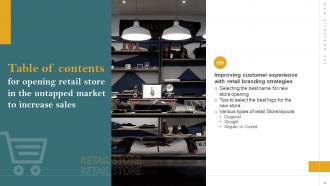
Slide 3: This slide incorporates the Table of contents.
Slide 4: This is yet another slide continuing the Table of contents.
Slide 5: This slide highlights the Title for the Topics to be covered next.
Slide 6: The following slide showcases various objectives for the grand opening of new retail store.
Slide 7: This slide portrays the Heading for the Components to be discussed next.
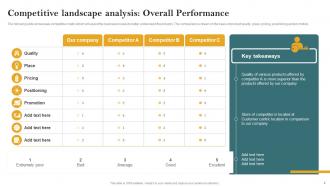
Slide 8: The following slide showcases competitive matrix which will assist the business houses to better understand the industry.
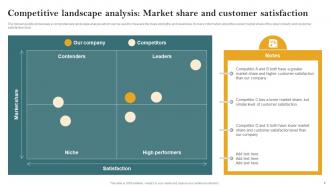
Slide 9: This slide focuses on the Competitive landscape analysis: Market share and customer satisfaction.
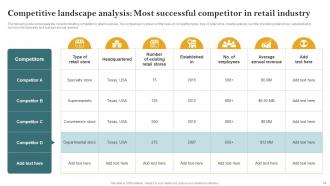
Slide 10: This slide elucidates the Competitive landscape analysis: Most successful competitor in retail industry.
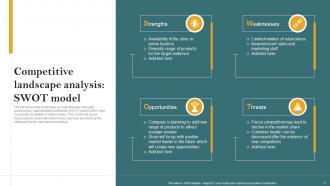
Slide 11: The following slide shows Competitive landscape analysis: SWOT model.
Slide 12: This slide mentions the Title for the Ideas to be discussed next.
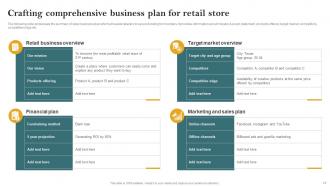
Slide 13: This slide deals with Crafting comprehensive business plan for retail store.
Slide 14: This slide presents the Heading for the Components to be covered further.
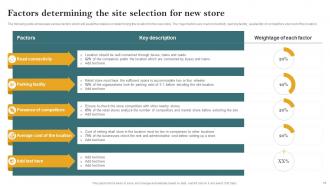
Slide 15: The following slide showcases various factors which will assist the retailers in determining the location for the new store.
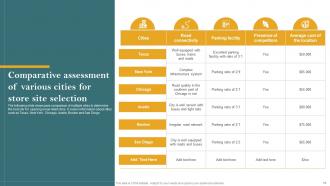
Slide 16: This slide reveals the Comparative assesment of various cities for store site selection.
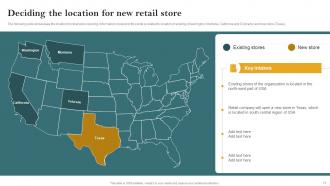
Slide 17: This slide deals with Deciding the location for new retail store.
Slide 18: This slide incorporates the Title for the Ideas to be discussed further.
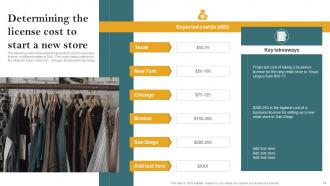
Slide 19: The following slide showcases the projected cost of a business license in different states of USA.
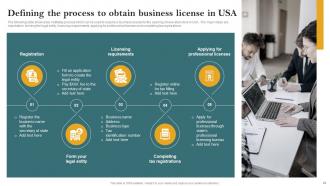
Slide 20: The following slide Defines the process to obtain business license in USA.
Slide 21: This slide portrays the Heading for the Ideas to be covered next.
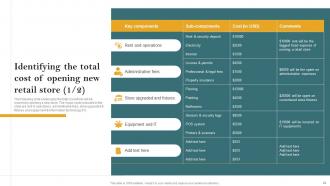
Slide 22: The following slide presents the total cost which will be incurred in opening a new store.
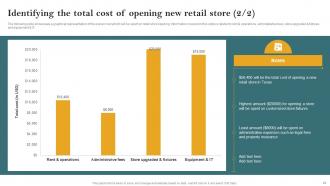
Slide 23: This slide continues the total cost of opening new retail store.
Slide 24: This slide indicates the Title for the Contents to be covered further.
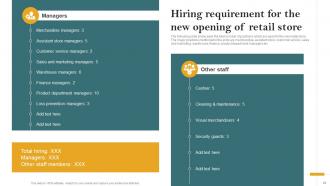
Slide 25: The following slide showcases the total number of positions which are open for the new retail store.
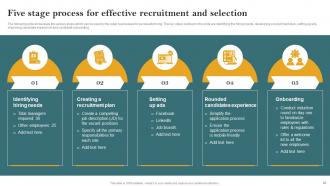
Slide 26: This slide states the Five stage process for effective recruitment and selection.
Slide 27: This slide exhibits the Heading for the Topics to be discussed in the upcoming template.
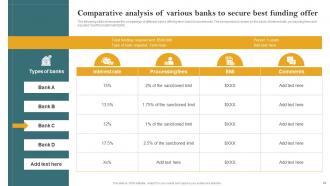
Slide 28: This slide represents the Comparative analysis of various banks to secure best funding offer.
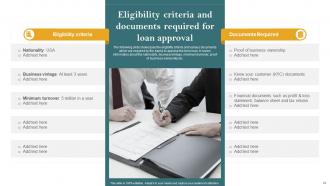
Slide 29: The following slide showcases the eligibility criteria and various documents which are required by the banks to approve the term loan.
Slide 30: This slide depicts the Title for the Ideas to be discussed further.
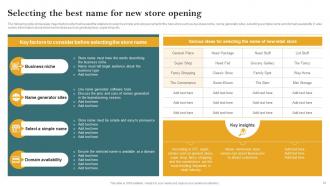
Slide 31: The following slide shows major factors which will assist the retailers to select a simple and unique name for the new store.
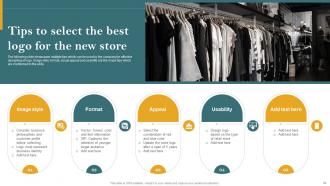
Slide 32: This slide lists the Tips to select the best logo for the new store.
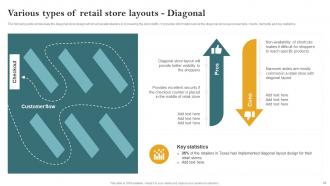
Slide 33: This slide exhibits the Various types of retail store layouts - Diagonal.
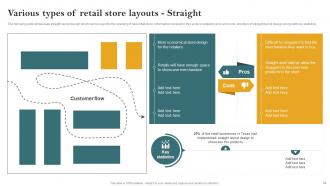
Slide 34: The following slide talks about the straight layout design which can be used for the opening of new retail store.
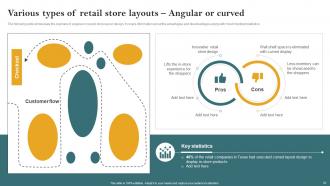
Slide 35: This slide mentions the Various types of retail store layouts – Angular or curved.
Slide 36: This slide elucidates the Heading for the Ideas to be discussed next.
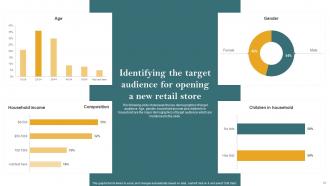
Slide 37: The following slide showcases the key demographics of target audience.
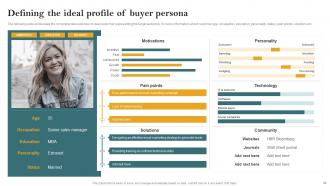
Slide 38: This slide defines the ideal profile of buyer persona.
Slide 39: This slide contains the Title for the Topics to be covered further.
Slide 40: The following slide showcases multiple types of products under different brands which will be sold by the retail business.
Slide 41: This slide shows the Pricing strategies to be implemented for the new store.
Slide 42: This slide reveals the Heading for the Components to be discussed next.
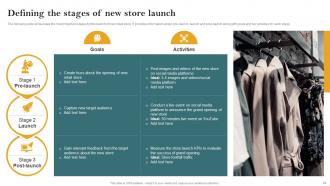
Slide 43: The following slide showcases the most important stages for the launch of new retail store.
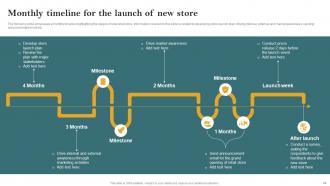
Slide 44: This slide exhibits the Monthly timeline for the launch of new store.
Slide 45: This slide portrays the Title for the Ideas to be covered further.
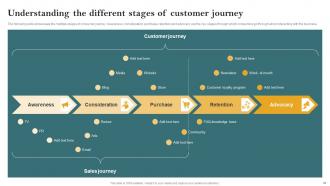
Slide 46: This slide focuses on Understanding the different stages of customer journey.
Slide 47: This slide depicts the Heading for the Ideas to be discussed next.
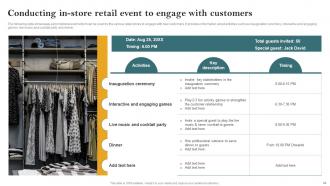
Slide 48: The following slide showcases a promotional event which can be used by the various retail stores to engage with new customers.
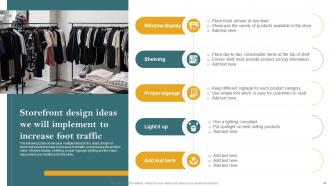
Slide 49: The following slide reveals multiple ideas for the retail storefront which will assist business to increase foot traffic and increase the product sales.
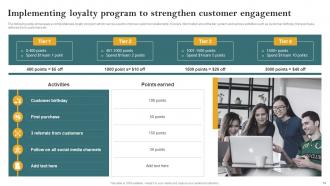
Slide 50: This slide emphasizes on Implementing loyalty program to strengthen customer engagement.
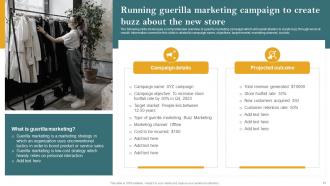
Slide 51: This slide talks about Running guerilla marketing campaign to create buzz about the new store.
Slide 52: This slide contains the Heading for the Ideas to be discussed further.
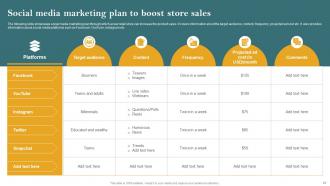
Slide 53: This slide elucidates the Social media marketing plan to boost store sales.
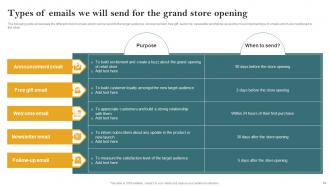
Slide 54: This slide lists the Types of emails we will send for the grand store opening.
Slide 55: This slide portrays the Title for the Topics to be covered in the following template.
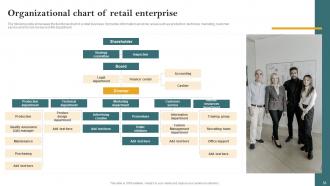
Slide 56: The following slide showcases the functional chart of a retail business.
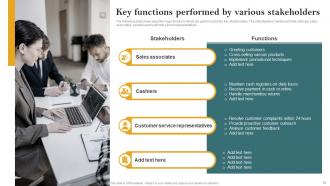
Slide 57: This slide exhibits the Key functions performed by various stakeholders.
Slide 58: This slide mentions the Heading for the Components to be discussed next.
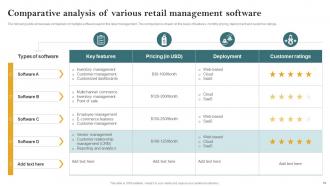
Slide 59: This slide presents the Comparative analysis of various retail management software.
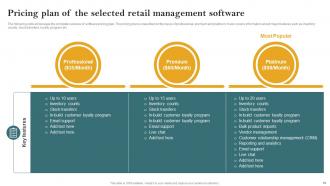
Slide 60: The following slide shows the complete overview of software pricing plan.
Slide 61: This slide depicts the Title for the Contents to be covered further.
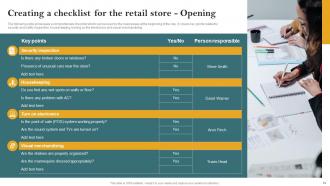
Slide 62: This slide focuses on Creating a checklist for the retail store - Opening.
Slide 63: This slide deals with Creating a checklist for the retail store - Closing.
Slide 64: This slide displays the Heading for the Components to be covered in the forth-coming template.
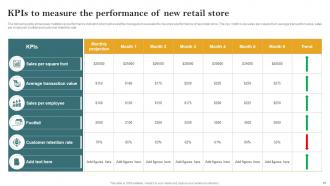
Slide 65: This slide lists the KPIs to measure the performance of new retail store.
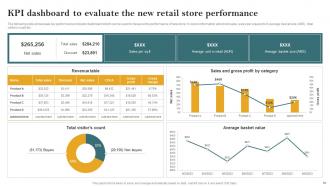
Slide 66: This slide illustrates the KPI dashboard to evaluate the new retail store performance.
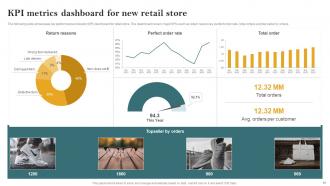
Slide 67: This slide incorporates the KPI metrics dashboard for new retail store.
Slide 68: This slide portrays the Title for the Ideas to be covered next.
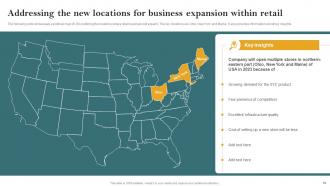
Slide 69: The following slide showcases a political map of USA outlining the locations where retail business will expand.
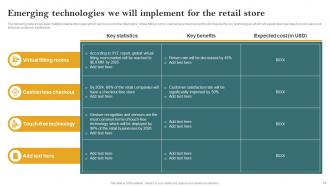
Slide 70: The following slide showcases multiple retail technologies which can be used in the retail store.
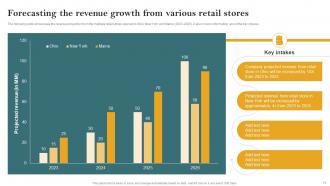
Slide 71: This slide emphasizes on Forecasting the revenue growth from various retail stores.
Slide 72: This is the Icons slide containing all the Icons used in the plan.
Slide 73: This slide is used to depict some additional information.
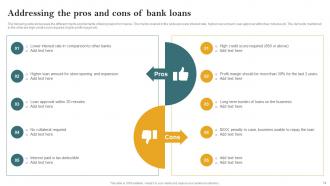
Slide 74: This slide focuses on Addressing the pros and cons of bank loans.
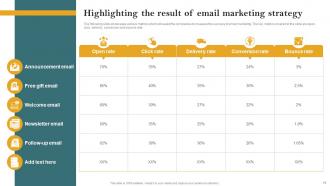
Slide 75: This slide Highlights the result of email marketing strategy.
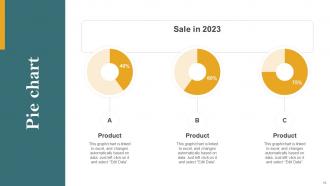
Slide 76: This slide elucidates the Pie chart.
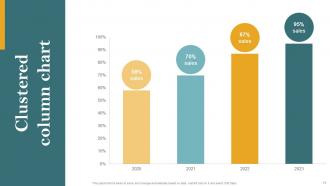
Slide 77: This slide shows the Clustered column chart.
Slide 78: This is the About us slide for depicting company-related information.
Slide 79: This sldie elucidates the vision, mission, and goals of the firm.
Slide 80: This is Meet our team slide. State your team-related information here.
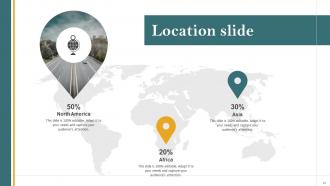
Slide 81: This is the location slide of the Company.
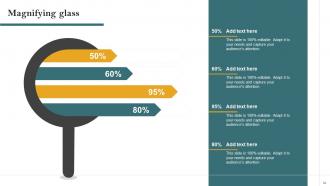
Slide 82: This is the magnifying glass for minute deatils.
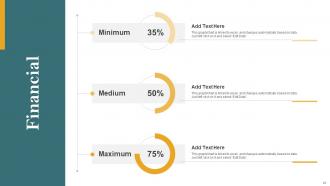
Slide 83: This slide reveals information related to the financial topic.
Slide 84: This slide presents the SWOT analysis.
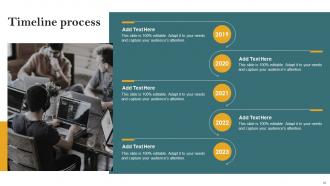
Slide 85: This slide depicts the Timeline process.
Slide 86: This slide is used for the purpose of Comparison.
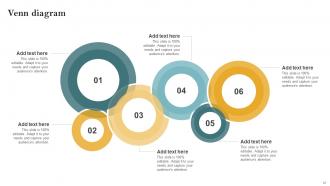
Slide 87: This is the venn diagram slide.
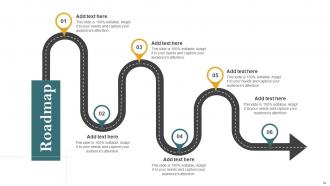
Slide 88: This slide illustrates the organization's Roadmap.
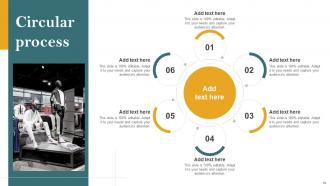
Slide 89: This slide portrays the Circular process.
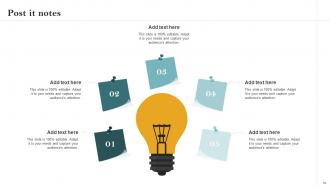
Slide 90: This slide contains the Post it notes for reminders and deadlines.
Slide 91: This is the Thank You slide for acknowledgement.
Opening Retail Store In The Untapped Market To Increase Sales Powerpoint Presentation Slides with all 96 slides:
Use our Opening Retail Store In The Untapped Market To Increase Sales Powerpoint Presentation Slides to effectively help you save your valuable time. They are readymade to fit into any presentation structure.















FAQs for Opening Retail Store In The Untapped Market To Increase Sales
Check the demographics first - enough people in your target group who'd actually buy? Then figure out why nobody else set up shop there yet. Sometimes there's a damn good reason it's "untapped." Look at how easy it is for customers to get there too. Can they park? Is there foot traffic? Also research what locals actually spend money on. I'd honestly just walk around at different times - mornings, evenings, weekends. You'll get a way better feel for the area than any report will give you.
Untapped markets are tricky - you can't just copy what competitors are doing because there basically aren't any. You're flying blind trying to figure out if people even want this thing. I'd start with tons of interviews and focus groups to understand why nobody's tackled this market yet. Maybe it's awareness, maybe access issues, or honestly? People just don't care. Saturated markets are way easier though. There's already data everywhere and you can see what's working for others. Just dig into customer interviews to find gaps everyone else missed.
You'll want to grab census data first - that shows age ranges, income, household sizes in your area. Facebook groups are honestly your best friend for seeing what locals actually care about. Hit up competing stores and just watch how people shop. I always think mystery shopping gives you way better intel than any report. Quick street surveys work too, though they're kinda awkward at first. Community centers are goldmines for observing real behavior. The trick is mixing hard numbers with actual conversations - data tells you demographics, but talking reveals what people genuinely want.
Oh definitely do your homework on competitors - learned this one the hard way! Start by checking out similar retailers within like 50 miles, even if they're not exact matches. Their online reviews are goldmines for spotting what pisses customers off. I'd map out their pricing and see where they're screwing up service-wise. Those gaps become your opportunities, you know? Don't just look at direct competitors either - sometimes the best insights come from stores that are kinda adjacent to what you're planning. It's way easier to avoid their mistakes than figure it out yourself.
Honestly, you gotta figure out what's missing first. Chat with people around there, watch how they shop, see what the big stores aren't doing right. Maybe it's staying open past 8pm when everyone else closes early - sometimes the simplest stuff works best. Don't try being everything to everyone though, that's a recipe for disaster. Pick like one or two things you'll actually be better at - could be better service, different products, whatever. Oh and definitely test your pitch on real customers before you open. What sounds genius to you might be totally confusing to them.
Honestly, the supply chain stuff is gonna be your biggest nightmare. You're walking into markets with zero infrastructure for your business, so everything's harder. Finding reliable vendors is tough. Shipping costs will probably shock you - routes you've never used before are expensive. Warehouse space in the right spots? Good luck with that hunt. Plus inventory gets weird since you can't predict what people actually want yet. My advice? Map out those supply chain costs way earlier than you think you need to, and pad your timelines like crazy. Trust me on the buffer time thing.
Dude, definitely find some local partners before you do anything else. They've got the trust and know the area way better than you ever will starting out. Cross-promotions with other businesses work great, or team up with suppliers to cut costs. Community groups are solid for events too. I swear, every retailer I know who tried going solo in a new market just... struggled hard. These partners will tell you what customers actually want instead of you guessing for months. Oh, and don't sign a lease until you've got like 3-5 potential partners lined up first.
Start with a big grand opening event and get involved locally - sponsorships, partnerships, that whole thing. Social media ads work amazing if you target just your area, plus Google Local is clutch for people actually searching. Honestly, direct mail sounds ancient but it still works way better than you'd think for retail stores. You'll want to mix the digital stuff with real community face time though - people are weird about trying new places until they trust you. Oh, and give yourself like 6-8 weeks to plan everything before you actually open. Don't rush it.
Honestly, I'd go with penetration pricing first - set it lower than you normally would just to get people hooked on your stuff. No competition means you've got room to play around, but yeah, it's kinda scary not having any benchmarks to work with. Look at what customers pay for similar products in related markets instead of just doing cost-plus math. If you can swing it, try testing different prices with smaller batches first. That's probably the smart move anyway. Once people know your brand and you've got steady demand, then you can bump prices up bit by bit. Better to start conservative and work your way up than price yourself out from day one.
Start with people counters and heat mapping cameras - they'll show you where customers actually hang out. Your POS system's analytics are honestly game-changing for tracking buying patterns and busy times. The data's gonna shock you at first, trust me. Social media listening tools help you figure out what locals want before you even open. Oh, and mobile location services like SafeGraph show competitor foot traffic plus who's shopping in your area. Don't go crazy with every tool though. Pick one or two to start - you can always add more later.
Here's my take: first, actually listen to what matters to that community instead of just dropping your usual pitch on them. Won't work. Find the real human stuff in your brand that connects with their specific struggles - everyone wants to feel understood, but that looks totally different everywhere. Your story needs to sound like it's coming from someone who actually gets their world, not some brand trying to make a quick sale. Spend time in their conversations first, both online and IRL. Then use what you learn to reshape how you talk about your brand's purpose. It's honestly the only way it'll feel authentic to them.
Definitely start with business licenses - every city's got different rules and some are weirdly strict. Check if retail's even allowed where you want to set up (zoning laws). You'll need sales tax registration and an EIN too. Oh and signage rules can be super random - learned that one the hard way. If you're crossing state lines, employment laws get tricky. Minimum wage varies obviously, but so do break requirements and how you classify workers. Honestly? Just call your local small business development center. They know all the random local stuff you'd never think of.
Yeah, definitely go for it! Sustainability stuff really does make people trust you more, especially when they've never heard of your brand before. Younger customers will literally pay extra for eco-friendly options - it's pretty crazy how much they care about that. I'd start with obvious things like your packaging or maybe LED lights in your store. Oh, and don't forget to actually tell people about it! Put it on your signs, social media, whatever. You're not just selling products, you're showing you give a damn about the future. That long-term thinking vibe hits different than companies obviously just chasing profit.
Look, getting involved in your community is seriously the fastest way to build trust. When you sponsor local events or partner with neighborhood groups, people see you actually care about more than just making money. I've watched businesses completely flip their reputation by hosting fundraisers or working with schools - honestly, it's pretty amazing to see. You go from being "that new store" to "our neighborhood spot that gets it." Find 2-3 local organizations that match what you're about and reach out this week. Don't overthink it.
Track the usual stuff - sales, foot traffic, conversion rates. But also watch brand awareness and customer acquisition costs since you're the new kid on the block. Honestly, some of my best intel comes from just talking to customers while they're checking out - way better than formal surveys sometimes. Keep a close eye on inventory turnover because you're still figuring out what locals actually want. Stay flexible with your product mix and pricing. Maybe even tweak the store layout if needed. Give it 6-12 months to spot real patterns, then don't be afraid to pivot fast.
-
The service is fast, and I could access any presentation after buying the subscription. I don’t think I’ll ever have to worry about a presentation in my life.
-
Placing an order on SlideTeam is very simple and convenient, saves you a lot of your time.