


Organizational accomplishments powerpoint presentation slides




Try Before you Buy Download Free Sample Product
 Impress Your
 Audience
 100%
100% Editable
 Save Hours
 of Time


Showcase the achievements and success stories of your company with the aid of our content ready Organizational Accomplishments PowerPoint Presentation Slides. By using this visually appealing business achievements PPT theme, you can demonstrate the entire journey and performance level of your organization. Use a professional accomplishments presentation template and give a brief on the winners, best-performers, total turnover, customer satisfaction, completion of long-term projects, successful campaigns of your company. With the help of enterprise key achievements PowerPoint graphics, you can outline the previous or current productivity, rewards, economy, promotions, increased sales figures and exceeded work-targets of your company. Take the assistance of this professionally designed business accomplishments presentation slides and highlight the overall financial growth of your company. Employ the organizational accomplishments PowerPoint layout and talk about the rewards and success stories of your organization. Hence, download our ready-to-use business key accomplishments PPT deck and share the milestones you have achieved.
People who downloaded this PowerPoint presentation also viewed the following :
Content of this Powerpoint Presentation
Slide 1: This slide introduces the Organizational Accomplishments. Add your Company Name to begin.
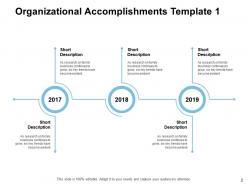
Slide 2: This slide comprises the Organizational Accomplishments Template.
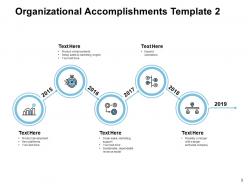
Slide 3: This slide also comprises the Organizational Accomplishments Template.
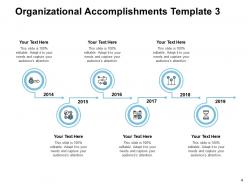
Slide 4: This slide again comprises the Organizational Accomplishments Template.
Slide 5: This slide also comprises the Organizational Accomplishments Template.
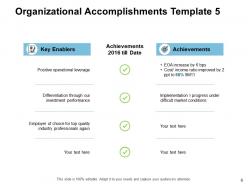
Slide 6: This slide again comprises the Organizational Accomplishments Template- Key Enablers, and Achievements.
Slide 7: This slide shows the Goal Achievement.
Slide 8: This template contains the Organizational Accomplishments Icons Slide.
Slide 9: This slide is titled as Additional Slides for moving forward.
Slide 10: This slide shows About Us.
Slide 11: This slide reveals the names and designation of Our Awesome Team members.
Slide 12: This slide shows the Post it Notes.
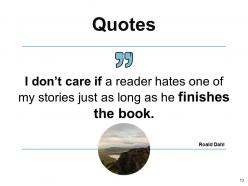
Slide 13: This slide shows a quote by Roald Dahl.
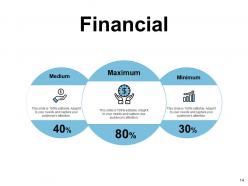
Slide 14: This slide reveals the Financial information.
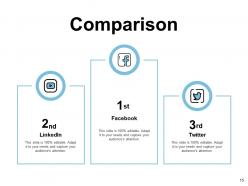
Slide 15: This slide shows a Comparison of social media sites like LinkedIn Facebook,and Twitter.
Slide 16: This slide shows the Timeline.
Slide 17: This slide comprises Venn diagrams.
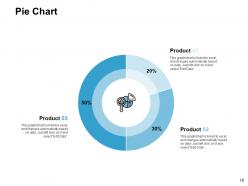
Slide 18: This slide contains an editable Pie Chart showing the market share of products.
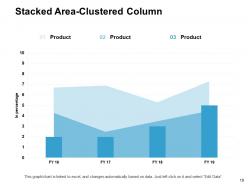
Slide 19: This slide contains an editable Stacked Area-Clustered Column chart showing the market share of products for various years.
Slide 20: This is a Thank You slide consisting of Address, Contact numbers and email Address.
Organizational accomplishments powerpoint presentation slides with all 20 slides:
Devise a good approach with our Organizational Accomplishments Powerpoint Presentation Slides. Figure out how to get over any difficulty.




FAQs for Organizational accomplishments
So for metrics, I'd focus on the obvious stuff first - revenue, profit margins, how efficient your ops are running. Customer satisfaction scores matter too, plus employee engagement (though that one's tricky to measure honestly). Most companies I've seen also track market share and whether they're actually hitting their goals. Quality stuff like defect rates is huge if you're in manufacturing or whatever. Here's the thing though - don't go crazy tracking 20 different things. Pick maybe 5-7 that actually matter to your leadership team. Ask yourself what success looks like this quarter and work backwards from there.
Look, engaged employees just work harder - it's that simple. They stick around longer, which saves you a fortune on hiring costs (seriously, recruiting is expensive as hell). Your team becomes way more productive and creative when they actually give a damn about what they're doing. Plus they'll push through tough times instead of bailing at the first sign of trouble. These people turn into your biggest cheerleaders too, talking up the company to customers and helping you attract better talent. Bottom line? Keep your people connected to the mission and motivated. Everything else flows from there.
Look, I've seen this play out so many times - leadership really can make or break a company. Strong leaders paint that clear vision and actually get people excited to work toward it. They're not afraid to make the hard calls either. But crappy leadership? Total disaster. Teams get confused, morale tanks, opportunities slip away. The best leaders I know somehow balance the big picture stuff with actually getting things done. Oh, and they build cultures that don't fall apart when everything goes sideways (which it always does). If you're leading people, just be super clear about where you're headed and trust your team to figure out how to get there.
You've gotta tailor your message to each group - investors care about totally different stuff than employees or customers do. Hit multiple channels: newsletters, social media, town halls, whatever works. Companies love burying good news in boring reports that nobody actually reads, which is so dumb. Make things visual with infographics or videos when you can. Connect your wins back to what each stakeholder actually cares about. Show investors the ROI. Highlight team contributions for employees. Oh, and don't sit on good news for months - share it while it's still fresh and relevant. Consistency matters too.
Honestly, when your team crushes big goals, it does wonders for company culture. People get pumped up and actually want to work harder - I've seen it happen. The trick is celebrating wins together, even the random smaller ones that might seem dumb. It builds trust and shows everyone their work actually matters. Short wins. Longer achievements. Both count. Don't just announce stuff from your corner office though - get your team involved in deciding what success looks like first. When people see their efforts getting recognized, they'll take bigger risks and stay way more engaged. Trust me on this one.
Honestly, data analytics is a game changer for tracking achievements. No more "I think we're doing okay?" - you'll actually see what's working and what isn't. Pick maybe 3-5 key metrics to start (don't go crazy with like 20 different charts). The cool part is spotting trends early and setting up alerts when things go sideways. I got weirdly obsessed with our dashboard last month, but whatever. You can compare different teams, predict what's coming next, and finally know which numbers actually matter for your goals. Way better than just winging it.
Oh absolutely, don't let this be a one-off thing! Honestly, most teams celebrate for like two seconds then move on - such a missed opportunity. Try setting up some kind of regular recognition thing, maybe share wins in meetings or do a monthly newsletter. A wins wall is pretty cool too if you're into the visual stuff. Here's what really works though: tie each win back to your bigger picture goals. Makes people see the connection, you know? Then use that momentum to tackle whatever's next. Quick tip - grab one recent win from your team and spend 10 minutes this week brainstorming how to squeeze more impact out of it.
Look, every industry celebrates totally different stuff. Tech companies go crazy for innovation and user growth. Healthcare? Patient outcomes and safety records are everything. Manufacturing loves efficiency wins and quality improvements. Finance bros obsess over risk management and compliance (boring but whatever). But here's where it gets interesting - even companies in the same space can have completely different ideas of what "success" means. Depends on their stage, strategy, all that. Check out what the big players in your industry are actually bragging about. That'll tell you what achievements really count.
Honestly, continuous improvement is like your cheat code for actually hitting those big goals. Instead of being stuck doing things the same old way, you're always tweaking and getting better. Think compound interest but for your work processes - those little changes really add up over time. You spot what's broken, try new stuff, then refine it. Way better than just crossing your fingers and hoping your current setup will somehow work miracles. My advice? Pick one thing that's driving your team nuts and spend 15 minutes figuring out how to make it even 10% less annoying.
Honestly, psychological safety is everything - people need to feel safe throwing out crazy ideas without getting shot down. Google's 20% time thing sounds amazing but most companies totally botch it. Get your marketing and engineering folks talking regularly because that's where the real breakthroughs happen. Run some innovation challenges, celebrate smart failures (not just wins), and make sure leadership actually listens to ideas from everyone. The biggest thing? Ask your team what's blocking them from being creative. Cross-functional collaboration is where you'll see magic happen. Don't punish people for taking intelligent risks.
Ugh, office politics are the worst part honestly. Different teams fighting over who gets credit, plus there's never clear rules about what actually deserves recognition. Most places are terrible at timing too - like celebrating something three months later when nobody cares anymore. Leadership often sucks at public praise, and weirdly some companies think celebrating feels too "unprofessional." They'll ignore all the small wins that actually keep people motivated. My suggestion? Create some kind of regular schedule for recognition and make the criteria super obvious upfront. Otherwise it just feels random and political.
Oh man, this is such a good question! So basically, use your collaboration tools to capture wins as they happen. Slack, Asana, whatever you're already using - they're goldmines for this stuff. Screenshot those amazing client messages right when you get them. Document milestones while they're fresh. Trust me, trying to piece together success stories months later from random emails is the worst. The trick is being intentional about it from the start. These tools let you pull everything together - timelines, metrics, who did what - into actual stories people want to hear.
Look, most companies just celebrate wins and move on - huge mistake. You need to actually dissect what worked. Get specific about the conditions, team dynamics, decisions that led to success. What resources were game-changers? Which leadership moves actually paid off? Timing factors? Don't just document this stuff randomly though. Create a basic "success autopsy" template you can use after big wins. The whole point is finding patterns you can repeat later. I know it sounds nerdy, but seriously - this is how you turn random victories into a repeatable system.
Yeah, external recognition helps with credibility and can open doors for sure. Awards look good for marketing and recruiting talent. Some clients care about that stuff too, especially in fields like consulting or healthcare where trust matters. But honestly? I know tons of successful companies that don't chase awards at all - they just focus on keeping customers happy and growing revenue. Don't get me wrong, recognition is nice when it fits your goals. Just don't get so caught up in winning trophies that you forget what actually matters: delivering real value to your customers.
Look, diverse teams just perform better - you get way more creative solutions when people bring different backgrounds and ways of thinking. Better decisions too. Your customers are diverse, so shouldn't your team reflect that? Plus (and this might be obvious but whatever) people actually want to work somewhere they feel like they belong. Retention goes way up when folks can be themselves at work. I've watched companies nail this and others completely bomb it. The difference? Don't just hire for optics. Actually create space where everyone feels safe to speak up and contribute their real ideas.
No Reviews