


Procurement Powerpoint Ppt Template Bundles




Try Before you Buy Download Free Sample Product
 Impress Your
 Audience
 100%
100% Editable
 Save Hours
 of Time


Our Procurement Powerpoint Ppt Template Bundles are topically designed to provide an attractive backdrop to any subject. Use them to look like a presentation pro.
People who downloaded this PowerPoint presentation also viewed the following :
Procurement Powerpoint Ppt Template Bundles with all 17 slides:
Use our Procurement Powerpoint Ppt Template Bundles to effectively help you save your valuable time. They are readymade to fit into any presentation structure.






FAQs for Procurement Powerpoint
Okay so for a good procurement template, you definitely need clear scope and detailed specs upfront. Timeline expectations too. Budget parameters and vendor requirements are obvious ones. Oh, and evaluation criteria - can't believe how many people wing that part. Include your deliverables, legal terms, payment structure. Risk management stuff is boring but necessary. Here's what nobody tells you though - add a communication protocols section. I swear that's where most projects go sideways. The more specific you are now, the less you'll hate yourself later. Customize based on what you're actually buying.
So procurement templates are basically pre-made forms for all your buying stuff - RFPs, vendor reviews, contracts, purchase orders, you name it. Just fill in your specific needs instead of building everything from zero. They make sure you're asking vendors the right questions and staying compliant, which cuts down on all that annoying back-and-forth later. Your whole team uses the same format too, so comparing options is way easier. Honestly, I'd start with templates for whatever you buy most often - that's where you'll actually notice the time savings. Makes the whole process less of a headache.
Honestly, consistency is huge - no more getting wildly different info from each department when you're trying to compare vendors. Speeds everything up too since people aren't reinventing the wheel every time. Your legal team will actually thank you because all the required clauses are already baked in. Seriously cuts down on those annoying email chains where you're going back and forth fixing missing stuff. Oh, and you'll catch way fewer mistakes since the template forces people to fill in all the important details upfront. I'd start with just one template for whatever you buy most often, then build from there.
Dude, procurement templates are honestly a lifesaver for staying compliant. They've got all the mandatory stuff baked right in - anti-corruption clauses, data protection, industry regs, whatever you need. I've watched teams get absolutely roasted by legal because they forgot some random compliance language in a contract. Not pretty. Templates give you that consistent audit trail too, which auditors love for some reason. Seriously though, start using standardized ones now. You'll be so grateful when compliance season hits and you're not scrambling to prove you did everything by the book.
Construction, healthcare, manufacturing, and government sectors get the most bang for their buck with custom procurement templates. Those industries have crazy compliance rules and tons of people involved in buying decisions. Tech companies are all over this stuff too - they can't resist optimizing every single process (typical, right?). Energy and aerospace companies need them because they're dealing with super specialized equipment that generic templates just don't cover. Financial services fits here too. Honestly, just look at whatever procurement process makes you want to pull your hair out - that's where you'll see the biggest time savings.
Oh man, templates are a game changer! They keep all your supplier conversations consistent so there's less confusion. No more endless email chains where nobody knows what's happening. Suppliers actually appreciate knowing what you want upfront too. The tracking part is huge though - you can finally compare vendors properly instead of just guessing who's doing well. I'd honestly start simple with RFP templates and basic contracts. You don't need to go crazy at first. Once you see what's working, you can add more. Trust me, your future self will thank you when everything's organized.
Honestly, procurement templates are game-changers for your budget planning. They standardize vendor pricing so you can actually compare proposals without losing your mind. All that consistent data makes spotting price differences super easy - plus you'll catch cost patterns you'd miss otherwise. I learned this the hard way after trying to compare totally random proposal formats (what a mess). Build up your template collection now because the historical data becomes gold for forecasting and negotiations later. Your budgets get way more accurate when everything's in the same format. Trust me on this one.
Yeah, so most templates can connect to your existing stuff through APIs or those built-in connectors for SAP, Oracle, NetSuite - the usual suspects. You can export as CSV/Excel or set up automated workflows that sync with your ERP directly. Honestly some are way better at this than others, so definitely test before you buy anything. The trick is getting your data fields mapped right so everything flows without having to manually enter stuff twice. Oh and check what your current software already plays nice with first - then just pick templates that work with those. Makes life easier.
Honestly, the worst thing you can do is just grab a template and send it out as-is. I've seen this blow up so many times. Make sure you're actually updating the legal stuff, pricing, all those requirements that are specific to what you're buying. Oh, and check the date on that template – nothing worse than using something with outdated regulations. Here's what really gets me though: people skip getting input from their team upfront, then act surprised when everyone wants changes later. Have your legal folks review it before it goes anywhere. Sounds obvious but you'd be amazed how often this gets skipped.
Honestly, procurement templates are a game changer for keeping everyone aligned. Standardized RFPs and vendor evaluations mean your team actually knows what they're looking at instead of digging through messy email threads. Legal, finance, ops - they can all jump in and instantly get the status without playing detective with someone's weird spreadsheet setup. When people hand off projects, nothing falls through the cracks either. I mean, who has time for confusion during handoffs anyway? Try templates on your next cycle and I bet those stakeholder meetings will actually run smoothly for once.
So basically you just build sustainability stuff right into your procurement templates from the start. Like, add sections where vendors have to show their carbon footprint, prove they're not using sketchy labor practices, stuff like that. Way better than trying to remember these questions every time you're putting together an RFP - trust me, you'll forget. Also throw in requirements for certifications and waste reduction plans. Honestly, some companies get weird about the local sourcing thing but it's worth asking about. Start small though - pick maybe 3 or 4 sustainability things that actually matter to your company and just make them standard questions.
Templates are lifesavers for avoiding procurement disasters. They automatically include vendor checks, insurance requirements, and compliance stuff that's easy to forget when you're rushing. I've watched way too many quick purchases turn into headaches because people skipped the paperwork. Documentation becomes critical if vendors start arguing about deliverables later - trust me on this one. The standardized criteria also means you're not reinventing the wheel every time. Use them for anything above your spending threshold. Come audit time, you'll be so glad everything's already organized instead of scrambling to find receipts and contracts.
Start with standardized scoring criteria and weighted categories - that's your foundation for comparing bids fairly. Break it into sections: technical requirements, pricing, vendor qualifications, timelines. Most people totally botch the scoring matrix part though. Each criterion needs clear point values and descriptions, or reviewers just wing it differently. Add space for comments and a summary that calculates scores automatically. I'd probably include a brief section for red flags too, since there's always something weird that doesn't fit the standard categories. Make it detailed enough to be thorough but not so complex that your team ignores half of it.
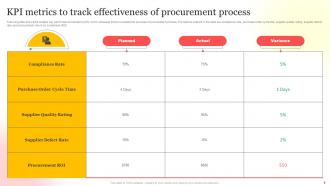
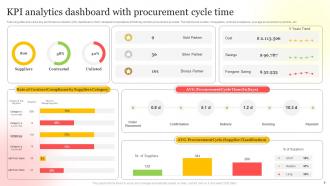
Honestly, procurement templates are a lifesaver for tracking supplier performance. They give you consistent data fields and metrics across all contracts - no more random spreadsheets everywhere. Build your KPIs right in (delivery times, quality scores, cost stuff). Makes comparing suppliers way easier since you're using the same format for everyone. I'd start with your top 3-5 performance indicators and just build those into your standard docs. Oh, and the uniform reporting? Total game changer for spotting trends. Way better than trying to piece together different formats every quarter.
Honestly, everything's moving toward automation right now - templates with built-in workflows, e-signatures, real-time collab stuff. Cloud platforms are huge because nobody wants to email Word docs back and forth anymore (seriously, who has time for that?). AI's getting into risk assessment and vendor scoring too. Oh, and sustainability clauses are everywhere now - companies are baking ESG criteria right into their standard language. I'd say pick one platform first though. Get your team used to it before you try to overhaul everything at once.
-
Definitely a time saver! Predesigned and easy-to-use templates just helped me put together an amazing presentation.
-
The ease of modifying templates is just superb! Also, the vast collection offers plenty of options to choose from.