


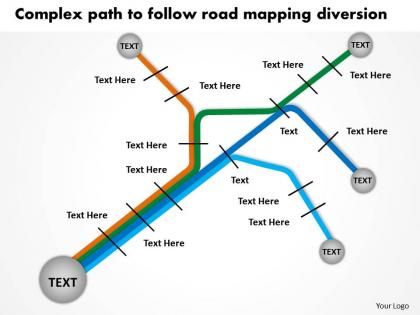
Product roadmap timeline complex path to follow road mapping diversion powerpoint templates slides





Try Before you Buy Download Free Sample Product
 Impress Your
 Audience
 100%
100% Editable
 Save Hours
 of Time


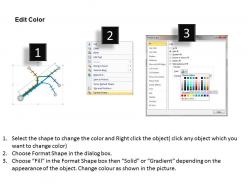
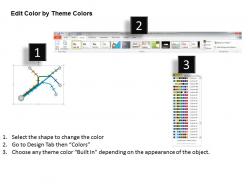
Use our Product Roadmap Timeline Complex Path To Follow Road Mapping Diversion Powerpoint Templates Slides to bullet point your ideas. See them fall into place one by one.
People who downloaded this PowerPoint presentation also viewed the following :
Product roadmap timeline complex path to follow road mapping diversion powerpoint templates slides with all 5 slides:
Did you know that bullet points are not the best way to help you audience retain information. Go the Steve Jobs way and make use of our Product Roadmap Timeline Complex Path To Follow Road Mapping Diversion Powerpoint Templates Slides.
FAQs for Product roadmap timeline complex path to follow road mapping diversion
Start with must-haves vs nice-to-haves - that'll save you so much headache later. Map out clear timeframes and show dependencies between tasks. Honestly, the "why" behind each feature matters way more than people think. Stakeholders need context for your priorities. Buffer time is non-negotiable because stuff always goes sideways. Work backward from your key deadlines to see what's realistic given your team's capacity. Oh, and connect individual features back to bigger strategic themes - otherwise you're just building random stuff. Prioritized milestones help too, but don't overcomplicate it.
So basically, color-coding is your best friend here - like blue for dev work, green for marketing stuff. Progress bars are clutch too since people can instantly see what's done vs. what's still cooking. I'm obsessed with using swimlanes to keep different teams separated, otherwise everything looks like chaos. Icons work great for showing different types of deliverables. Dependencies between features? Timeline bars connecting them do the trick. The whole point is making it so someone can scan it in like 3 seconds and get the gist. Just stay consistent with your colors and shapes or people get confused fast.
Honestly, it's all about juggling a bunch of moving pieces. Your team's bandwidth matters - some stuff is just way more complex to build. Market timing can make or break you, especially for seasonal launches or if competitors are breathing down your neck. Dependencies with other teams? Yeah, those will bite you every time and take forever. Budget obviously plays a role too. User research should guide what you prioritize. Oh, and always add like 20-30% buffer time because something will go sideways. Pro tip: run your timeline past engineering first before you promise anything externally - they'll save you from looking like an idiot later.
Honestly, just bake feedback sessions right into your roadmap - quarterly works pretty well. Present what you're prioritizing and ask what's missing. Surveys are clutch for bigger groups since scheduling gets messy. But here's the thing - you can't chase every suggestion or you'll go in circles. Keep a log of themes and only act on stuff that actually fits your main goals. Oh, and definitely circle back to show people how you used their input. Otherwise they'll think you're just collecting feedback to look good.
Honestly, ProductPlan and Roadmunk are both pretty solid if you want something built specifically for roadmaps. They've got all the visual timeline stuff down pat. Already using Jira? Their roadmap features aren't bad either. But here's the thing - I've watched teams crush it with way simpler tools when they're strapped for cash. Airtable's surprisingly flexible for this stuff. Hell, even Google Sheets works if everyone's disciplined about updating it. The real trick is finding what your team won't abandon after two weeks. I'd start with ProductPlan's free trial, then maybe test Airtable if you need more customization.
Honestly, roadmaps are game-changers for keeping teams aligned. Everyone can see what's coming up, when stuff needs to happen, and why certain things take priority. No more guessing games or people working on conflicting priorities - which happens way more than it should, btw. Teams actually start talking about trade-offs before they become problems. Plus you've got built-in checkpoints for updates. I'd throw yours into weekly standups and see how fast the "wait, I thought we were doing X first" conversations disappear. It's like finally having directions instead of everyone just winging it.
Monthly check-ins are probably your sweet spot for staying on track, but honestly? Save the heavy lifting for quarterly reviews. Those are where you'll actually move things around based on what users are telling you or if the market shifts. Weekly sprint planning should cover the basics - just quick progress updates really. Don't let your roadmap collect dust for half a year though, that's when they become completely pointless. Quarterly deep dives work better than constantly changing direction every few weeks (learned that one the hard way). Set a recurring meeting now or you'll definitely forget about it.
Oh man, timeline optimism is the killer - we always think everything will go perfectly. You'll forget about testing, ignore dependencies, all that fun stuff. Plus don't get too detailed with stuff that's months away because priorities change constantly. I learned this the hard way lol. Buffer time is your best friend, and honestly? Focus on outcomes instead of specific features for anything past next quarter. Stakeholders will definitely move the goalposts on you. Monthly reviews help too - keeps things realistic instead of becoming this rigid plan that makes no sense three months later.
Honestly, treat your roadmap like it's gonna change - because it will. I learned this the hard way lol. Use quarters instead of exact dates and always build in buffer time between big releases. Monthly check-ins work great for reviewing customer feedback and seeing if you need to shift things around. The trick is setting up clear rules for what actually triggers a change, otherwise you'll be bouncing between priorities constantly. When the market moves (spoiler: it always does), you can pivot without completely screwing everything up. Way better than being stuck with some rigid plan that made sense six months ago.
Honestly, you can't build a decent roadmap without figuring out what matters most first. Rank everything by impact and how much work it'll take - the big wins that don't require moving mountains should jump to the front. I've watched teams just wing it with dates and it's painful to see. Nice-to-haves get bumped later while your must-dos drive the timeline. Once you've got that ranking sorted (and been ruthless about it), your sprint planning basically writes itself. Don't let arbitrary deadlines decide your priorities - that's backwards thinking.
Totally depends on who you're talking to. Investors want the big picture stuff - major milestones, revenue impact, where you're headed in the market. They're thinking in quarters and ROI. Your team needs the nitty-gritty though - specific features, what depends on what, actual sprint timelines since they're the ones building it. I've watched way too many PMs bomb presentations because they used the same deck for everyone. Doesn't work. Create two different views of your roadmap. Investors care about outcomes, your devs care about deliverables. Oh, and investors honestly don't need to know about every technical dependency.
Track delivery stuff first - completion rates, scope creep, estimate accuracy. The estimate thing will probably sting but it's super helpful for next time. Then look at impact: did your features actually move business metrics and get adopted? Team velocity matters too because burning people out defeats the whole point. Honestly, I'd skip the fancy dashboards at first. Pick maybe 3-4 metrics so you don't drown in data - you can always add more later once you get the hang of it.
Dude, timelines are seriously underrated for risk management. You'll catch resource conflicts and unrealistic deadlines way before they bite you. Dependencies between features become super obvious too - no more "wait, we can't ship without testing?" panic moments. I swear, half the disasters I've seen could've been avoided with a decent visual timeline. Your whole team gets it instantly when something's about to go sideways. Build in buffers where things look dicey. Oh and definitely review it weekly with everyone - flag weird stuff early before it tanks your whole launch date.
Honestly, weekly or bi-weekly updates are your sweet spot here. Don't sugarcoat delays - people always figure it out anyway and then you just look sketchy. Quick status reports work great: what's moving, what's stuck, and actually explain why things are behind. Charts and progress bars are clutch because nobody wants to read paragraph after paragraph of updates (learned that the hard way). Oh, and always throw in what you're doing next plus realistic timelines when stuff goes sideways. Trust me, stakeholders would rather know early than get blindsided later.
Having a solid timeline means you can actually plan where to put people and money instead of just winging it. You'll know exactly when you need that front-end dev or when to loop in the design team. Honestly, the worst projects I've seen are ones where everyone's scrambling for resources at the last second. Look for bottlenecks early too - like if everything's hitting QA simultaneously, that's gonna be messy. Just don't set it and forget it though. Check in weekly and move things around when priorities inevitably change.
-
Innovative and attractive designs.
-
Innovative and attractive designs.