


Product Sales Pitch Powerpoint Ppt Template Bundles




Try Before you Buy Download Free Sample Product
 Impress Your
 Audience
 100%
100% Editable
 Save Hours
 of Time


Our Product Sales Pitch Powerpoint Ppt Template Bundles are topically designed to provide an attractive backdrop to any subject. Use them to look like a presentation pro.
People who downloaded this PowerPoint presentation also viewed the following :
Product Sales Pitch Powerpoint Ppt Template Bundles with all 16 slides:
Use our Product Sales Pitch Powerpoint Ppt Template Bundles to effectively help you save your valuable time. They are readymade to fit into any presentation structure.





FAQs for Product Sales Pitch Powerpoint
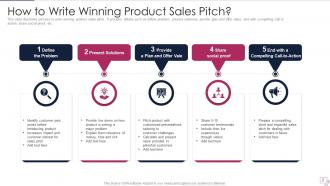
Okay so you want four things: the problem you're solving, actual benefits (not just features - I always screw this up at first), some social proof, and a clear next step. Start by hitting them with a pain point they recognize, then show how your product fixes it. Don't just say "our software has X feature" - explain how X makes their Tuesday mornings way less stressful, you know? Throw in a testimonial or case study so they trust you're not full of it. Then give them something concrete to do right now - book a call, try the free version, whatever. Oh and write like you're talking to them, not AT them.
Honestly, I just keep 3-4 different versions of my pitch ready to go - saves me tons of time. The trick is swapping out the pain points and examples for each crowd. IT people want to hear about technical specs and integration headaches. But executives? They're all about ROI and big picture stuff. Before any meeting, I stalk their industry blogs and LinkedIn feeds to figure out what's actually keeping them up at night. Don't just guess what they care about - do the homework. Then I tweak my opening hook and pick case studies that'll resonate. Your core value stays the same, but everything else gets tailored.
Honestly? Start with questions right away - get them talking instead of just dumping info on them. Stories work way better than feature lists because nobody remembers boring bullet points anyway. I learned this the hard way after putting people to sleep with specs for like... forever. Focus on their actual problems and show how you fix them specifically. Demos are clutch - people need to *see* it working. But here's the thing: listen to what they're actually saying and pivot your pitch based on their responses. Don't just stick to your script if they're clearly interested in something totally different.
Dude, visuals are everything when it comes to how people see your product. Like, they're literally doing half the work for you. I've watched decent products look incredible just because they had killer visuals - and amazing products tank with crappy photos. People judge stuff in seconds based on what they see first, way before reading anything. Clean graphics and quality images instantly make your product feel more valuable and trustworthy. Just make sure your visuals actually match what you're selling, you know? Maybe start by looking at what you've got now - does it make your product look as good as it really is? That's usually the best place to start.
Dude, stories are like magic for pitches. People's brains just eat that stuff up way more than boring feature lists. I learned this the hard way after years of rambling about specs nobody cared about. When you share how your product actually helped someone, prospects can picture themselves in that situation. That's when they start nodding along instead of checking their phones. Just make sure it's quick and hits their specific problems. Next time, try starting with a real customer example instead of your usual spiel - you'll see the difference immediately.
Pick 2-3 features that actually matter to your customers - seriously, nobody wants a laundry list of everything you do. Start with what it does for them, then mention the feature. So instead of "we have integration capabilities," try "Cut setup time in half with our one-click integration." Throw in real numbers or customer quotes when you can. Oh, and here's what I'd do - make a few different versions focusing on different selling points. That way you can switch it up based on what each prospect cares about most. Test different angles with different people and see what sticks.
Honestly? Most people just drone on about features when they should focus on benefits instead. Don't be that guy who lists every spec - nobody cares about your product's bells and whistles if it doesn't solve their problem. Listen more than you talk, and actually figure out what's bugging them before pitching anything. Being pushy is the fastest way to kill a deal. Oh, and definitely have 2-3 solid examples ready of how you've helped similar customers. Makes everything feel less theoretical, you know? Keep it conversational and show them how their life gets easier.
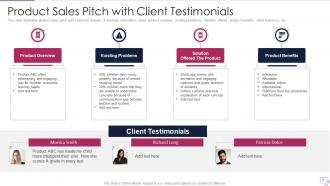
Don't just slap testimonials at the end - that's lazy. Weave them in naturally when they actually match what you're talking about. Got a prospect worried about implementation? Pull up Sarah from TechCorp who had the same fear. Real names and companies only - nobody trusts "anonymous satisfied customer" BS. Video ones are gold if you have them. The trick is timing it right. When you hit a pain point, boom - here's how we solved this exact thing for someone just like you. Skip the generic "customers love us" fluff. Show them the specific win that mirrors their situation. Makes it way more believable.
Okay so here's what works: grab them with a problem they actually feel - maybe a wild stat or question that makes them go "oh shit, that's us." Then explain how you fix that exact thing. Most people totally bomb this part because they just list features instead of showing what changes for the customer. After that, throw in some proof - case studies work great if they're relatable. Oh and definitely do a demo if you can swing it. At the end, don't just say "thanks for your time" - ask for something real. A trial period, another meeting, whatever makes sense. Keep it loose and conversational throughout. They should feel comfortable jumping in with questions.
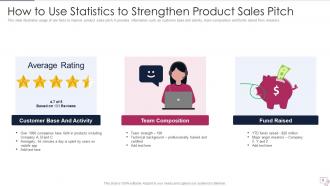
Find numbers that actually match what your prospect is dealing with - like "23% faster processing times" instead of random industry stats. I dig around for case studies or ROI data that mirrors their specific mess. Third-party research works great too. Honestly, generic stats just sound like BS these days. You want numbers that feel like they're talking about *their* company, not some Fortune 500 situation that doesn't apply. Keep 2-3 rock-solid stats in your back pocket. When they hit you with "yeah but does this actually work?" you'll have real proof ready to go.
Here's what works for me - actually listen first, don't just wait to jump in with your response. Then try that "feel, felt, found" thing: "I get how you feel, other people have felt the same, but here's what they discovered." Super cheesy name but it actually works lol. The key is treating objections like questions you can solve, not walls blocking your path. Stay curious instead of getting all defensive (way harder than it sounds tbh). And sometimes? Just agree with part of what they're saying. Builds way more trust and lets you dig into what's really bothering them underneath all that.
Dude, your CTA has to actually tell people what to do. Skip the weak "learn more" garbage - use strong verbs like "Get" or "Claim." Be specific too. Instead of boring "contact us," try something like "Book your free 15-minute demo this week." Honestly, generic CTAs make me want to scream because they're conversion killers. Put it right after you've hit them with your biggest benefit. Create urgency somehow - limited spots, early bird pricing, whatever fits. Oh, and definitely test different button colors and copy. You'd be surprised how much that stuff matters for clicks.
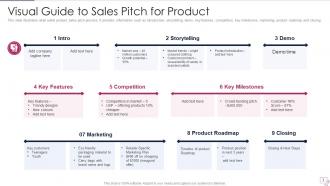
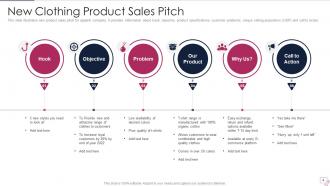
Skip the company history intro - nobody cares how you started in your garage. Jump straight into their problem, then hit them with your solution and some solid proof it works. I'd structure it simple: pain point, how you fix it, real results, what's next. Tell a story they can actually picture themselves in, you know? Social proof is huge here. And honestly, make it scannable - bullet points, white space, the works. People skim everything these days. Build around one strong message first, then add the extras. Way too many pitches try to cram everything in and end up saying nothing.
Honestly, your tone can totally make or break a pitch. I've watched great products tank just because someone sounded like a robot reading a script - it's painful to see. Your voice builds way more trust than whatever fancy words you're using. Match the room's energy but don't fake it, people can tell. Most B2B stuff works well with conversational and upbeat, though you'll want to read the audience. Oh, and definitely practice out loud beforehand so you don't sound rehearsed when it matters. The emotional connection is what actually closes deals.
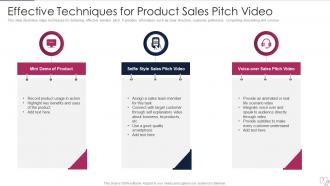
Dude, live polls and screen sharing are game changers for getting people engaged. Video testimonials work way better than text quotes - there's something about seeing real faces that just clicks with people. If you can bring actual samples or props, do it. I always use a whiteboard to sketch out ROI stuff on the fly, honestly it makes me look way more prepared than I actually am lol. Charts help turn boring data into something that actually tells a story. But seriously, don't go overboard - pick like 2 tools max or you'll just confuse everyone including yourself.
-
Great quality slides in rapid time.
-
Best Representation of topics, really appreciable.