


Rebrand powerpoint presentation slides




Try Before you Buy Download Free Sample Product
 Impress Your
 Audience
 100%
100% Editable
 Save Hours
 of Time


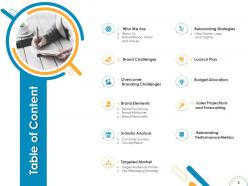
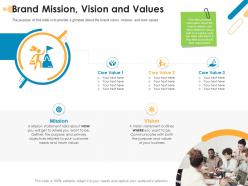
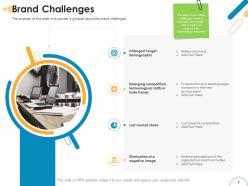
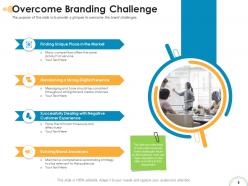
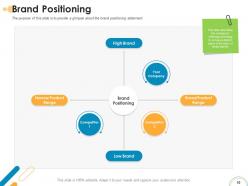
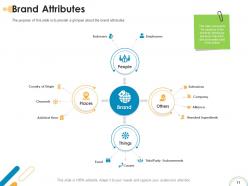
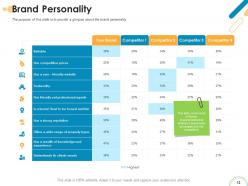
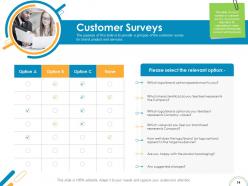
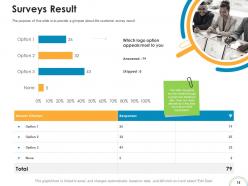
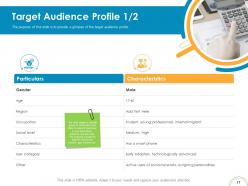
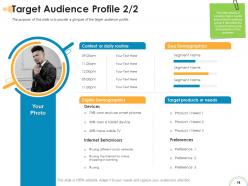
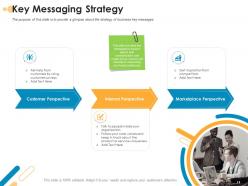
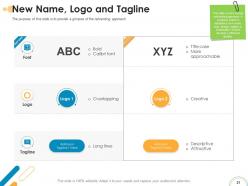
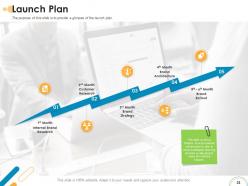
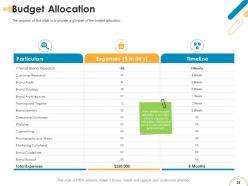
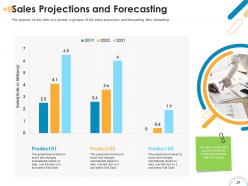
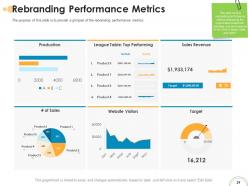
Discuss the rebranding process by using Rebrand PowerPoint Presentation Slides. Describe the company overview with mission, vision, and goals using this readily available presentation. The presentation well explains the significant challenges faced by the brand in the market and discusses the solutions to overcome them. Depict brand positioning elements with the aid of our topic-specific rebranding strategy PPT themes. Represent the attributes of the brand by taking the assistance of this rebranding project plan PowerPoint template. It is also possible to display customer surveys that are important for rebranding to connect with the brand emotionally. The presentation also provides the graphs and statistical data for the survey result. Take the aid of the company rebranding PPT infographics to present the target audience profile. Showcase the critical messaging strategy by utilizing this easy-to-use PPT presentation. Demonstrate budget allocation, launch plan, sales projections, and forecasting in detail with the help of our content-ready rebranding approach PowerPoint slideshow.
People who downloaded this PowerPoint presentation also viewed the following :
Rebrand powerpoint presentation slides with all 38 slides:
Use our Rebrand Powerpoint Presentation Slides to effectively help you save your valuable time. They are readymade to fit into any presentation structure.




FAQs for Rebrand
Honestly, you'll know when your brand just isn't working anymore. Like when customers aren't engaging or your logo looks like it's from 2010 (we've all been there). Watch for when your actual business doesn't match what your brand says you do. If competitors keep beating you on recognition, that's a red flag. Your team being embarrassed to share your marketing stuff? Yeah, time for a change. Major business shifts usually mean rebranding too. But the biggest sign? When your brand starts holding you back instead of helping you grow. That's when you know it's time to start fresh.
Look, market research is basically your safety net before you blow money on a rebrand that tanks. Test your messaging and visuals with actual customers first - not just what your team thinks looks cool. I've watched companies rebrand based on "we love this direction!" energy, then act shocked when nobody gets it. Honestly, most brands have zero clue how people actually see them. Run some focus groups or surveys early on. You'll catch weird disconnects between what you're going for and what people are actually picking up. Way better than finding out after you've already printed everything.
Look, you can't just throw a new logo up and expect people to get it - your story is what makes the whole rebrand make sense. People need to understand the "why" behind your change, otherwise it'll feel totally random. Honestly, I've watched so many companies mess this up by treating storytelling like some afterthought. Your narrative should connect the dots between who you were and who you're becoming. Makes the transition way less jarring for your audience. Oh, and start working on this story from day one of the rebrand, not when you're already launching.
Honestly, get out in front of this before your customers hear it from someone else first. Have leadership send a personal email explaining the rebrand - but focus on what's in it for them, not your internal business stuff. I've watched companies completely mess this up by being way too vague. Hit multiple channels: email, social, website, even throw it in email signatures. Your customer service team needs to know what's happening so they don't sound clueless when people call. Really though, the whole thing is about making customers feel like they're part of the story instead of getting hit with random changes out of nowhere.
Don't rush it - that's the biggest mistake I see. Get your team on board first before changing anything customer-facing. Seriously, I've watched companies rebrand just because they got tired of their logo (terrible reason). Make sure you're actually fixing a real problem. Test everything with actual customers first, not just your internal team. Rolling out changes gradually works way better than shocking everyone at once. Oh, and communicate clearly about what's changing and why - people hate surprises when it comes to brands they know. Start internal, then slowly introduce changes to customers.
First thing - update all your social profiles with the new look and messaging. Then map out a content calendar that keeps pushing your repositioned brand values. Behind-the-scenes content works amazing here, like showing people WHY you rebranded. I'd mix in posts about what's changing versus what's staying the same so you don't freak out your current followers. Actually engage when people comment or ask questions about the changes - don't just post and ghost. Oh, and this part sucks but you gotta be patient. Takes forever for new branding to actually stick in people's heads.
Honestly, rebranding is super risky for loyalty. Some customers will love it if they think it matches their values better. But you'll definitely lose others who were attached to the old brand - I've watched companies crash and burn because they just dropped a rebrand out of nowhere with zero explanation. Communication is everything here. You need to tell people WHY you're doing it, and the change has to actually make their experience better, not just look cooler. Getting customers involved early helps too. Otherwise you're basically gambling with your fanbase.
You gotta measure both the hard numbers and the fuzzy stuff to really know if it's working. Brand awareness surveys are clutch - plus social media sentiment and how customers actually perceive you now. Sales and market share matter too, obviously, but that takes forever to move. Some companies get weirdly obsessed with logo recognition tests. Like, sure, but you're kinda missing the bigger picture? Anyway, measure everything before you rebrand so you have something to compare against. Then track it for at least 6 months after launch. Maybe set up a simple dashboard with your top 3-5 metrics so you don't get overwhelmed with data.
So yeah, logo's just the start obviously. You'll want to figure out your colors, fonts, and general vibe too. Pro tip: that bright neon might pop on your laptop but look like garbage when printed on actual business cards (learned this the hard way). Pick typography that matches your personality—sleek and minimal or cozy and friendly, whatever. Don't forget about your photo style, icons, even how much white space you use. Everything should feel connected, like it's all from the same world. Create a style guide so your team doesn't go rogue later.
So basically, rebranding helps you stand out by changing how people see you vs your competition. Look at Airbnb - they went from "cheap couch surfing" to "belong anywhere" which sounds way different than boring hotel chains. You can totally shift your messaging, target different people, or highlight whatever makes you special. Maybe that's being eco-friendly, super innovative, or just having amazing customer service. The main thing though? Don't just follow trends - your rebrand needs to actually match what your business is really about. Otherwise people will see right through it.
First thing - do a trademark search before you fall in love with anything. Seriously, I've seen companies get hit with cease and desist letters that cost them thousands. Check if the domain's available too, plus Instagram/Twitter handles. Your contracts and licenses will all need updates with the new name. Pain in the ass but necessary. Oh, and if you're in something like finance or healthcare, you might need regulatory approval first - that can take forever. Get your lawyer involved early. Trust me on this one.
Honestly, cultural trends are like your cheat sheet for not looking totally out of touch during a rebrand. Look at what people actually care about right now - sustainability, authenticity, that whole inclusivity thing. Patagonia nailed it with their environmental stance, but plenty of brands have crashed and burned trying to hop on every trend (yikes). Here's the thing though: you can't fake it. Research what your audience genuinely gives a damn about first. Then build your rebrand around trends that actually match your values. Don't just chase whatever's trending on Twitter this week - that's how you end up looking desperate.
Look at Apple - they went from just computers to this whole lifestyle thing. Brilliant. Old Spice totally flipped from dad deodorant to millennial must-have with those insane commercials (still quote them tbh). Airbnb ditched the creepy "sleep at strangers' places" thing for "belong anywhere." McDonald's cleaned up their act - better ingredients, nicer stores. Dunkin' dropped "Donuts" to go after Starbucks with drinks. They all figured out what sucked about their image, found what made them special, then went all-in on changing everything.
Get leadership on board first, then work your way down through the company. Run workshops and send surveys to keep everyone updated. I literally watched a rebrand crash and burn because staff heard about it from customers - so embarrassing. Your team needs to get the reasoning behind it, not just see pretty new logos. Show them design concepts early and actually listen to their input. Oh, and train everyone before launch so they don't look clueless when customers ask questions. Makes them way better brand ambassadors when they're not caught off guard.
Think of presentation templates as your safety net during a rebrand. Everyone on your team needs to use the same colors, fonts, logo placement - you know the drill. Otherwise you'll have marketing doing one thing while sales does something completely different, and that just looks sloppy. Honestly, I've seen companies totally botch their rebrand because nobody was on the same page visually. Templates keep everything looking intentional instead of thrown together. I'd start with maybe 3-4 basic versions first, then add more as you figure out what else you need. Way easier than trying to create everything upfront.
-
nice ppt
-
Best Representation of topics, really appreciable.
-
Awesome presentation, really professional and easy to edit.
-
Unique and attractive product design.