


Rise in prices of fuel costs in logistics company case competition powerpoint presentation slides




Try Before you Buy Download Free Sample Product
 Impress Your
 Audience
 100%
100% Editable
 Save Hours
 of Time


Design an engrossing presentation with our rise in prices of fuel costs in logistics company case competition PowerPoint presentation slides. This inflation PPT deck holds different divisions such as- past fuel trends and impacts, problems and respective recommendations, SWOT analysis, company KPI’s etc. The SWOT scanning helps the viewers in coming out with a definite conclusion regarding the concerned areas, incorporating this PowerPoint layout will give you a heads up regarding the important data. To become successful in a business, it is quite essential to understand the competitors which is clearly and graphically showcased in this cost escalation PPT bundle. This inflationary pressure PowerPoint design assists you in forming strategies and later on, implementing them effectively and efficiently in the organization. Giving you a clear image of the increasing and decreasing numbers of your KPI metrics, this swelling cost PPT deck gives in-depth information about the company profile. Assimilate it instantly to ensure smooth running of your business.
People who downloaded this PowerPoint presentation also viewed the following :
Content of this Powerpoint Presentation
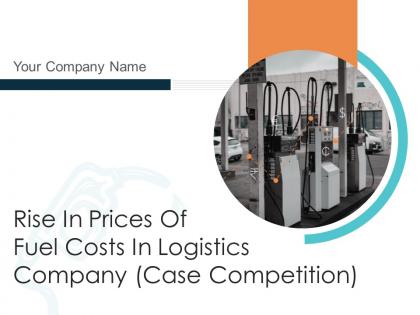
Slide 1: This slide introduces Rise In Prices Of Fuel Costs In Logistics Company. State Your Company Name and begin.
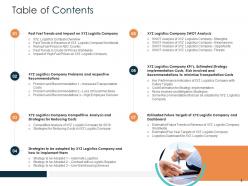
Slide 2: This slide shows Table of Content for the presentation.
Slide 3: This slide presents Table of Content highlighting Impact of High Fuel Prices on XYZ Logistic Company.
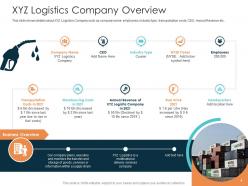
Slide 4: This slide shows details about XYZ Logistics Company such as company name, employees, industry type, transportation costs, CEO, Annual Revenue etc..
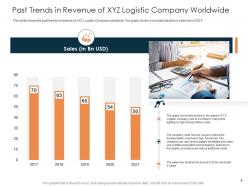
Slide 5: This slide displays the past trends in revenue of XYZ Logistic Company worldwide.
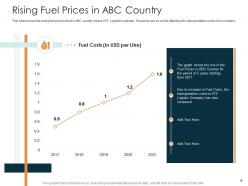
Slide 6: This slide represents the rising fuel prices trend in ABC country where XYZ Logistics operate.
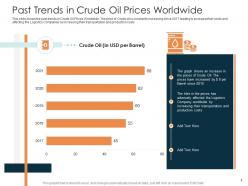
Slide 7: This slide shows Past Trends in Crude Oil Prices Worldwide.
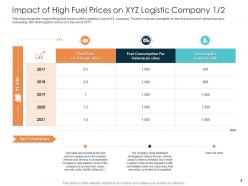
Slide 8: This slide presents Impact of High Fuel Prices on XYZ Logistic Company.
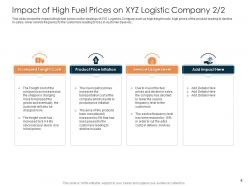
Slide 9: This slide shows the impact of high fuel prices on the dealings of XYZ Logistics Company such as high freight costs, high prices of the product, etc.
Slide 10: This slide displays Table of Content for the presentation.
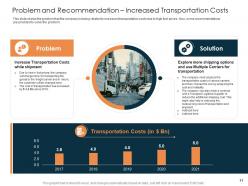
Slide 11: This slide represents the problem that the company is facing related to increased transportation costs due to high fuel prices.
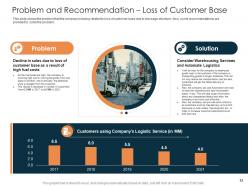
Slide 12: This slide shows the problem that the company is facing related to loss of customer base due to low wage structure.
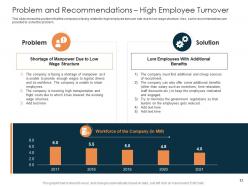
Slide 13: This slide presents Problem and Recommendations – High Employee Turnover.
Slide 14: This slide shows Table of Content for the presentation.
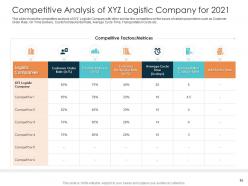
Slide 15: This slide displays Competitive Analysis of XYZ Logistic Company for 2021.
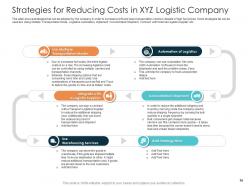
Slide 16: This slide represents strategies that can be adopted by the company in order to increase profit and keep transportation cost low.
Slide 17: This slide shows Table of Content for the presentation.
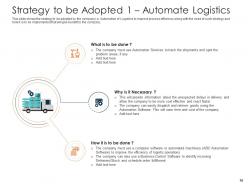
Slide 18: This slide presents the strategy to be adopted by the company i.e. Automation of Logistics to improve process efficiency along with the need of such strategy.
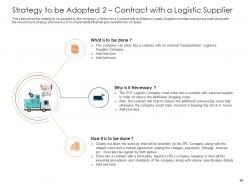
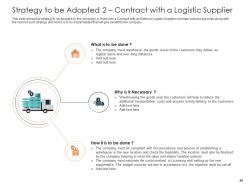
Slide 19: This slide shows the strategy to be adopted by the company i.e. Enter into a Contract with an External Logistic Supplier.
Slide 20: This slide displays Strategy to be Adopted 2 – Contract with a Logistic Supplier.
Slide 21: This slide represents Table of Content for the presentation.
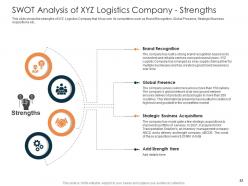
Slide 22: This slide shows the strengths of XYZ Logistics Company that it has over its competitors such as Brand Recognition, Global Presence, Strategic Business Acquisitions etc..
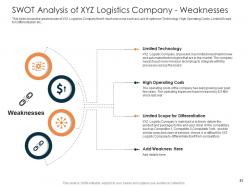
Slide 23: This slide presents the weaknesses of XYZ Logistics Company that it must overcome such as Lack of optimum Technology, High Operating Costs, Limited Scope for Differentiation etc..
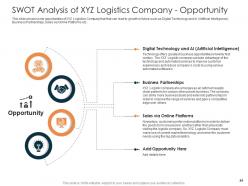
Slide 24: This slide shows SWOT Analysis of XYZ Logistics Company - Opportunity.
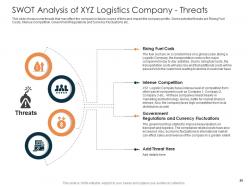
Slide 25: This slide displays some threats that may effect the company in future course of time and impact the company profits.
Slide 26: This slide represents Table of Content for the presentation.
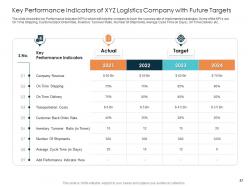
Slide 27: This slide shows Key Performance Indicators of XYZ Logistics Company with Future Targets.
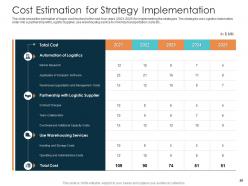
Slide 28: This slide presents Cost Estimation for Strategy Implementation.
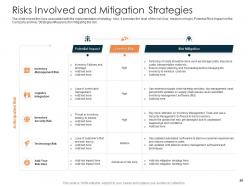
Slide 29: The slide shows the risks associated with the implementation of strategy.
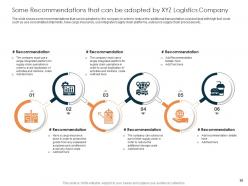
Slide 30: This slide displays Some Recommendations that can be adopted by XYZ Logistics Company.
Slide 31: This slide represents Table of Content for the presentation.
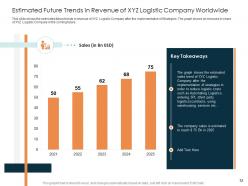
Slide 32: This slide shows Estimated Future Trends in Revenue of XYZ Logistic Company Worldwide.
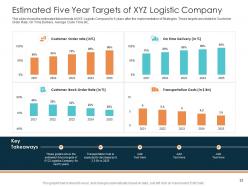
Slide 33: This slide presents Estimated Five Year Targets of XYZ Logistic Company.
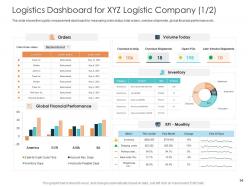
Slide 34: The slide shows the logistic measurement dashboard for measuring order status, total orders, overdue shipments, global financial performance etc..
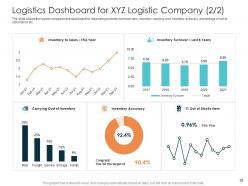
Slide 35: The slide displays the logistic measurement dashboard for measuring inventory turnover ratio, inventory carrying cost, inventory accuracy, percentage of out of stock items etc..
Slide 36: The slide represents Rise in Prices of Fuel Costs in Logistics Company (Case Competition) Icons.
Slide 37: This slide is titled as Additional Slides for moving forward.
Slide 38: This is Our Mission slide with related imagery and text.
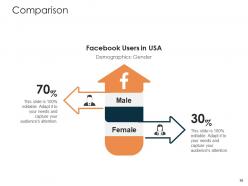
Slide 39: This is a Comparison slide to state comparison between commodities, entities etc.
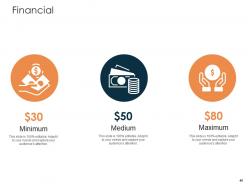
Slide 40: This is a Financial slide. Show your finance related stuff here.
Slide 41: This slide represents 30 60 90 Days Plan with text boxes.
Slide 42: This slide shows Circular Process with related icons and text.
Slide 43: This is a Timeline slide. Show data related to time intervals here.
Slide 44: This slide shows Venn diagram with text boxes.
Slide 45: This is an Idea Generation slide to state a new idea or highlight information, specifications etc.
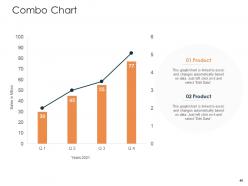
Slide 46: This slide represents Combo chart with two products comparison.
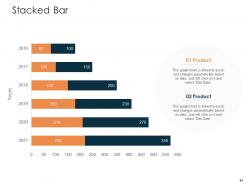
Slide 47: This slide displays Stacked Bar chart with two products comparison.
Slide 48: This is a Thank You slide with address, contact numbers and email address.
Rise in prices of fuel costs in logistics company case competition powerpoint presentation slides with all 48 slides:
Use our Rise In Prices Of Fuel Costs In Logistics Company Case Competition Powerpoint Presentation Slides to effectively help you save your valuable time. They are readymade to fit into any presentation structure.



FAQs for Rise in prices of fuel costs in logistics company case competition
Primary factors driving recent fuel cost increases include global supply chain disruptions, geopolitical tensions affecting oil-producing regions, fluctuating crude oil prices, increased transportation demand, and refinery capacity constraints. These interconnected challenges create market volatility by limiting supply availability, escalating production costs, and intensifying competition for resources, with many industries finding that strategic fuel management and alternative energy investments increasingly deliver operational resilience and cost stability.
Crude oil price fluctuations directly impact local fuel prices through refinery costs, transportation expenses, and market speculation, with increases typically passed to consumers within days. These price changes affect operational costs across industries like logistics, manufacturing, and retail, ultimately influencing consumer spending patterns and forcing businesses to adjust pricing strategies to maintain profitability.
Geopolitical tensions significantly impact fuel prices through supply disruptions, trade sanctions, strategic reserve releases, and market speculation. These factors create volatility in global energy markets, with conflicts in oil-producing regions, international sanctions, and diplomatic disputes often resulting in immediate price spikes, ultimately affecting transportation costs, operational expenses, and competitive positioning across industries.
Fuel cost increases significantly reshape consumer behavior by reducing discretionary spending, encouraging bulk purchasing, shifting transportation choices toward public transit or carpooling, and prioritizing local businesses over distant alternatives. These changes ripple through retail, hospitality, and e-commerce sectors, with many businesses finding that consumers increasingly value convenience, proximity, and cost-efficient delivery options to offset rising mobility expenses.
Rising fuel costs significantly impact logistics through increased operational expenses, higher shipping rates, route optimization pressures, reduced profit margins, and accelerated adoption of fuel-efficient technologies. Many transportation companies are responding by implementing dynamic pricing models, investing in electric vehicle fleets, and leveraging AI-powered route planning, ultimately driving industry-wide efficiency improvements while maintaining competitive service levels.
Businesses can mitigate fuel cost impacts through route optimization software, fleet electrification, remote work policies, strategic supplier partnerships, and fuel hedging contracts. These approaches streamline operations by reducing unnecessary travel, automating delivery planning, and securing predictable energy costs, with many logistics companies and retail chains finding that strategic combinations of digital tools and alternative energy sources ultimately deliver significant cost savings while enhancing operational efficiency.
Fuel cost increases drive inflation across sectors by elevating transportation expenses, production costs, and supply chain operations. Manufacturing, retail, and food industries experience significant price pressures as higher logistics costs get passed to consumers, while airlines, shipping companies, and delivery services face compressed margins, ultimately creating economy-wide inflationary momentum with cascading pricing effects.
Fluctuating fuel costs accelerate alternative energy adoption by making renewable sources more economically competitive, reducing carbon emissions, decreasing air pollution, and minimizing environmental degradation from fossil fuel extraction. These market dynamics enable utilities, manufacturers, and transportation companies to justify strategic investments in solar, wind, and electric technologies, ultimately delivering cleaner operations and enhanced sustainability credentials.
Government policies significantly influence fuel pricing through taxation levels, import duties, subsidies, environmental regulations, and strategic reserve management. These regulatory frameworks create both market stability and price volatility, with many countries finding that balancing consumer protection with environmental goals ultimately delivers more predictable energy costs and enhanced energy security in an increasingly complex global market.
The correlation between fuel costs and fuel company stock performance is complex and varies by company type, with integrated oil companies often benefiting from higher prices while refiners may face margin pressure. Through market dynamics, upstream producers typically see improved profitability during price increases, transportation companies experience cost pressures, and downstream operators navigate changing demand patterns, ultimately delivering mixed sector performance with investors increasingly analyzing operational efficiency and strategic positioning.
Consumers can adapt to rising fuel prices by consolidating trips, using public transportation, carpooling, maintaining vehicles for optimal efficiency, and exploring remote work options. These strategies streamline daily routines while reducing fuel dependency, with many households finding that combining multiple approaches delivers significant cost savings, enhanced budgeting flexibility, and ultimately greater financial resilience in an increasingly expensive energy environment.
Emerging technologies to combat rising fuel costs include electric and hybrid vehicles, advanced fuel management systems, route optimization software, autonomous driving technology, and alternative fuel solutions like hydrogen and biofuels. These innovations streamline operations by reducing consumption, optimizing logistics, and minimizing waste, with many transportation companies finding that strategic technology adoption delivers significant cost savings and competitive advantage.
Seasonal changes significantly influence fuel pricing through shifting demand patterns, refinery maintenance schedules, and weather-related supply disruptions that create predictable volatility cycles. Winter heating demands and summer driving seasons drive consumption peaks, while spring refinery maintenance reduces production capacity, with many energy companies finding that strategic inventory management and flexible sourcing arrangements help minimize seasonal cost impacts.
OPEC influences fuel prices by coordinating production levels among member countries, controlling roughly 40% of global oil supply through production cuts or increases. While OPEC aims to stabilize markets and support member economies, their decisions can exacerbate price volatility, with production cuts often leading to higher fuel costs for consumers and businesses worldwide.
Communities can better prepare for fuel cost hikes through strategic planning, diversified transportation options, bulk purchasing cooperatives, emergency funds, and local energy initiatives. Many municipalities find success by establishing shared transportation systems, supporting remote work policies, and investing in renewable energy infrastructure, ultimately delivering greater economic resilience and reduced dependency on volatile fuel markets.
-
Design layout is very impressive.
-
Awesome presentation, really professional and easy to edit.
-
It saves your time and decrease your efforts in half.
-
Appreciate the research and its presentable format.
-
Top Quality presentations that are easily editable.
-
Great experience, I would definitely use your services further.
-
Informative presentations that are easily editable.
-
Awesome presentation, really professional and easy to edit.
-
Presentation Design is very nice, good work with the content as well.