


Rock concert music powerpoint templates and powerpoint backgrounds 0211





Try Before you Buy Download Free Sample Product
 Impress Your
 Audience
 100%
100% Editable
 Save Hours
 of Time


Take the lead in the race. Our Rock Concert Music PowerPoint Templates And PowerPoint Backgrounds 0211 help leave the field behind.
People who downloaded this PowerPoint presentation also viewed the following :
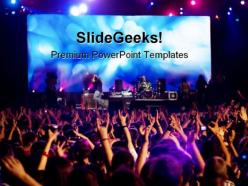
Rock concert music powerpoint templates and powerpoint backgrounds 0211 with all 3 slides:
Lay out the red carpet for your audience. Applaud them with our Rock Concert Music PowerPoint Templates And PowerPoint Backgrounds 0211.
FAQs for Rock concert music powerpoint templates and
Rock concert music is defined by powerful electric guitar riffs, driving drum beats, prominent bass lines, dynamic vocals, and high-energy amplification that creates an immersive sonic experience. These elements combine to deliver the raw intensity and emotional connection that distinguishes live rock performances from studio recordings, with many venues finding that strategic sound engineering and audience interaction ultimately enhance the authentic rock concert atmosphere.
Stage design and lighting dramatically transform rock concerts by creating immersive environments, amplifying emotional connections, and enhancing visual storytelling through synchronized effects. These elements work together to elevate audience engagement, with many venues finding that strategic lighting design and dynamic stage configurations ultimately deliver more memorable experiences and stronger artist-audience connections.
Audience dynamics significantly influence rock performances through energy exchange, crowd participation, and collective atmosphere creation, with performers feeding off audience enthusiasm to elevate their delivery. This symbiotic relationship enhances live experiences by amplifying emotional intensity, encouraging spontaneous musical moments, and creating memorable connections, with many artists finding that responsive crowds inspire their most powerful and authentic performances.
Technology has revolutionized live rock concert production through advanced sound systems, LED video walls, digital mixing consoles, automated lighting rigs, and live streaming capabilities. These innovations enable venues to deliver immersive audio experiences, dynamic visual spectacles, and broader audience reach, while streamlining operations and reducing setup costs, ultimately enhancing fan engagement and creating new revenue streams.
Common misconceptions about rock music include that it's purely aggressive noise, lacks musical complexity, promotes only rebellion, appeals solely to young audiences, and requires minimal technical skill. These misconceptions overlook rock's diverse subgenres, sophisticated compositions, and broad cultural impact, with many industries leveraging rock's emotional resonance for marketing campaigns, ultimately demonstrating its versatility and enduring commercial appeal.
Different rock subgenres create distinct concert atmospheres through unique performance styles, audience interactions, and venue choices, with punk shows featuring raw energy and intimate spaces, metal concerts delivering powerful sound systems and theatrical elements, and indie performances emphasizing artistic expression and creative staging. These subgenres ultimately shape audience expectations and engagement levels, with many venues finding that tailoring sound engineering, lighting design, and crowd management strategies to each genre's characteristics enhances the overall concert experience and artist-audience connection.
A successful rock concert setlist includes strategic song placement, dynamic tempo variations, crowd engagement moments, nostalgic fan favorites, and carefully timed energy peaks and valleys. These components work together by building emotional momentum, maintaining audience attention, and creating memorable experiences, with many artists finding that balancing newer material with classic hits ultimately delivers stronger fan connection and venue satisfaction.
Cultural and regional influences shape rock music performances through distinct musical traditions, local instruments, language variations, audience expectations, and venue characteristics. These elements enable artists to create authentic connections with diverse audiences, with many performers finding that incorporating regional sounds, cultural storytelling, and local musical heritage ultimately delivers more memorable experiences and broader market appeal.
Merchandise sales represent a crucial revenue stream for rock artists, often generating 20-30% of total concert income through t-shirts, posters, vinyl records, and branded accessories. These sales create lasting fan connections while providing higher profit margins than ticket sales, with many touring artists finding that strategic merchandise offerings significantly enhance overall tour profitability and strengthen brand loyalty.
Artist-fan interactions during concerts enhance the rock music experience by creating emotional connection, building shared energy, and fostering memorable moments through call-and-response segments, crowd participation, and direct acknowledgment. These interactions transform passive listening into active participation, with many concertgoers finding that personal recognition from performers creates lasting memories and deeper artistic appreciation, ultimately strengthening fan loyalty.
Historical milestones in rock concert music include Elvis Presley's television appearances, Woodstock 1969, Live Aid 1985, MTV Unplugged series, and stadium rock evolution. These events revolutionized live performance by introducing mass audiences, multi-day festivals, global broadcasting, and acoustic intimacy formats, ultimately delivering transformative cultural experiences and establishing concerts as essential revenue streams for artists worldwide.
Social media significantly enhances ticket sales and concert promotions by enabling direct fan engagement, targeted advertising, real-time updates, and viral content sharing across multiple platforms. Through strategic social campaigns, rock bands streamline promotional costs, reach broader audiences, and create interactive experiences that drive immediate ticket purchases, with many artists finding that authentic social presence delivers stronger advance sales and sold-out venues.
Large rock concerts implement crowd control barriers, professional security personnel, medical stations, emergency evacuation plans, and sound level monitoring systems. These measures work together by managing audience flow, preventing overcrowding, and ensuring rapid emergency response, with many venues finding that comprehensive safety protocols ultimately deliver enhanced attendee experiences while minimizing liability risks.
Studio recordings prioritize controlled perfection through multi-tracking, overdubs, and extensive post-production mixing, while live sound engineering focuses on real-time audio management, crowd dynamics, and venue acoustics. Concert engineers must balance monitor systems, crowd noise, and acoustic challenges, ultimately delivering immediate audience experiences that capture energy and spontaneity rather than studio precision.
**INPUT**: What have been the most memorable rock concert moments in history, and why are they significant? **OUTPUT**: Memorable rock concert moments include Woodstock's cultural revolution, Queen's Live Aid dominance, Hendrix's Woodstock anthem, Led Zeppelin's Madison Square Garden performances, and The Beatles' Shea Stadium breakthrough. These performances revolutionized live entertainment by establishing new production standards, audience engagement models, and venue technologies, ultimately delivering the blueprint for modern concert experiences and transforming music into a scalable global industry.
-
Great designs, really helpful.
-
Great product with effective design. Helped a lot in our corporate presentations. Easy to edit and stunning visuals.