


SaaS Company Metrics Powerpoint Ppt Template Bundles





Try Before you Buy Download Free Sample Product
 Impress Your
 Audience
 100%
100% Editable
 Save Hours
 of Time


Our SaaS Company Metrics Powerpoint Ppt Template Bundles are topically designed to provide an attractive backdrop to any subject. Use them to look like a presentation pro.
People who downloaded this PowerPoint presentation also viewed the following :
SaaS Company Metrics Powerpoint Ppt Template Bundles with all 22 slides:
Use our SaaS Company Metrics Powerpoint Ppt Template Bundles to effectively help you save your valuable time. They are readymade to fit into any presentation structure.

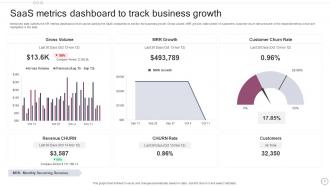


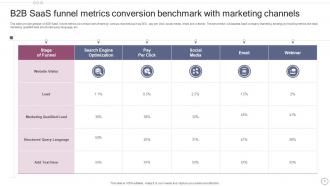
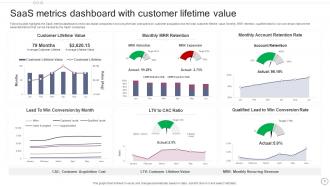
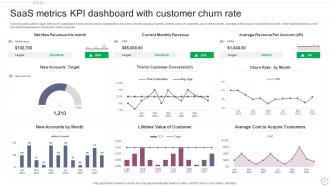










FAQs for SaaS Company Metrics Powerpoint
Focus on MRR, churn rate, and customer acquisition cost first. Your LTV:CAC ratio needs to hit at least 3:1 - customers should be worth way more than what you spend getting them. Net revenue retention is huge too since it shows whether existing customers are actually growing or slowly dying off. ARR growth and gross margins matter obviously. Honestly, I'd stick with these basics before diving into fancy cohort stuff. Those metrics will tell you pretty quickly if you're building something real or just burning money in an expensive way. You'll save yourself a lot of headaches starting here.
Honestly, start tracking your CAC by channel first - you'll be shocked where money's getting wasted. Content marketing and SEO are your friends here, though they're slow burns. Referral programs work great too if you can get them going. The real goldmine? Fix your signup flow. Seriously, I've watched companies slash CAC by 30% just cleaning up their onboarding mess. Why pay for more traffic when half of it's bouncing anyway? Paid ads feel faster but organic stuff saves you tons long-term. Just gotta be patient while you optimize everything else ruthlessly.
So CLV shows you how much you can actually spend on getting and keeping customers, which totally changes your pricing game. Like if your CLV is $10K over three years vs $1K - huge difference in what you can charge and how much you'll throw at acquisition. I always think of it like knowing your budget before hitting the mall, you know? You want to price high enough to max out that CLV but not so crazy that nobody bites. The magic number most people aim for is around 3:1 ratio between CLV and what you spend getting customers. Calculate your current CLV first, then play around with different pricing scenarios.
MRR is just your monthly subscription revenue normalized to monthly amounts. Annual payments get divided by 12 - so $1,200 yearly becomes $100 MRR. Don't include one-time stuff like setup fees or consulting work since that won't repeat. The annoying part is staying consistent with different billing cycles. I always screw this up at first! Track at subscription level, not cash collected, because annual payments make your cash flow look weird. New subs, upgrades, downgrades all count. Honestly, just start with a basic spreadsheet to make sure your math checks out before you try to automate anything.
Honestly, nail your onboarding first - get people to that "aha moment" fast. Don't wait for users to complain; reach out proactively when you spot trouble. I'd track usage patterns religiously to catch at-risk accounts early. Here's the thing though - everyone gets obsessed with adding features, but sometimes just fixing annoying UX stuff makes way more impact. Regular health scoring helps too. Map out where people typically bail in your customer journey, then fix those spots. Oh, and this should be obvious but... make sure your product actually solves what they thought they were buying.
Honestly, most churn happens way before customers actually leave - it's usually poor onboarding or they just don't get how to use your product properly. Bad support is obviously a killer too. What works is watching the early warning signs: usage drops, more support tickets, low engagement. Set up alerts for when those tank and have your team jump on it fast. I've seen too many companies try to win back customers after they've already mentally checked out - way harder than catching issues early. Oh, and price hikes without proper communication? That'll bite you every time. Focus on making customers successful from week one and you'll save yourself tons of headache later.
NPS works because it's basically asking "would you risk your reputation recommending us?" Way more honest than those generic satisfaction surveys. You get a 0-10 score that actually means something - you can track changes over time and see how you stack up against competitors. The breakdown is pretty straightforward: promoters (9-10s), passives (7-8s), and detractors (0-6s). Each group tells you something different about what's working or not. Timing matters though. Hit people right after they finish onboarding or wrap up with support - that's when they'll give you the real deal, not just polite responses.
Runway's just how long your money lasts based on what you're burning each month. Track your burn rate, cash you've got, and MRR growth - that tells you how many months are left. Here's the thing though - most SaaS companies lose money at first while they're building up customers, so you can't just look at current numbers. You need to factor in where revenue's heading too. I check mine monthly and honestly? Keep 12-18 months minimum. Gives you room to breathe if fundraising takes forever or you need to pivot.
So basically cohort analysis tracks customers who joined around the same time and shows how they behave as months go by. Way more useful than overall numbers, which honestly can be super misleading - like if you're growing fast but people are bailing left and right, your main dashboard might still look fine. You'll spot when churn usually hits hardest and which features actually keep people around. Different marketing channels perform totally differently long-term too. The good stuff happens when you figure out why some cohorts crush it while others tank, then just copy whatever worked for the winners.
Dude, usage metrics are a total reality check. They show you what users actually do vs what you think they do. Like, that feature you spent forever building? Probably has garbage adoption rates. Real talk - data doesn't lie like feedback surveys do. You'll see exactly where people bail out or get confused. Track your feature adoption and user flows instead of just listening to whoever yells loudest in meetings. Oh and user flow analytics are clutch for planning sprints. Way better than guessing what matters next.
So gross churn is just what you lose from cancellations and downgrades. Net churn though? That's where it gets interesting - it includes expansion revenue when existing customers upgrade or buy more stuff. Here's an example: lose $10k but existing customers expand by $8k. Your gross churn hits 5% while net churn drops to 1%. Net churn can even go negative if expansion beats your losses, which honestly feels like cheating but in the best way. Both matter, but I'd focus more on net churn for big decisions. Gross shows if you're bleeding customers, net shows where your revenue's actually heading.
Start by tracking your customer acquisition cost (CAC) and lifetime value (LTV) for each marketing channel - paid ads, organic, referrals, whatever you're using. Calculate the LTV/CAC ratio to see which ones actually make money. Most businesses honestly just guess at this stuff, which is crazy when you think about it. Do cohort analysis to watch how customer behavior shifts over time. That'll show you the real patterns. Set up some dashboards so you can catch trends fast and move your budget around. Focus hard on channels with solid unit economics and don't waste time on the losers.
Early on, track if people actually stick around after signing up - activation rates and retention are everything. Don't get distracted by vanity metrics like total signups when you're still figuring out if anyone wants your thing. Once you've nailed product-market fit, then worry about growth stuff: CAC, LTV, monthly recurring revenue. Later stages get all about efficiency - CAC payback periods, net revenue retention, gross margins. Honestly, I see too many founders tracking like 15 metrics from day one. Start with 2-3 core ones per stage and build from there as you grow.
Honestly, upselling and cross-selling are where the real money is in SaaS. Your existing customers already trust you, so they're way easier to convert than chasing new leads all day. You can bump up your ARPU by getting people to upgrade tiers or grab extra features they actually need. Plus, customers using more of your platform stick around longer - better LTV and all that. I'd start by looking at usage data to spot who's hitting limits or might want additional stuff. Way less of a headache than constantly hunting for new customers, trust me.
Don't get obsessed with vanity metrics like total users while your churn rate is through the roof. I learned this the hard way - thought we were killing it until I realized customers were bailing left and right. Also, watch out for wonky comparisons between monthly and annual data without adjusting timeframes. That's just messy math. Seasonal spikes can fool you too - December's revenue bump might be end-of-year budget dumps, not real growth. Build a dashboard showing related metrics side by side so you can actually see what's happening behind the pretty numbers.
-
I am glad to have come across Slideteam. I was searching for some unique presentations and templates for my business. There are a lot of alternatives available here.
-
“I really like the convenient operation and professionalism I saw on the SlideTeam website. I want to express my regards and appreciation to the team.”