


Schedule management plan situation analysis revenue generation performance goals





Try Before you Buy Download Free Sample Product
 Impress Your
 Audience
 100%
100% Editable
 Save Hours
 of Time


Our Schedule Management Plan Situation Analysis Revenue Generation Performance Goals are topically designed to provide an attractive backdrop to any subject. Use them to look like a presentation pro.
People who downloaded this PowerPoint presentation also viewed the following :
Schedule management plan situation analysis revenue generation performance goals with all 35 slides:
Use our Schedule Management Plan Situation Analysis Revenue Generation Performance Goals to effectively help you save your valuable time. They are readymade to fit into any presentation structure.


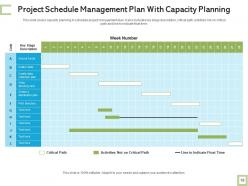
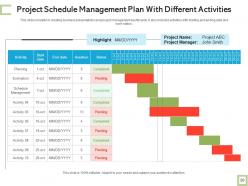
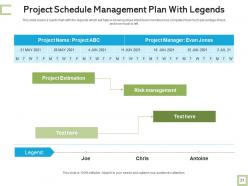
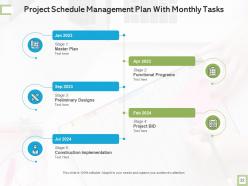

FAQs for Schedule management plan situation analysis revenue
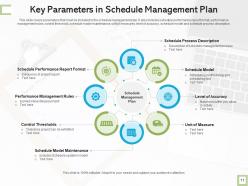
Key components of an effective schedule management plan include schedule model development, activity sequencing, resource allocation, duration estimation, and progress monitoring protocols. These elements work together by establishing clear timelines, identifying critical dependencies, and enabling proactive adjustments, with many organizations finding that comprehensive scheduling ultimately delivers improved project outcomes and enhanced operational efficiency.
Project milestones are determined by identifying key deliverables, critical decision points, stakeholder review requirements, and major phase completions within the project timeline. These strategic markers help project managers track progress, coordinate resources, and communicate achievements to stakeholders, with many organizations finding that well-defined milestones enhance accountability and enable proactive risk management throughout project execution.
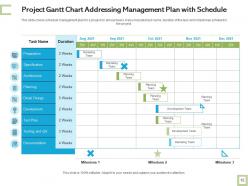
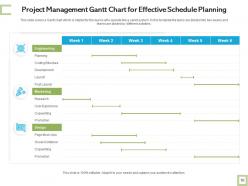
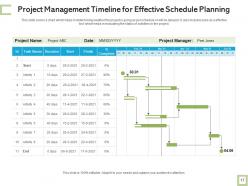
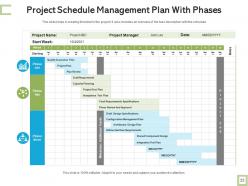
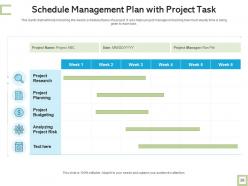
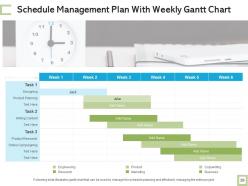
A Gantt chart enhances schedule management plans by providing visual timeline representation, task dependency mapping, resource allocation tracking, progress monitoring capabilities, and milestone identification. Through clear visual formatting, project managers can streamline communication with stakeholders, identify potential bottlenecks early, and optimize resource distribution, ultimately delivering improved project coordination and enhanced team productivity across complex initiatives.
Resource allocation plays a critical role in schedule management by determining task duration, identifying potential bottlenecks, and ensuring optimal workforce distribution across project phases. Through strategic resource planning, organizations streamline project timelines, minimize delays, and enhance overall efficiency, with many project managers finding that proper allocation ultimately delivers faster completion rates and improved budget control.
Project managers can effectively handle schedule changes by implementing real-time monitoring systems, maintaining flexible buffer periods, conducting immediate impact assessments, and establishing clear communication protocols with stakeholders. Through proactive risk management and contingency planning, organizations streamline project delivery while minimizing disruptions, with many finding that transparent stakeholder communication and resource reallocation strategies ultimately maintain project momentum and client satisfaction.
Tools for creating and managing schedule management plans include Microsoft Project, Primavera P6, Asana, Smartsheet, and Monday.com, along with Gantt chart software and resource management platforms. These solutions streamline project planning by automating task dependencies, tracking milestones, and optimizing resource allocation, with many organizations finding that integrated scheduling tools deliver faster project completion and enhanced team collaboration.
Incorporating stakeholder feedback involves establishing regular review cycles, conducting structured feedback sessions, and implementing change control processes to evaluate schedule impacts. Through collaborative planning workshops and milestone reviews, project managers can balance stakeholder expectations with resource constraints and timeline realities, ultimately delivering schedules that align with business priorities while maintaining operational feasibility and team commitment.
Common pitfalls include unrealistic timelines, inadequate resource allocation, insufficient stakeholder input, poor risk assessment, and lack of buffer time for unexpected delays. These oversights often lead to project overruns and missed deadlines, with many organizations finding that thorough upfront planning and regular schedule reviews ultimately deliver better project outcomes and enhanced stakeholder confidence.
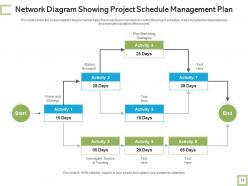
Prioritize tasks by assessing urgency, impact, resource requirements, dependencies, and strategic alignment with project objectives. Techniques like the Eisenhower Matrix, critical path analysis, and weighted scoring help organizations systematically rank activities, with many project managers finding that focusing on high-impact, time-sensitive deliverables ultimately streamlines workflows and enhances overall operational efficiency.
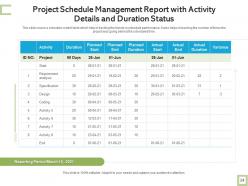
Key metrics include schedule variance (SV), schedule performance index (SPI), milestone completion rates, critical path adherence, resource utilization efficiency, and earned value measurements. These indicators enable project managers to identify bottlenecks, optimize resource allocation, and maintain timeline accuracy, with many organizations finding that consistent tracking ultimately delivers improved project outcomes and enhanced stakeholder confidence.
A schedule management plan integrates with scope management through work breakdown structures, resource management via allocation planning, and risk management by identifying timeline vulnerabilities. This interconnected approach enables project managers to coordinate deliverables, optimize resource utilization, and maintain schedule integrity, while stakeholders benefit from improved visibility and predictable project outcomes across all management processes.
Effective adherence strategies include clear milestone communication, regular progress tracking, accountability partnerships, automated reminder systems, and performance incentives aligned with schedule goals. Through project management tools and weekly check-ins, teams streamline coordination while identifying bottlenecks early, with many organizations finding that combining transparency with recognition programs ultimately delivers improved deadline compliance and enhanced project outcomes.
Schedule management plans should be reviewed and updated regularly throughout the project lifecycle, typically during weekly team meetings, monthly milestone reviews, and whenever significant scope changes occur. This continuous monitoring enables project managers to identify potential delays, resource conflicts, and critical path adjustments early, ultimately delivering projects on time while maintaining stakeholder confidence and operational efficiency.
Agile methodologies influence schedule management plans through iterative sprint cycles, adaptive planning frameworks, continuous stakeholder feedback loops, and flexible resource allocation strategies. These approaches enable organizations to respond quickly to changing requirements, minimize project delays, and enhance team collaboration, with many software development and consulting firms finding that Agile delivers faster time-to-market and improved client satisfaction.
Risk management integration involves incorporating risk identification, assessment, and mitigation strategies directly into schedule planning, timeline buffers, and contingency protocols. Through proactive risk mapping, project managers can build realistic timelines with appropriate buffer periods, establish alternative resource allocation strategies, and create trigger-based response plans, ultimately delivering more resilient project schedules and improved deadline reliability.
-
Really like the color and design of the presentation.