


Search Engine Marketing Powerpoint Ppt Template Bundles




Try Before you Buy Download Free Sample Product
 Impress Your
 Audience
 100%
100% Editable
 Save Hours
 of Time


Our Search Engine Marketing Powerpoint Ppt Template Bundles are topically designed to provide an attractive backdrop to any subject. Use them to look like a presentation pro.
People who downloaded this PowerPoint presentation also viewed the following :
Search Engine Marketing Powerpoint Ppt Template Bundles with all 19 slides:
Use our Search Engine Marketing Powerpoint Ppt Template Bundles to effectively help you save your valuable time. They are readymade to fit into any presentation structure.






FAQs for Search Engine Marketing Powerpoint
Successful Search Engine Marketing campaigns include keyword research, compelling ad copy, landing page optimization, bid management, and performance tracking. These components work together by targeting relevant audiences, maximizing click-through rates, and converting traffic into customers, with many businesses finding that strategic SEM integration delivers faster market penetration and measurable ROI.
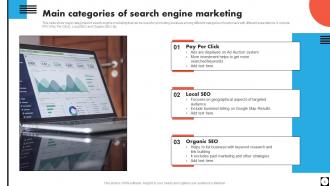
Pay-per-click advertising delivers immediate visibility through paid placements while organic search relies on content optimization, keyword targeting, and SEO techniques for gradual ranking improvements. PPC enables businesses to control ad spend, target specific demographics, and achieve instant traffic, while organic strategies build long-term credibility and sustainable results, with many organizations finding that combining both approaches maximizes search engine presence and competitive advantage.
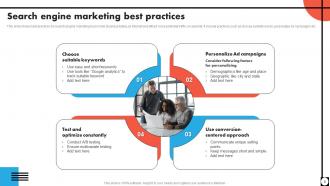
Keywords serve as the foundation of SEM campaigns, determining ad visibility, audience targeting, cost-per-click rates, quality scores, and overall campaign performance through strategic selection and optimization. Through comprehensive keyword research and strategic bidding, businesses streamline their advertising spend, enhance audience reach, and deliver targeted messaging, with many organizations finding that well-optimized keyword strategies ultimately reduce acquisition costs while maximizing conversion rates.
Businesses can determine their target audience for SEM through customer data analysis, competitor research, keyword analysis, demographic studies, and behavioral tracking insights. These methods enable companies to identify specific segments by examining search patterns, purchasing behaviors, and market gaps, with many organizations finding that combining analytics tools with customer surveys delivers more precise targeting and improved campaign ROI.
Key SEM metrics include click-through rates, conversion rates, cost-per-click, quality scores, and return on ad spend. These measurements enable marketers to optimize campaign performance by identifying high-performing keywords, reducing acquisition costs, and maximizing revenue generation, with many businesses finding that consistent tracking ultimately delivers improved ROI and competitive market positioning.
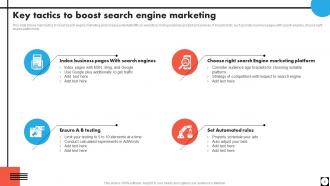
A/B testing improves SEM ads by comparing different headlines, descriptions, calls-to-action, and landing pages to identify top-performing combinations. Through systematic testing of ad elements, businesses can enhance click-through rates, reduce cost-per-click, and increase conversion rates, with many organizations finding that continuous optimization delivers significantly better ROI and competitive advantage.
Common Search Engine Marketing pitfalls include targeting overly broad keywords, neglecting negative keywords, ignoring mobile optimization, failing to align ad copy with landing pages, and inadequate conversion tracking. These oversights significantly impact campaign performance, with many businesses finding that poor keyword research, insufficient A/B testing, and neglecting Quality Score optimization ultimately waste budget while delivering minimal competitive advantage.
Landing page design and content significantly influence SEM performance by affecting quality scores, conversion rates, and user engagement metrics that determine ad positioning and costs. Well-designed landing pages with relevant content, clear calls-to-action, and fast loading speeds enhance user experience and ad relevance, ultimately delivering higher conversion rates and lower cost-per-acquisition for campaigns.
Ad extensions significantly boost click-through rates by making ads more prominent, informative, and relevant to searcher intent through additional links, phone numbers, location details, and promotional text. These enhanced listings occupy more screen real estate while providing multiple engagement pathways, with many advertisers finding that comprehensive extension strategies deliver 10-15% higher CTRs and improved ad positioning.
Budget allocation is crucial in SEM strategy as it determines campaign reach, keyword competitiveness, and overall performance outcomes. Strategic distribution across high-performing keywords, ad groups, and platforms enables businesses to maximize ROI, optimize conversion rates, and maintain competitive positioning, with many companies finding that data-driven budget management significantly enhances their digital marketing effectiveness.
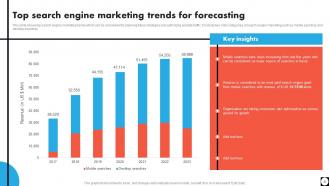
Emerging SEM trends include voice search optimization, AI-powered bidding automation, visual search capabilities, privacy-focused targeting methods, and cross-platform integration strategies. These technologies streamline campaign management by enhancing personalization, improving ad relevance, and maximizing ROI, with many retailers and service providers finding that automated bidding and voice optimization deliver significantly higher conversion rates.
Businesses integrate SEM with digital marketing through coordinated keyword alignment across SEO and content marketing, unified messaging between paid ads and social campaigns, and shared audience data for retargeting strategies. This strategic combination enables enhanced brand visibility, improved conversion tracking, and optimized budget allocation across channels, with many organizations finding that integrated approaches deliver significantly higher ROI than isolated campaigns.
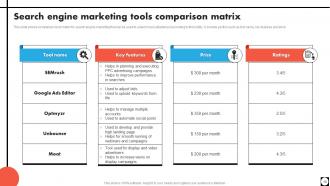
SEM management tools include Google Ads Editor, Microsoft Advertising Intelligence, SEMrush, Ahrefs, WordStream, and Optmyzr for comprehensive campaign optimization. These platforms streamline keyword research, bid management, and performance tracking by automating routine tasks, providing competitive insights, and delivering advanced analytics, with many digital marketers finding that integrated tool suites significantly enhance ROI while reducing manual campaign management time.
Retargeting enhances SEM effectiveness by re-engaging previous website visitors with targeted ads, increasing conversion rates through personalized messaging, and reducing acquisition costs. E-commerce retailers and financial services companies leverage retargeting campaigns to nurture prospects who initially searched for products or services, ultimately delivering higher ROI and improved customer lifetime value.
Ethical SEM considerations include transparent advertising disclosures, accurate ad claims, respecting user privacy, avoiding misleading keywords, and maintaining fair competitive practices. These guidelines enhance brand credibility by building consumer trust, ensuring regulatory compliance, and fostering sustainable customer relationships, with many organizations finding that ethical practices ultimately deliver stronger ROI and competitive advantage.
-
Understandable and informative presentation.
-
Awesomely designed templates, Easy to understand.