


Slovakia country powerpoint flags




Try Before you Buy Download Free Sample Product
 Impress Your
 Audience
 100%
100% Editable
 Save Hours
 of Time


Over ten thousand designs of Slovakia Country Powerpoint Flags are ready made and waiting to fit your needs.
People who downloaded this PowerPoint presentation also viewed the following :
Slovakia country powerpoint flags with all 11 slides:
Conscientious minds are behind our Slovakia Country Powerpoint Flags. They will live up to their promise to benefit you.
FAQs for Slovakia
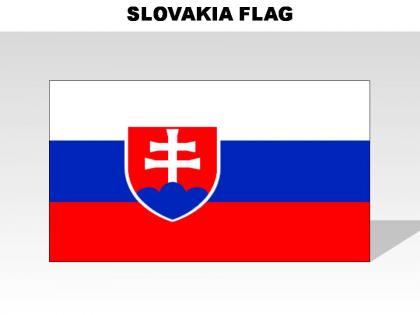
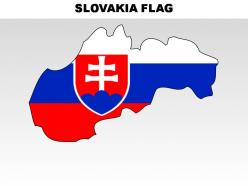
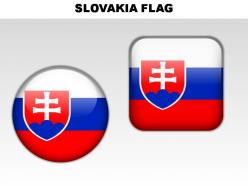
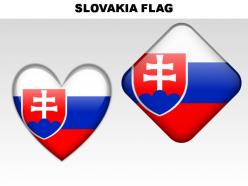
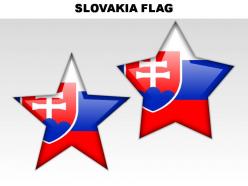
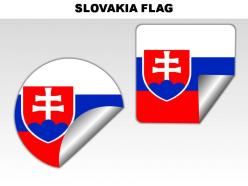
The Slovakia flag reflects Pan-Slavic heritage through its white, blue, and red colors, adopted from 19th-century Slavic unity movements, combined with the national coat of arms featuring a double cross symbolizing Christianity and three hills representing the Tatra, Fatra, and Matra mountains. This design connects Slovakia's Slavic identity with its geographic landscape and Christian traditions, ultimately delivering a powerful symbol that distinguishes it from similar Slavic flags while honoring shared cultural roots.
Slovakia's flag evolved from early 20th-century designs through various political periods, incorporating the traditional Pan-Slavic colors of white, blue, and red with distinctive coat of arms modifications. Through periods of Austro-Hungarian rule, Czechoslovak federation, and independence in 1993, Slovak institutions adapted their national symbols while maintaining cultural identity, with the current tri-color design ultimately delivering national recognition and diplomatic distinction in an increasingly interconnected European landscape.
The Slovakia flag's colors carry deep historical significance, with white representing peace and honesty, blue symbolizing vigilance and justice, and red signifying courage and hardship. These Pan-Slavic colors connect Slovakia to its broader cultural heritage while reflecting national values that resonate across Central European nations, ultimately delivering a powerful symbol of Slovak identity and democratic principles.
The double cross on Slovakia's flag represents the country's deep Christian heritage and Byzantine influence, symbolizing the Orthodox and Catholic traditions that shaped Slovak spiritual identity. This ancient symbol connects Slovakia to its medieval Kingdom of Hungary period and broader Central European Christian culture, while reinforcing national identity through religious continuity, ultimately distinguishing Slovakia's flag from other Slavic nations with similar color schemes.
Slovakia's flag features horizontal white, blue, and red stripes with a distinctive coat of arms, while neighboring countries use similar Pan-Slavic colors but different arrangements. Czech Republic omits heraldic symbols, Poland uses white and red, Hungary displays horizontal red, white, and green, and Austria features red-white-red stripes, with Slovakia's coat of arms providing the most distinctive visual identifier among these Central European nations.
The Slovakia flag serves as the central symbol in national celebrations, state ceremonies, diplomatic functions, and cultural festivals throughout the country. During events like Constitution Day, Independence Day, and sporting competitions, the flag enhances national unity, represents Slovak heritage at international gatherings, and strengthens cultural identity, with many institutions finding that prominent flag display significantly increases patriotic engagement and civic pride.
Yes, Slovakia follows specific flag protocols including displaying it from sunrise to sunset, ensuring it never touches the ground, and positioning it at the same height as other national flags in international settings, with the coat of arms side toward the flagpole. These protocols maintain national dignity and respect, with government buildings, schools, and businesses across Slovakia adhering to these guidelines during national holidays and official ceremonies, ultimately preserving cultural heritage and demonstrating civic pride.
The Slovakia flag reflects the country's cultural heritage through its Pan-Slavic colors of white, blue, and red, representing unity with other Slavic nations, while the coat of arms displays the double cross symbolizing Christianity and three hills representing the Tatra, Fatra, and Matra mountains. These elements combine Slovakia's geographical identity with its deep Orthodox and Catholic religious traditions, ultimately delivering a powerful symbol that connects modern Slovak national pride with centuries of Slavic cultural heritage and spiritual legacy.
Common misconceptions about the Slovakia flag include confusing it with Slovenia's flag, assuming the coat of arms is purely decorative, believing it's identical to Russia's tricolor, and thinking the colors lack historical significance. These misunderstandings often stem from limited knowledge of Central European heraldry and history, with many overlooking Slovakia's distinct national symbolism and the shield's representation of centuries-old Slovak heritage and regional identity.
Slovak citizens generally view their national flag with pride and respect, seeing it as a symbol of independence, cultural heritage, and national unity. The tricolor design with the coat of arms resonates strongly during national celebrations, sporting events, and cultural festivals, with many Slovaks finding that it represents their journey from Czechoslovakia to sovereignty, ultimately reinforcing their distinct identity in Central Europe.
Modern additions to Slovakia's flag could include subtle technological elements like circuit patterns, renewable energy symbols such as wind turbines or solar panels, European Union stars, or contemporary geometric designs reflecting digital innovation. These enhancements would represent Slovakia's growing tech sector, sustainable energy initiatives, and EU membership, while preserving the traditional tricolor foundation, ultimately delivering a flag that bridges historical heritage with forward-looking national identity.
The Slovakia flag enjoys full international recognition as the official national symbol since the country's independence in 1993, acknowledged by the United Nations, European Union, NATO, and diplomatic missions worldwide. This recognition enhances Slovakia's sovereignty and cultural identity in international forums, with embassies, trade delegations, and Olympic committees prominently displaying it to represent Slovak interests globally.
Slovak expatriates display their flag prominently during cultural festivals, independence celebrations, and community gatherings to maintain national identity and heritage connections. These diaspora communities increasingly organize flag-centered events, traditional celebrations, and cultural education programs, with many finding that visible national symbols help preserve Slovak traditions while fostering community bonds and cultural continuity across generations.
**INPUT**: What are some notable historical events associated with the Slovakia flag? **OUTPUT**: Notable historical events include Slovakia's 1993 independence from Czechoslovakia when the current tricolor was officially adopted, the 1848 Pan-Slavic movement establishing the red-white-blue symbolism, and the 1992 constitutional preparations formalizing the coat of arms addition. These milestones demonstrate Slovakia's journey toward sovereignty, with the flag serving as a unifying symbol during political transitions, ultimately representing national identity and independence in an increasingly interconnected European landscape.
The Slovakia flag serves as the primary symbol in international sports competitions, diplomatic events, government ceremonies, and cultural celebrations representing national identity. During Olympic Games, World Cup tournaments, and European Championships, Slovak athletes prominently display the flag while government buildings and embassies utilize it for official state functions, ultimately strengthening national pride and international recognition.
-
Wonderful templates design to use in business meetings.
-
Editable templates with innovative design and color combination.