

Sony Marketing Strategy Powerpoint Ppt Template Bundles




Try Before you Buy Download Free Sample Product
 Impress Your
 Audience
 100%
100% Editable
 Save Hours
 of Time


Our Sony Marketing Strategy Powerpoint Ppt Template Bundles are topically designed to provide an attractive backdrop to any subject. Use them to look like a presentation pro.
People who downloaded this PowerPoint presentation also viewed the following :
Sony Marketing Strategy Powerpoint Ppt Template Bundles with all 22 slides:
Use our Sony Marketing Strategy Powerpoint Ppt Template Bundles to effectively help you save your valuable time. They are readymade to fit into any presentation structure.






FAQs for Sony Marketing Strategy Powerpoint
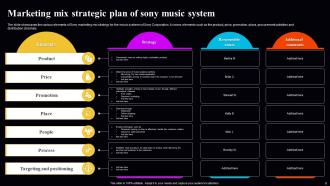
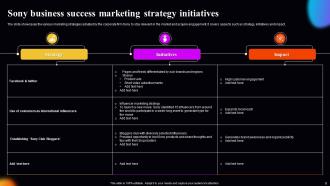
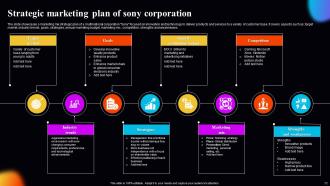
Sony's basically all about that premium vibe - they don't compete on price, which honestly makes sense in electronics. Their whole "make.believe" thing ties everything together through emotional stories. Pretty smart how they cross-promote too, like Spider-Man movies boosting PlayStation sales. They always lead with the fancy tech stuff - camera sensors, exclusive games, whatever's cutting-edge. Each product reinforces that high-end image, so you're not just grabbing a random TV. You're buying the whole Sony ecosystem experience. It's actually working pretty well for them considering how crazy competitive that market is.
Sony's whole thing is riding on their reputation from like the 80s and 90s when they were *the* tech company. People still think "premium" when they hear Sony, even if they haven't bought anything from them recently. They use that trust to position stuff as high-end but reliable - PlayStation dominates gaming, their cameras are what pros use. Rather than competing on price, they're like "yeah we cost more but we're worth it." Honestly works pretty well for them. If you're doing brand strategy, figure out what people already think about you and double down on that instead of trying to appeal to everyone.
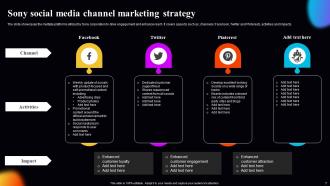
Sony's got their social media game locked down. They're all over Instagram and TikTok with super visual content - makes sense since their cameras and headphones are pretty photogenic. What I love is how they work with creators who genuinely use the gear, not just random influencers holding products awkwardly. Their PlayStation accounts? Honestly incredible marketing. Each platform gets different treatment too - YouTube gets the cinematic stuff while TikTok gets quick demos. Oh, and they're smart about pushing user-generated content. If you want to step up your strategy, check out how they show products actually being used instead of boring product shots.
Sony's whole thing is innovation - it's literally what they're known for. They position themselves as the premium brand that's always pushing tech forward. Gaming, cameras, audio, whatever - they create those "holy shit" moments that let them charge more. Look at mirrorless cameras - they destroyed Canon and Nikon by getting there first. Their marketing is smart too, always leading with the breakthrough tech then adding the emotional hook. Honestly, I think they're one of the few companies that still gets genuine excitement before launches. If you're studying them, watch how they time those innovation announcements for maximum hype.
Sony's really good at this - they're always checking social media, running surveys, basically watching what people actually respond to. Their PlayStation and camera ads change based on real feedback, not just what some exec thinks will work. Pretty smart honestly. They treat customer opinions like their North Star for campaigns instead of just collecting feedback and ignoring it. So yeah, if you're doing any marketing stuff, build those feedback systems in from the start. Don't wait until after launch to figure out if people hate your message or love it.
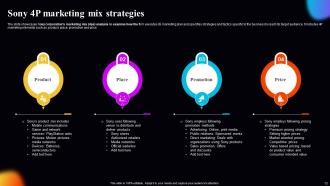
So Sony's pretty clever about this - they market their expensive stuff as these amazing "experiences." Like their pricey headphones are all about that studio-quality sound, TVs get the whole cinematic vibe. But for cheaper products? Total shift to practical messaging - reliability, basic features that actually work. What's smart is they never pit their $50 headphones against the $400 ones in ads. Completely separate marketing channels too. I noticed they use totally different language for each price tier, which honestly makes sense if you think about it.
Sony's pretty clever about this - they build this whole ecosystem where everything connects. Your PlayStation talks to your headphones, which work with your TV, etc. Makes it annoying to switch brands because you'd lose all that integration. They bundle stuff together and throw in exclusive content too. Their customer service is actually decent (which honestly surprised me). But the real hook is how they use their movies, music, and games to keep you buying their hardware. It's like once you're in, leaving means giving up too much.
So Sony's pretty clever about this - they basically customize everything for different regions. In the US and Europe? PlayStation gets pushed hard. But over in Japan and Korea, they're all about cameras and tech innovation since that's what people there actually get excited about. India's different though - they focus way more on budget-friendly stuff instead of the expensive premium products. Even their ads look completely different depending where you are. Oh, and here's something cool - go check out how they describe the exact same product on their US vs Japan websites. It's wild how different the messaging is for literally the same thing.
Sony's really smart about this - they go all-in on digital stuff like Twitter, YouTube, and Twitch since that's literally where gamers live. Influencer partnerships are huge for them too. One popular streamer playing your game beats tons of regular ads, which honestly makes sense when you think about it. They still do the big trade show reveals at E3 and stuff for hype. Email campaigns work well with their PlayStation Network users. Oh, and they're big on community engagement rather than just throwing money at traditional advertising. That's probably where you'd want to focus if you're studying their approach.
So Sony's pretty clever about this - they bake CSR right into their brand instead of treating it like an afterthought. Their "Road to Zero" campaigns are everywhere, constantly pushing their carbon-neutral goals and recycling stuff. What's smart is how they time CSR messaging with product launches rather than doing it separately. They're all over social media with community projects too. Makes sense though, younger people actually give a shit about this stuff now. Oh and they partner with sustainability orgs which gives them more credibility than just talking about it themselves.
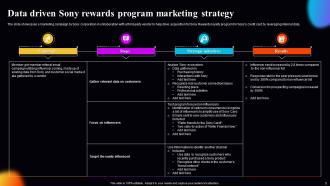
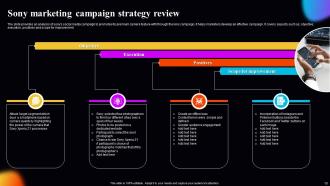
Sony's absolutely crushing it with influencer marketing. When gamers stream with PlayStation gear or photographers actually use their cameras, it just hits different than regular ads. They're smart about picking the right people too - tech reviewers and creatives who genuinely know their products inside and out. Trust me, audiences can smell fake endorsements from a mile away. The numbers don't lie either - their influencer campaigns convert way better than standard digital ads. For your brand, honestly just find influencers who actually get what you're selling. Makes all the difference.
Dude, Sony's got this crazy setup where all their different businesses just feed into each other. PlayStation games get tied to their movies, they push music artists through gaming channels, hardware gets boosted by exclusive content - it's wild. They're not just selling you a console, you're basically buying into their whole entertainment world. Makes their marketing dollar stretch way further since one campaign hits multiple products. Actually kind of jealous I didn't think of it first lol. You should totally look at how they bundle stuff together if you're doing any multi-product campaigns.
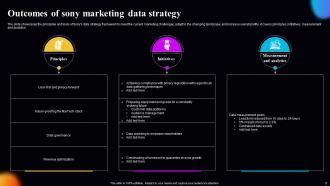
Sony's pretty smart about tracking how people use their stuff - PlayStation data, streaming habits, all that. They analyze social media to see what people actually think about their brand. What's really clever is how they connect gaming data with music preferences for targeted ads. A/B testing helps them figure out what works. Oh, and they do cohort analysis to understand how much customers are worth long-term across different products. If you want better marketing analytics, honestly just start by mapping where your customers interact with you first. That's Sony's big advantage - they've got data coming from everywhere.
Sony's really clever about this - they partner up to get in front of audiences they'd never reach alone. Like those Marvel PlayStation games? Instant access to comic fans. Co-branding also makes everything feel more legit. You see Sony working with premium audio companies or lens makers and suddenly their stuff seems way more trustworthy. Honestly, it's genius because they're not just pushing products anymore - they're selling whole experiences that multiple brands are backing. For your marketing, figure out what brands your people already trust. Then create something actually valuable together instead of just... I dunno, slapping both logos on a poster or whatever.
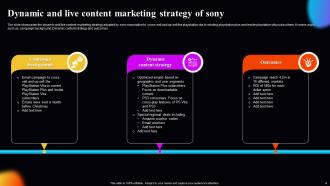
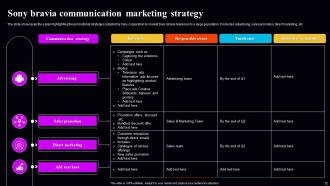
Sony's gone all-in on digital marketing and creating experiences around their tech ecosystem. They're crushing it on social media, especially with PlayStation and cameras. The Spider-Man crossovers? Brilliant move. Instead of boring traditional ads, they're working with influencers and getting users to create content for them. What's smart is how they bundle experiences with products rather than just listing specs. You can tell they've figured out that showing real people using their stuff works way better than technical demos. Cross-promoting movies with hardware is pretty clever too - makes everything feel connected.
-
Their professional templates are very impressive, even my manager was curious about the source. I am very grateful.
-
The design is clean-cut, modern, and sleek, keeping the users' needs in mind. The multiple uses make this product worth every penny!