


Strategic Sales Plan Powerpoint Ppt Template Bundles





Try Before you Buy Download Free Sample Product
 Impress Your
 Audience
 100%
100% Editable
 Save Hours
 of Time


Our Strategic Sales Plan Powerpoint Ppt Template Bundles are topically designed to provide an attractive backdrop to any subject. Use them to look like a presentation pro.
People who downloaded this PowerPoint presentation also viewed the following :
Strategic Sales Plan Powerpoint Ppt Template Bundles with all 17 slides:
Use our Strategic Sales Plan Powerpoint Ppt Template Bundles to effectively help you save your valuable time. They are readymade to fit into any presentation structure.
-

Strategic Sales Plan
-
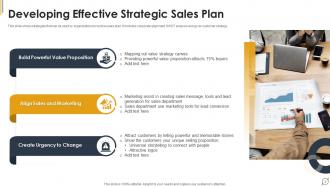
Developing Effective Strategic Sales Plan
-
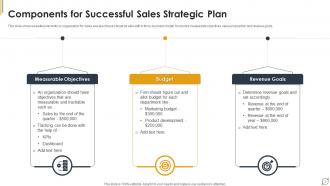
Components for Successful Sales Strategic Plan
-
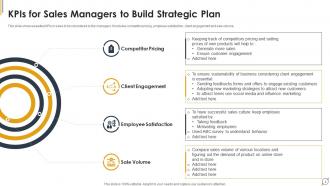
KPIs for Sales Managers to Build Strategic Plan
-
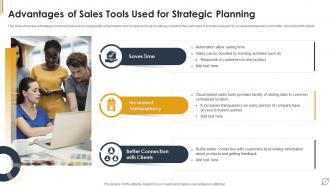
Advantages of Sales Tools Used for Strategic Planning
-
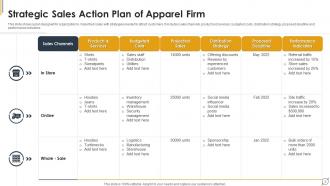
Strategic Sales Action Plan of Apparel Firm
-
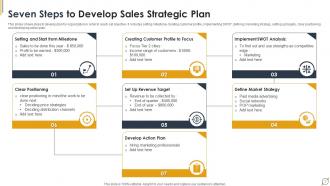
Seven Steps to Develop Sales Strategic Plan
-
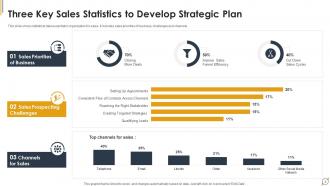
Three Key Sales Statistics to Develop Strategic Plan
-
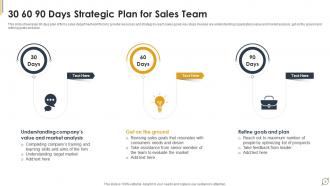
30 60 90 Days Strategic Plan for Sales Team
-
Organization Strategic Sales Planning Icon with Speaker
-
Statistical Data Showing Strategic Sales Plan Icon
-

Thank You
-

-

-

-

-

FAQs for Strategic Sales Plan Powerpoint
Start with your ideal customer profile - seriously, everything else is just guessing without that foundation. Then you need market analysis, competitive positioning, and realistic revenue targets with actual deadlines. Map out your sales processes, territory plans, and who's responsible for what. Lead generation strategies and pricing frameworks are crucial too. Oh, and build in quarterly reviews because your initial projections will probably be wrong (they always are). Most plans fail because nobody measures results - don't be that person. Training requirements for your team matter more than people think. The whole thing needs to be flexible enough to pivot when reality kicks in.
Okay so first thing - figure out what your company actually wants to achieve. I know it sounds super basic, but tons of sales teams just do their own thing without checking in. Map your targets and territories to match those bigger priorities. Like if they want to break into new markets, focus there instead of just going after the same old clients (way more exciting anyway). Your metrics should track progress toward real goals, not just random revenue numbers. Oh and definitely do regular check-ins with leadership so you don't end up completely off track.
Dude, you absolutely need market research before diving into sales strategy. It shows you who your actual customers are and what makes them tick. Without it? You're basically guessing at everything - pricing, messaging, the whole thing. I learned this the hard way on my last project, trust me. Research helps you spot which customer segments to focus on first and reveals their real pain points. Plus you'll discover buying patterns that totally change how you approach prospects. Honestly, competitors who skip this step are just making your job easier. Start with customer interviews, then grab some industry reports to fill the gaps.
Dude, the automation part alone is worth it - no more manually tracking every single lead. CRM systems handle that automatically, plus you can set up email sequences that nurture prospects while you sleep. Real-time dashboards show you what's actually moving the needle. The analytics are pretty cool too, they catch patterns you'd miss otherwise like optimal outreach timing or which content converts. I was skeptical at first but honestly? Game changer for productivity. Don't go crazy though - pick one tool that fixes your biggest headache first, then build from there.
Track both revenue stuff and activity numbers to see what's actually working. For revenue: total sales, conversion rates, deal size, and cycle length. Activity-wise, watch lead gen, pipeline health, and team touchpoints. Honestly, most people get obsessed with metrics that look impressive but don't actually matter. Pick 5-7 that directly impact revenue. Check them weekly, not daily - you need time to spot real patterns, not just random noise. Daily tracking just makes you crazy over nothing.
Honestly, start with your best customers right now - what size companies, industries, budgets are we talking about? Data beats guessing every time. Map out how they actually buy stuff, who makes decisions, how long it takes. Also look at the ones who bounced early (that stings but it's super useful). I'd survey recent wins AND losses to see what really drives their choices. The buying process thing is huge - like who's really calling the shots vs who just thinks they are? End goal is 2-3 solid personas with real demographics and challenges you can actually target instead of shooting blindly.
Honestly, start with regular team meetings where everyone shares their pipeline stuff and what's blocking them. I know, sounds boring but it actually works. Set up dashboards so people can see how their work connects to the bigger picture - that visibility makes a huge difference. Try pairing people up for account planning too. Oh, and definitely nail down your handoff processes between stages because that's where things usually fall apart. The whole thing comes down to making sure everyone gets how their role fits in and actually cares about the team winning, not just their own numbers.
Look, once you've got buyer personas figured out, everything changes. Stop pitching the same way to everyone - it's honestly painful to watch. A CFO wants ROI numbers right away, but a department manager? They care way more about how easy it'll be to actually use your thing. Create different talk tracks for each persona type. Time your outreach differently too. I'd start with just your top two personas so you don't overwhelm yourself. Map out their decision process and you'll know what objections are coming before they even say them. Trust me, it's night and day once you customize your approach.
Honestly, your sales team's gonna be the biggest headache - nobody likes change, especially when it messes with their commission structure. Training always takes forever too, and there's that weird dip in numbers while everyone's still learning (management hates that part). Your CRM might not cooperate with whatever new process you're rolling out. Also, don't be surprised if your customer data doesn't match up with new targeting. Oh, and pick your most flexible reps for a test run first. Way better than throwing everyone into the deep end at once.
So competitive analysis is basically your cheat sheet for sales strategy. Look at where your competitors are crushing it and where they're totally dropping the ball - those weak spots become your golden opportunities. Their pricing tells you how to position yours, and honestly, the market segments they're ignoring? That's where the real money is sometimes. You'll also pick up on their sales tactics and messaging, which helps you figure out how to stand out or just do it way better. The trick is turning all that intel into actual moves: tweaking your prices, going after different accounts, or crafting value props that directly hit their blind spots.
Honestly, I'd start with whatever historical data you've got plus your growth targets. Don't make quotas so crazy that your team gives up before they even try - I've seen that backfire so many times. Break everything down by territory and product so it doesn't feel overwhelming. Here's the thing though - actually involve your sales people in setting these numbers. They know their markets way better than some exec in an office somewhere. Make the comp structure crystal clear so there's no confusion about how they get paid. Oh, and review quarterly because markets shift fast these days.
Ugh, consumer behavior changes are brutal - you're constantly redoing your whole sales approach. People shift online, want everything personalized, or suddenly care about different stuff. Your old strategies? Totally useless. I learned this the hard way last year when our usual tactics just stopped working. Now you've got to update who you're targeting, change your messaging, maybe focus on completely different channels. Even how your team talks to prospects needs adjusting. The trick is building flexibility in from day one so you can pivot fast instead of playing catch-up forever.
Honestly, training makes or breaks your sales strategy. I've seen brilliant plans completely flop because the team wasn't equipped to actually execute them. It's like giving someone a Ferrari but never teaching them to drive stick - just painful to watch. Your sales reps need to nail the messaging, handle objections smoothly, and understand how you stack up against competitors. This becomes even more critical when you're entering new markets or pushing different products. Here's what I'd do: don't treat training as some separate thing you'll get to later. Build those training sessions right into your strategic timeline from day one.
Your sales reps are literally talking to customers all day - they're goldmines for strategy insights. They catch objections and pain points way before any report does. I'd set up weekly check-ins where they can share what's actually working vs. what's bombing. The trick is you have to act on their feedback, otherwise they'll stop giving it (learned that one the hard way). Try asking them this: "What's the biggest gap between our sales stuff and what prospects really want?" You'll be surprised what you hear.
Build flexibility into your sales plan from day one, honestly. Review what's working monthly or quarterly - I got burned when a competitor launch completely wrecked our Q3 plans. Watch pipeline velocity and customer feedback, not just the usual numbers. Cross-train your team so they can switch between products or markets fast. Oh and this is huge - stay super tight with customers because they'll tip you off before anyone else when things are shifting. Keep it agile basically.
-
Time saving slide with creative ideas. Help a lot in quick presentations..
-
Excellent work done on template design and graphics.