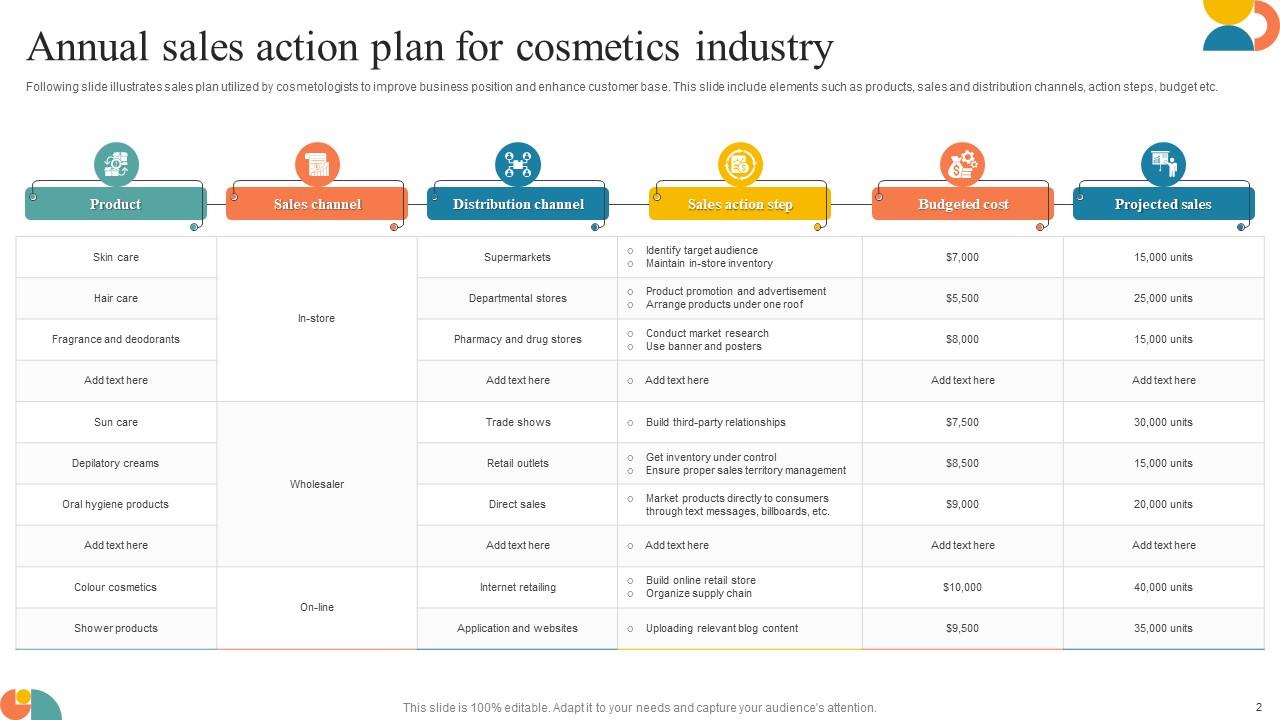
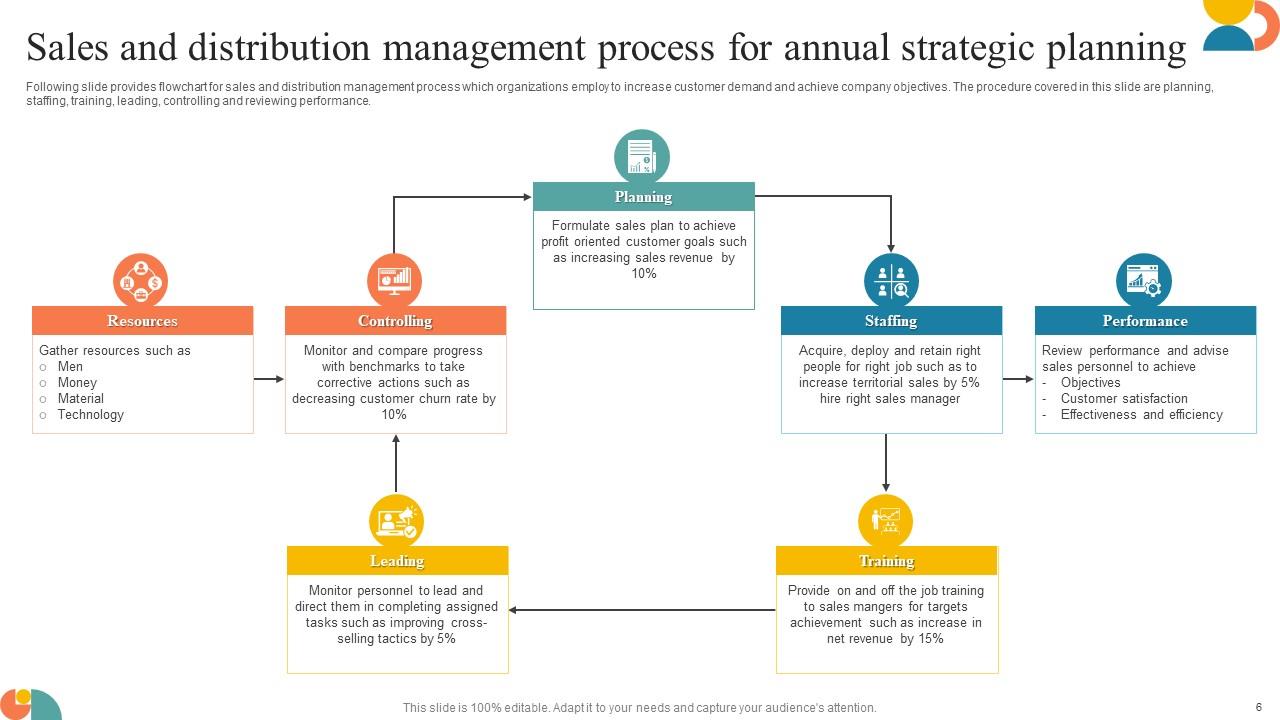
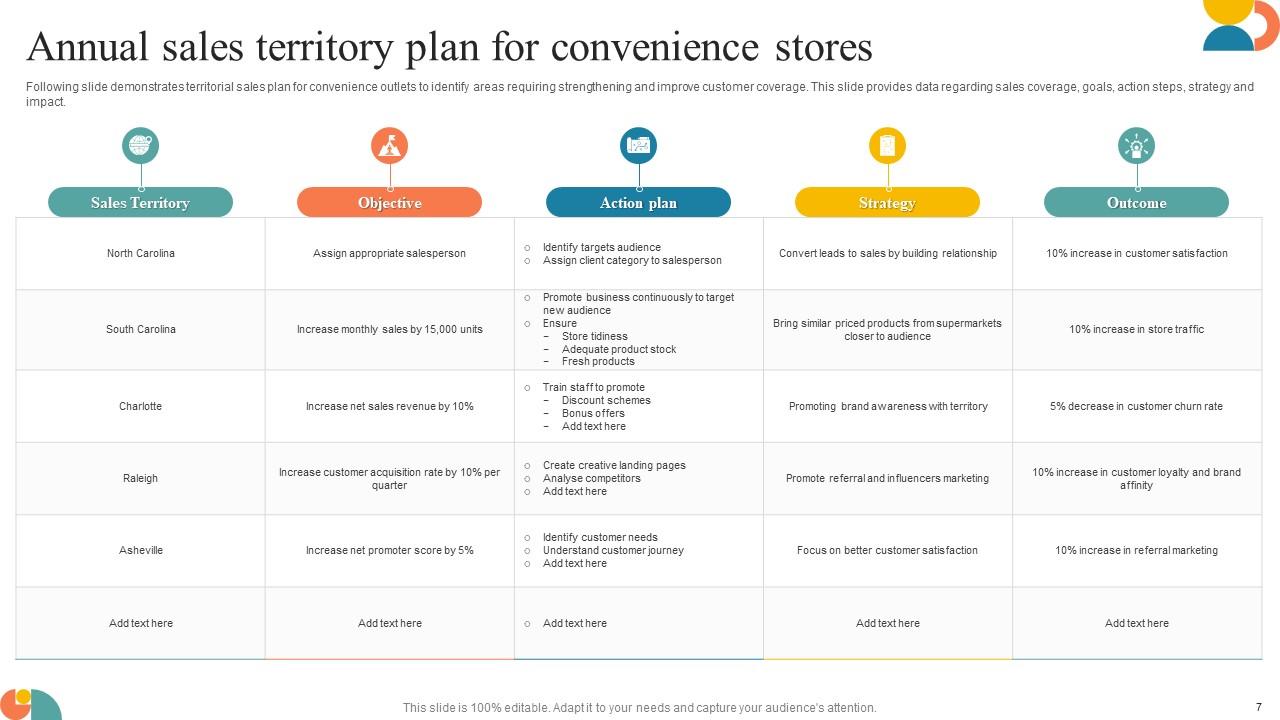
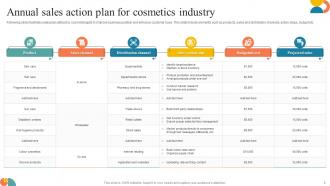
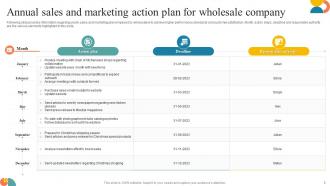
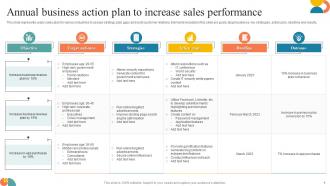
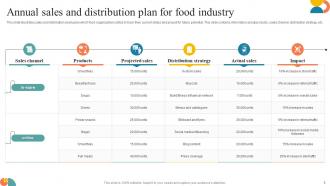
Annual Sales Plan Powerpoint Ppt Template Bundles
Try Before you Buy Download Free Sample Product
Audience
Editable
of Time
Our Annual Sales Plan Powerpoint Ppt Template Bundles are topically designed to provide an attractive backdrop to any subject. Use them to look like a presentation pro.
People who downloaded this PowerPoint presentation also viewed the following :
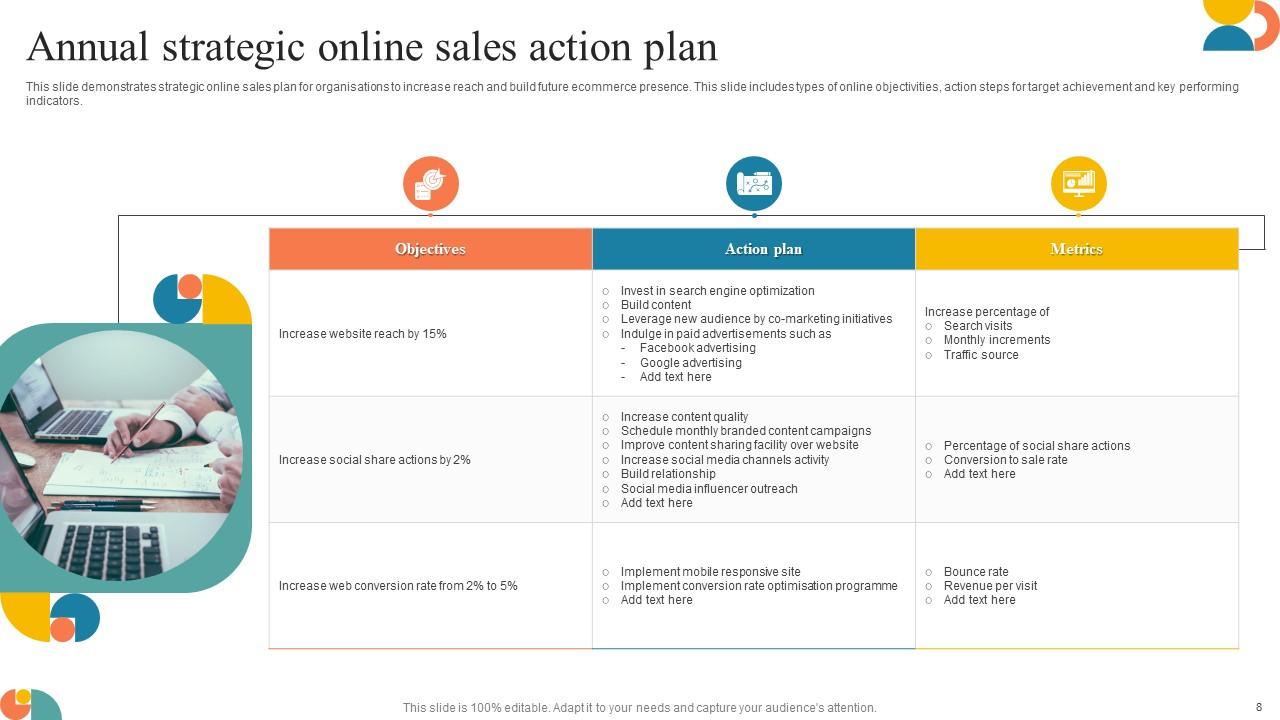
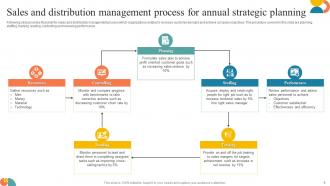
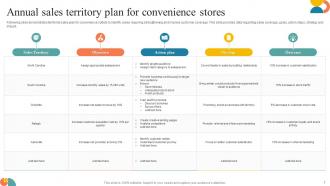
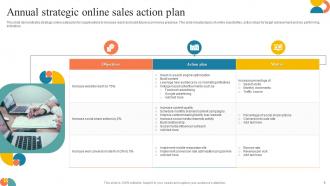
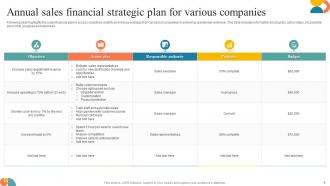
Annual Sales Plan Powerpoint Ppt Template Bundles with all 17 slides:
Use our Annual Sales Plan Powerpoint Ppt Template Bundles to effectively help you save your valuable time. They are readymade to fit into any presentation structure.
FAQs for Annual Sales Plan Powerpoint
Honestly, start with your revenue targets and break those down by territory, product, whatever makes sense for your business. Figure out who you're actually selling to - like really nail down those customer profiles. Then map out how you'll generate leads with real tactics and budgets, not just wishful thinking. Set quarterly milestones so you're not scrambling at year-end (trust me on this one). Track the right metrics or you'll be flying blind. Don't forget seasonality - that bit me hard once! Your reps need to know exactly what they're responsible for, plus factor in training and competitive intel. It's all gotta tie back to those revenue numbers though.
Honestly, coffee with the CEO first is clutch - saves you from getting blindsided later. Figure out what they're actually trying to hit this year. Revenue targets, new markets, product launches, whatever. Then work backwards to see what your sales team needs to pull off. Don't just slap bigger numbers on last year's plan (we've all been there though). Map your quotas and territories around those real business priorities. Every sales initiative should actually move the needle on something that matters. Otherwise you're just spinning wheels and everyone gets frustrated.
Track your core revenue stuff first - total vs target, conversion rates through each pipeline stage, deal size, cycle length. Customer acquisition cost is massive but people sleep on it constantly. Then add pipeline velocity, win rates, and how your reps are hitting quota. Oh and retention numbers if you've got recurring revenue obvs. Honestly I'd start with maybe 5-7 metrics that actually connect to revenue goals, not just vanity numbers. Build your dashboards around those and you're golden. Way too many teams track everything and end up tracking nothing useful.
Dude, you need actual data before you build that sales plan. Don't just wing it based on gut feelings - run some customer surveys or check out what competitors are doing. This stuff shows you real buying patterns and where the market's actually going. Helps you set goals that aren't totally unrealistic too. I learned this the hard way a few years back, honestly. You'll spot problems early instead of scrambling later when targets are blown. Use it to figure out your best prospects and which channels actually convert. Trust me, you don't want to be the person explaining missed numbers in December.
So competitive analysis is basically how you figure out where you can actually win and what makes sense for pricing. Map out your top competitors' strengths and weaknesses - like really dig into their recent wins and losses. I've honestly seen way too many sales teams just ignore competition completely, then act shocked when they miss targets. It's wild. Start with your top 3-5 competitors and look at their strategic shifts. This stuff should directly shape your territory focus and revenue goals. You want to spot those market gaps before someone else does.
Okay so first dig into your sales data from the last 2-3 years - seasonal stuff, growth patterns, any weird events that threw things off. Your sales team's input is huge here since they know their territories best. Factor in your pipeline, marketing plans, new products, all that. Competition will definitely try to screw with your numbers (they always do). I'd honestly build quarterly targets first, then break those down monthly so they don't feel impossible to hit. Oh and add like 5-10% buffer because something unexpected always happens. Market conditions matter too obviously, but don't overthink it.
Absolutely change your plan mid-year! Look at what's actually working vs what you thought would work - sometimes you'll be pleasantly surprised. Move resources away from the stuff that's flopping and double down on what's killing it. Adjust targets based on real pipeline data, not wishful thinking from January. Honestly, I've watched too many teams ride a sinking ship just because they didn't want to admit the original plan sucked. Make changes systematically though, not in panic mode. Update forecasts monthly and keep your team in the loop so nobody's confused about the new direction.
You really need to get other departments involved early - sales plans crash and burn when you try to do everything solo. Get marketing on board so their campaigns actually match what you're targeting. Finance has to sign off on your revenue projections anyway, so loop them in now. Product teams are crucial too since you don't want to promise stuff that doesn't exist yet (been there, it's awkward). Oh, and operations needs a heads up about your growth expectations so they can plan capacity. I'd honestly just schedule quick alignment meetings with each team right at the start. Way easier than fixing mismatched assumptions later.
Your CRM (Salesforce, HubSpot) probably already has forecasting built in - start there since your data's already in it. Excel or Google Sheets are still king for scenario planning though. Seriously, every sales director I know has some monster spreadsheet they guard with their life. Tableau and Power BI are solid if you need fancy visualizations to spot trends. Tools like Anaplan are powerful but honestly overkill unless you're running a huge operation. My advice? Don't overthink it. Use what you've got access to first, then add complexity as you grow.
Honestly, build training right into your quarterly planning from day one - don't leave it as some random afterthought. During planning season, figure out where your skill gaps are, then block out training time that actually makes sense. Like doing product training before launches or negotiation stuff before renewal crunch time. Too many sales teams I know treat training like it's optional when money gets tight (spoiler: it's not). Connect each training thing to real numbers - deal sizes, conversion rates, whatever matters. Oh and track ROI on training spend just like you'd track any other investment.
Honestly, the worst thing you can do is get too ambitious with revenue numbers when your past data doesn't back it up. Also - and I can't stress this enough - actually talk to your sales team before finalizing anything. They know what's realistic way better than anyone sitting in a conference room. Seasonality will mess you up if you're not thinking about it, plus whatever's happening in the market generally. Don't make your plan super rigid either, that's just asking for trouble. I'd do quarterly reviews so you can actually adjust when things inevitably go sideways.
Customer feedback is literally your cheat sheet for next year's sales strategy. Look at what products people actually rave about vs. what you *think* they want - there's usually a gap there. Pain points in feedback? Those are deal killers you need to fix. Sort this year's feedback into buckets: complaints, requests, the good stuff. Then map those directly to your annual plan. Use insights to tweak your target audience, sharpen your messaging, figure out which features to push hardest. It's honestly the best way to avoid guessing what'll work. Way better than flying blind into next year.
Oh man, economic trends totally make or break your sales planning. Strong economy? Go aggressive with those growth targets and expansion ideas. But when recession warnings start popping up - which honestly feels like every other month lately - you've gotta dial it back and focus more on keeping current customers happy instead of chasing new ones. I'm always checking GDP forecasts and consumer spending reports before setting any targets. The trick is leaving room to adjust halfway through the year because let's be real, the economy loves throwing curveballs when you least expect it.
Look at last year's numbers first, then push your team about 10-15% past what feels comfortable. Too easy and they'll get bored - too crazy and they'll just give up. Quarterly check-ins work way better than staring at some massive annual target. Here's the thing though: let each person weigh in on their own goals. I know it sounds obvious but most managers skip this step. When reps help build their numbers, they actually want to hit them. Oh, and whatever rewards you promise? Make sure it's stuff they genuinely want, not just generic gift cards.
Tell a story with your data - how you did last year, then where you're heading. Keep slides visual, ditch the walls of text. You'll get grilled on revenue projections and customer costs, so know those numbers inside and out. The Q&A is honestly brutal compared to the actual presentation. Have backup slides ready for all their "what if" scenarios. Oh, and definitely end with concrete next steps and timelines - otherwise you'll walk out and nobody will know what the hell happens next. Practice it out loud a few times too.
-
Delighted to see unique and eye-catching PowerPoint designs that are so easy to customize.
-
Been using SlideTeam for some time now…can’t imagine why I wasted all that time in front of the screen trying to make the perfect presentation.