


Strategic business plan powerpoint presentation slides





Try Before you Buy Download Free Sample Product
 Impress Your
 Audience
 100%
100% Editable
 Save Hours
 of Time


Attain your targets by proper planning and strategies using this Strategic Business Plan PowerPoint Presentation Slides. With the help of the business operating plan PPT template, you can highlight the milestones achieved, and the financial summary of your organization. By using this strategy implementation PowerPoint presentation complete deck, you can set your operational plan that includes the responsibilities, and progress of the company. If you want to mention the challenges which are obstructing your business growth, then use this business plan PPT template. There are various initiatives that are categorized on the basis of sales, marketing, people, R&D, which you can outline by using our professionally designed operational challenges PowerPoint complete deck. This business system planning PPT visual contains graphs, pie-charts, clustered bar charts, sheets, and tables with which you can create the revenue resource report. Therefore, download this strategic business plan presentation deck and increase your promoters and shareholdings.
People who downloaded this PowerPoint presentation also viewed the following :
Content of this Powerpoint Presentation
Slide 1: This slide introduces Strategic Business Plan. State Your Company Name and begin.
Slide 2: This slide presents Agenda. Add your agenda and use it.
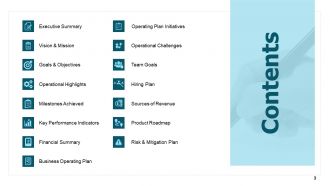
Slide 3: This slide presents Content which further showcases Executive Summary, Vision & Mission, Goals & Objectives, Operational Highlights, Milestone Achieved, Key Performance Indicator, Financial Summary, Operational Challenges, Operating Plan Initiatives, Business Operating Plan, Team, Goals, Hiring, Plan, Success of Revenue, Product Roadmap, Risk & Migration Plan.
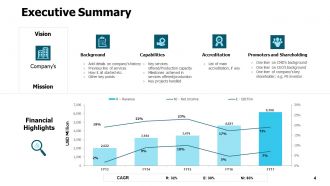
Slide 4: This slide presents Executive Summary describing- Background, capabilities, Accreditation, promoters and shareholders.
Slide 5: This slide displays Our Vision and Mission with related imagery and text.
Slide 6: This slide presents Our Goals and Objectives with these of the following stages- Business Plan, System and Solutions, Programmers for Strategic Objectives, Business Plan, Operation of Solution.
Slide 7: This slide represents Operational Highlights in a timeline form.
Slide 8: This slide showcases Milestones Achieved with text boxes.
Slide 9: This slide presents Key Performance Indicators which further showcases- Cost of Goods Sold, Net Promoter Score, % Sales Lost to Active Customers, Customer Retention Rate, Day Sales Outstanding.
Slide 10: This slide shows Financials Summary: Base vs. Stretch Plan.
Slide 11: This slide presents Financials Summary: Base Plan.
Slide 12: This slide represents Financials Summary: Stretch Plan.
Slide 13: This slide displays Business Operational Plan with categories as- Strategic intent, Objective, performance indicator, Budget, Timeline etc.
Slide 14: This slide showcases Operating Plan Initiatives in a tabular form with categories, Key initiatives, Prioritization and project leads.
Slide 15: This slide is titled as Operational Challenges which further showcases- Customer Facing, Back-Office, Operations, Entering the Market, Sales / Marketing / PR, Customer Care / CRM, Partners & Alliances, Organizational / Operations Setup, Optimize Revenue Sources.
Slide 16: This slide shows Team Goals with a table for different areas.
Slide 17: This slide presents Hiring Plan: Positions by Quarter in a graph form with categories as- Finance, support, product and marketing.
Slide 18: This slide shows Current Sources of Revenue with additional text boxes.
Slide 19: This slide presents Potential Sources of Revenue with the help of pie chart.
Slide 20: This slide displays Product Roadmap with text boxes to show information.
Slide 21: This slide represents Risk Mitigation Plan with Category, Identified risk and mitigation plan.
Slide 22: This slide showcases Risk Response Matrix with categories as- Risk event, response, trigger etc.
Slide 23: This slide displays Strategic Business Plan Icons.
Slide 24: This slide reminds about a 15 minutes coffee break.
Slide 25: This slide is titled as Additional Slides for moving forward.
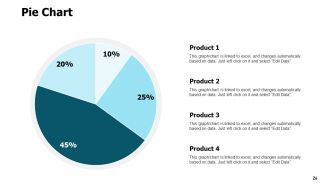
Slide 26: This slide displays Pie Chart with data in percentage.
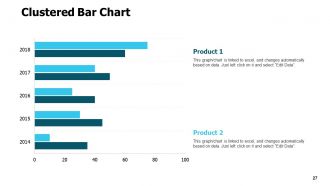
Slide 27: This slide represents Clustered Bar Chart with two products comparison.
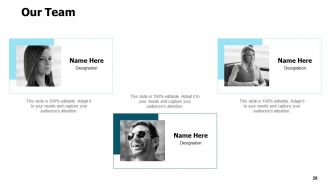
Slide 28: This is Our team slide with names and designation.
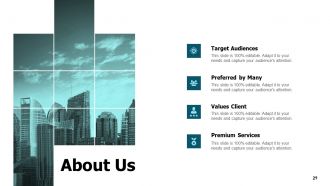
Slide 29: This is About Us slide to show company specifications etc.
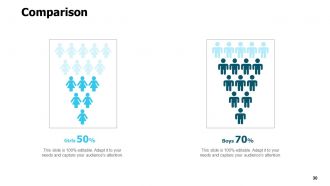
Slide 30: This is a Comparison slide to state comparison between commodities, entities etc.
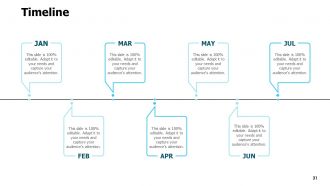
Slide 31: This is a Timeline slide. Show information related time period here.
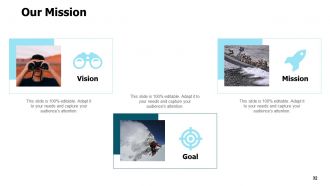
Slide 32: This is Our Mission slide with related imagery and text.
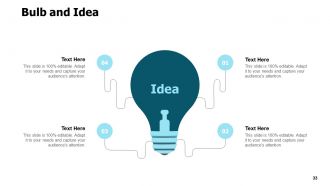
Slide 33: This is a Bulb and Idea slide to state a new idea or highlight information, specifications etc.
Slide 34: This is a Puzzle slide with text boxes to show information.
Slide 35: This is a Venn slide with text boxes.
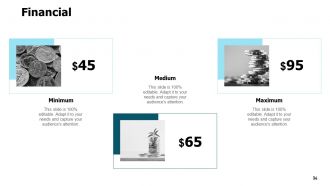
Slide 36: This is a Financial slide. Show your finance related stuff here.
Slide 37: This slide shows Mind Map for representing entities.
Slide 38: This slide displays Post it. Post your important notes here.
Slide 39: This is a Quotes slide to highlight or state anything specific.
Slide 40: This is a Thank You slide with address, contact numbers and email address.
Strategic business plan powerpoint presentation slides with all 40 slides:
Consent is guaranteed with our Strategic Business Plan Powerpoint Presentation Slides. Folks find your arguments highly convincing.
-
Strategic Business Plan
-

Agenda Slide
-
Strategic Business Plan
-
Executive Summary
-
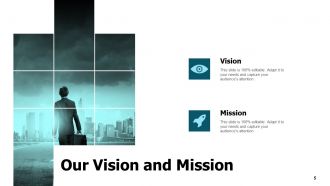
Our Vision and Mission
-
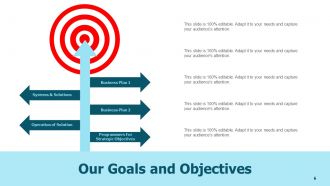
Our Goals and Objectives
-
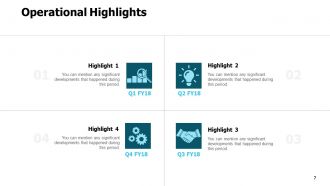
Operational Highlights
-
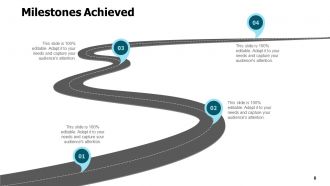
Milestones Achieved
-
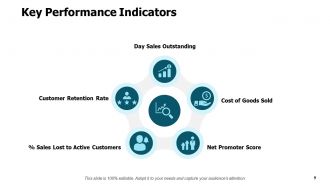
Key Performance Indicators
-
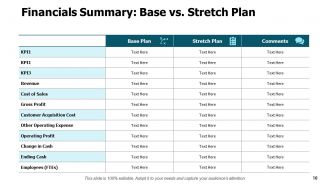
Financials Summary Base vs Stretch Plan
-
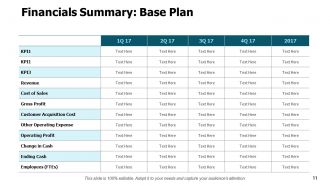
Financials Summary Base Plan
-
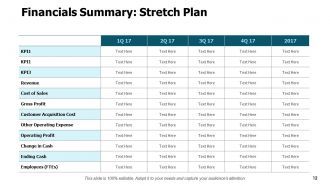
Financials Summary Stretch Plan
-
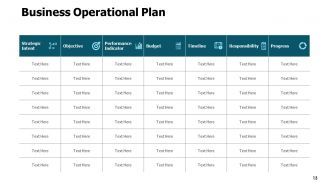
Business Operational Plan
-
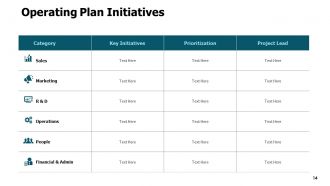
Operating Plan Initiatives
-
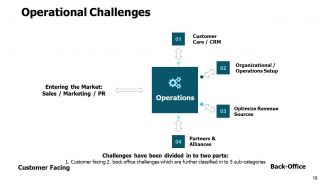
Operational Challenges
-
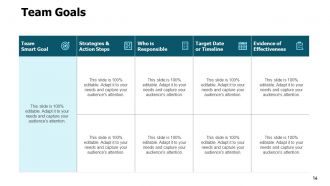
Team Goals
-
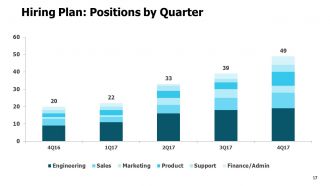
Hiring Plan Positions by Quarter
-
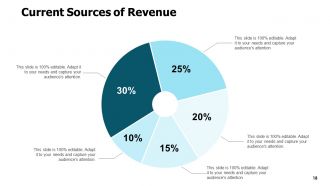
Current Sources of Revenue
-
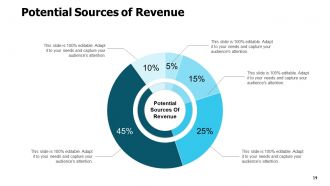
Potential Sources of Revenue
-
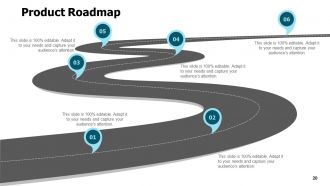
Product Roadmap
-
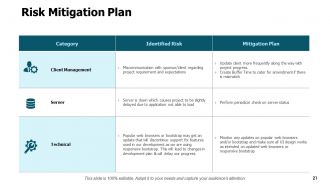
Risk Mitigation Plan
-
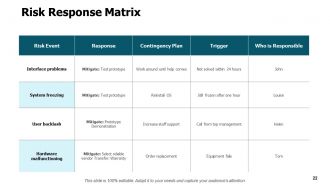
Risk Response Matrix
-
Strategic Business Plan Icons Slide
-

Coffee Break
-
Additional Slides
-
Pie Chart
-
Clustered Bar Chart
-
Our Team
-
About Us
-
Comparison
-
Timeline
-
Our Mission
-
Bulb and Idea
-
Puzzle
-
Venn
-
Financial
-

Mind Map
-

Post It
-
Quotes
-
Strategic Business Plan
FAQs for Strategic business plan
You'll want an executive summary, market analysis, competitive landscape, value proposition, marketing strategy, operations plan, financials, and timeline with milestones. Write the exec summary last though - it's just everything else condensed. Most people totally blow off the competitive analysis, but that's honestly where you find the best opportunities. Don't make your financial projections crazy optimistic either. Oh, and make sure everything connects instead of having random disconnected sections. I'd start with whatever part you actually understand best right now.
Don't just stick all your market research in one boring section - thread it through everything. Use customer insights to build your value prop first. Market size should actually drive those revenue numbers you're projecting. I've watched so many founders completely disconnect their data from strategy, and it's painful. Your pricing decisions? Back them with competitive intel. Distribution choices need market evidence too. Honestly, every major call should have solid research behind it - otherwise you're just guessing and hoping investors won't notice.
Honestly, think of financial projections as your bullshit detector for big ideas. You can't just say "let's expand to new markets" without crunching the actual numbers - what's it gonna cost? How long until we see returns? They help you figure out which moves to make first based on ROI. Plus any investor worth their salt will want to see the math anyway. The trick is being realistic but not too conservative. I've seen too many people get burned by overly rosy projections that looked great on paper but crashed in reality.
So track the obvious stuff first - revenue, customer growth, market share, whatever goals you actually wrote down. I'd do quarterly check-ins because monthly feels like overkill honestly. Financial metrics are easy to measure, but don't ignore the fuzzy things like how happy your employees are or if customers actually like you. Those take forever to shift but matter more than people think. Build yourself a basic dashboard so you're not drowning in spreadsheets. And yeah, be ready to change course if the numbers consistently suck. Your plan should evolve, not collect dust.
Okay so first thing - you'll need to repeat your goals way more than feels normal. Seriously, like annoyingly often. Set up cascading objectives where each team's stuff connects to the big picture. Monthly check-ins beat quarterly ones because you catch problems early. Town halls are fine for the overview, but smaller team meetings? That's where people actually ask real questions. Oh and dashboards help - everyone loves watching those progress bars fill up. The whole point is making sure people see how their random Tuesday tasks actually matter for the bigger strategy. Otherwise they're just going through the motions.
Honestly, I'd look at three things: impact, urgency, and what you can actually pull off with your current setup. Figure out which goals will actually move your business forward - those are your winners. Some opportunities have expiration dates too, so timing matters. Don't bite off more than you can chew though. Maybe do a quick scoring system instead of just winging it? I learned this the hard way - stick to 3-5 priorities max or you'll spread yourself too thin. Oh, and tackle the foundation stuff first since everything else usually builds on that.
Oh man, the vague goals thing kills me - like when people say "boost sales" instead of "hit 25% growth by Q4." Actually measurable targets are everything. Don't plan alone either, you'll miss so much without team input or knowing what competitors are up to. Keep it short too - nobody reads those massive strategy docs that go on forever. Budget realistically because everyone underestimates costs and timelines. Seriously, whatever you think something will take, add 20% more time. Things always get messy.
Put your mission and vision right at the top in the executive summary - that's where people actually read. Then connect each section back to them somehow. Mission = what you do and why you exist. Vision = where you're going. Write them in normal English, not that weird corporate speak that makes everyone's eyes glaze over. I've seen way too many business plans where these are randomly shoved in the middle somewhere and it's just... why? Test them out on a few people first to make sure they don't sound completely ridiculous. Every major section should tie back to advancing your vision.
SWOT analysis basically forces you to get real about your business situation before diving into planning. You know how we always get carried away thinking everything will go perfectly? This stops that. It makes you face your actual strengths and weaknesses head-on, plus figure out what opportunities and threats are lurking out there. Honestly, the internal stuff (strengths/weaknesses) is way easier to nail down first - the external market forces can get pretty messy to analyze. But you'll end up with strategies that actually work with what you've got instead of some fantasy version of your business.
Honestly, I'd say at least once a year, but quarterly is way better. Markets move so damn fast now. Look at COVID - tons of companies had to trash their whole strategy halfway through 2020. That was wild. Your plan should be more like a Google doc you keep tweaking, not some fancy binder collecting dust. I always tell people to set phone reminders for reviews. When your assumptions get proven wrong or some crazy opportunity pops up, don't be stubborn about sticking to the original plan. Pivot when it makes sense.
Dude, there's so many good options out there. Business Model Canvas is clutch for mapping your value prop and partnerships. SWOT analysis templates are solid too - they'll walk you through strengths, weaknesses, all that stuff. For financials, LivePlan works great but honestly Excel does the job fine. Don't get too caught up in fancy tools though. Some of my best planning sessions happened with just a whiteboard and coffee. Industry reports from IBISWorld give you the market data you need. My advice? Pick maybe two tools max that your team actually likes using, then build from there.
Start by building risk assessment into every phase of your planning. For each major goal, identify what could go sideways - market shifts, operational hiccups, competitors doing something unexpected. Score each risk by probability and impact. That helps you figure out what actually matters versus what's just noise. Create backup plans before you need them, not when everything's already on fire. Schedule risk check-ins during your quarterly reviews and honestly, make sure someone specific owns each risk area. Don't just hope for the best - have actual mitigation strategies ready to go.
Track leading and lagging indicators that actually matter for your goals. Leading ones predict what's coming - stuff like acquisition rates, employee engagement, pipeline health. Lagging shows what already went down - revenue, market share, retention rates. Pick 3-5 key metrics per objective max. More than that and you'll go crazy trying to track everything (learned this the hard way). Each metric needs a clear target and someone who owns it. Monthly check-ins help you catch trends early. Then do quarterly deep dives when you need to pivot or fix what's broken.
Get feedback from your stakeholders - surveys, interviews, whatever works. Most companies completely blow this off and then act shocked when things don't work out. When you see the same issues coming up repeatedly, like timing concerns or budget problems, pay attention to that stuff. But here's the thing - don't just collect all this feedback and let it sit there. You need some kind of system to actually sort through it and figure out which suggestions are worth building into your plan.
Honestly, culture can totally make or break your whole strategic plan. I've watched amazing strategies crash and burn because nobody thought about this part. Here's the thing - if your team's values don't match what you're trying to do, good luck getting buy-in. People will smile and nod in meetings, then go back to doing whatever they were doing before. Your culture literally shapes how decisions get made and how people work together. So yeah, take a hard look at whether your current vibe actually supports where you want to go. You might need to shake things up first.
-
that's very good ppt
-
that's very good ppt template