

Business Strategy Powerpoint Presentation Slides





Try Before you Buy Download Free Sample Product
 Impress Your
 Audience
 100%
100% Editable
 Save Hours
 of Time


Achieve business goals and objectives with the help of content-ready Business Strategy Powerpoint Presentation Slides. Improve company’s market position and overall performance using professionally and innovatively designed business strategy PPT presentation templates. This business strategy PowerPoint slideshow will help you develop plans and techniques and execute plans as well to accomplish those business goals. Follow a set of competitive moves to have your business attract customers. Create a plan to let your business reach out to its goals using business strategy PPT presentation designs. This company strategy PowerPoint deck covers topics like executive summary, mission vision values, management board, targets for the next business quarter, establish a value proposition, marketing plan objectives, identifying new marketing channels, brand promotion strategies for engagement, look to your competition, focus on your strengths, product feature comparison, annual budget, assets & revenue, company sales & performance dashboard, financial projections for strategic planning, funding requirement, use of funds, recruitment plan, operational plan, project timeline chart, swot analysis, and more. Get access to the business strategy PowerPoint presentation slides to formulate strategies to secure a competitive position in the market. Be hardy to the core with our Business Strategy Powerpoint Presentation Slides. They help you display great endurance.
People who downloaded this PowerPoint presentation also viewed the following :
Content of this Powerpoint Presentation
Business strategy gives direction and focus, ensuring that all actions and decisions are consistent with the organizational objectives. The strategy enables firms to foresee and react to market changes, industry trends, and competitive challenges. It promotes effective resource allocation by ensuring that resources like finances, human capital, and technology are used efficiently to maximize profits.
However, structuring a framework for successfully implementing these strategies is difficult. This is where our templates come in handy.
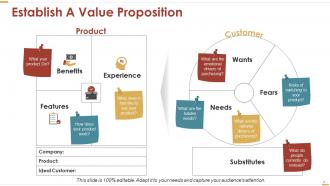
Achieve corporate goals and targets using these content-ready Business Strategy PowerPoint Presentation Slides. These professionally prepared templates can help you improve your company's market position and performance. It includes the executive summary, mission, vision, values, management board, following business quarter objectives, value proposition development, and more. A few slides you should include in your presentation are shown below.
Let's explore!
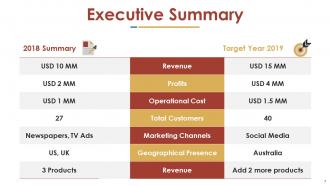
Template 1: Executive Summary
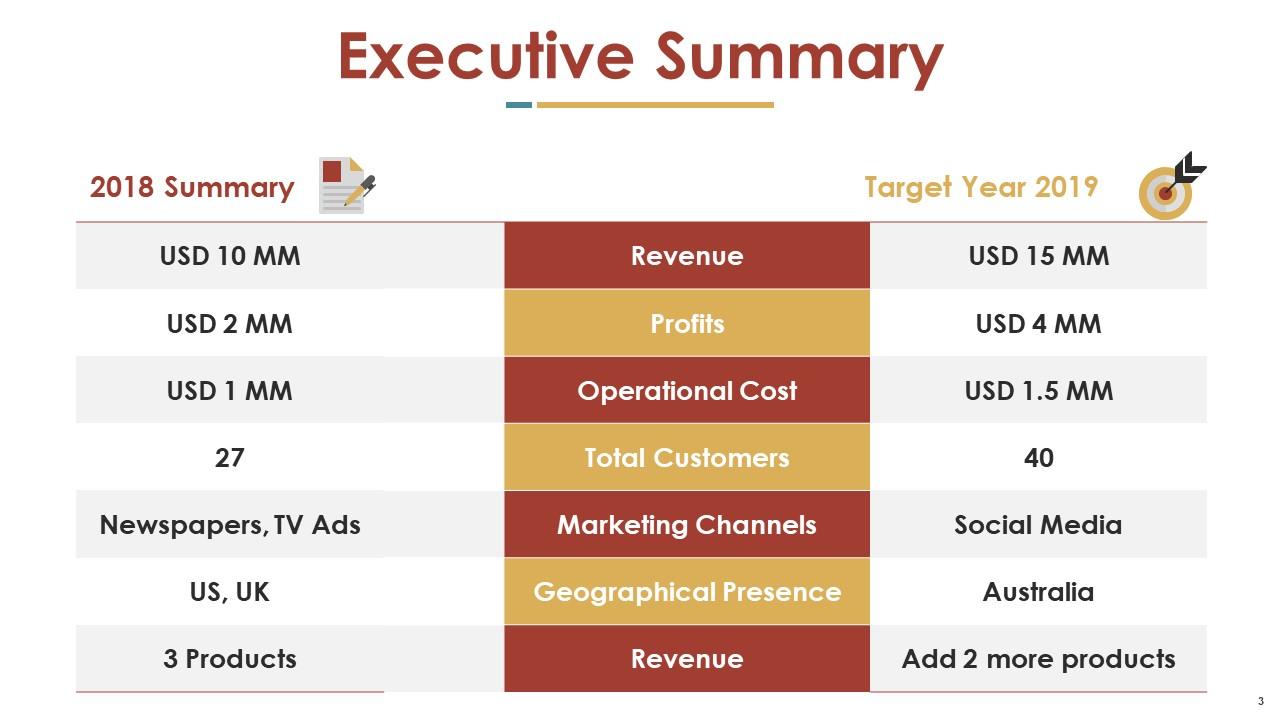
The significance of an executive summary stems from its capacity to offer stakeholders a brief understanding of the presentation's essence without going into detail. The following slide highlights a summary of the previous year and targets for the following year. The summary is based on revenue, profits, operational costs, total customers, marketing channels, revenue, etc. It emphasizes the significant objectives, strategies, and results, allowing decision-makers to understand the importance and make informed decisions more efficiently.
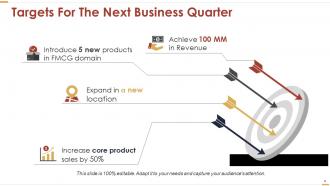
Template 2: Targets for the Next Business Quarter
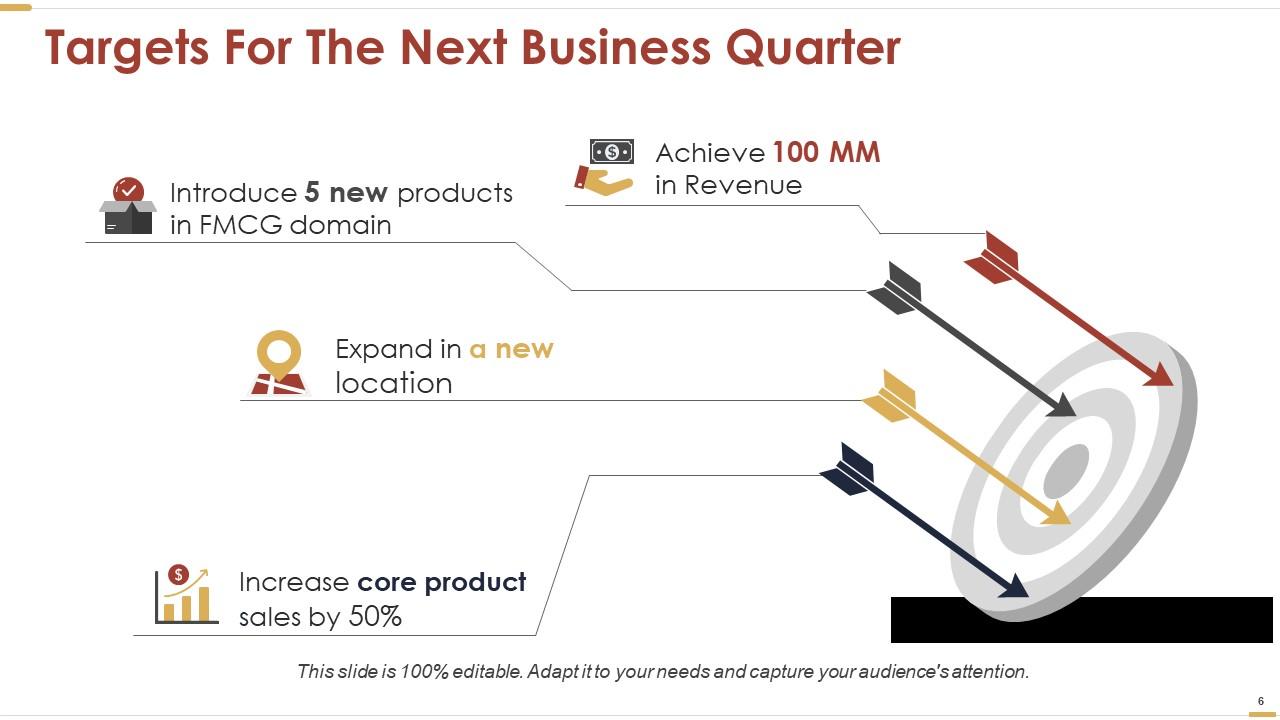
Setting targets for the next business quarter is essential because it provides a clear focus and direction for the organization, ensuring that activities are aligned with specified goals. This helps prioritize jobs and resources appropriately. Targets also act as standards for monitoring development and performance, encouraging staff to be accountable and strive towards common goals. This PPT Slide represents targets in terms of revenue, launching new products, expansion, and increase in sales.
Template 3: Marketing Plan Objectives
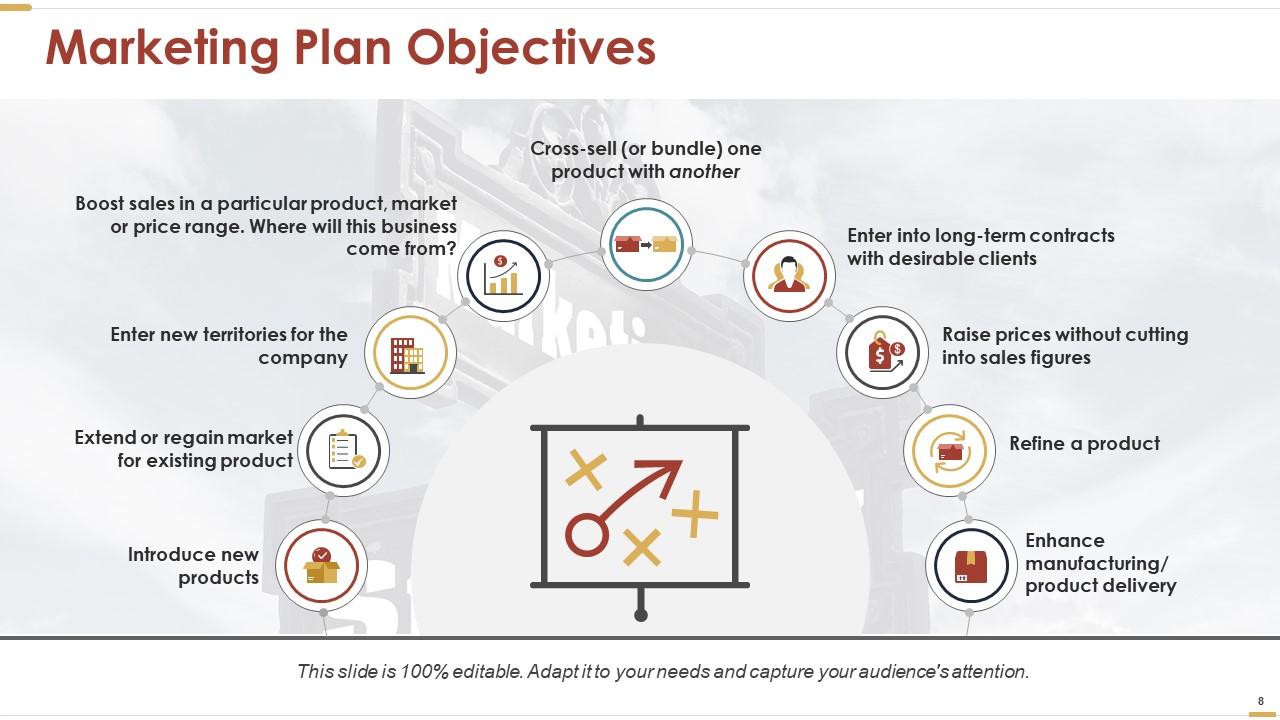
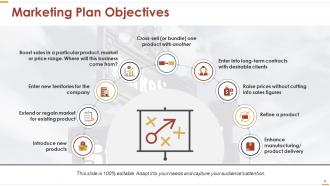
This PowerPoint Slide showcases that marketing plan objectives identify particular targets that the company hopes to achieve with its marketing activities within a set timeline. It involves raising brand exposure, gaining market share, increasing sales income, improving consumer interaction, or introducing new items. It gives a road map for developing marketing strategies, allocating resources, and defining performance goals. Finally, they combine marketing operations with company objectives to achieve desired results and generate long-term success.
Template 4: Brand Promotion Strategies for Engagement
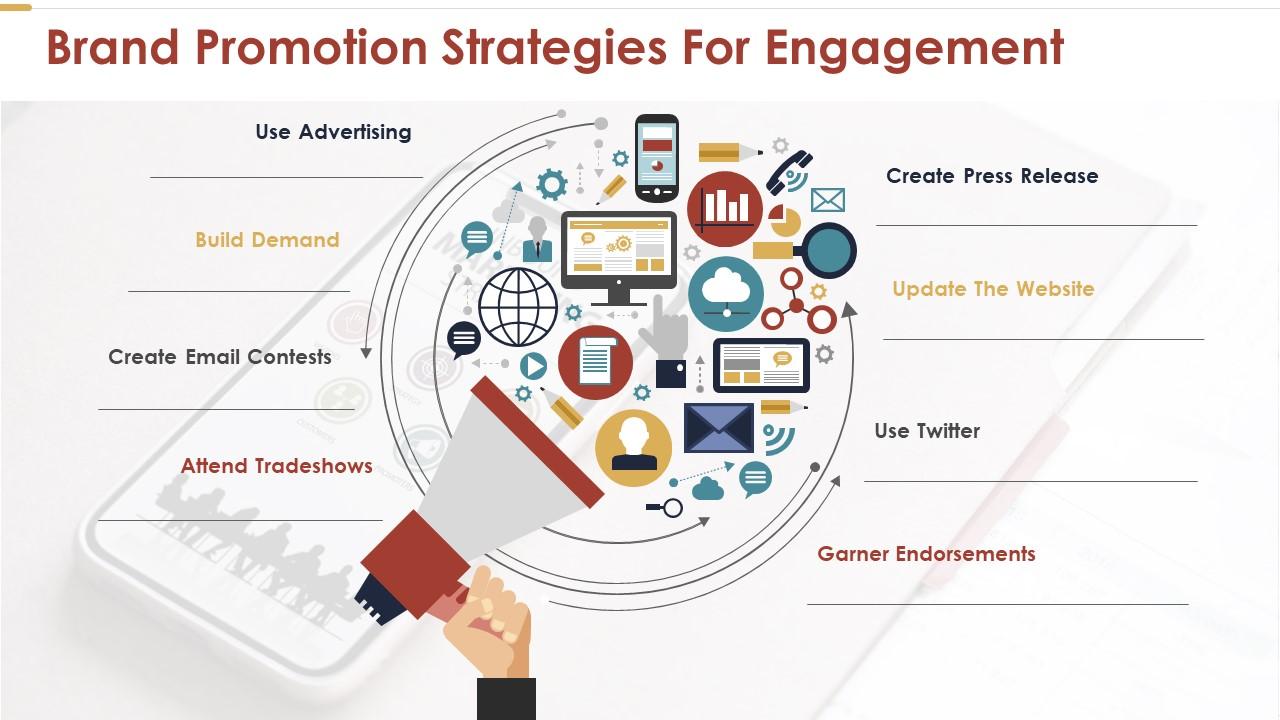
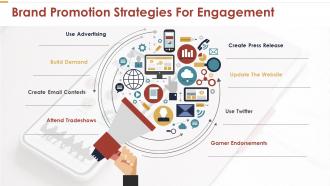
This PowerPoint Slide demonstrates how brand promotion strategies for engagement involve various approaches to increasing brand awareness and attracting and keeping customers. For example, Advertising campaigns use a variety of mediums to reach their target consumers efficiently. Building demand generates anticipation and excitement for items or services via clever marketing initiatives. Email competitions engage and reward audiences, increasing interaction and brand recognition. Press conferences are forums for delivering brand stories and statements, increasing trust and media exposure. Leverage its design and information to give a compelling slideshow.
Template 5: Look To Your Competition
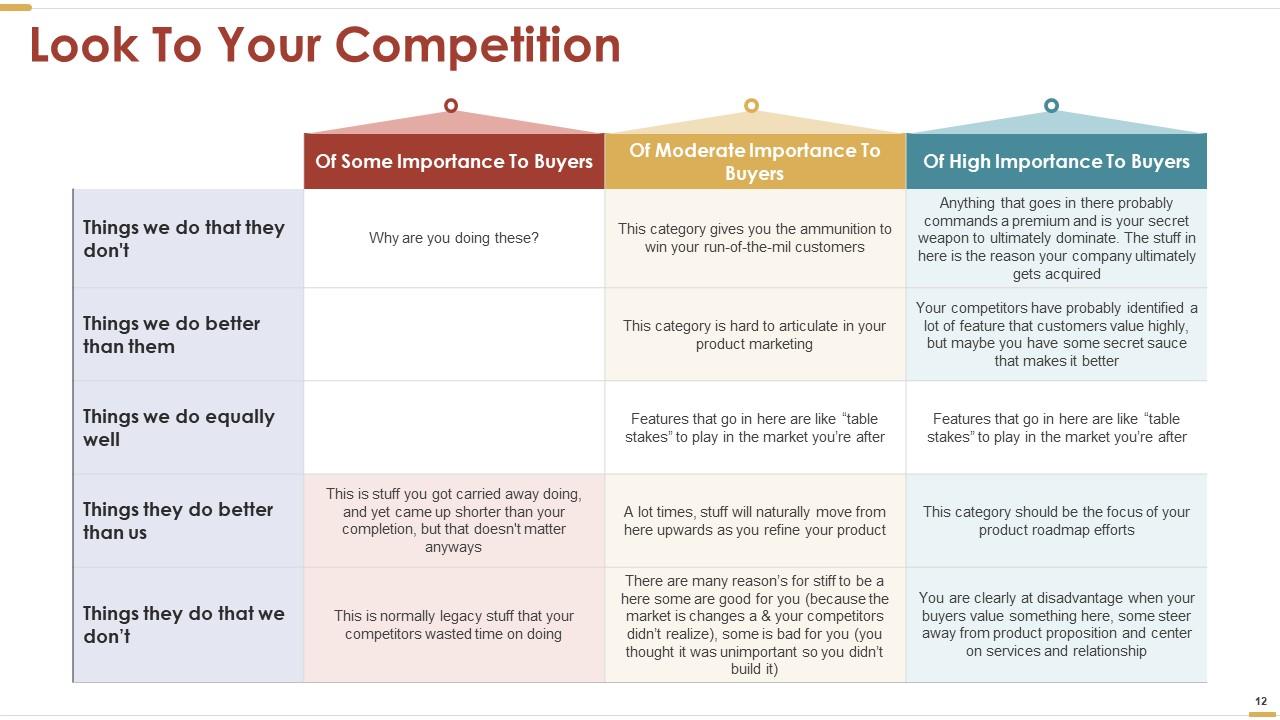
This PowerPoint slide compares the company and its competitors. It includes color-coded elements that emphasize business concerns, classifying them as high, moderate, or low priority. It also identifies the business's distinguishing features compared to competitors, areas in which it succeeds, and areas of equality. This slide helps with strategic analysis by visually exhibiting competitive advantages and disadvantages, which informs decision-making about positioning in the market, product distinction, and areas for improvement to better satisfy consumer demands and preferences.
Template 6: Annual Budget
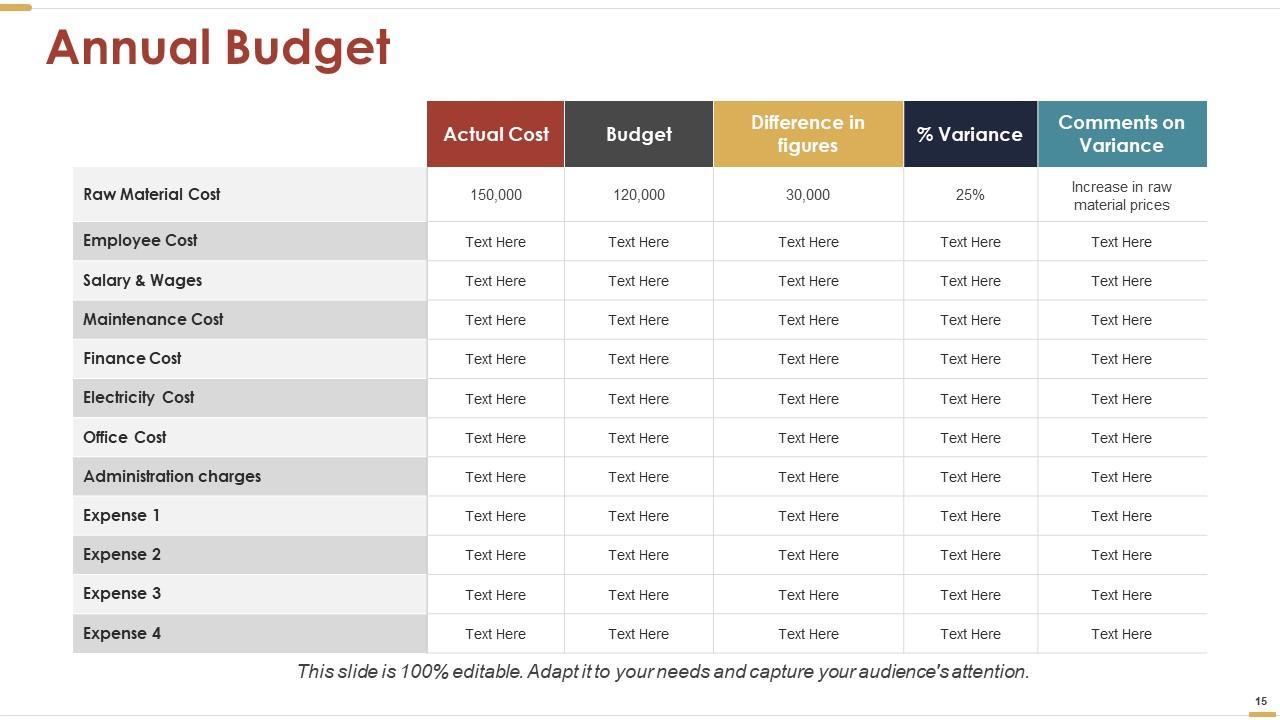
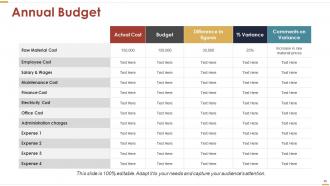
This PowerPoint slide outlines a company's planned revenues, costs, and investments for a single year. It contains estimated sales, operational costs, salaries, marketing expenses, investment, and expected profits or losses. Its relevance to business owners emerges from its position as a financial decision-making roadmap, giving a framework for deploying resources efficiently, managing cash flow efficiently, and evaluating performance against goals. It enables proactive cost-cutting measures, capitalizing on growth possibilities, securing financing, and ensuring long-term sustainability by combining financial strategies with corporate goals.
Template 7: Financial Projections for Strategic Planning
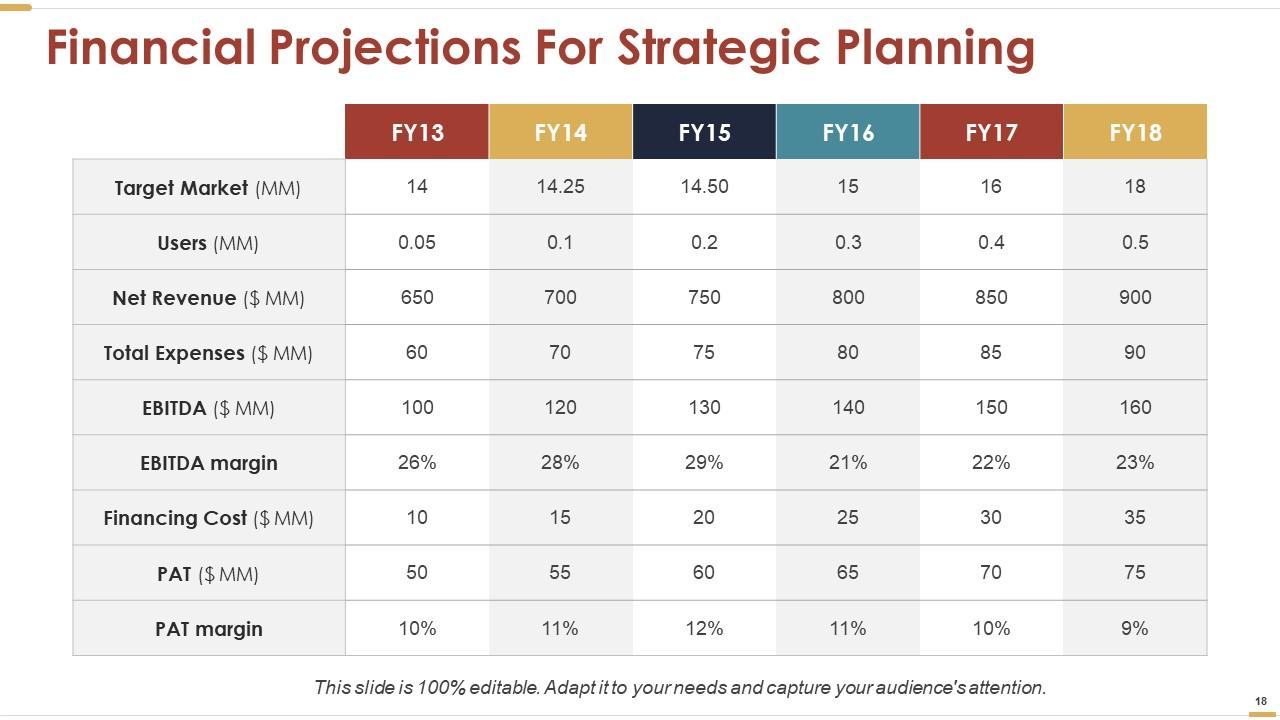
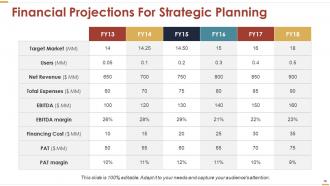
Financial projections for strategic planning comprise estimating income, costs, and financing requirements over multiple years to help with strategic decision-making. This PowerPoint Slide estimates net revenue, total expenses, and financing costs, considering market trends and user growth. A target market study is also provided to help estimate possible income streams and expense forecasts for operational and administrative costs. Financial forecasts give information on the viability and sustainability of strategic projects, which helps with the distribution of resources, budgeting, and goal setting to lead the organization toward long-term success.
Template 8: Project Timeline Chart
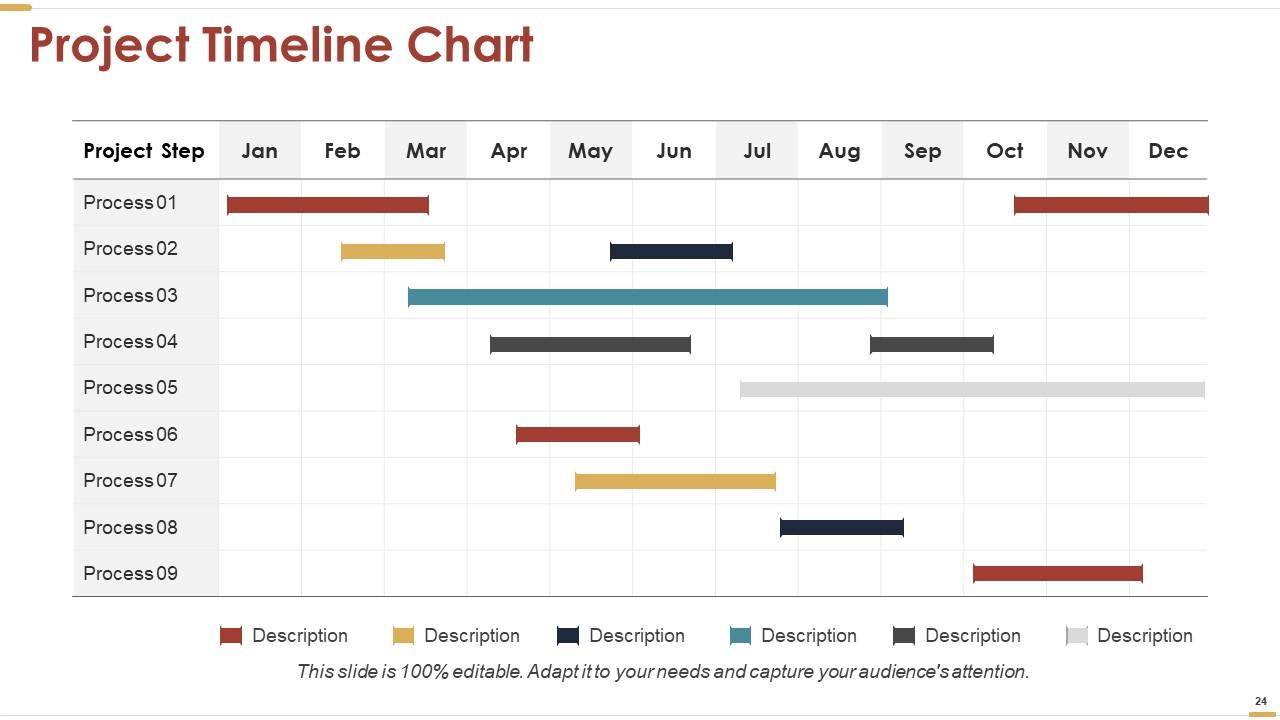
A Project Timeline Chart graphically illustrates project activities, milestones, and deadlines across time, assisting with strategic planning. This PowerPoint Slide features color-coded sections to improve business owners' comprehension, enabling easy identification of critical stages and possible bottlenecks. The advantages include transparent communication of project progress, resource allocation optimization, and proactive handling of deadlines and dependencies. It promotes consistency among employees and stakeholders, ensuring everyone stays on track to meet strategic objectives.
Template 9: Strategic Plan Development
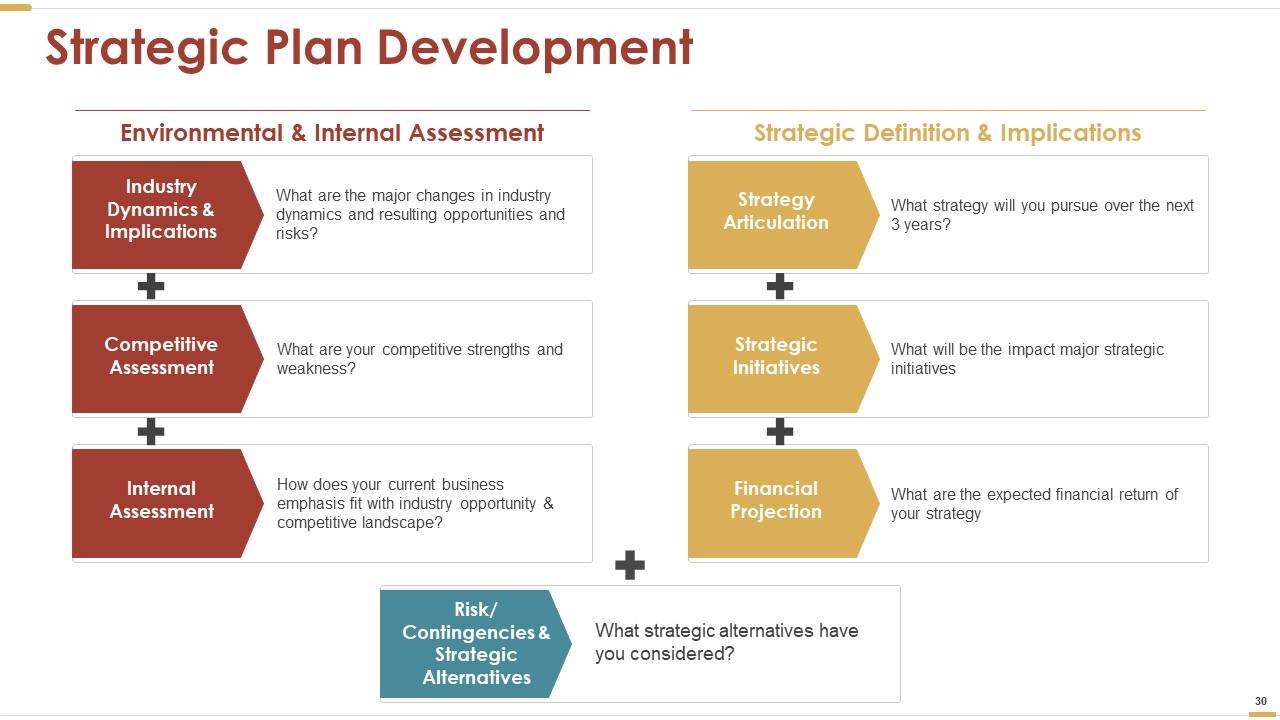
This PowerPoint slide illustrates developing a strategic plan to meet long-term organizational goals. It starts with an environmental evaluation, which considers external elements such as trends in the market, competitors, and regulatory changes. An internal evaluation simultaneously assesses abilities, shortcomings, funds, and skills. This information develops a strategic definition, detailing specific goals and directions connected with the company's objective. The plan's implications are carefully analyzed, including preparing for possible risks and alternatives. The result is a complete strategy that guides the allocation of resources, decisions, and operations to ensure long-term development and competitive advantage.
Template 10: Key Success Indicators Dashboard
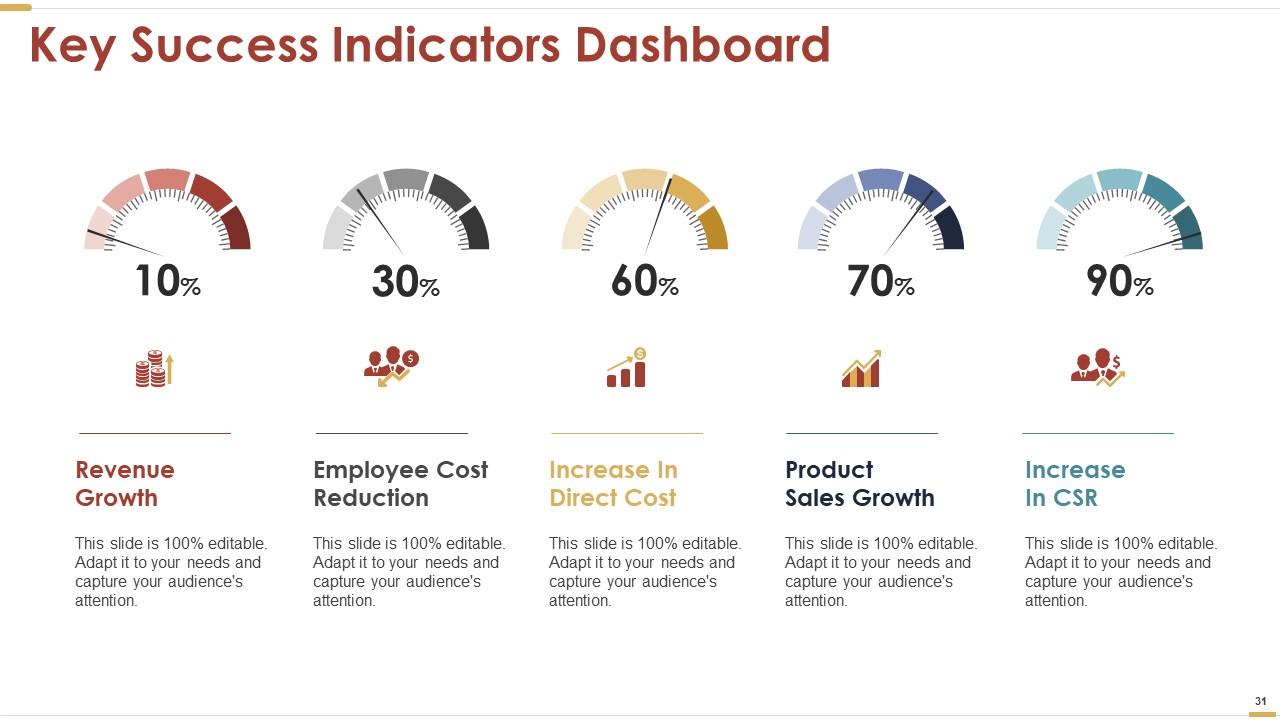
This PowerPoint slide presents a Key Success Indicators (KSI) Dashboard, which clearly depicts essential indicators necessary for assessing the performance of corporate strategies. Typically, it contains key performance indicators (KPIs) like sales growth, customer happiness, and profitability related to the company's strategic objectives. With the dashboard's real-time information, strategic changes may be made on time. This template also includes a comparative graph showcasing the percentage of revenue growth, employee cost reduction, increase in direct cost, etc.
Strategize, Execute, Succeed
Strategic planning allows firms to align their activities, resources, and decision-making processes with goals and objectives. Strategy is important because it provides direction, fosters innovation, manages risks, and facilitates long-term growth. Businesses that proactively analyze their internal and external settings can obtain a competitive edge, adjust to market changes, and capitalize on opportunities. Finally, strategic thinking and planning are essential for firms to traverse complexity, prosper in dynamic circumstances, and achieve long-term success in today's ever-changing economy. Download these templates to kickstart your strategy planning and implementation process most effectively.
Business Strategy Powerpoint Presentation Slides with all 50 slides:
Figure out the complexities with our Business Strategy Powerpoint Presentation Slides. Get a good grasp of the essentials.
-

Business Strategy
-
Business Strategy Presentation Outline
-
Executive Summary
-
Mission Vision Values
-
Management Board Organization Chart
-
Targets for the Next Business Quarter
-
Establish A Value Proposition
-
Marketing Plan Objectives
-
Identifying new Marketing Channels
-
Brand Promotion Strategies For Engagement
-
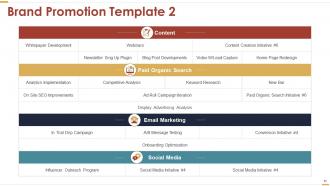
Brand Promotion Template 2
-
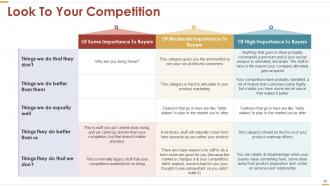
Look To Your Competition
-
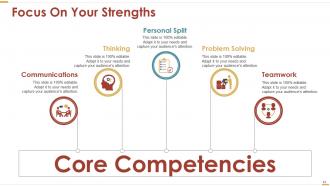
Focus On Your Strengths
-
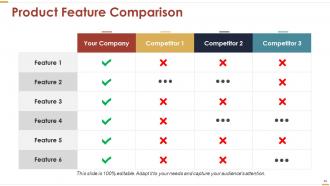
Product Feature Comparison
-
Annual Budget
-
Assets Revenue Financial Summary
-
Company Sales Performance Dashboard
-
Financial Projections for Strategic Planning
-
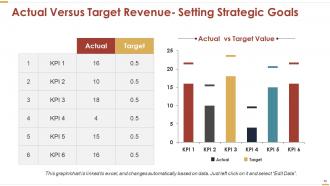
Actual Versus Target Revenue Setting Strategic Goals
-
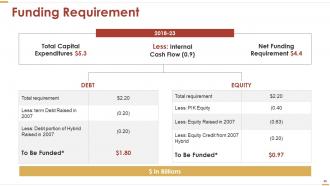
Funding Requirement
-
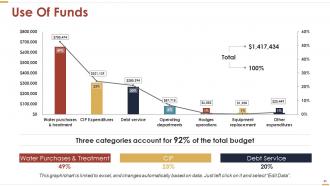
Use Of Funds
-
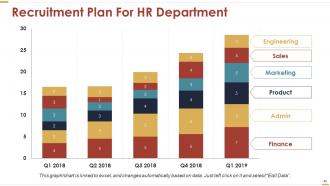
Recruitment Plan for HR Department
-
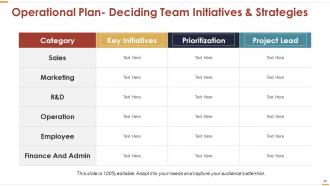
Operational Plan Deciding Team Initiatives Strategies
-
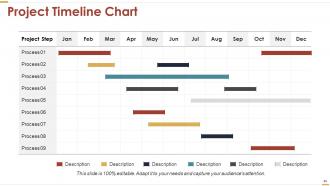
Project Timeline Chart
-
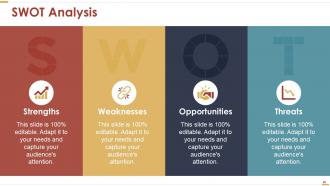
SWOT Analysis
-
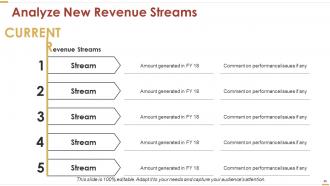
Analyze New Revenue Streams
-
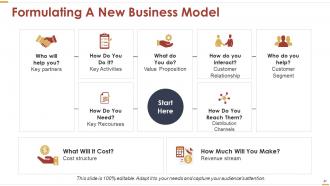
Formulating A New Business Model
-
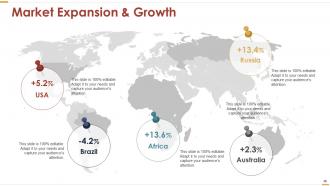
Market Expansion Growth
-
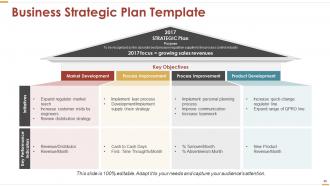
Business Strategic Plan Template
-
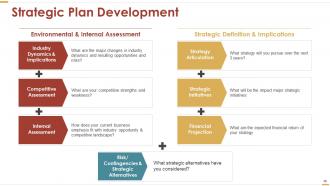
Strategic Plan Development
-
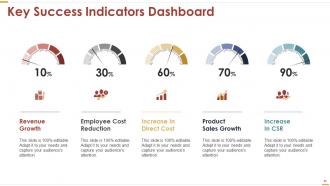
Key Success Indicators Dashboard
-

Let s have a Coffee Break
-
Business Strategy Icons Slide
-
Charts Graphs
-
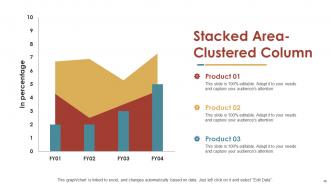
Stacked Area Clustered Column
-
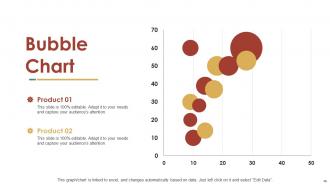
Bubble Chart
-
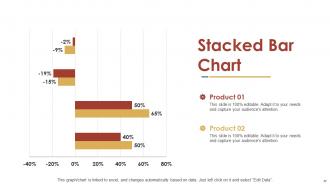
Stacked Bar Chart
-
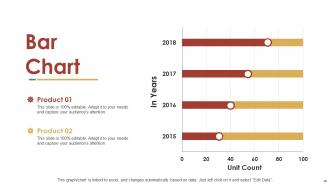
Bar Chart
-
Additional Slides
-

Our Mission
-
About Us
-

Our Team
-
Our Goal
-
Financial
-
Comparison
-
Post It
-
Mind Map
-
Timeline
-
Bulb Or Idea
-

Thank You Slide
FAQs for Business Strategy
Honestly, you need four main things for a solid business strategy. First - know exactly where you're going (write your vision in one sentence, seriously). Understanding your target market inside and out comes next. Then figure out what actually makes you different from competitors. Set measurable goals with real deadlines too. The financial piece is huge - I've watched so many good ideas tank because founders just... ignored the money part? Wild. Don't forget execution plans and how you'll pivot when stuff goes sideways. Most important though: make sure everything connects. Your team can't rally around scattered pieces.
Honestly, SWOT analysis is just a fancy way to stop making decisions on impulse. You map out your strengths, weaknesses, opportunities, and threats - sounds boring but it actually works. What's cool is when you start connecting the dots between categories. Like, maybe your biggest strength can help you grab an opportunity faster than competitors. Or you realize a weakness makes you super vulnerable to some threat you hadn't considered. I used to think it was corporate BS, but it genuinely helps you see blind spots. Next time you're stuck on a big choice, just try it out and see what clicks.
Market segmentation totally changes how you approach strategy - you're forced to pick your battles instead of going after everyone. Honestly, the "something for everyone" approach is just a recipe for mediocrity. You can actually design products and pricing around specific groups, which makes your marketing way more effective. Plus your budget isn't spread thin across random audiences. It's also great for finding those overlooked market gaps. The trick though? Only go after segments that match what you're actually good at. I've seen too many companies chase trends they had no business pursuing.
Look, competitive analysis is your sanity check for strategy. It shows where you actually stand vs where you think you do. Study their strengths, weaknesses, pricing - the whole deal. This helps you spot gaps and opportunities you'd miss otherwise. Too many strategies crash because teams live in bubbles (seen it happen way too much). You'll be able to predict how competitors might react to your moves. Plus you can catch market trends early instead of scrambling later. Just don't make it a one-and-done thing - check in regularly.
Honestly, new tech just flips everything upside down. AI's automating stuff I didn't even know could be automated, and the data insights are wild - like you suddenly understand your customers in ways that completely change how you think about your market. Blockchain and IoT are creating business models that didn't exist five years ago. The companies killing it right now? They're not just using these tools, they're letting tech reshape their entire approach. Oh, and cloud computing obviously changed everything too. Start with whatever tech actually solves your biggest headache right now.
Honestly, you need both financial and operational stuff to really know what's happening. Revenue growth and profit margins are obvious ones. Customer acquisition cost and retention rates tell you if people actually want what you're selling. I'd also track employee engagement - sounds boring but unhappy teams tank everything else. Market share shows if you're actually beating competitors or just fooling yourself. Here's the thing though - don't go crazy with like 20 metrics. Pick maybe 5-7 that actually connect to your main goals and check them monthly. Otherwise you'll drown in data and miss what actually matters.
Set KPIs that track both sides - quarterly revenue plus stuff like customer lifetime value. But here's the thing: make sure your short-term plays actually build toward your bigger goals instead of screwing them up later. I've watched companies chase quick wins that totally bit them in the ass. Before jumping on any quarterly opportunity, ask yourself "does this fit our 3-year plan?" Also keep explaining the long-term strategy to your team - they need to get why some short-term pain is worth it. Focus on short-term moves that genuinely speed up your strategic goals, not just make the numbers look pretty.
Honestly, you've gotta get your stakeholders involved early or you'll regret it later. Start by mapping out who actually matters - customers, employees, investors, whoever. Then set up real ways to get their input throughout planning. Here's the thing: people will totally back a strategy they helped create vs something dropped on them from management. You'll also catch blind spots and roadblocks before they wreck everything. Plus customers and employees know stuff about market realities you probably missed sitting in meetings all day. Trust me on this one.
Honestly, most companies screw this up because they think they already know what's happening in their market. You've gotta dig deeper than surface trends - talk to your actual customers and really analyze the data to see what's driving their behavior. That's step one. Before you make any big moves though, test everything small first. Pilot programs, limited rollouts, whatever works. I've seen too many businesses go all-in on a pivot without validating it first - total disaster. The sweet spot is being brave enough to actually change but not so reckless that you're just guessing your way through it.
Honestly? Most strategies crash because nobody explains WHY we're doing this stuff. Leadership just dumps new plans on people without context - it's brutal. Plus everyone tries to fix everything simultaneously, which is insane. I've watched amazing strategies completely tank because teams got stretched across like five different priorities. Resource allocation becomes a nightmare. The worst part though is when no one actually checks if anything's working until it's way too late. My advice: pick maybe two big things max, communicate the hell out of them, and assign clear owners for each piece. Regular check-ins are clutch for catching problems early.
Oh man, culture stuff will totally make or break you internationally. Don't just translate your domestic strategy - that's a rookie mistake I've seen too many times. You'll need to rethink everything: product features, marketing messages, even how you price things. Communication styles vary wildly between countries. Some places love direct approaches, others think you're being rude. Business relationships work differently too - like, in some cultures you need to build personal connections first before anyone will buy from you. Definitely check out Hofstede's cultural dimensions research and find local partners early.
Look, CSR isn't some side project anymore - it's basically driving major business decisions now. Your brand positioning, resource allocation, operations... it all gets influenced by this stuff. Plus consumers will absolutely roast you on social media if you're being fake about it. Honestly, the smartest companies I've seen just weave it into their actual strategy from day one. Don't tack it on later. Even hiring is affected since good candidates want to work somewhere that matches their values. Supply chain decisions too. Start by figuring out where your company's values actually create real business opportunities. Way more authentic that way.
Think of scenario planning as your strategy's reality check. Pick 3-4 "what if" situations that could actually happen - market crashes, new competitors swooping in, supply chain mess-ups. Then map out how you'd handle each one. Honestly, it's way more useful than most planning exercises. The real trick is spotting early warning signs so you're not scrambling later. I'd start with whatever keeps you up at night - those big uncertainties. Build your scenarios around those fears and you'll catch problems you didn't even know were coming.
Honestly, it's like getting everyone to row in the same direction instead of just... staying busy, you know? Your team actually knows what matters vs. what's just busywork. Resources stop getting wasted on random stuff that doesn't move you forward. I've watched companies slash operational waste by 30% from this alone - pretty wild. The real payoff though? Strategic projects move way faster because your daily processes already support the big picture goals. Oh, and start by figuring out which processes actually impact your key outcomes. That's where the magic happens.
Honestly, data analytics is like having superpowers for business decisions. You'll spot customer patterns and market trends that are totally invisible otherwise. Which products are actually making money? Where should you expand next? Pricing strategies that work? Analytics shows you all that stuff. Plus you can predict demand spikes and catch issues before they blow up your budget - which has saved my ass more times than I can count. My advice? Pick one metric that actually matters to your goals and start there. Don't try to analyze everything at once.
-
good
-
Presentation Design is very nice, good work with the content as well.
-
Great product with effective design. Helped a lot in our corporate presentations. Easy to edit and stunning visuals.