


Business Strategic Management Powerpoint Presentation Slides




Try Before you Buy Download Free Sample Product
 Impress Your
 Audience
 100%
100% Editable
 Save Hours
 of Time


Outline the plan to clarify the mission and vision of your organization by using our content ready Business Strategic Management PowerPoint Presentation Slides. With the help of this organizational planning PPT deck, you can display marketing channels to launch a new product in the market. Use the corporate strategy PowerPoint graphics to describe the various brand promotion strategies for customer engagement. You can discuss how to develop the plan in the correct manner with the aid of this professionally designed business planning & management presentation template. Take the assistance of enterprise strategic management PowerPoint layout and mention the different steps of the business strategy like goal-setting process, strategy implementation, strategy formulation, and strategy monitoring. Employ marketing strategies PPT visual and portray the key points to achieve business targets or objectives in an efficient manner. Hence, download our ready-to-use strategic management process PPT deck for effective goals setting.
People who downloaded this PowerPoint presentation also viewed the following :
Content of this Powerpoint Presentation
Slide 1: This slide introduces Business Strategic Management. State Your Company Name.
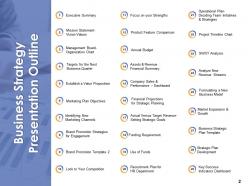
Slide 2: This slide showcases outline of Business Strategy Presentation.
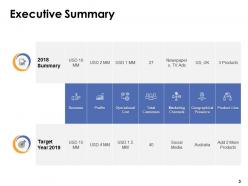
Slide 3: This slide presents Executive Summary.
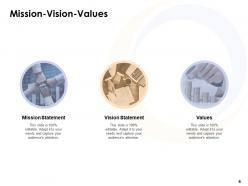
Slide 4: This is Mission-Vision-Values slide. Showcase your vision statement, mission statement and values.
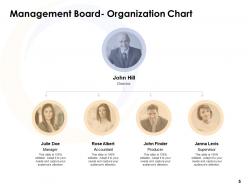
Slide 5: This slide presents Management Board-Organization Chart.
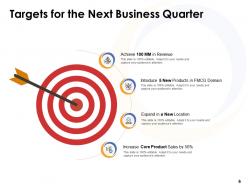
Slide 6: This slide displays Targets for the Next Business Quarter.
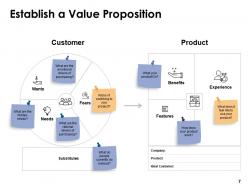
Slide 7: This slide showcases Value Proposition such as- Products, Customer, Features, Benefits, Experience etc.
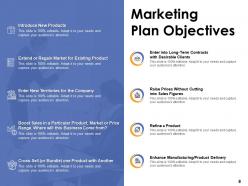
Slide 8: This is Marketing Plan Objectives slide.
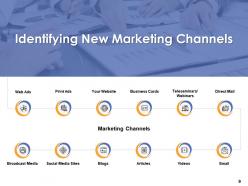
Slide 9: This slide represents Broadcast Media such as- Direct Mail, Web Ads, Print Ads, Business Cards etc.
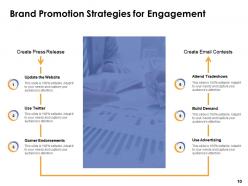
Slide 10: This slide describes Brand Promotion Strategies for Engagement.
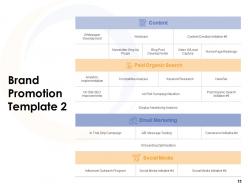
Slide 11: This is Brand Promotion Template slide.
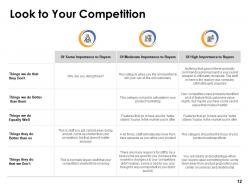
Slide 12: Look to your Competition
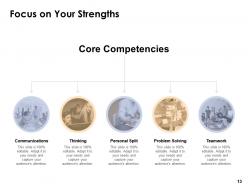
Slide 13: This slide presents Core Competencies.
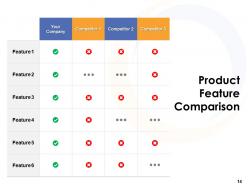
Slide 14: This slide displays Product Feature Comparison.
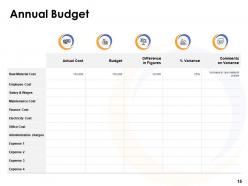
Slide 15: This slide presents Annual Budget.
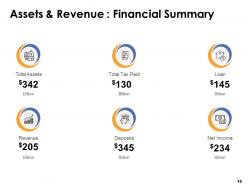
Slide 16: This slide represents Financial Summary with assets and revenues.
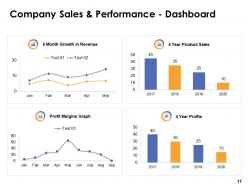
Slide 17: This is Company Sales & Performance Dashboard slide.
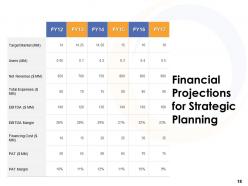
Slide 18: This slide displays Financial Projections for Strategic Planning.
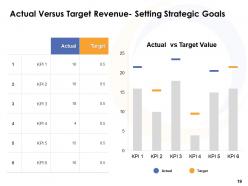
Slide 19: This slide represents Actual Versus Target Revenue.
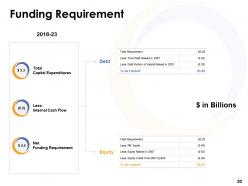
Slide 20: This slide displays Funding Requirement.
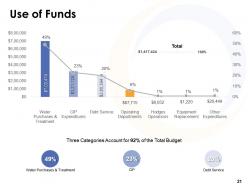
Slide 21: This slide presents Debt Service.
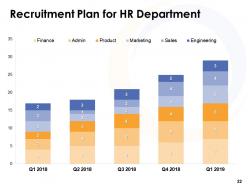
Slide 22: This slide showcases Recruitment Plan for HR Department.
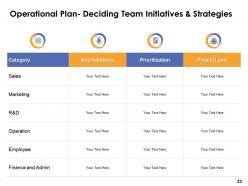
Slide 23: This slide depicts Operational Plan displaying Deciding Team Initiatives & Strategies.
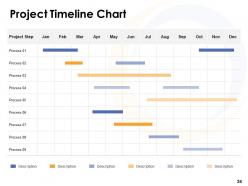
Slide 24: This slide represents Project Timeline Chart.
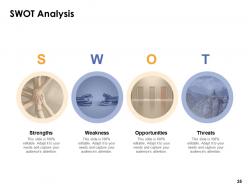
Slide 25: This slide presents SWOT Analysis.
Slide 26: This slide presents New Revenue Streams.
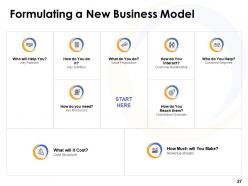
Slide 27: This slide displays Formulating a New Business Model.
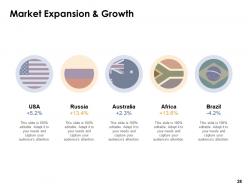
Slide 28: This slide represents Market Expansion & Growth of different countries.
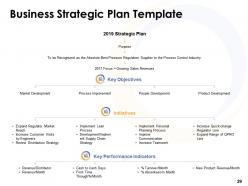
Slide 29: This slide showcases Business Strategic Plan including- Market Development, Process Improvement, People Development, Product Development, Expand regulator market reach, Increase customer visits by engineers, Review distribution strategy, Implement lean process etc.
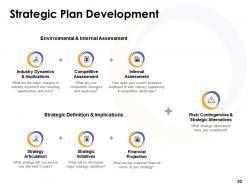
Slide 30: This slide represents Strategic Plan Development.
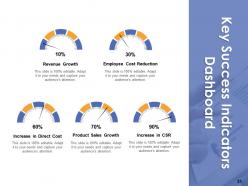
Slide 31: This slide presents Key Success Indicators Dashboard displaying revenue growth, employee cost reduction, increase in direct cost.
Slide 32: This slide displays the time for Coffee Break.
Slide 33: This slide is titled as Additional Slides for moving forward.
Slide 34: This is Business Strategic Management Icons Slide.
Slide 35: This is Puzzle slide with text boxes and icons.
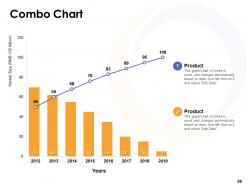
Slide 36: This slide displays Combo Chart with product comparison.
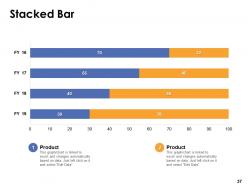
Slide 37: This is Stacked Bar chart with product comparison.
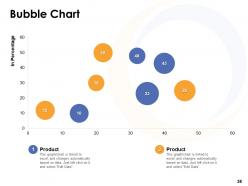
Slide 38: This is Bubble Chart slide showcasing comparison between the products.
Slide 39: This is Idea Generation slide to highlight ideas, information, facts etc.
Slide 40: This slide displays Magnifying Glass to highlight important content under the lens.
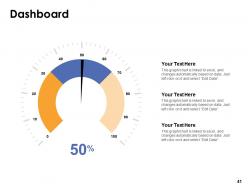
Slide 41: This is Dashboard slide.
Slide 42: This is Financials slide. Showcase your finance related stuff here.
Slide 43: This is Our Team slide with names and designation.
Slide 44: This is Comparison slide showcasing comparison between male and female users.
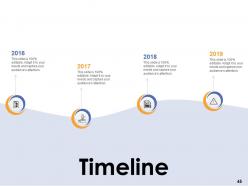
Slide 45: This is four years Timeline slide.
Slide 46: This is Thank You slide with address, email address and contact number.
Business Strategic Management Powerpoint Presentation Slides with all 46 slides:
Use our Business Strategic Management Powerpoint Presentation Slides to effectively help you save your valuable time. They are readymade to fit into any presentation structure.






FAQs for Business Strategic Management
Honestly, start with getting your leadership team on the same page first - that's half the battle right there. You'll need solid vision/mission statements and a really thorough market analysis. Competitive positioning is huge too, plus specific goals you can actually measure. Resource allocation plans are boring but necessary. Same with performance metrics to track how you're doing. Oh, and stakeholder buy-in is everything - I can't tell you how many brilliant strategies I've watched crash because nobody bothered getting key people excited about it. Timeline for implementation matters more than you'd think. Without execution, strategies are just expensive paperwork.
SWOT analysis is your best bet here - just map out strengths, weaknesses, opportunities, and threats. Look internally at your finances, operations, and what your team can actually handle. Then check external stuff like market trends, what competitors are doing, regulatory changes. Customer behavior too, obviously. Don't overthink it at first! Be honest about where you're weak and realistic about opportunities. I learned this the hard way but quarterly reviews are clutch because markets shift constantly. What's working now might bite you later if you're not paying attention.
So SWOT analysis is basically your reality check before making any big moves. Map out your strengths, weaknesses, opportunities, and threats - sounds boring but it actually shows you stuff you miss otherwise. Once you've got that laid out, you can figure out which projects are worth your time. Honestly, most people just do the exercise and then ignore it, which is pointless. The real value comes from using it to decide where you'll put your energy and money. It's like having a GPS for your strategy - you wouldn't drive cross-country without one, right?
Honestly, it's like getting everyone to row in the same direction instead of having half the boat going backwards. Resources get used way better, decisions happen faster, and people actually know what they're supposed to be doing. Your teams finally understand how their daily work fits into the bigger picture - which is huge for morale, trust me. No more of those "wait, why are we even doing this?" meetings that make everyone want to bang their heads against the wall. The trick is making sure what you're actually doing day-to-day matches your big goals. Sounds basic but companies mess this up constantly.
Honestly, most companies fail because their teams don't actually get what they're trying to do. Like, management thinks they explained the strategy clearly but everyone's confused. Then there's the whole buy-in issue - people just aren't motivated to execute. Oh, and unrealistic timelines are killer. I've watched so many places try changing everything at once instead of picking their battles. You can't track success if you're measuring the wrong stuff either. My take? Start way smaller, talk to your people constantly, and make sure everyone knows exactly what they're supposed to do.
So Porter's Five Forces breaks down all the stuff that could mess with your business - suppliers, buyers, new competitors, substitutes, and existing rivalry. Way better than just randomly worrying about what your competition's doing. Think of it as your business early warning system, I guess? You'll spot where you're actually vulnerable versus where you're solid. The trick is checking it regularly though - like every quarter or so. Competitive stuff changes fast, and honestly most people just do it once and forget about it. Focus your energy on the weak spots or double down where you're already strong.
Honestly, most companies totally bomb this part then act shocked when everything falls apart. Start with KPIs and balanced scorecards - boring names but they actually work for tracking financial, customer, and operational stuff. Do quarterly check-ins so you can catch problems before they get ugly. Employee surveys are clutch too because they'll tell you if your strategy is real or just fancy PowerPoint slides. Same with customer feedback. Oh, and pick maybe 3-5 metrics that actually connect to your goals. Don't go overboard tracking everything under the sun - you'll just drown in data.
Your culture is basically this invisible force that filters every strategic move you make. Risk-averse teams? They'll skip the bold plays that could actually change everything. Plus it affects whether people will speak up in meetings or just sit there nodding (we've all seen that). Fast-pivoting requires a culture that embraces change, not one that freaks out over it. The way your team gathers info, makes decisions, responds to market changes - culture drives all of it. Honestly, I'd say audit your culture before you even think about strategy. Is it working for you or against you?
Honestly, disruptive tech just demolishes those neat 5-year plans everyone loves making. Netflix crushing Blockbuster is the perfect example - nobody saw that coming fast enough. Traditional competitive analysis? Pretty much useless when some random startup can kill your entire business model in like 18 months. The whole system assumes change happens gradually, but disruption doesn't play by those rules. You've got to build way more flexibility into how you plan stuff. Scenario planning becomes huge. Oh, and start throwing money at weird emerging technologies now, even the ones that seem totally pointless today - trust me on this one.
Don't make scenario planning this big separate thing - just bake it into your normal planning process. Pick 3-4 major uncertainties that could mess with your business in the next few years, then build some realistic scenarios around them. Yeah, feels like extra work at first, but honestly? It'll save you from getting blindsided later. Test your current strategy against these scenarios - you'll spot gaps you'd never see otherwise. The trick is keeping it fresh. Update them every quarter or they become useless. Most companies do this once and forget about it, which defeats the whole point.
Honestly, you gotta get people involved right from the beginning - like actually let them help plan stuff instead of just dropping changes on them. Explain why you're doing it over and over (I know it feels repetitive but trust me). Have those town hall meetings where people can complain and ask questions. Training is huge too. Some folks will hate any change no matter what - that's just how people are. But most will come around if you're upfront about timelines and celebrate the small wins early on. Oh, and find your enthusiastic people first. They'll basically do half your convincing for you.
Look, international expansion is just one option among many - you could focus on domestic growth, acquisitions, whatever. The real question is whether you can actually pull it off without bleeding money from better opportunities. Yeah, going global sounds exciting when your home market feels tapped out, but honestly? The complexity will surprise you. Market entry strategies, cultural stuff, regulations - it's a lot. Plus you need to think about how it fits with everything else you're doing. I've seen companies treat international like some magic growth bullet when really it should just be another piece of your strategy puzzle.
First thing - figure out who actually matters for your decision. Employees, customers, investors, maybe community folks if it's that kind of choice. Set up real ways to hear from them early, like advisory groups or surveys. Don't wait until you've already decided everything, then ask for input as an afterthought (companies do this ALL the time and wonder why people get pissed). Create channels to loop back and show how their feedback shaped things. Oh, and make this stuff regular, not just when you're scrambling for buy-in. Honestly, most decision-makers skip the front-end work and pay for it later.
Dude, continuous improvement is what stops your strategy from becoming one of those plans that just sits there collecting dust. Markets change. Competitors do weird stuff. Half your ideas probably won't work like you thought anyway - that's just reality. So you've gotta keep tweaking and adjusting based on what's actually happening. Review what's working every few weeks, ditch what isn't, and pivot when you need to. Otherwise you're basically just crossing your fingers and hoping everything magically works out. It's like tuning a guitar - you don't do it once and call it good forever.
Honestly, data analytics is a game changer for making smart business moves. Instead of guessing what'll work, you're basing decisions on real info. Trends become way more obvious. Your customers' actual needs? Crystal clear. Plus you can see where competitors are screwing up (which is always fun). Track what's actually working and bail on stuff that isn't. The trick is knowing what questions you want answered first, then finding data that helps. Oh, and don't just hoard random metrics - I see people do this all the time. Focus on data that'll influence decisions you need to make.
-
Attractive design and informative presentation.