

Business analysis powerpoint presentation slides





Try Before you Buy Download Free Sample Product
 Impress Your
 Audience
 100%
100% Editable
 Save Hours
 of Time


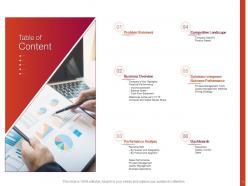
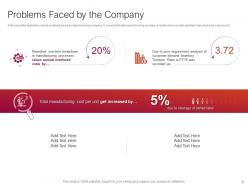
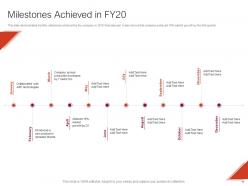
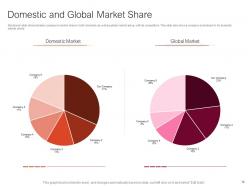
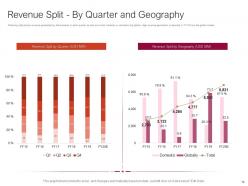
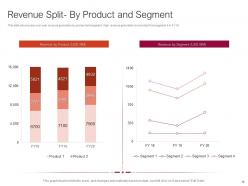
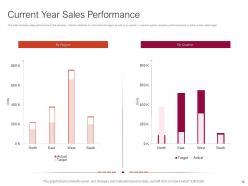
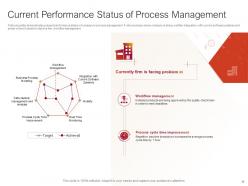
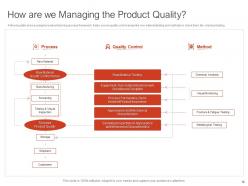
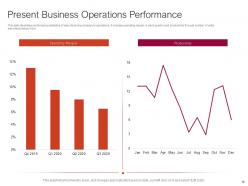
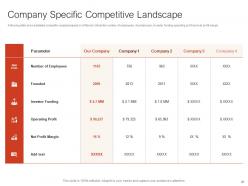
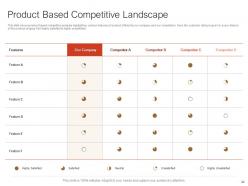
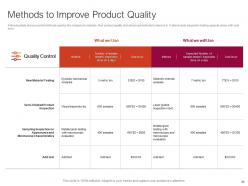
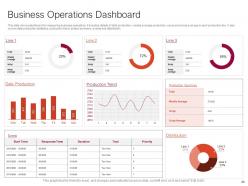
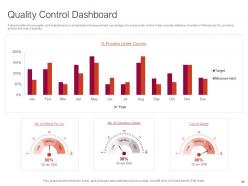
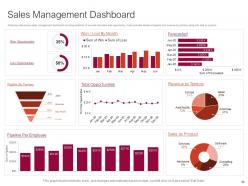
Identify new business opportunities with the aid of our content ready Business Analysis PowerPoint Presentation Slides. Take the assistance of the professionally designed enterprise analysis PPT slideshow to illustrate problems faced by manufacturing companies such as inflexible manufacturing processes, inventory turnover ratio, etc. Demonstrate monthly milestones achieved by your company using this visually appealing requirement analysis PPT slides. The strategic business planning PowerPoint complete deck contains forty-three ready to use templates that help you to display the company’s market share in both domestic and global markets with its competitors. Utilize the company’s performance assessment PPT slides to showcase revenue split by quarter, geography, product, and segment. Talk about current methods to maintain product quality and advanced methods to improve it. You can also use the enterprise planning and assessment PowerPoint templates to represent the current performance status of your company. Thus, download our topic-specific business planning PowerPoint presentation to create a dashboard for measuring business performance. Our Business Analysis Powerpoint Presentation Slides ensure a full circle. You will get to experience completeness.
People who downloaded this PowerPoint presentation also viewed the following :
Business analysis powerpoint presentation slides with all 43 slides:
Use our Business Analysis Powerpoint Presentation Slides to effectively help you save your valuable time. They are readymade to fit into any presentation structure.









FAQs for Business analysis
Honestly, nail down the problem first - like really figure out what you're solving before you do anything else. Map out who cares about this project (stakeholders) and actually talk to them through interviews or whatever works. Document all the requirements, both the obvious functional stuff and the behind-the-scenes technical needs. Then compare your solution options against what matters most. I'm telling you, spend way more time on that problem definition than feels necessary. Scope creep is real and it'll bite you later if you're not crystal clear upfront. Trust me on this one.
You've gotta mix up your approach since everyone communicates differently. Some people live for meetings, others want everything in writing. I usually start with one-on-one interviews to build relationships and figure out what's actually bothering them. Workshops are solid for getting groups to agree on what matters most. For bigger teams, surveys save you from scheduling hell. Here's the thing though - always write down what you heard and check back with them. Requirements have this weird habit of changing once people see them on paper. Oh, and ask "why" at least three times. Trust me, what they initially ask for isn't usually what they actually need.
Start with Visio or Lucidchart for mapping out processes - super helpful for visualizing everything. Excel's gonna be your best friend for data analysis (I swear I have like 20 tabs open right now). Jira or Azure DevOps work well for tracking requirements, and SurveyMonkey's solid when you need stakeholder feedback. Oh, and Miro's actually pretty cool for brainstorming sessions with teams. Honestly though? Pick maybe 3-4 tools max that you'll actually stick with. I've seen people try to use everything and just end up overwhelmed.
Honestly, think of BA work as being the translator between what people say they want and what they actually need. I always start documenting everything from day one - saves your sanity later, trust me. You'll catch so many misunderstandings early instead of dealing with scope creep nightmares down the road. The trick is keeping stakeholders involved the whole time, not just that initial kickoff meeting where everyone nods along. Keep checking back with them as things evolve. It's way less dramatic than trying to fix everything at the end when nobody's happy with what got built.
MoSCoW is your best bet to start - stakeholders actually understand it without explanation. The whole Must/Should/Could/Won't thing just clicks. Value vs effort matrix is solid too for finding quick wins, and Kano analysis rocks when you need to figure out what'll make customers happy. Here's the thing though - don't get married to just one method. I usually kick off with MoSCoW to get the obvious stuff sorted, then do value/effort scoring on those "Should haves" to really dial in what matters. Way better results that way.
Get everyone together - video call works fine - and figure out what people actually want versus what they're saying they want. Half the time conflicts disappear when you realize everyone's after the same thing, just different ways to get there. Write everything down so nobody thinks you're picking sides (trust me on this one). Most stakeholders are cool with brutal honesty about tradeoffs if you're upfront about it. Make a priority list with everyone's input. When it gets messy and you can't please everyone? That's what your boss is for - escalate it and let them make the final call.
Think of data analysis as your business GPS - it cuts through all the noise and shows you what's actually happening. You can finally ditch the guesswork and see real patterns in customer behavior, sales trends, whatever. Honestly, going with gut instinct alone is risky these days. The trick is starting with good questions, then letting the numbers guide you to answers that matter. You'll catch problems early, spot new opportunities, and know if your strategies are bombing or killing it. Way better than flying blind and hoping for the best.
Okay so first sketch out what story you're trying to tell, then pick visuals that actually support it. Bar charts work great for comparisons, line graphs for showing trends. Heat maps are perfect when you need to highlight problem spots. PowerBI and Tableau honestly make everything look way more professional than it probably deserves to be lol. Just don't go crazy with colors - I've seen people create these rainbow nightmares that confuse everyone. Keep it clean. Match your visual type to what you're actually trying to show people, not just whatever looks coolest.
Write everything in plain English first - seriously, save everyone the headache of translating buzzwords later. Always explain WHY you need something, not just what it is. Trust me, this prevents so many "wait, what was the point again?" moments in meetings. Visuals beat text walls every day of the week - flowcharts and diagrams are your best friend. Oh, and get people to actually sign off on stuff before you move forward. Version control everything too. I know it sounds boring, but it'll save you from that nightmare client who suddenly wants to change everything halfway through the project.
You're basically the translator between business people and tech people. First thing - figure out what the business actually wants to accomplish, not just what they're saying they want (trust me, sometimes those are totally different). Then sit down with your IT team and figure out how to build something that hits those real goals. Oh and document everything because people forget stuff constantly. Regular check-ins help too since priorities change like every week. Keep coming back to: does this thing we're building actually help the business win? That's your north star.
Honestly, I'd focus on AI-powered analytics first - that stuff is everywhere now. Data viz tools like Tableau are getting insane too, basically automating what we used to do manually. Design thinking and agile BA practices are still hot, plus customer journey mapping since everyone's obsessed with user experience these days. Remote facilitation became huge after COVID obviously. But here's the thing - don't try learning everything at once or you'll burn out. Just pick whatever matches your current work and get really good at that first. The rest can wait.
Honestly, soft skills are what make the difference between being decent and being actually good at this job. You can analyze data all day, but if you can't explain it to people or run meetings that don't suck, you're stuck. People never tell you what they really want upfront - good listening helps you figure out what they actually need. I've found that when stakeholders trust you, they'll share way more useful info. Oh, and you'll definitely need to play mediator when different teams want totally opposite things. Work on listening, communication, and reading the room. Those skills make everything else way easier.
Oh man, the constant priority shifts will drive you nuts - like one day you're analyzing X, next day leadership's obsessed with Y. Half the time you're working with crappy incomplete data because everything moves too fast for decent documentation. Plus everyone wants answers yesterday even though the requirements literally changed this morning lol. I've learned you gotta bake flexibility into your workflow from the start. Set expectations early about how their "quick changes" actually mess with your timelines. Otherwise you'll be constantly scrambling and looking incompetent when really it's just the nature of the beast.
Ditch those massive requirement docs and jump into user stories instead. You'll be in way more meetings, but trust me - they're actually useful now. Work closely with your product owner during sprint planning and stay available for quick questions. Honestly, the constant back-and-forth felt weird at first, but it beats waiting weeks for feedback on a 50-page document nobody reads. Replace formal sign-offs with regular demos where people can actually react to what they're seeing. Stay embedded with your dev team rather than hiding in your own silo. Pick one agile ceremony to really master first - I'd suggest sprint planning since that's where BAs shine.
Track both direct stuff like project success rates and requirement defects, plus the bigger picture metrics - customer satisfaction, revenue per employee, that kind of thing. The indirect ones usually tell a better story honestly, since BA work affects everything downstream. Process improvements are gold too... less rework, faster decisions. I'd probably start with maybe 3-4 metrics that actually match what your company cares about. Oh and track them consistently - quarters work well for seeing real trends. The direct metrics are obvious but don't sleep on how your analysis work ripples through the whole organization.
-
Innovative and Colorful designs.