

Business Marketing Powerpoint Presentation Slides




Try Before you Buy Download Free Sample Product
 Impress Your
 Audience
 100%
100% Editable
 Save Hours
 of Time


Select our Business Marketing Powerpoint Presentation Slides to showcase your company’s marketing practice. Demonstrate how to improve sales and market your business. Make a plan to persuade your customers to buy your products or services using the marketing management presentation design. The business advertising PowerPoint complete deck include set of professionally designed slides such as business promotional channels, customer acquisition cost, cost by channel, promotion campaigns, business promotional roadmap, world of mouth marketing, social media and word of mouth marketing metrics, marketing growth strategy, ideal acquisition cost model, customer retention benefits, impact & strategies, customer loyalty lifecycle, sales performance dashboard etc. All slide of B2B branding presentation deck is fully editable, users can edit the color, size, font style as per their needs. Furthermore, you can use business branding PPT visuals to create a promotional campaign for your business. Download these visually appealing business publicity PowerPoint templates to outline the key steps of successful business marketing. Continue your crusade with our Business Marketing Powerpoint Presentation Slides. They are dependable in any campaign.
People who downloaded this PowerPoint presentation also viewed the following :
Content of this Powerpoint Presentation
Slide 1: This slide introduces Business Marketing. State Your Company Name and begin.
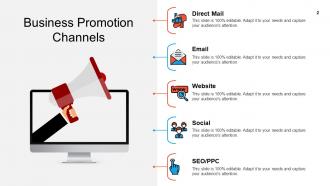
Slide 2: This slide shows Business Promotion Channels as- Direct Mail, Email, Website, Social, SEO/ PPC.
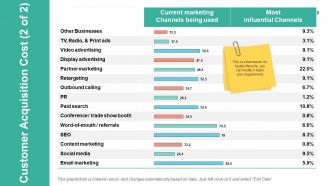
Slide 3: This slide shows Customer Acquisition Cost which includes- video advertising, display advertising, partner marketing, retargeting etc.
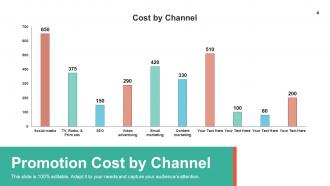
Slide 4: This slide presents Promotion Cost by Channel which includes- social media, Tv, radio & print ads, SEO, video advertising, content marketing etc.
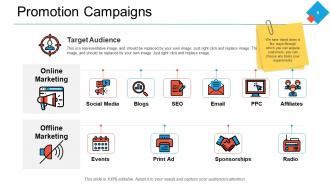
Slide 5: This slide displays Promotion Campaigns of both online and offline marketing.
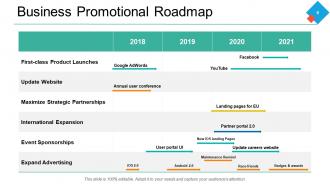
Slide 6: This slide represents Business Promotional Roadmap describing- first class product launches, Update website, maximize Strategic partner, International expansion, event sponsorships and expand advertising.
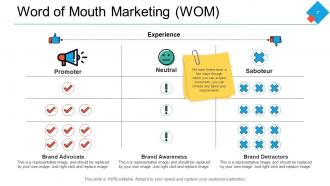
Slide 7: This slide showcases Word of Mouth Marketing describing- Promoter, Neutral, Saboteur.
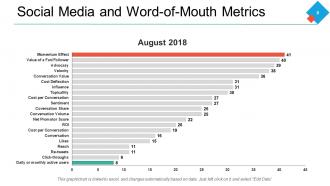
Slide 8: This slide shows Social Media and Word-of-Mouth Metrics in a graph form describing- Momentum effect, advocasy, velocity, cost deflection, etc.
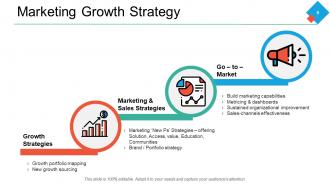
Slide 9: This slide presents Marketing Growth Strategy describing- Growth Strategies, Marketing & Sales Strategies, Go–to–Market.
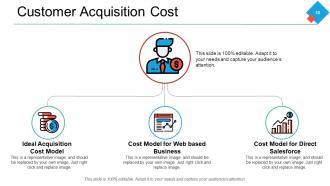
Slide 10: This slide displays Customer Acquisition Cost describing- Ideal Acquisition Cost Model, Cost Model for Direct Salesforce, Cost Model for Web Based Business.
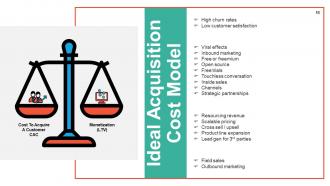
Slide 11: This slide represents Ideal Acquisition Cost Model with related imagery and text.
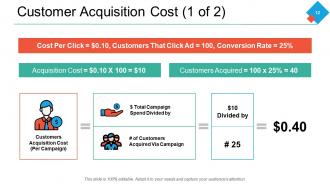
Slide 12: This slide showcases Customer Acquisition Cost which is calculated by total cost spent on campaign divided by number of customers acquired via campaign.
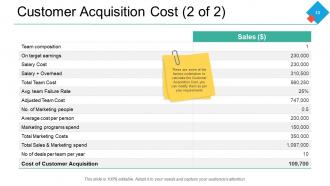
Slide 13: This slide shows Customer Acquisition Cost which includes on target earnings, salary cost, adjusted team cost, average cost per person etc.
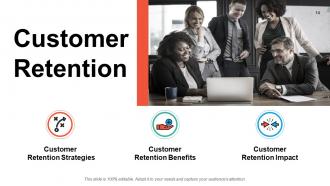
Slide 14: This slide presents Customer Retention describing- Customer Retention Strategies, Customer Retention Impact, Customer Retention Benefits.
Slide 15: This slide displays Customer Retention Strategies describing- Overall Satisfaction, Brand Strength, Future Intentions, Advocacy, Perceived Value for Money.
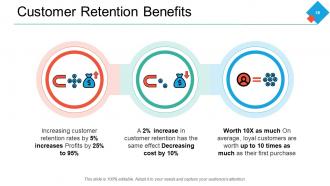
Slide 16: This slide represents Customer Retention Benefits with related imagery and text.
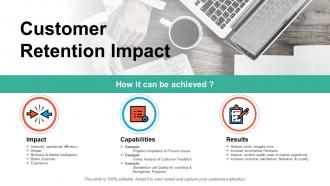
Slide 17: This slide showcases Customer Retention Impact describing- Impact, Results and Capabilities.
Slide 18: This slide shows Customer Loyalty including customer loyality lifeycle and loyality program performance dashboard with related imagery and text.
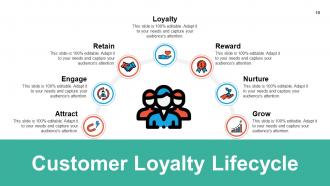
Slide 19: This slide presents Customer Loyalty Lifecycle describing- Attract, Engage, Grow, Retain, Loyalty, Reward, Nurture.
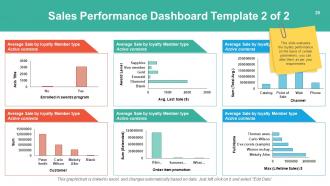
Slide 20: This slide displays Sales Performance Dashboard with help of graphs.
Slide 21: This slide shows Business Marketing Icons.
Slide 22: This slide reminds about 30 minutes coffee break.
Slide 23: This slide is titled as Additional Slides for moving forward.
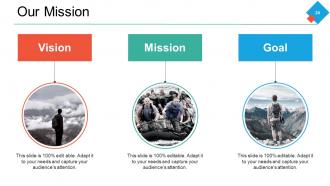
Slide 24: This is Our mission slide with imagery and text boxes.
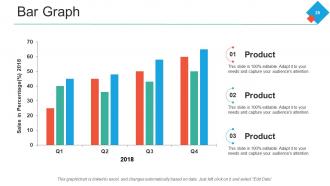
Slide 25: This slide shows Bar Graph with three products comparison.
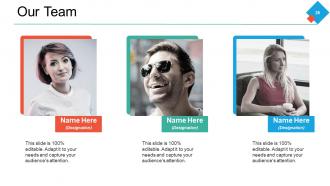
Slide 26: This is Our Team slide with names and designation.
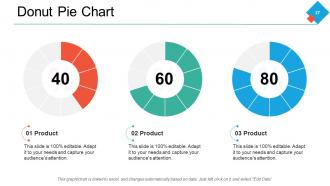
Slide 27: This slide presents Donut Pie Chart with three products comparison.
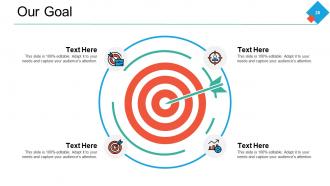
Slide 28: This is Our Goal slide. State your important goals here.
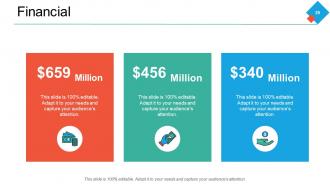
Slide 29: This is a Financial slide. Show finance related stuff here.
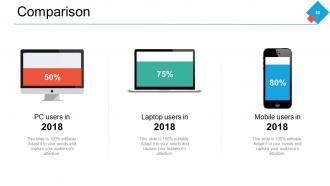
Slide 30: This is a comparison slide to compare between commodities, entities etc.
Slide 31: This is a Location slide with maps to show data related with different locations.
Slide 32: This slide shows Puzzle with text boxes.
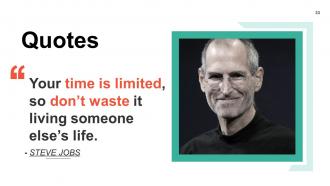
Slide 33: This is a Quotes slide to highlight or state anything specific.
Slide 34: This slide shows Post It notes. Post your important notes here.
Slide 35: This is a TimeLine slide. Show information related with time period here.
Slide 36: This is a Venn slide with text boxes to show information.
Slide 37: This slide displays Magnifying Glass with text boxes.
Slide 38: This is Our target slide. Show your targets here.
Slide 39: This is an Idea Bulb slide to state a new idea or highlight specifications, information etc.
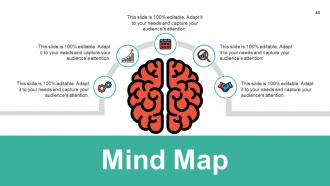
Slide 40: This slide shows Mind Map for representing entities.
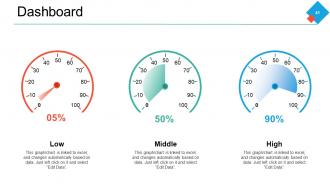
Slide 41: This is a Dashboard slide with text boxes.
Slide 42: This is a Thank You slide with address, contact numbers and email address.
Business Marketing Powerpoint Presentation Slides with all 42 slides:
Use our Business Marketing Powerpoint Presentation Slides to effectively help you save your valuable time. They are readymade to fit into any presentation structure.





FAQs for Business Marketing
Honestly, start with figuring out who you're actually talking to - like, document your customer personas first. Your value prop needs to be crystal clear too. I'd audit what's currently working vs what's just bleeding money. Content strategy matters, but only if you're tracking the right stuff afterward. ROI tracking is non-negotiable. Mix up your channels based on where your people actually spend time, not where you think they should be. Oh, and definitely scope out what competitors are doing - that intel's pure gold. Brand messaging should stay consistent across everything though.
Okay so first thing - stop treating it like a megaphone and actually talk TO people, not AT them. Pick maybe 2-3 platforms max where your customers actually are (I learned this the hard way spreading myself everywhere). Post stuff that's genuinely helpful or entertaining, not just "buy my thing" constantly. Honestly, half the businesses I see just spam sales content and wonder why nobody cares. Reply to comments fast, throw in some hashtags that make sense, and be consistent with posting. Oh and actually check your analytics - if something's getting likes and shares, do more of that instead of guessing what works.
Honestly, audience segmentation is a game changer for campaigns. You're dividing people up by demographics, behavior, interests - whatever works - then hitting each group with messaging that actually speaks to them. Busy parents get time-saving benefits, broke students hear about deals. Way better than generic "buy our stuff" nonsense that nobody cares about. I've literally seen conversion rates jump from like 2% to 15% just from this. Oh and don't overthink it at first - pick 2-3 solid segments and test different approaches. You'll notice the difference pretty much right away.
Honestly, data analytics is a game changer because you'll finally know what's actually working instead of just guessing. Track which channels bring in real customers and figure out how people behave on your site. Your CFO will love seeing clear ROI numbers too. You can spot your best customer segments and tailor campaigns to them. Oh, and you'll stop wasting money on stuff that doesn't work - which is honestly the best part. Just pick 2-3 metrics that actually matter to your goals first. Don't overcomplicate it right away.
Honestly, short-form video is where it's at right now - TikTok isn't going anywhere. AI personalization is massive too, like showing people exactly what they want to see. Interactive stuff gets insane engagement rates... polls, quizzes, that kind of thing. Oh, and voice search optimization since literally everyone talks to their phones now. Social commerce is blowing up - people buying straight from Instagram without leaving the app. Micro-influencers are way better than big ones tbh, their audiences actually care. Just pick whatever makes sense for where your people actually spend time online.
Honestly, just compare what you made versus what you spent - basic formula is (Revenue - Marketing Cost) / Marketing Cost x 100. Google Analytics and your CRM will save your life here. They'll actually show you which channels bring in real sales instead of just pretty vanity metrics. Track stuff like customer acquisition cost, lifetime value, and conversion rates. Oh, and set up proper tracking from the start! I learned this the hard way - trying to piece together data later is absolutely brutal. Focus on metrics that actually connect to revenue growth, not just engagement nonsense.
Honestly, you've got advantages big companies don't. Be super local - sponsor stuff in your neighborhood, team up with other small businesses around you. Get to know customers personally (like, actually remember their names). Social media is huge for you because you can respond instantly while they're stuck waiting for approvals from like 5 different managers. Don't try copying what they do - that's a losing game. Instead, double down on whatever makes you weird or different. When you see a new trend or opportunity, you can pivot in a week while they need months of meetings.
Honestly, branding makes or breaks you - it's how people tell you apart from everyone else doing the same thing. Look at Apple or Nike. You know it's them before you even see the logo, right? That's what you're going for. Focus on your visuals first - logo, colors, fonts that actually work together. Then figure out how you want to sound when you talk to customers. The tricky part is staying consistent everywhere. Your website, emails, even how you answer the phone should all feel like the same business. Start with what you stand for, then build everything else around that.
Know your audience like really know them - then write stuff that actually fixes their problems. Skip the corporate jargon nobody reads anyway. Talk about benefits, not boring product features. People want to know what's in it for them, right? Write like you're texting a friend. Stories work way better than bullet points (trust me on this one). Videos and infographics crush plain text posts. Always tell people what to do next with a clear call-to-action. Quick reality check: look at your current content and honestly ask yourself - would you read this crap if you were the customer?
Look for influencers whose followers actually match your target customers - that's the whole point, right? Micro-influencers are usually better than big celebrities because their engagement rates are way higher. Don't just throw cash at people. Instead, build actual relationships and find creators who'll genuinely use your stuff. I learned this the hard way with a campaign that totally flopped last year. Track engagement and clicks, not follower numbers - those can be super misleading. Start with maybe 2-3 influencers to test what works, then scale up from there.
Honestly, just be straight with people. Don't make claims you can't prove with real data, and stay away from targeting vulnerable groups - that's just shady. Be upfront about your pricing and what you're actually collecting from users. I've watched so many businesses crash and burn over misleading ads (totally avoidable). Your marketing should match what your product actually does, not some fantasy version of it. Think about how you'd want companies to market to you - probably not with a bunch of BS, right? Maybe start by looking through your current stuff to see if anything feels sketchy.
Honestly, you've gotta stay on top of your customer data and actually pay attention to what it's saying. Check your social media engagement, website stats, sales trends - catch those shifts before they bite you. Too many companies I know just stick with what worked before while everyone moves on (so frustrating to watch). Be ready to switch up your channels and messaging. Your audience hanging out more on TikTok now instead of Facebook? Go where they are. Test stuff fast, pivot when it's not working. I'd set up monthly metric reviews so you don't miss changes that'll hurt your profits.
Mailchimp, Constant Contact, and ConvertKit are solid choices - good deliverability and all that. But honestly? The platform isn't everything. Your strategy matters way more. Segment your audience so you're not sending random stuff to everyone. Subject lines need to hook people without being too salesy (ugh, we've all gotten those emails). Test different send times and content - timing's weirdly important. Oh, and don't just constantly pitch your products. Mix in helpful content that people actually want to read. Trust me, your engagement will thank you for it.
Dude, you absolutely cannot just translate your ads and expect them to work everywhere. Red screams "danger" to Americans but means good luck in China - that's the kind of stuff that'll tank your campaign fast. Each market needs its own approach based on local customs and how people actually shop there. Your distribution might be completely different too. Honestly, I'd skip trying to figure it all out from your office and just partner with local marketing teams who already get the cultural stuff. They'll save you from making expensive mistakes.
Honestly, the biggest mistake I see people make is trying to market to literally everyone - you'll just blow through your budget for nothing. Pick your ideal customer and stick to them. Also, inconsistent messaging across platforms makes you look amateur and confuses the hell out of potential customers. Oh, and test everything! I don't care how "creative" you think your ad is - if it's not converting, you're basically paying to stroke your own ego. Start with maybe 2-3 channels tops, know exactly who you're targeting, and actually measure what's working before you dump more money into it.
-
Excellent template with unique design.
-
Design layout is very impressive.
-
Design layout is very impressive.
-
Top Quality presentations that are easily editable.