

Business management powerpoint presentation slides






Try Before you Buy Download Free Sample Product
 Impress Your
 Audience
 100%
100% Editable
 Save Hours
 of Time


Our Business Management Powerpoint Presentation Slides are topically designed to provide an attractive backdrop to any subject. Use them to look like a presentation pro.
People who downloaded this PowerPoint presentation also viewed the following :
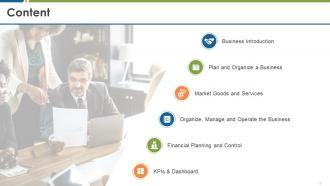
Content of this Powerpoint Presentation
Imagine that you are in charge of a business and are responsible for a few major projects that affect the whole company. It's not hard to start the projects; it's hard to coordinate them so that the teams work together to meet important milestones and strategic goals. That being said, things get even harder when meetings, reports, and emails that come and go all over the place become the standard. Most of the time, it leads to missed chances, confusion on the teams, and, worst of all, bad project results. Right here is where having a full set of PowerPoint slides can make a big, life-changing difference.
When you have the right tools, like a carefully curated set of business management PowerPoint slides, it's much easier to discuss, plan, and carry out your ideas. Slides help your teams align their thoughts and actions.
If you're giving a presentation to the board, stakeholders, or your department, a good PPT can help show off the business plan and the value of your work. You can talk about your project plan, timeline, financial projections, or key business success indicators in more detail with our Business Management PowerPoint Presentation Slides.
At SlideTeam, we need to know everything that is needed to keep a business up and running and how important it is to get it right and run it well so that the business can succeed. Our PowerPoint templates help you make a set of powerful tools that are both flexible and easy to use, so you can craft your message precisely and make it easier for people to interact with each other.
The following slides can take your management presentation to the next level. Let's look at them one by one.
Check out these latest-built design templates designed to bring your attention to better retail management. Click here!
Let’s begin!
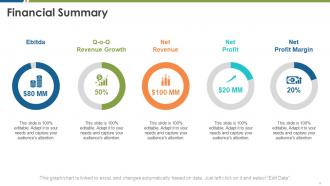
Template 1: Financial Summary
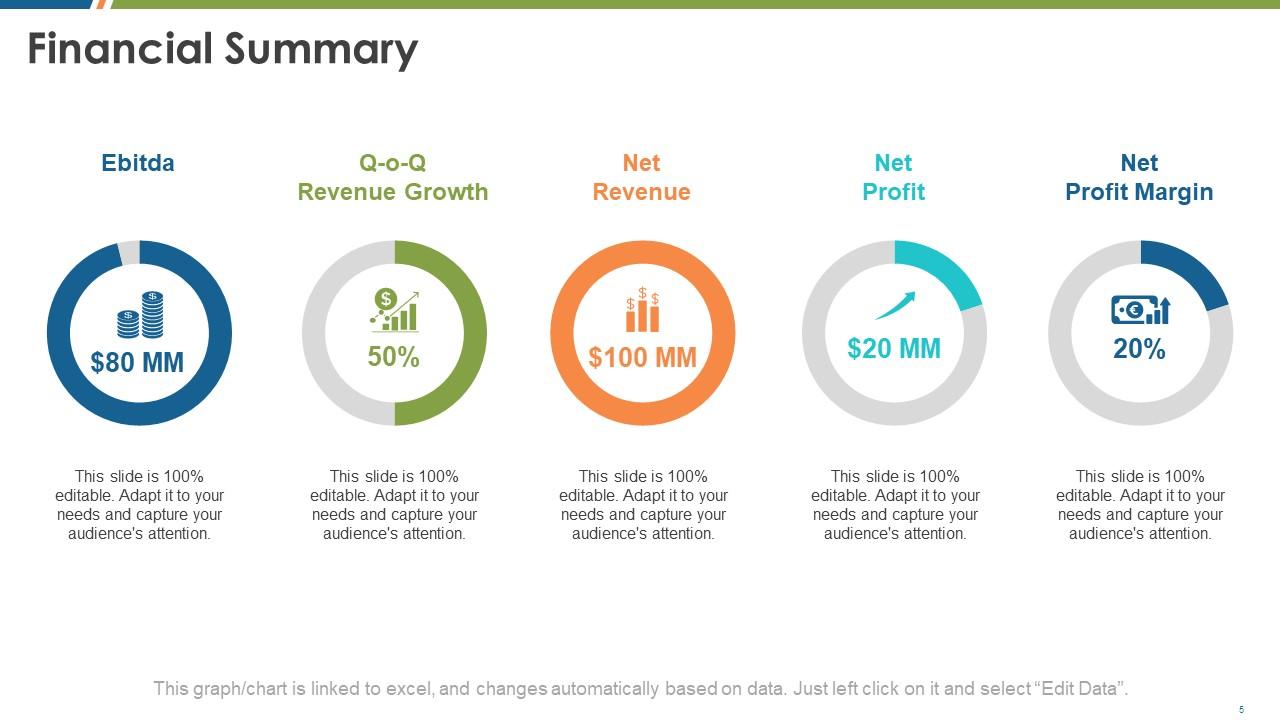
This slide can be used to showcase your financial summary. Use it to show the company’s revenue and profit growth as well as the margin. Raise the bar for your presentation with the appropriate visuals, graphics, and organization. Enhance your ideas and visual appeal of your financial presentation that can be adjusted to meet your specific requirements. This slide is perfect for financial reviews, investor meetings, or any scenario where financial clarity and precision are paramount.
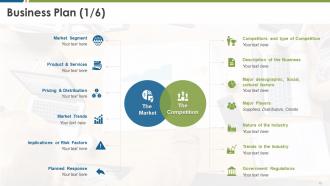
Template 2: Business Plan (1/6)

This is a specialized and structurally designed PowerPoint slide that typically talks about critical components of a business plan that helps you outline market segments, products and services, pricing strategies, distribution channels, and more. The layout splits into two main sections for clarity: "The Market" and "The Competition," ensuring you have a structured approach to define and analyze both.
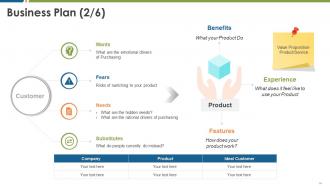
Template 3: Business Plan (2/6)
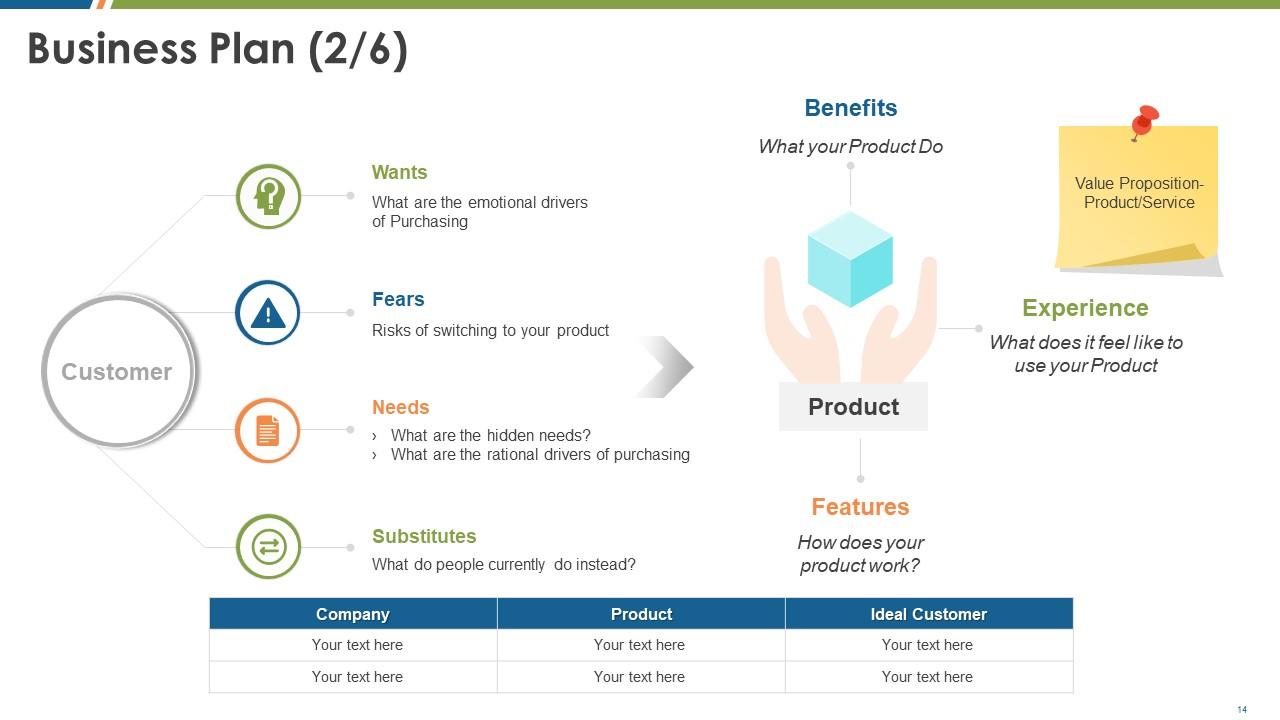
This business plan template is made to bridge the gap between your product and its users, focusing on customer psychology and product features. Use this slide template as a guide to understand your product’s benefits, unique features, and overall user experience. This template helps you understand the emotional and rational reasons behind purchasing decisions, perceived risks, and current substitutes. This template is ideal for strategic discussions focused on product offerings with market demands that would help design targeted approaches that resonate with your ideal customer base.
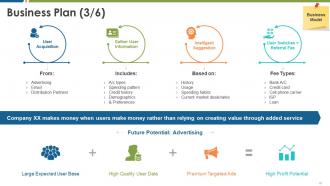
Template 4: Business Plan 3/6
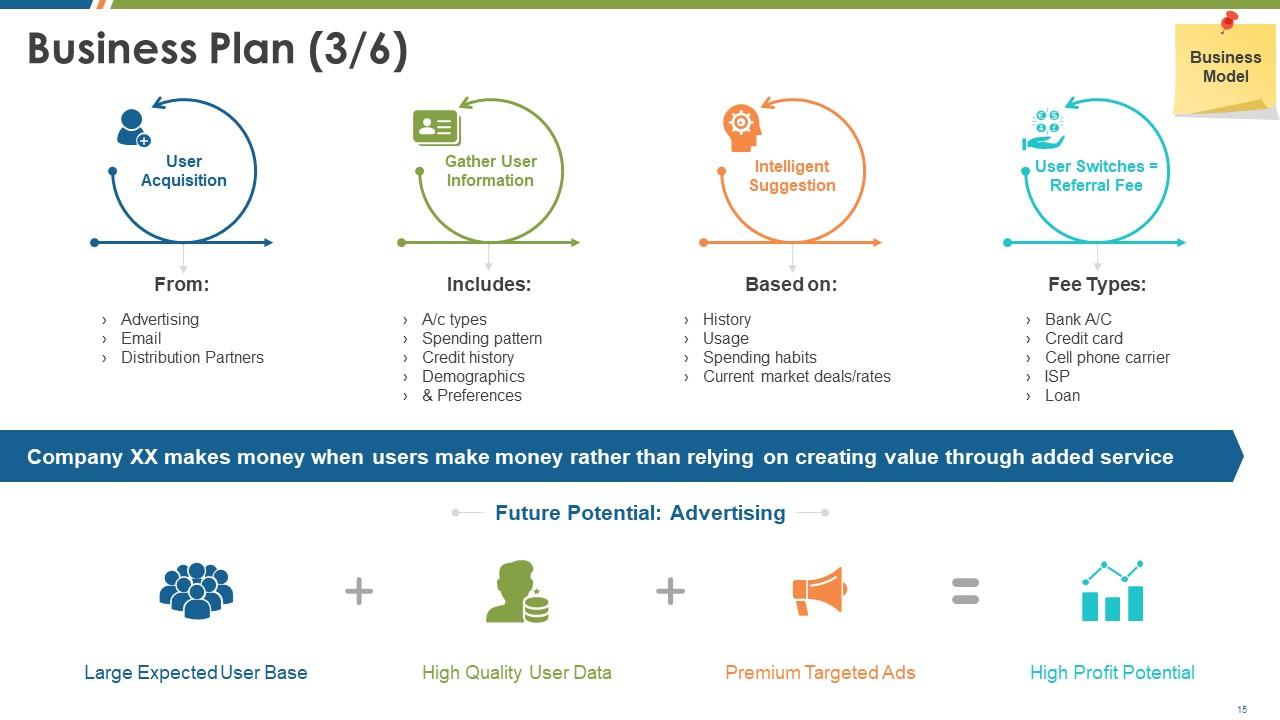
Make use of this business plan template that helps present a business strategy for user acquisition and monetization, focusing on a cycle of user engagement from acquisition through detailed data gathering to personalized service suggestions. This is a business model where profitability is driven by user actions and referral fees, not just direct sales. This template has components like targeted advertising and a feedback loop.
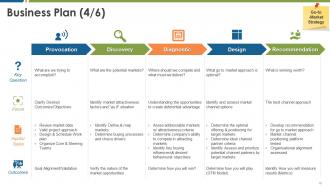
Template 5: Business Plan (4/6)
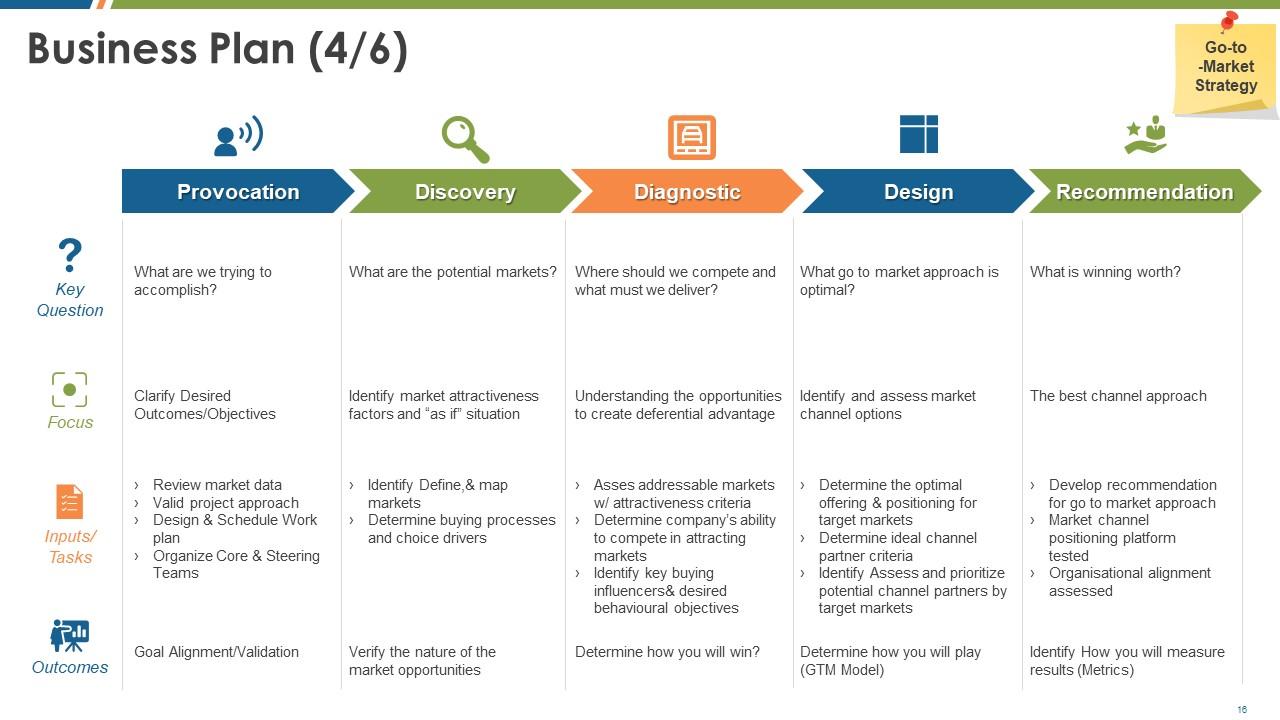
This PowerPoint Slide illustrates the four critically important stages of the business plan: Provocation, Discovery, Diagnostic, and Design, in order to bring the most viable recommendations. It makes the objectives clear, and then the process moves on to discover the viable markets, and then finally, it moves on to diagnosing where one can compete. The design phase identifies the optimum market approaches and optimal product positioning. This culminates with definition of the go-to-market strategies. This structured way ensures every detail in the business plan is covered to support the creation of actionable insights and measurable outcomes.
Also explore our real estate business management high level planning framework designed to provide an attractive backdrop to any subject.
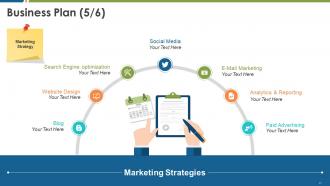
Template 6: Business Plan (5/6)
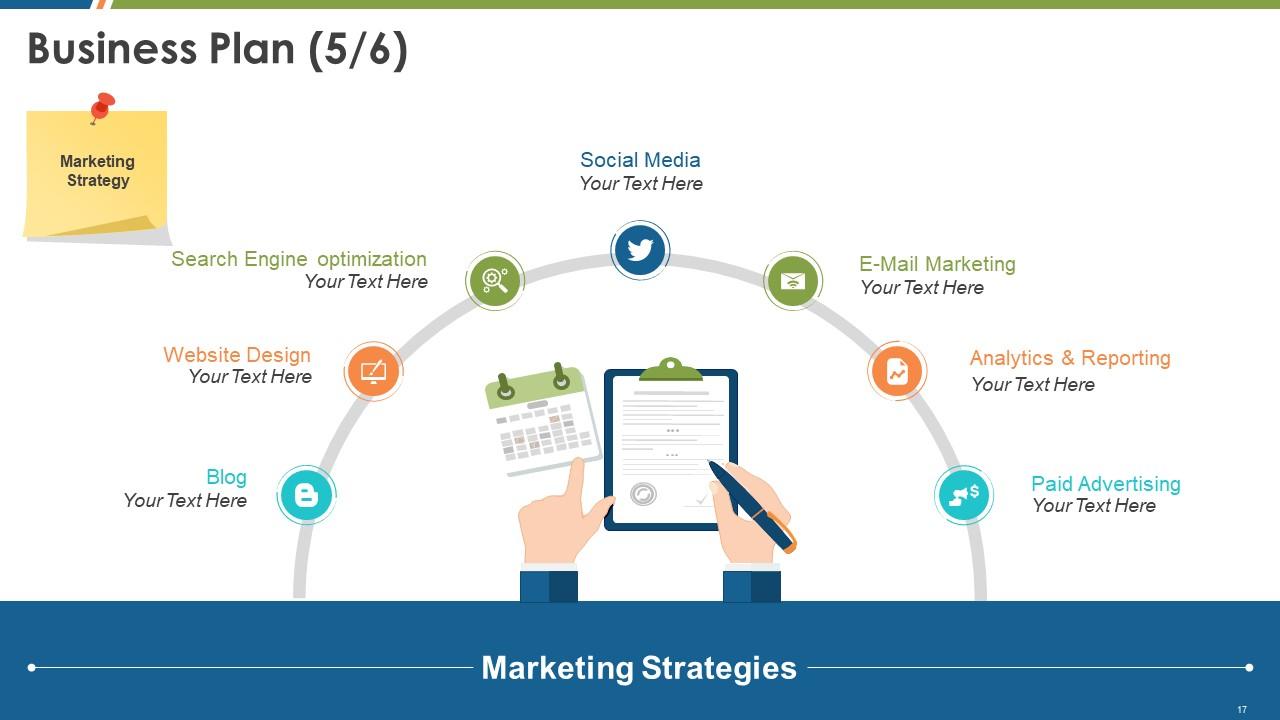
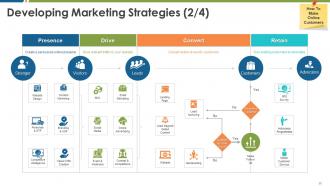
This slide portrays a holistic view of any modern-day marketing strategy in terms of expanding an online presence and interaction. It covers digital marketing channels such as search engine optimization, website design, blogging, social media, email marketing, analytics, and paid advertising. These have an interesting interconnection among elements, aiming to showcase an integrated approach to optimize marketing efforts across platforms. This template is perfect for any marketer who is willing to put their overall strategy presentation together in order to make sure details of the digital marketing funnel are in line with business goals.
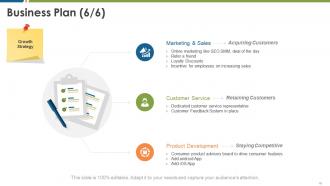
Template 7: Business Plan (6/6)
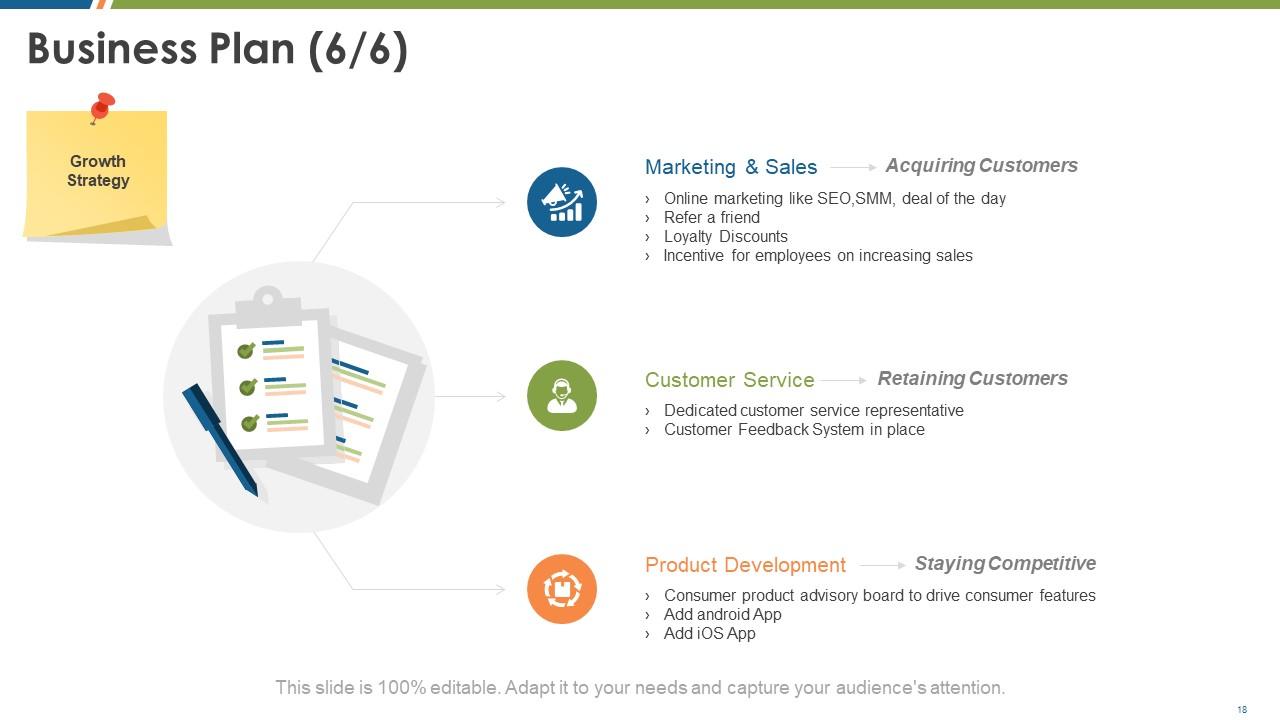
This slide provides a strategic overview of things that will be needed in the course of growing a business: Marketing & Sales, Customer Service, and Product Development. The customer acquisition tactics are outlined to be through online marketing, referral, and sales incentive programs. It will also allow customer retention, with the existence of steadfast support and feedback systems. In the bid to stay competitive, it would be vital to increase the offer to include advisory boards and app development on Android and iOS. Every element contributes to customer engagement and increased business success.
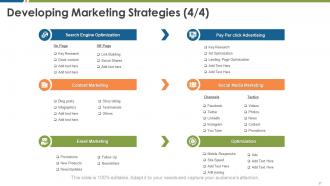
Template 8: Develop Marketing Strategies (1/4)
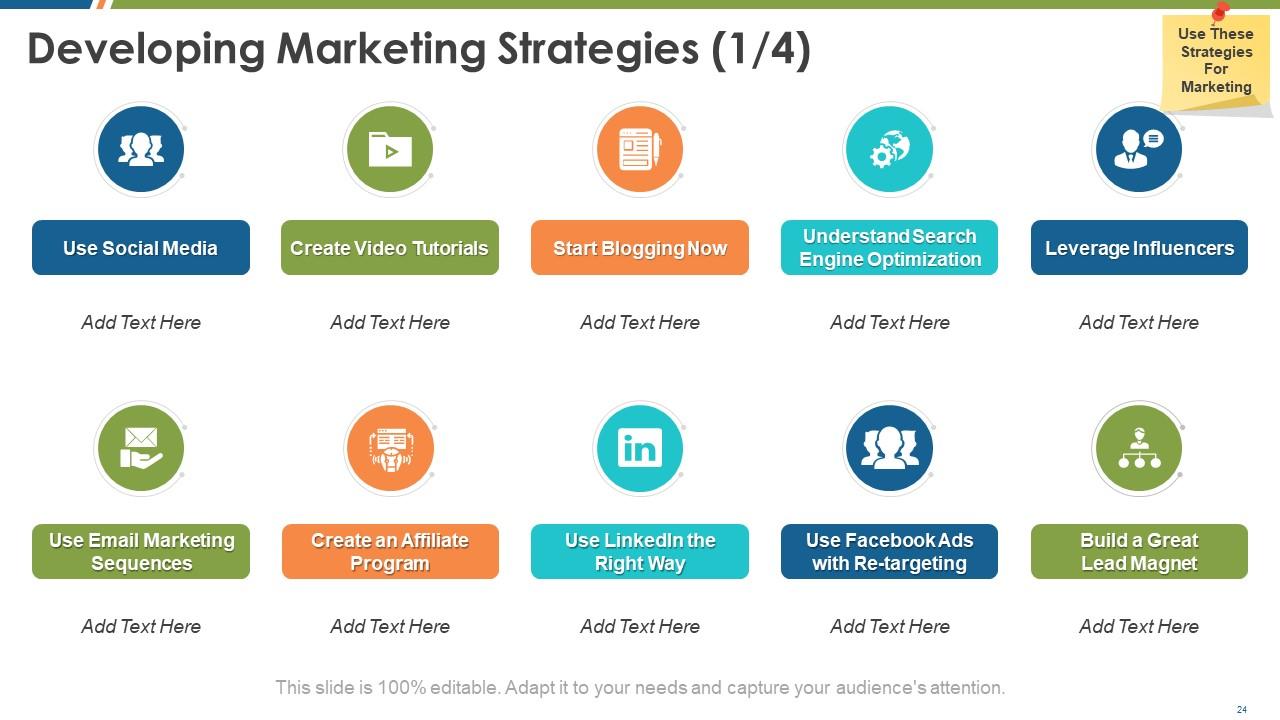
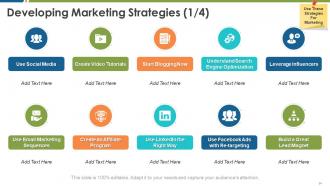
This slide reveals a handful of the most effective marketing strategies that help boost a brand's digital presence and increase engagement. It relies heavily on such methods as social media, video tutorials, blogging, having SEO knowledge, and the influence of people. Other details include email marketing sequences, creating an affiliate program, how to properly use LinkedIn, deploying Facebook ads paired with retargeting, and making an awesome lead magnet. All the strategies here are represented with different icons.
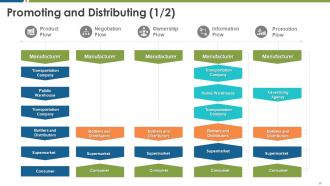
Template 9: Promoting and Distributing (1/2)
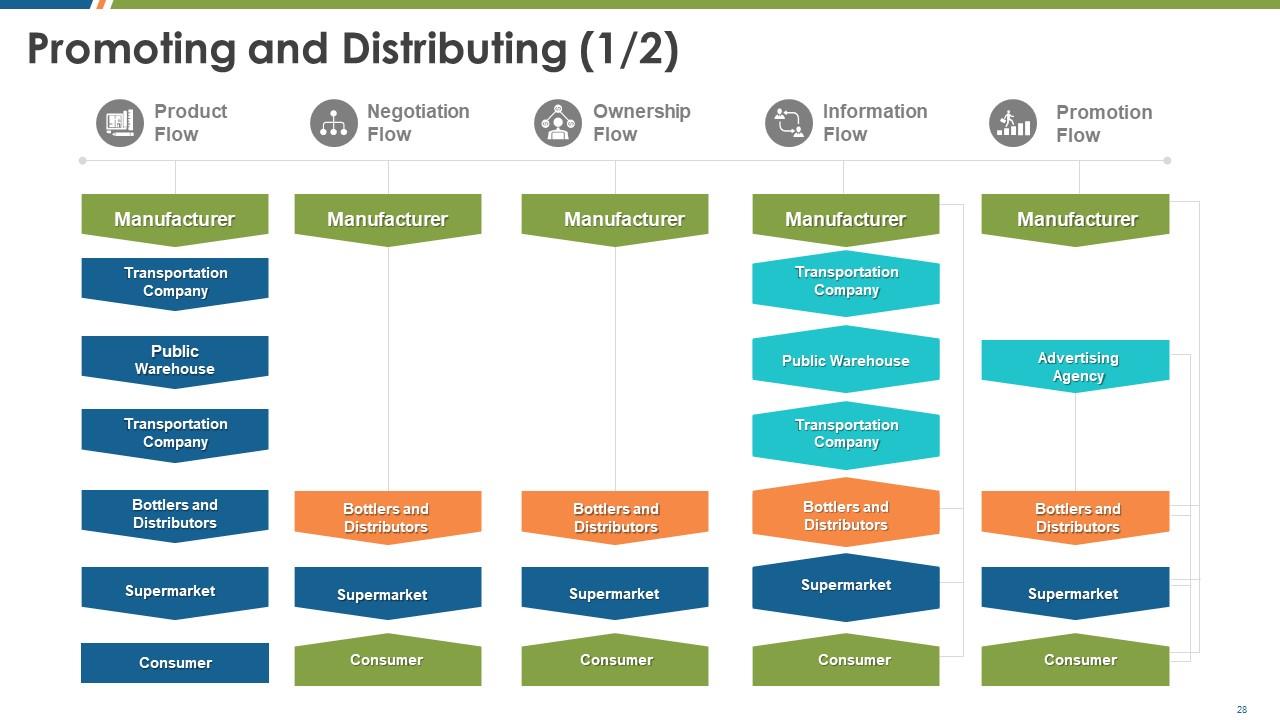
This slide will exhibit the numerous flows in the promotion and distribution of goods by categorizing it under product, negotiation, ownership, information and promotion flows. For each of these flows, the key intermediaries will be listed through a manufacturer-to-consumer sequence - transportation companies, public warehouses, bottlers and distributors, and supermarkets. In the case of a promotion flow, it would also show an advertising agency. This structured representation will indicate the essential steps and the partners in getting a product developed to the end consumer.
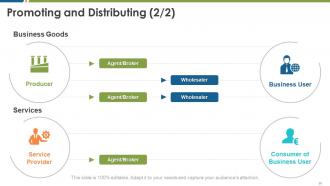
Template 10: Promoting and Distributing (2/2)
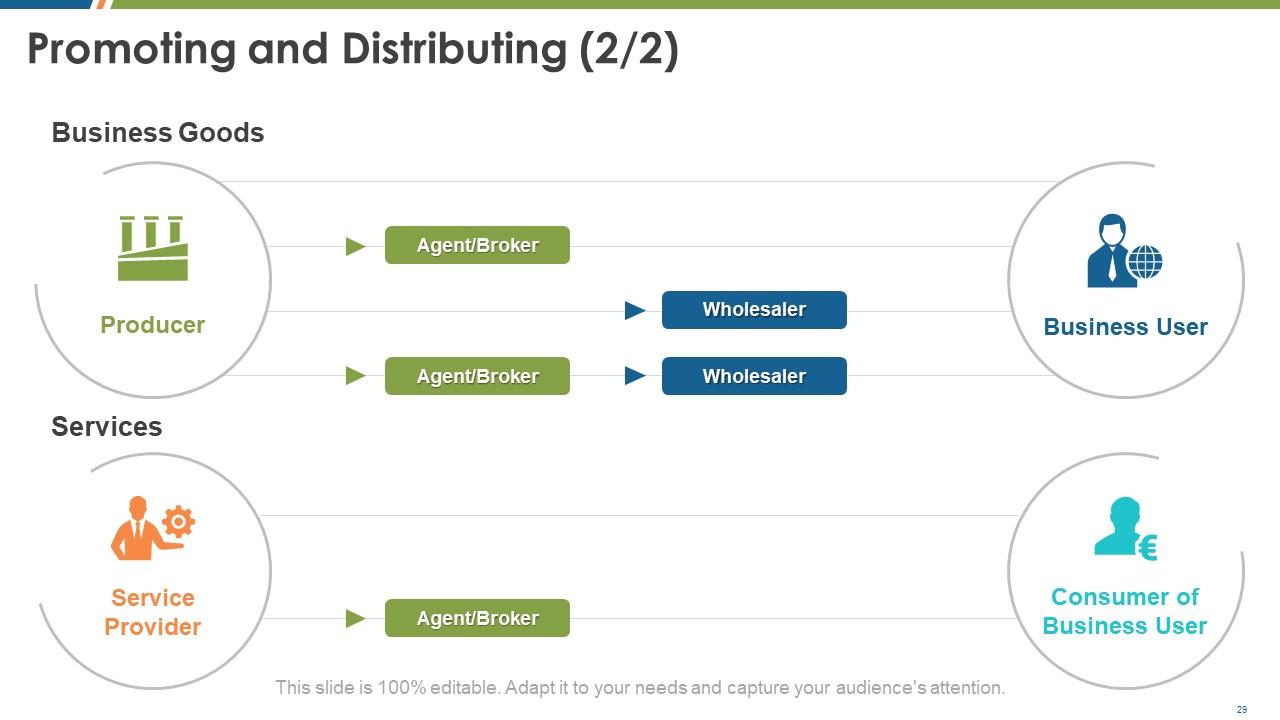
This slide depicts flows in the promotion and distribution of goods by categorizing it under product, negotiation, ownership, information and promotion flows. For each of these flows, the key intermediaries will be listed through a manufacturer-to-consumer sequence: transportation companies, public warehouses, bottlers and distributors, and supermarkets. In the case of a promotion flow, it would also show an advertising agency.
*****
STRATEGY BEGINS HERE
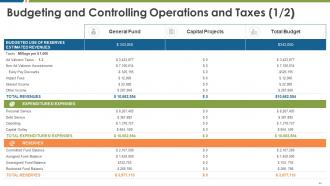
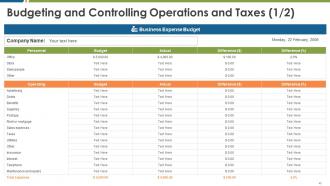
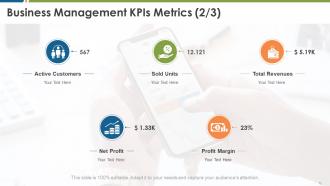
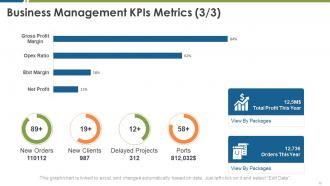
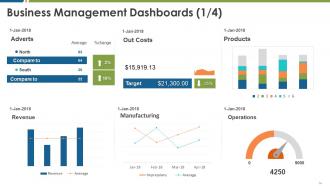
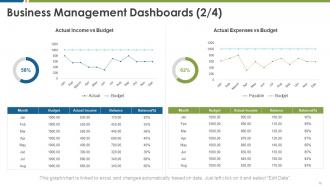
Use our expanded collection of PowerPoint Templates on business management to make your strategic presentation. These templates make business presentations explicit and precise in any financial, strategic, or marketing communication. Using these templates, the staff can now present the company plans and marketing strategies, and make financial projections.
PS Create next-generation platforms with our Business Management Challenge Solution Benefit With Text Boxes.
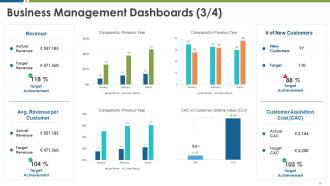
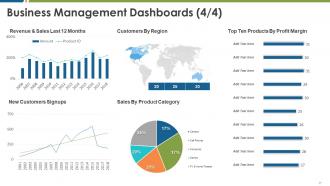
Business management powerpoint presentation slides with all 89 slides:
Use our Business Management Powerpoint Presentation Slides to effectively help you save your valuable time. They are readymade to fit into any presentation structure.








FAQs for Business management
Planning, organizing, leading, and controlling - those are the big four that actually matter. Get your goals clear first, then make sure everyone knows what they're supposed to be doing. Leadership's obviously huge here - you've gotta keep people motivated and talking to each other. Don't forget the monitoring part either, because stuff will go wrong and you'll need to pivot. Most managers I know completely bomb because they get obsessed with one thing and ignore everything else. Maybe start by figuring out which area you suck at most? That's probably where the biggest wins are hiding.
Look, strategic planning is basically your business GPS - yeah you'll still hit roadblocks, but at least you know where you're headed. Without it, you're just putting out fires constantly instead of making smart moves that actually matter long-term. The whole point is getting everyone on the same page so resources don't get wasted on random stuff. Market changes won't blindside you as much either. Here's the thing though - don't let your plan become some dusty binder nobody touches. Get your team involved from the start so they're actually invested in making it happen day-to-day.
Honestly, you can't have good management without solid leadership - they're like totally connected. Setting clear direction and making tough calls? That's leadership stuff that directly impacts how your business runs. I've watched companies with killer strategies completely bomb because their leaders sucked at motivating people or communicating the vision. Culture matters way more than people think. You gotta be able to delegate without micromanaging and pivot when things go sideways. My advice? Pick one thing to work on first - maybe how you make decisions or communicate with your team. Don't try to fix everything at once.
Definitely track both money stuff and operational metrics. Revenue growth, profit margins, ROI - the usual suspects. But don't ignore the operational side either - employee productivity, customer satisfaction, how smooth your processes actually run. Quick rant: so many managers get obsessed with metrics that look impressive but mean nothing. Stick to numbers that connect to your actual goals. Want better customer retention? Track that retention rate like your life depends on it. I'd set up monthly check-ins to see how you're doing vs. where you started before implementing everything. Makes it way easier to spot what's working.
Honestly, you've gotta overcommunicate like crazy. Daily 15-minute check-ins are a lifesaver - way better than letting things pile up all week. Be super clear upfront about when people should respond and what you actually need from them. Video calls beat Slack for anything important since you lose so much in text. Oh, and document literally everything or stuff will definitely get forgotten. I'd also throw in some casual virtual coffee chats because remote work can get pretty isolating. Focus on what people deliver, not whether they're online at 9am sharp. Start by figuring out where your current communication is breaking down.
Dude, start with just one or two tools that fix your biggest headaches - don't go crazy trying to implement everything at once. I use Asana for project stuff and it's a game changer for keeping everyone on the same page. CRM systems will track all your customer stuff automatically, which honestly saves me like 10+ hours weekly just from not doing reports manually. Cloud accounting kills the data entry nightmare too. Oh and get your team off those endless email chains with something like Slack - your sanity will thank you later. The automated insights you'll get are pretty sweet once everything's connected.
Oof, yeah you're juggling a lot right now. Managing remote teams is such a pain - people are all over the place and staying connected feels impossible sometimes. Budget cuts while you're supposed to innovate? Classic impossible situation. Supply chain stuff is STILL a nightmare (seriously thought we'd be past this by now), and don't even get me started on how fast everything changes with tech and what customers want. Plus everyone's quitting left and right. Honestly? Focus on maybe two big things first. You'll burn out trying to fix it all at once.
Look, engaged employees are your secret weapon. They're productive, creative, and actually want to stick around - which saves you a fortune on constantly hiring new people. Nobody wants to manage a bunch of miserable workers anyway, right? When people genuinely care about their job, they'll solve problems before you even know they exist. They become your best recruiters too. Oh, and they won't call in "sick" every Friday. Start by asking what motivates them and what's getting in their way. Simple conversations can change everything.
Dude, cash flow forecasting is everything - that's literally where most businesses die even when they're making money. Separate your personal stuff from business finances ASAP. Get an emergency fund going, like 3-6 months of expenses saved up. Track your numbers obsessively (revenue, expenses, margins) and automate invoicing so people actually pay you on time. Monthly budget reviews, not yearly - trust me on this one. Oh and grab QuickBooks or something similar if you haven't yet. Your accountant will thank you later.
Data analytics helps you spot patterns in customer behavior and sales that you'd totally miss otherwise. Honestly, it's wild how much clearer things become when you actually dig into the numbers. No more guessing - you'll see what's really driving revenue, which marketing stuff works, and where money's disappearing. I'd start small though. Pick something like customer costs or inventory and go deep on just that first. Way less overwhelming that way. The trick is actually doing something with what you find instead of just making charts that look cool but don't change anything.
Look, your company's culture is basically what makes or breaks any management strategy you try. Attempting top-down decisions when everyone expects collaboration? Recipe for disaster. Culture shapes how people communicate, what actually motivates them, and what they expect from leadership. So whatever management approach you pick has to match those norms. You can't just steal ideas from other companies - their culture is totally different from yours. Honestly, I'd take a hard look at your current culture first. Save yourself the headache of launching something that'll flop because it doesn't fit how your team actually operates.
Honestly, start with the basics - be transparent with everyone involved and treat your employees fairly. Customer and investor communication should be straight-up honest, no sugarcoating. Environmental stuff matters too, plus data privacy is huge now. Conflicts of interest will always come back to haunt you, trust me on that one. Building policies around your actual values (not just legal minimums) makes way more sense than chasing profit blindly. Do an ethics check on what you're already doing. You'll probably find some sketchy areas you hadn't even thought about.
Honestly, most change stuff fails because leadership sends mixed messages right from the start - get them aligned first. Tell people WHY this is happening and what's actually in it for them (not just company BS). Map out who gets hit hardest by the changes and talk to those people early. I know it sounds obvious but you'd be shocked how many places skip this step entirely. Give people real training, not just a quick email. Celebrate the small wins as you go - people need to feel like it's working. Oh, and don't underestimate how much hand-holding everyone's gonna need during the whole mess.
Look, customer feedback is literally your cheat sheet for making better calls. It tells you what's working and what's totally bombing. Use it to fix your products, tweak how you serve people, maybe even completely change direction if needed. Driving without it? That's like... well, driving with your eyes closed. Pretty stupid move if you ask me. The feedback helps you figure out which fires to put out first and shows whether your fixes actually did anything. Good managers bake this stuff into everything - product updates, training sessions, you name it. Just collect it regularly and actually DO something with it. Trust me, customers can tell when you ignore them.
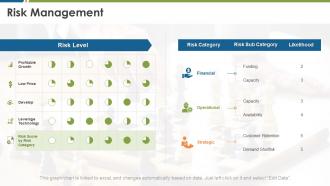
Honestly, risk management is like having a good backup plan - it keeps your business from getting blindsided by problems. You'll spot issues before they blow up into expensive disasters. The cool thing is it actually makes you braver about new opportunities since you know you've got contingencies covered. Investors eat this stuff up too, which is nice. Oh, and start with your biggest weak spots first. Don't overcomplicate it - just figure out what could really hurt you and have a simple plan ready. Way better than scrambling when things go sideways.
-
Great product with highly impressive and engaging designs.
-
Illustrative design with editable content. Exceptional value for money. Highly pleased with the product.
-
Great quality slides in rapid time.