


Retail Business Management Powerpoint Presentation Slides





Try Before you Buy Download Free Sample Product
 Impress Your
 Audience
 100%
100% Editable
 Save Hours
 of Time


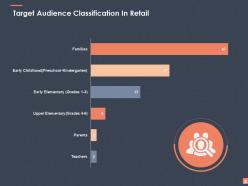
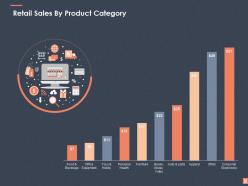
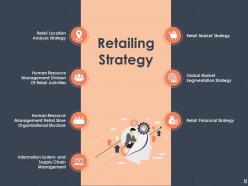
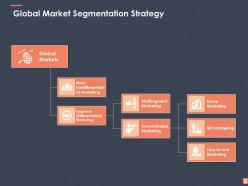
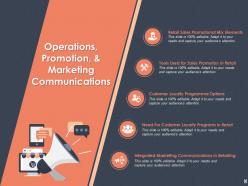
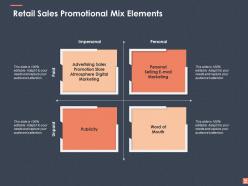
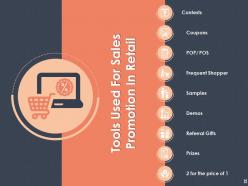
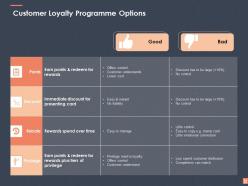
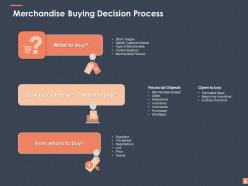
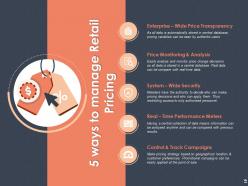
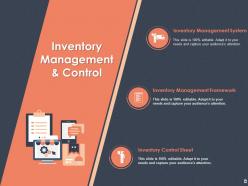
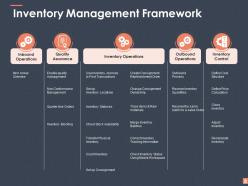
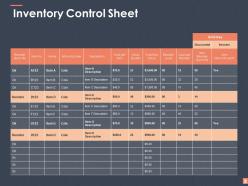
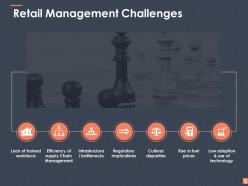
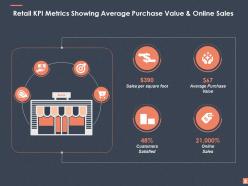
Retail Business Management PowerPoint Presentation Slides are designed to bring your attention to better retail management. The B2C PowerPoint complete deck is created with the purpose of delivering your ideas in an effective way. Broadly it covers slides like types of retail formats, key drivers of retail growth, retail global trends, role of information technology in retail, types of retail applications, understanding retail customers, future trends in multi-channel retailing, retail management and competition, classification target audience, retail sales by product category, pricing strategies, global market segmentation strategy and more. Showcase retail location analysis, human resource management, retail store organizational structure, information system and supply change management using this retail operation management analysis Presentation design. Furthermore you can also use this retails strategy PPT visual to present promotion and marketing communication, retail sales promotional mix elements, sales promotion in retail, customer loyalty programme options, merchandise management, merchandise buying decision process, ways to manage retail pricing, retail pricing strategy, inventory management control, retail management challenges, inventory management framework, inventory control sheet, retail management challenges, retail KPI metrics, etc. Download merchandise management PowerPoint templates to impress your audience.
People who downloaded this PowerPoint presentation also viewed the following :
Content of this Powerpoint Presentation
“Retail is no longer about just selling products; it’s about creating experiences.”
~ Paco Underhill, Strategic Advisor at Envirosell Global LLC.
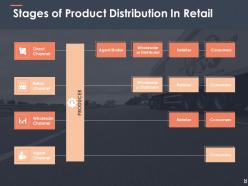
The retail industry is the bridge between producers and consumers. With changing global trends, the retail industry has undergone several changes and has come up with new strategies to maintain its place. Retail management includes a number of processes that should be taken into consideration in order to ensure the smooth running of the system, increase sales, and achieve utmost customer satisfaction. The management practices include managing inventory, organising merchandise displays, deciding prices, upgrading the logistics and supply chain management systems, and delivering quality customer service.
Are you struggling with retail business management strategies? Confused? What's the best management practice for your retail business?
Don’t you worry when we are here!
Our 100% ready-to-use and customizable templates on retail business management will help you in strategic planning, analysing market trends, identifying your target audience, setting your sales target, making informed decisions on product pricing, and improving customer relationships, thus keeping you ahead of your competitors.
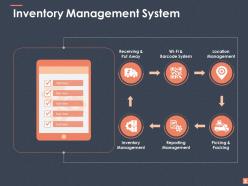
Retail management also involves achieving operational excellence. The inventory management tools help you keep track of stock levels, reduce the risk of stockouts, and optimise replenishment, thus improving the company’s overall performance.
Click here to get our templates on achieving operational excellence and ace up the operational management game!
Explore the templates
Template 1: Types of Retail Formats

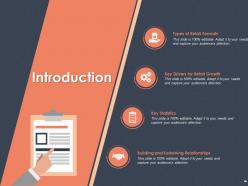
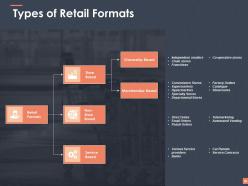
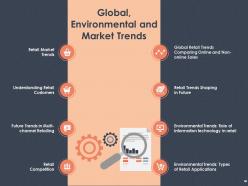
A retail business management system starts with an understanding of the various types of retail formats, including store-based formats, non-store-based formats, and service-based formats. This template on the types of retail formats will allow easy training of the staff about the operational protocols and requirements, thus ensuring a high level of customer experience and service quality. The three formats are further subdivided into branches, thus covering every form of format that is involved in the system. Download Now!
Template 2: Key Drivers for Retail Growth

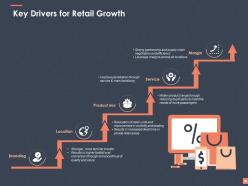
In the ever-expanding field of the retail industry, multiple factors contribute to the profitability and steady growth of the business. Leveraging the dynamics of these key drivers presented in the PPT template will help retailers hold their ground in the marketplace and stay ahead of the competition. The key drivers are product mix, service, location, branding, and margin. Supply chain management is a crucial factor in reducing costs, eliminating stockouts, and increasing on-time deliveries for customers. Changes in the service, like digital shopping options, one-day delivery, and widening the range of products, can yield increased customer satisfaction and increased growth in the company. Get access today!
Template 3: Building and Sustaining Relationships
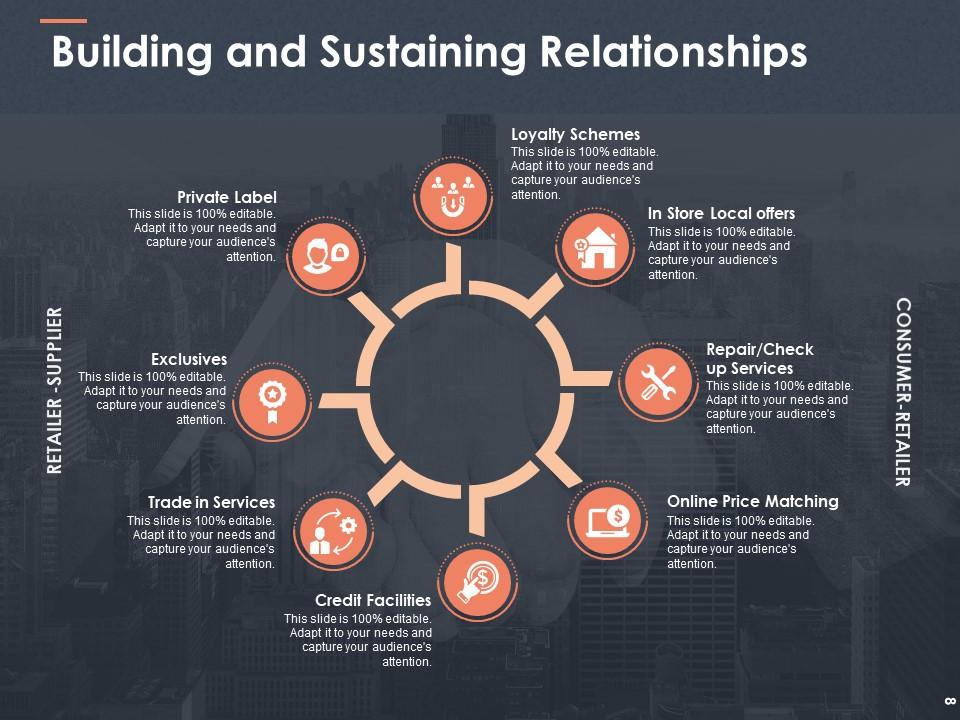
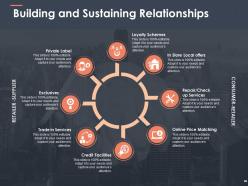
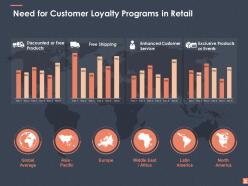
Building and sustaining relationships in retail is pivotal to success. Establishing a good relationship with just your customers isn’t enough; you need to extend beyond it to stakeholders, suppliers, and manufacturers with a holistic approach. This template has got you covered with all the essential building blocks to your relationships, like offering loyalty schemes, working in customer feedback, a fair treatment for all the suppliers, enhancing product quality, having in community and social events, online price matching, credit facilities, and in-store offers, etc. Download Now!
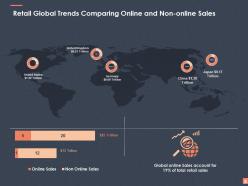
Template 4: Retail Global Trends Comparing Online and Non-online Sales

With globalisation, statistics in retail merchandise have changed a lot. You need to equally focus on both online and non-online sales and compare the retail global trends for knowing the dynamics and differences between the two. With this template you can track the data of sales in each country, offering your insights on the order of location-wise profitability. This data will enable you to allocate budgets to improve performance in low performing locations and deploy new strategies to boost revenue from the high performing locations. Download Now!
Template 5: Environmental Trends: Role of Information Technology in Retail

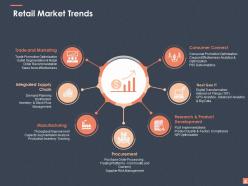
Retailers are making use of new technologies such as e-commerce platforms, POS, CRM tools to enhance efficiency. The way retailers interact with their customers have changed with the help of technologies. Use this template to keep up with the trends. You can deploy strategies like assortment planning, replenishment planning, and markdown optimization. These online platforms will help you drive audiences, build loyalty and drive sales. Download Now!
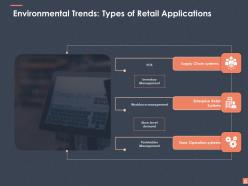
Template 6: Environmental Trends: Types of Retail Applications
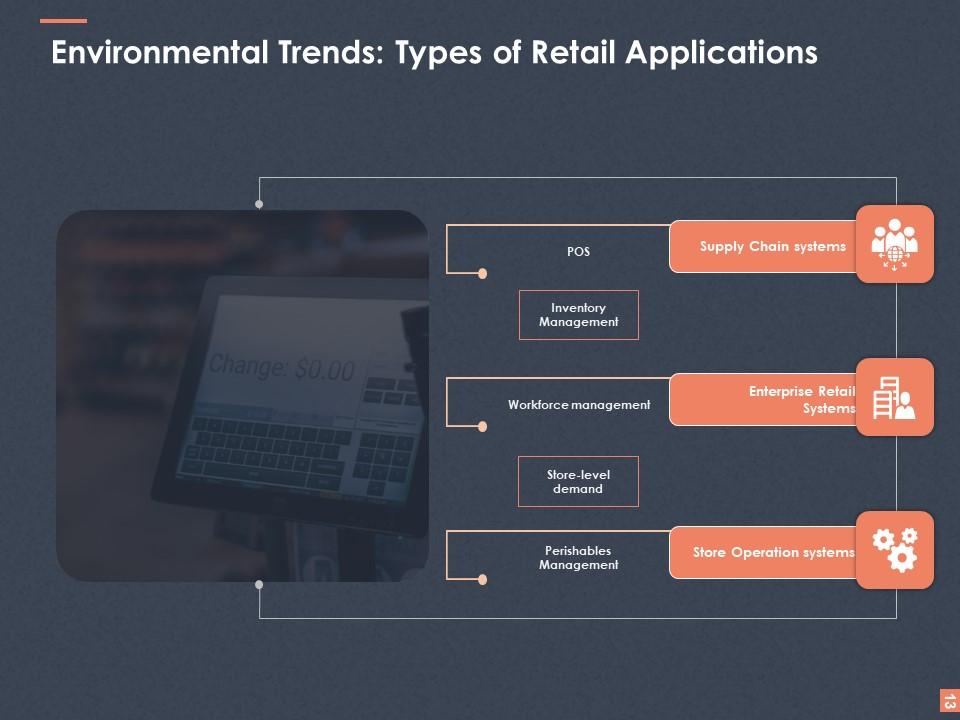
Understanding the types of retail applications will drive you towards success in the retail value chain. Use this PPT Template to ensure seamless inventory management, supplier collaboration and help manage logistics and transportation. This in turn will lead to effortless in time delivery, optimise shipping routes and reduce the cost of transportation. The enterprise retail system in the Slide encompasses activities such as sales, finance marketing, customer relations and workforce management. As given in the PPT Template manage store operations systems amongst other applications. Download Now!
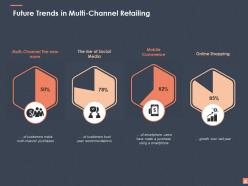
Template 7: Future Trends in Multi-Channel Retailing
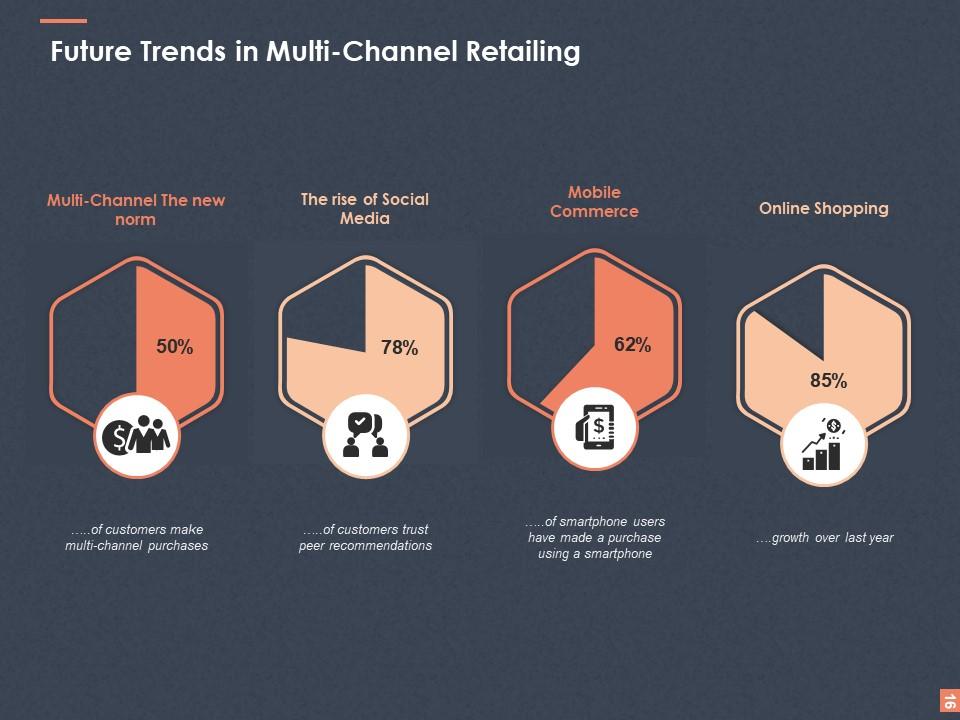
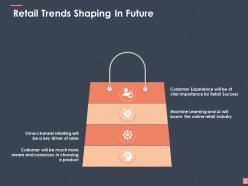
The core of retail marketing is understanding your customer behaviour and their modes of purchase from your store. With this PPT Template you will get an idea of what percentage of customers have made the purchases through which mode and what were the driving factors behind their purchase. This slide for future trends in multichannel retailing will offerent you insights on your online growth and enable you to grow your business based on customer purchase preferences. Download Now!
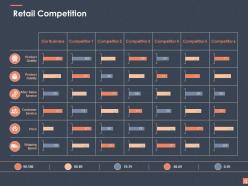
Template 8: Retail Competition

In order to grow and thrive in the retail market, you need to know your competitors and compare different factors to get into the top or at least be in the race. Through this template, you can compare parameters like price of your products,shipping speed, product quality and fidelity, customer service ratings and after service feedbacks and know your position in the market.
Template 9: Pricing Strategy

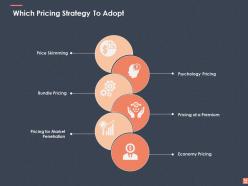
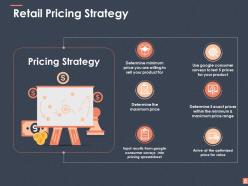
A good pricing strategy can do wonders for your retail business. It can attract more customers, give you a loyal customer base, boost your sales, improve your profit margins and inspire trust and confidence in your customers. Pick the right pricing strategy from the PPT Template between price skimming, bundle pricing, psychology pricing, economy pricing, pricing at a premium and pricing for market penetration. Consider factors like determining your values, evaluation of the pricing potential, review of your customer base, checking out your competitors for selecting the best pricing strategy. Download Now!
Template 10: Retail Market Strategy
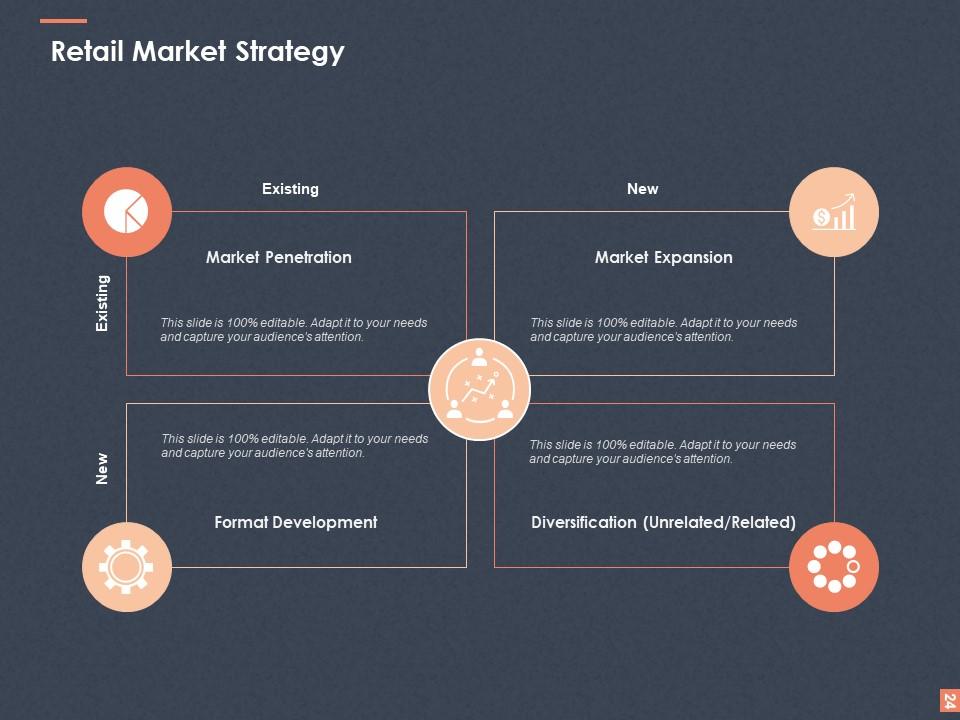
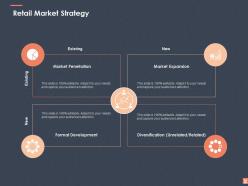
A successful retail market strategy involves evaluating your old strategies and implementing new ones to merge tradition and innovation. Do this with this PPT Template. It will make you stay put in the market while considering key elements such as market expansion, market penetration, formal development and diversification. Suppose you consider market penetration, so how will you blend the old and the new? Simple! Besides traditional techniques like advertising and promotions, leverage digital platforms, social media to increase your market share. Brainstorm other such strategies with the help of this Template. Download Now!
Conclusion
The ever-evolving retail industry demands you to adapt to new retail management practices and the changing market dynamics to achieve customer satisfaction at every touchpoint.
An effective retail management system will enable you to handle customer demands and complaints instantly, optimise store processes and improve your lead delivery time.
A clear understanding of the Retail business demand management Timeline plan the operational function in retail. It will help you tackle challenges in managing the IT demands such as under delivery, poor visibility and overspending time and energy, while enabling you to nurture the delivery processes, furnish sales channels, etc.
Retail Business Management Powerpoint Presentation Slides with all 64 slides:
Include every input in your analysis with our Retail Business Management Powerpoint Presentation Slides. You will demonstrate good judgement.



FAQs for Retail Business Management
Honestly, you gotta focus on three big things: inventory, customer experience, and money stuff. Don't tie up all your cash in stock, but also don't run out of what people actually want. Train your staff properly - dealing with incompetent employees is the worst. Pricing and store layout matter too, obviously. Oh, and watch your margins like a hawk or you'll bleed money without realizing it. Everything connects though, so figure out what's most broken first and fix that. I'd probably start with whatever's costing you the most customers right now.
Honestly, data analytics just makes your hunches way more reliable. You'll stop guessing why sales tanked and actually see which products or locations screwed up. Customer patterns become super obvious, and you can predict what they'll want before they even know it. The whole thing clicked for me when I realized you're not just fixing problems anymore - you're stopping them before they happen. Pretty crazy shift, right? Start simple though. Track your top sellers by day or hour first, then build from there once you get the hang of it.
Honestly, I'd start with your staff - they're everything. Train them properly so they actually know the products instead of just shrugging when customers ask questions. Clean up your store layout too and put up decent signage. People get annoyed when they can't find basic stuff. Oh, and get feedback from customers regularly - surveys work, or just chat with them. Then actually DO something with what they tell you! I've seen too many stores collect feedback and then ignore it completely, which is just dumb. Focus on staff training first since that'll make the biggest difference right away.
Look, inventory management is basically what makes or breaks your retail business. Poor control kills cash flow and pisses off customers when stuff's out of stock. Good control? You're not sitting on dead inventory eating up your money, plus customers actually find what they need. I've honestly watched businesses tank just from this one thing. Track your turnover rates by category first - that's where you'll spot which products are goldmines versus money pits. Faster turnover means lower carrying costs and happier customers. It's pretty straightforward once you get the hang of it.
Honestly, tech runs everything in retail now. Your POS handles sales, inventory software stops you from running out of stuff, and analytics show what's actually moving (which can be pretty eye-opening). Then you've got e-commerce, social media for marketing, CRM for customers - the whole thing. But here's what I learned the hard way: don't chase every shiny new tool. Pick what fixes your actual problems first. I've seen stores blow money on fancy systems they never even use properly. Start with what you need most.
Honestly, start by figuring out who your customers actually are - like their age, income, where they shop, what bugs them. Don't just say "increase sales" as your goal, get specific about numbers. Your ads should talk about solving their problems, not just listing features (nobody cares about features tbh). Pick 1-2 social platforms where your people actually are instead of trying to be everywhere. Test small first - throw a little money at different ideas and see what sticks. Then go bigger with whatever works. Track everything though - sales, clicks, people walking in your store. You'll go crazy without real data to guide your decisions.
Definitely go with hands-on training over just talking at them. Pair new people with your best staff who can actually show them what's up. Role-playing is super awkward but honestly works better than anything else for building confidence. Cover your POS system, product knowledge, and dealing with difficult customers - but don't cram it all into their first week or they'll forget half of it. I'd spread everything over the first month instead. Oh, and make a simple checklist so you don't accidentally skip teaching them something important. Regular check-ins help too.
Honestly, seasonal trends are everything for knowing when to push products. Look at your past sales data first - you'll spot patterns pretty quickly. Winter coats need to be stocked by October, not when everyone's already shopping in December (learned that one the hard way). Obviously holidays are huge money makers. But smaller stuff like back-to-school or spring cleaning can really surprise you with decent sales too. Plan your promotions and inventory orders like 2-3 months out. I'd start mapping next year's strategy now while this year's numbers are still fresh in your head.
Honestly, there are tons of ways to do this. Email surveys after someone buys something work really well - people actually fill them out. Social media monitoring is clutch too since you'll see what customers really think when they don't know you're watching (sometimes brutal but super helpful). QR codes in-store are pretty popular now, or those little feedback tablets. Mystery shoppers are expensive but give you insights your regular customers won't. Oh, and talk to your sales team more - they hear everything. I'd pick one method first, see what patterns come up, then maybe add another later.
Dude, your customers are everywhere now and they want it all to work together perfectly. Like, they'll browse on Instagram, check your website, then show up at your store expecting you to know their whole shopping history. My neighbor literally got mad when Home Depot couldn't find her online order in-store last week - she went to Lowe's instead! You gotta sync up your inventory first. That's where most people get burned. Strong omnichannel keeps customers way longer than the old scattered approach.
Physical stores are rough - you're paying rent and staff whether anyone buys stuff or not. Plus inventory space is always tight, and don't get me started on shoplifters. Online's different headaches though. Shipping becomes your biggest nightmare, returns are messy since you can't see what condition things are really in, and good luck getting noticed among a million other sites. Customer service gets weird too without face-to-face interaction. Honestly both suck in their own ways. I'd just focus on where your actual customers like to shop first, then deal with whichever mess that creates.
Honestly, just pick three areas to focus on - supply chain, day-to-day operations, and how you connect with customers. Energy-efficient lighting is a game changer (seriously, the savings are wild). Source from eco-friendly suppliers when you can. Cut down on packaging waste. Digital receipts instead of paper ones - customers actually love this. Oh, and recycling programs work really well for engagement. Don't try doing everything though. Pick 2-3 things that actually fit your brand and stick with them consistently. That's way better than half-assing a bunch of initiatives.
Honestly, just pick the metrics that'll actually move the needle for your business. Gross profit margin and inventory turnover are must-haves - they show if you're making money without tying up cash in dead stock. Customer acquisition cost matters too, but don't obsess over it early on. If you've got a physical store, sales per square foot is gold for figuring out your layout. I'd also track conversion rates and how many customers come back. Oh, and average transaction size - that one's pretty telling about your pricing strategy. Start with maybe 3 of these, then add more once you're actually using the data.
Honestly, pay them on time - that's like 90% of it right there. Late payments will torch any relationship faster than anything else. Set up regular check-ins so you're both on the same page about forecasts and what's coming down the pipeline. Don't try to nickel and dime every negotiation either. Fair terms matter because when peak season hits and everything goes sideways, you'll want them actually willing to help you out. Think of them as partners, not just another vendor. Oh, and whatever communication schedule you set up? Actually stick to it.
Honestly, e-commerce is making traditional stores scramble to stay relevant. Most brick-and-mortar places are turning into showrooms now - people come in, touch stuff, then order online for cheaper prices. It's annoying but that's the game. Your inventory and staffing models? They're probably outdated. Smart retailers are going omnichannel - like letting people buy online and grab it in-store, or doing same-day delivery. Oh, and customer service expectations are way higher now since Amazon spoiled everyone. You've gotta meet customers wherever they want to shop.
No Reviews