


Sales conference powerpoint presentation slides




Try Before you Buy Download Free Sample Product
 Impress Your
 Audience
 100%
100% Editable
 Save Hours
 of Time


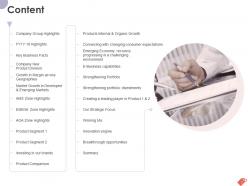
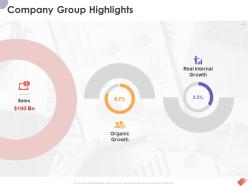
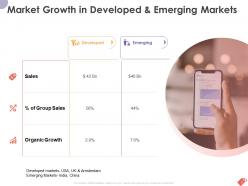
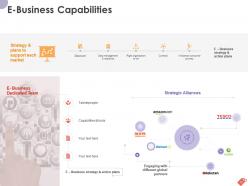
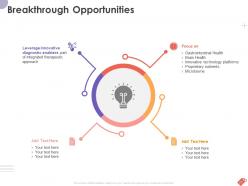
Take your business to greater heights using these Sales Conference PowerPoint Presentation Slides. Take the assistance of these sales meeting PPT templates to reveal your market growth in developed as well as emerging economies. Further, depict the growth of numerous product segments in your own currency. Showcase the progress of your company and take advantage of various opportunities to get the first-mover advantage using these sales competition PowerPoint infographics. Unveil the challenges that are obstructing you from achieving your goals and devise certain measures to counter the same using these incentive program PowerPoint slides. Illustrate the E-business strategy and highlight the capabilities of your dedicated team using this sales conference PowerPoint slideshow. Utilize these incentive program PPT graphics to present the breakthrough opportunities in your industry. Download this amazing sales meeting PPT deck and achieve your business goals.
People who downloaded this PowerPoint presentation also viewed the following :
Sales conference powerpoint presentation slides with all 38 slides:
Use our Sales Conference Powerpoint Presentation Slides to effectively help you save your valuable time. They are readymade to fit into any presentation structure.
















FAQs for Sales conference
Start strong with a keynote or celebrating recent wins - gets everyone pumped. Block out good chunks for product training and demos of new features. Competitive analysis sessions are clutch too. Role-playing exercises are honestly where people learn the most, even though half your team will probably groan about it. Break people into smaller groups by territory or product line - that's where the real conversations happen. Build in networking breaks so they can decompress and swap stories. Wrap up with concrete action items they can actually use right away.
Dude, templates are honestly a game-changer for keeping people awake during presentations. Your speakers won't waste time messing with fonts and colors - they can actually focus on what they're saying. The visual consistency keeps everything looking professional too, instead of that weird mix-and-match vibe you get when everyone uses random PowerPoint themes. Build in spots for polls and Q&A sections right into the template. Makes interaction feel natural instead of forced. I've sat through way too many conferences that felt like a design nightmare. Trust me, your audience will actually pay attention when everything flows together smoothly.
Honestly, most conferences are just expensive feel-good sessions that everyone forgets about by Wednesday. Here's what actually works: kick off each session with super clear goals, then wrap up with real commitments - actual names, dates, and numbers. Your breakout sessions need to spit out concrete action items that someone writes down and assigns immediately. Hit people with a follow-up email within 48 hours listing who's doing what by when. The real trick though? Schedule those check-in meetings before anyone even leaves the building. Trust me on this one.
Download the conference app ASAP and start messaging people you want to meet - way better than just showing up and wandering around aimlessly. Most apps now have matchmaking features that actually work pretty well, suggesting connections based on your job and interests. Badge QR codes make swapping contact info super quick. You can even schedule meetings right in the app, which honestly saves so much awkward small talk time. Oh, and keep an eye on the social media walls during sessions - they're great conversation starters when you're standing around looking lost.
Honestly, getting feedback is the only way you'll actually improve your next conference instead of just repeating the same boring mistakes. Hit up attendees, speakers, and your team while it's all still fresh - like within a week max. Don't ask vague stuff like "how was it?" That gets you nowhere. Ask specific things: which sessions helped them actually do their job better, what networking they want more of, whether the venue worked. I swear, most conferences suck because nobody bothers collecting this data. Use what you learn to fix your agenda and speaker choices next time.
Honestly, yes - the right keynote can totally change your whole conference vibe. Bad speaker = dead room, but a good one gets everyone pumped and actually gives them stuff they can use back at work. Your attendance goes up too when people see you booked someone legit. Just don't go with some random motivational guy who talks about climbing mountains or whatever. Find someone who gets your industry and brief them on what your team's actually dealing with. Oh, and leadership loves it because it shows you're putting money into development. Worth the investment for sure.
Honestly, you need to track a bunch of different stuff to see if it was worth it. Attendance and how engaged people seemed during sessions are your quick wins - plus whatever feedback you get right after. Lead numbers and pipeline value are obvious ones too. But here's the thing - the real money shows up way later, like 6-12 months out when deals actually close. I'd also check if your team learned anything (maybe test them in a month?). Oh and don't underestimate the morale boost - that's harder to measure but still matters. Just throw everything in a spreadsheet now so you're not trying to piece it together later.
Dude, try mixing in some live polls during your presentations - way better than just droning on for hours. Q&A tools are solid too, especially the anonymous ones where people actually ask real questions. Breakout rooms work well for role-playing stuff, though honestly I always feel awkward in those at first. Short bursts are key - don't try cramming every cool feature into one session. Digital whiteboards are pretty slick for territory planning when teams need to brainstorm together. Just pick one tool and see how it goes, then add more based on what people actually use.
Honestly, panels are way better than sitting through some boring hour-long presentation. You get different viewpoints from actual industry people who've been there - not just theory but real stuff that works. Plus your audience stays awake since it feels more like a conversation. The Q&A part is usually gold too. Each panelist can hit different angles of the same topic, so you cover more ground without dragging on forever. Oh, and mix your internal rock stars with outside experts - creates better chemistry on stage. Trust me on this one.
Definitely mix things up - some people are visual learners, others need to actually DO stuff to get it. I'd throw in demos, breakout sessions, maybe some hands-on workshops alongside your regular slides. PowerPoint marathons are honestly the worst for keeping people awake lol. Charts and infographics work great for visual folks, while others prefer hearing stories or jumping into Q&As. Role-playing is clutch for people who learn by doing. Oh, and survey people beforehand about how they like to learn - then you can structure your whole agenda around hitting all those different styles throughout the event.
Definitely hit them up within 48 hours while everything's still fresh. I always scribble down notes right after meetings because I'll literally forget someone's name by the next day lol. Skip the "nice meeting you" generic stuff - mention something specific you actually talked about. LinkedIn connection with a personal note works great. Share whatever resources you promised (people remember when you don't follow through). Most importantly, suggest something concrete like a call or demo. Don't just reach out to "stay in touch" - be genuinely helpful. Oh, and set a reminder to ping them again in 2-3 weeks if they ghost you.
Check out the agenda and find sessions that actually match what your team's working on right now. If you're chasing enterprise deals, hit up that "Strategic Account Management" track - seriously, those sessions are usually worth their weight in gold. Get everyone to think up real questions beforehand instead of just sitting there nodding along. The key is connecting those big conference ideas to whatever pipeline mess you're dealing with back home. Oh, and don't wait forever to debrief - do it within a couple days or everyone forgets half the good stuff and you're back to square one.
Dude, real customer stories with actual numbers are gold. People need proof, not fluff. Start with a solid case study showing real results, then hit them with the data that matters. Interactive demos are clutch too - get them actually using your stuff somehow. I swear, nothing kills a room faster than someone reading feature bullets off slides. Focus on their actual pain points instead and show how you fix them. Keep slides super visual, minimal text - you want their attention on you. Oh, and always give them something concrete they can do right after each section. Works every time.
Honestly, team-building at sales conferences is so underrated. Most reps work remotely now, so getting everyone together physically makes a huge difference. Those random conversations over coffee or during group activities? That's where real trust gets built. Sales is lonely as hell sometimes - I've been there. When your team actually likes each other, they'll share leads and help during rough patches. Don't just pack the schedule with formal sessions though. The best connections happen when people are just hanging out between meetings or at the hotel bar.
Here's what I'd do - survey everyone beforehand about their biggest headaches. Maybe it's compliance stuff, maybe competitors are crushing them, who knows. Build your whole agenda around those specific problems. Skip the generic motivational speakers (honestly, most are pretty useless anyway). Instead, find people who've actually solved the exact issues your crowd is facing. Set up breakout rooms where they can brainstorm solutions together. The whole point is making sure everything connects to what they're dealing with Monday morning, not some pie-in-the-sky theory that sounds good but doesn't work in practice.
-
Nice and innovative design.
-
Topic best represented with attractive design.
-
Easily Understandable slides.
-
Understandable and informative presentation.