

Sales enablement powerpoint presentation slides





Try Before you Buy Download Free Sample Product
 Impress Your
 Audience
 100%
100% Editable
 Save Hours
 of Time


Our Sales Enablement Powerpoint Presentation Slides are topically designed to provide an attractive backdrop to any subject. Use them to look like a presentation pro.
People who downloaded this PowerPoint presentation also viewed the following :
Content of this Powerpoint Presentation
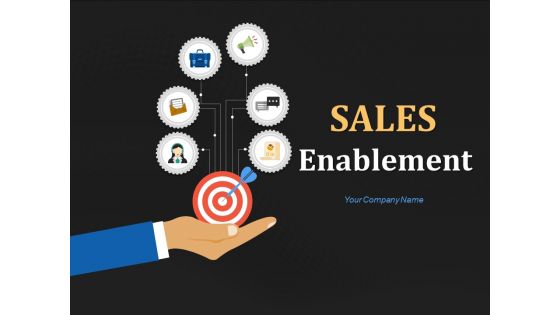
Slide 1: This slide introduces SALES Enablement with imagery. State your company name and begin.
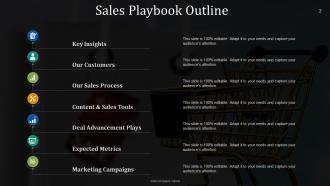
Slide 2: This slide presents Sales Playbook Outline displaying- Key Insights, Our Customers, Our Sales Process, Content & Sales Tools, Deal Advancement Plays, Expected Metrics, Marketing Campaigns.
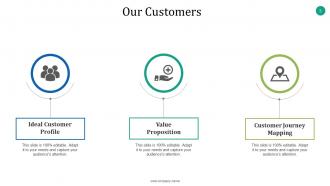
Slide 3: This slide showcases Our Customers with- Ideal Customer Profile, Value Proposition, Customer Journey Mapping.
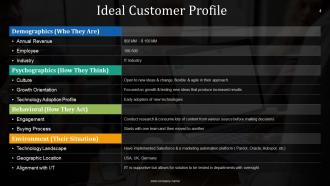
Slide 4: This slide shows Ideal Customer Profile. Use as per your requirement.
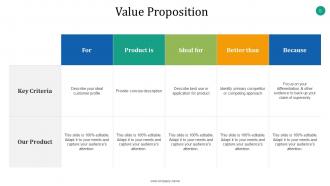
Slide 5: This slide presents Value Proposition showing Key Criteria and Our Product.
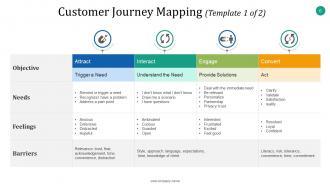
Slide 6: This slide shows Customer Journey Mapping (Template 1 of 2) with the following four steps- Attract, Interact, Engage, Convert.
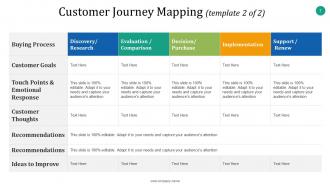
Slide 7: This slide also shows Customer Journey Mapping (template 2 of 2). Use as per your need.
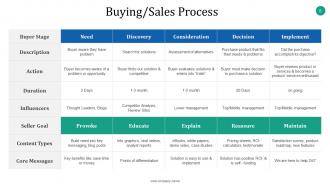
Slide 8: This is Buying/ Sales Process slide showing Buyer Stage, Description, Action, Duration, Influencers, Seller Goal, Content Types, Core Messages.
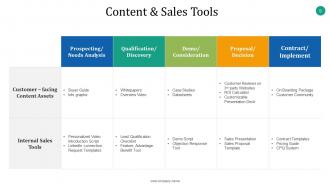
Slide 9: This slide presents Content & Sales Tools in a tabular form. State your content and sales tools here and use them.
Slide 10: This is Sales Enablement Icon Slide. Use icons as per your need.
Slide 11: This slide is titled Additional Slides to move forward. You can change the slide content as per need.
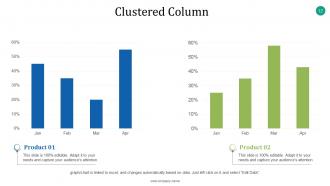
Slide 12: This is a Clustered Column slide to present product/ entity comparison, specifications etc.
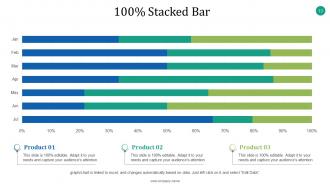
Slide 13: This is a 100% Stacked Bar chart slide to present product/ entity comparison, specifications etc.
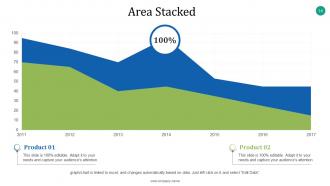
Slide 14: This is an Area Stacked chart slide to present product/ entity comparison, specifications etc.
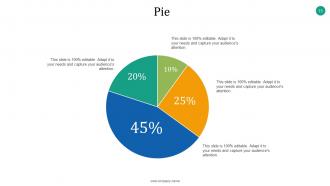
Slide 15: This is a Pie Chart slide to present product/ entity comparison, specifications etc.
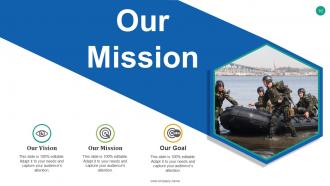
Slide 16: This slide states Our Mission with vision, goals etc.
Slide 17: This is a Venn diagram image slide to show information, specifications etc.
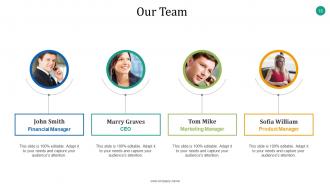
Slide 18: This slide presents Our Team with name, designation and image box.
Slide 19: This is a Thank You slide with Address# street number, city, state, Email Address, Contact Numbers.
Sales enablement powerpoint presentation slides with all 19 slides:
Use our Sales Enablement Powerpoint Presentation Slides to effectively help you save your valuable time. They are readymade to fit into any presentation structure.

FAQs for Sales enablement
So you'll want three main things: content management, training stuff, and CRM integration. Most sales teams are basically drowning in random outdated materials everywhere - it's a mess. Your reps need one spot where they can grab battle cards, case studies, all that good stuff. Don't forget ongoing coaching programs too. Analytics help you see what's actually moving the needle (though half the time people ignore the data anyway). CRM integration keeps everything flowing without extra work. I'd start by figuring out what content your team uses now, then organize it somewhere they'll actually use it.
So basically most of these tools connect to your CRM through APIs or built-in connectors that sync everything back and forth. You'll need to map your fields right so contacts, deal info, and engagement data all flows automatically. Honestly, the popular ones like Highspot or Seismic usually have Salesforce integrations ready to go. Your IT team might have to jump in depending on how complex your setup is. I'd definitely figure out what data you actually need first - like, don't sync everything just because you can. Test it in sandbox mode before you flip the switch live.
Look, content is what makes your sales team actually effective - gives them the right stuff to share throughout the buyer's journey. Case studies showing real results are pure gold. Product demos work best when they're tailored to specific scenarios, plus battle cards help reps tackle objections in real-time. ROI calculators are clutch for B2B deals where budget approval matters. Even basic one-pagers can totally change the game if they're designed well. Here's the thing though - none of this matters if your team can't actually find the content when they need it. Make it searchable or you're basically wasting your time.
Track both leading and lagging stuff - content usage, training completion, how fast new reps hit quota. Then look at the business side: conversion rates, deal sizes, sales cycle length. The annoying part? Figuring out if your enablement actually caused the improvements or if it's just coincidence. I'd say if both your tool engagement AND revenue numbers are trending up, you're doing something right. Maybe set up quarterly check-ins to see what's actually moving the needle. Some metrics will surprise you - we thought our video content was gold but turns out nobody watched past the first 30 seconds.
Dude, sales teams are constantly drowning in outdated stuff scattered everywhere. Training on new tools? What training lol. Marketing and sales never talk to each other, which drives me crazy. Your reps spend half their day hunting for materials instead of actually selling. Then leadership dumps like five new processes on them at once - recipe for disaster. Oh, and nobody tracks what's working. Start with one issue. Get your reps' input on what actually helps them close deals. They know better than anyone what's broken.
So sales enablement is basically giving your team all the ongoing stuff they need - tools, content, processes, coaching, whatever. Training? That's more like those specific workshops where people actually learn new skills. Here's how I think about it: training is learning to drive, but enablement is having the car, GPS, and gas money forever. You need both honestly. Training builds what your reps know, but enablement lets them use it daily with the right backup. I'd start by figuring out what's missing between your current training and your day-to-day support stuff.
Focus on the stuff that actually matters - quota attainment, deal velocity, win rates, and how fast new hires get productive. Content engagement is fine but honestly, I've watched teams obsess over download numbers while their deals tank. Training completion rates help too, plus testing knowledge retention with quick assessments. The trick is tying everything back to revenue, not just busy work. Pick maybe 3-4 metrics your sales leaders care about and stick with those. Don't overthink it - just track what moves deals forward.
Honestly, tech can be a game-changer for sales if you do it right. CRM systems help you track every client conversation so nothing falls through the cracks. Content platforms let you grab case studies or proposals instantly - no more digging through folders for 20 minutes. Analytics show you what's actually moving the needle vs what's just busy work. AI tools can personalize your outreach too, which sounds fancy but really just saves time. Your clients get faster responses and better recommendations. I'd start by figuring out what repetitive stuff is killing your team's productivity, then find tools that handle those tasks automatically.
Honestly, cross-departmental collaboration can make or break your sales enablement efforts. Marketing needs to feed you relevant content. Product teams should share roadmap updates. Customer success has the real usage data that actually matters. Even finance comes into play with pricing stuff (though they're usually the hardest to pin down for meetings). Without everyone talking, your sales team gets stuck with outdated materials and confusing messages. I'd start small though - pick your top 2-3 relationships and focus there first. Set up regular check-ins and clear processes for sharing info. Don't try to fix everything at once.
Okay so basically you've gotta match your messaging to what each persona actually cares about. Create different playbooks for each one - your tech people want all the nitty gritty specs and ROI stuff, but executives just want the big picture business impact. Totally different animals. Then switch up how you follow up too based on how they like getting info. I learned this the hard way tbh - was using the same pitch deck for everyone and wondering why half my demos flopped. Your sales team needs the right tools for whoever they're talking to that day.
Record your best salespeople in action first - that's where the gold is. Build playbooks around real scenarios, not those cookie-cutter scripts everyone ignores. What objections do you actually hear? How do your competitors position themselves? Those discovery questions that work in practice, not theory. Honestly, most playbooks I've seen are gorgeous PDFs that nobody opens twice. Keep updating yours based on field feedback or it'll be useless fast. Training-wise, think short bursts with lots of role-playing. Death by PowerPoint doesn't work anymore. Quiz your reps afterward and ask managers what's missing - they'll tell you exactly what needs fixing.
Honestly, you've got to give your sales team actual ways to speak up. Monthly one-on-ones are huge, plus quarterly surveys and those post-deal reviews where everyone's still remembering what happened. Here's the thing - most content just sits there collecting digital dust, so track what actually gets used. Ask super specific stuff like "what would've saved you 30 minutes this week?" instead of the usual "how do we improve" nonsense. Don't overwhelm yourself though. Pick one feedback thing to try this month and see how it goes.
Honestly, AI personalization is where it's at right now - you can target prospects way better. Revenue intelligence tools are getting insane too, like real-time call insights that actually help. Your tech stack should all talk to each other - CRM, content, training, the whole thing. Oh and microlearning is crushing those old-school marathon training days (thank god). Buyer enablement matters as much as sales enablement now, which I didn't expect but makes total sense. I'd start by looking at your current setup and figuring out where AI fits best first.
Honestly, ditch those quarterly training things - nobody retains that stuff anyway. Make it daily instead. Get your best people to share what's actually working in regular meetings. Those bite-sized modules between calls? Way better than marathon sessions. I know it sounds super cheesy, but leaderboards for training completion actually get people engaged. The trick is making them feel like it'll help them win, not like you're assigning homework. Oh, and definitely ask what skills they want first - builds way more buy-in than forcing random topics on them.
Honestly, personalized content is a game changer - you'll see like 20-30% better engagement and way faster sales cycles. Your reps can actually connect with prospects when they're using stuff that speaks to their specific industry and problems. Generic pitch decks are basically dead at this point, nobody has patience for that anymore. The trick is organizing your content library so your team can actually find what they need without digging around forever. I'd start by sorting your best content by buyer type and situation - oh, and make sure case studies match the prospect's industry. Your sales team will love you for it.
-
Excellent template with unique design.
-
Editable templates with innovative design and color combination.
-
Excellent Designs.
-
Designs have enough space to add content.
-
Amazing product with appealing content and design.
-
Qualitative and comprehensive slides.