

Achieving Sales Target Powerpoint Presentation Slides






Try Before you Buy Download Free Sample Product
 Impress Your
 Audience
 100%
100% Editable
 Save Hours
 of Time


SlideTeam presents you yet another quintessential design for expressing your improved sales performance related PowerPoint presentations. Measuring your sales activities, monitoring your pipeline and aligning with clients who bring sales leads are prime aspects of increase in average sale. In these PowerPoint templates, we have highlighted topics like product offering, services like digital advertising, marketing and analytics, digital care package, security, and Maintenance, current financial highlights, team portfolio, sales team compensation plan, upcoming projects, a graph representation of actual versus target sales, sales promotion tools, roadmap for major obstacles. Other parameters can be compared through, area chart, radar chart and combo chart for understanding in depth. Furthermore, you can elaborate on your financial plans, comparisons on social media marketing, new ideas and write a brief regarding your objectives. Download our, achieving sales target PowerPoint presentation slides, for an enduring experience and leave a positive impression while explaining your business agendas through these designs. Your ideas will be considered gems. Our Achieving Sales Target Powerpoint Presentation Slides will display their brilliant facets.
People who downloaded this PowerPoint presentation also viewed the following :
Content of this Powerpoint Presentation
Slide 1: This slide introduces Achieving Sales Target with imagery. State company name here.
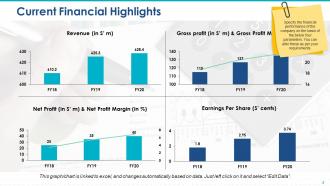
Slide 2: This slide presents Current Financial Highlights in charts and graphs. Specify the financial performance of the company here. You can alter these as per your requirements.
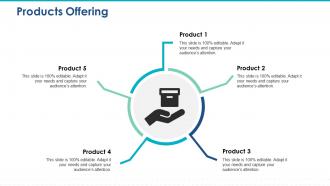
Slide 3: This slide showcases Products Offering circular image form.
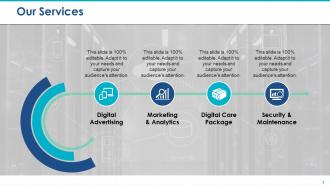
Slide 4: This slide showcases Our Services which involves- Digital Advertising, Marketing & Analytics, Digital Care Package, Security & Maintenance.
Slide 5: This is Our Team slide to display names, designation with image boxes.
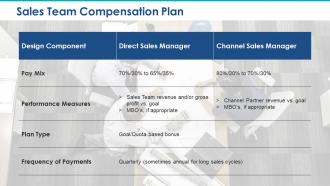
Slide 6: This slide states Sales Team Compensation Plan. You can add/ alter content as per need.
Slide 7: This slide showcases Upcoming Projects with their respective icons.
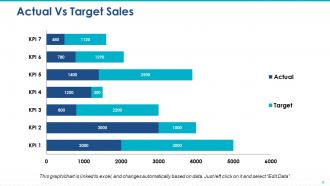
Slide 8: This slide states a difference between Actual Vs Target Sales in a bar graph/ chart form.
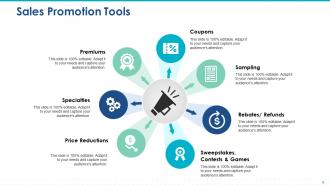
Slide 9: This slide showcases Sales Promotion Tools. They are as follows- Rebates/ Refunds, Sampling, Sweepstakes, Contests & Games, Coupons, Price Reductions, Specialties, Premiums.
Slide 10: This slide displays Major Roadblocks Or Obstacles roadmap. Mention the obstacles you foresee in carrying out your planned tasks.
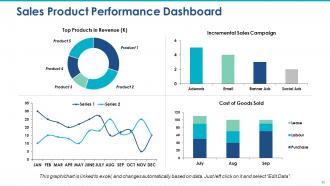
Slide 11: This slide presents Sales Product Performance Dashboard in charts and graphs to state comparison, information etc.
Slide 12: This is Achieving Sales Target For Icon Slide. Use/ alter icons as per business requirement.
Slide 13: This is a Coffee Break slide to halt. You may change it as per requirement.
Slide 14: This slide is titled Charts & Graphs to move forward. Change/ alter contents as per need.
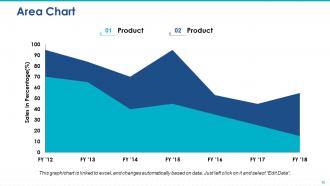
Slide 15: This is an Area Chart slide for product/entity comparison, specifications etc.
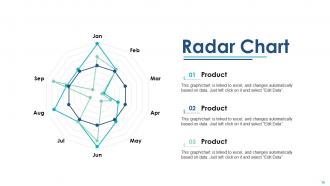
Slide 16: This is a Radar Chart slide for product/entity comparison, specifications etc.
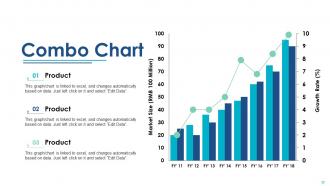
Slide 17: This is a Combo Chart slide for product/entity comparison, specifications etc.
Slide 18: This slide is titled Additional Slides to move forward. Change/ alter contents as per need.
Slide 19: This is Our Mission slide to state your mission, vision, goals etc. here.
Slide 20: This is an About Us slide. You can shows company/team specifications etc. here.
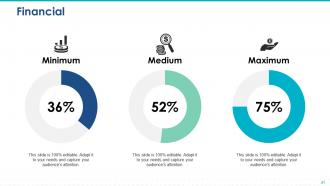
Slide 21: This slide showcases Financial scores in terms of Minimun, Medium and Maximum.
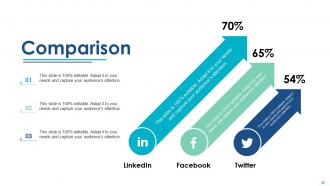
Slide 22: This is a Comparison slide To state comparison between commodities/ entities etc.
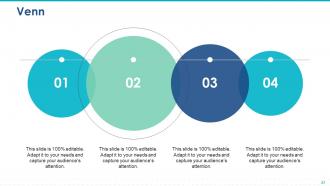
Slide 23: This is a Venn slide to show information, specifications etc.
Slide 24: This is a Bulb or Idea to show information, ideas, specifications etc.
Slide 25: This is a Thank You image slide with Address, Email and Contact number.
Achieving Sales Target Powerpoint Presentation Slides with all 25 slides:
Our PT&s enable you to be expressive. Avoid feeling inhibited about anything.










FAQs for Achieving Sales Target
Look at your past data first - what actually happened vs what you hoped would happen. That's your reality check. Break everything down by product or region so it doesn't feel impossible. Your team needs to be part of setting these goals, not just handed them from above (learned that one the hard way). Don't forget about seasonal stuff and whether the economy's being weird. Short punchy targets work better than these massive yearly numbers that everyone ignores. Honestly, if your salespeople help create the targets, they'll actually try to hit them instead of complaining about how unrealistic management is.
Track your numbers monthly - revenue vs target, conversion rates, pipeline stuff. Most sales teams use CRM dashboards for real-time updates (honestly saves your sanity in team meetings). Also watch leading indicators like calls made and demos booked since they predict what's coming. Check in with yourself weekly to see where you actually stand. If you're behind, pivot early rather than hoping things magically improve. I'd probably do quarterly deep dives too, but monthly gives you enough time to fix problems without panicking every week.
Honestly, data analysis is what keeps you from setting completely unrealistic targets. Pull your last 12 months of sales numbers first - you'll spot patterns that actually matter instead of just guessing. Track your conversion rates and how fast deals move through your pipeline. Seasonal stuff matters too (Q4 is always weird for most industries). The key is using this info to adjust mid-quarter when things aren't tracking right. Historical performance plus market trends gives you baselines that make sense. Way better than those "let's just increase by 20%" conversations we've all sat through.
Honestly? Your top performers thrive on competition - they eat up those rankings and want that individual spotlight. But watch out because it can get messy fast if people start backstabbing each other. Team-based goals build way better relationships since everyone's pulling in the same direction, though you might lose that competitive edge. I'd probably go hybrid if I were you. Give people individual metrics to chase but throw in some team bonuses too. Your stars still get recognition while everyone else doesn't feel thrown under the bus. Maybe test it with different groups first? See what actually works before you commit to anything.
Dude, market trends totally control how crazy you can get with sales targets. Hot markets like AI stuff right now? Go aggressive - demand's already there. Declining markets though... that's where you gotta be real with yourself and maybe dial back targets so your team doesn't get crushed. I made that mistake big time last quarter lol. Seasonal stuff matters too, plus what competitors are doing. Honestly? Always leave yourself some wiggle room because markets can be unpredictable as hell. Buffer space saves your sanity.
Honestly, CRM systems are perfect for this stuff. They pull all your deal data together automatically - no more messing around with spreadsheets. Real-time dashboards show exactly where you're at with monthly goals. You'll get alerts when deals start stalling too, which is clutch. Most let you break things down by territory or product to see what's actually working. I'd set up those automated weekly reports first - they email you progress updates and keep everything front of mind. Way better than manually tracking everything. You can drill down into specific time periods if something looks off.
Dude, watch for these red flags. Missing targets by 20%+ consistently? Time to reassess. Market conditions totally different from when you set them? Same deal. The pipeline math is usually where things get stupid - like when they want 10x pipeline but your close rate is garbage at 8%. I've seen this mess so many times. Product changes, new competitors, economic weirdness in your territory - all reasons to pivot. Oh, and review quarterly based on real data, not whatever fantasy numbers leadership dreamed up over coffee.
Yeah so with new launches, they usually give you pretty conservative targets at first since there's literally no data to go off. Just educated guesses about whether people will actually buy it. Established products are different - those targets come from real performance data and market trends. Way more predictable. Here's the weird thing though: launches start with lower numbers but then they expect crazy growth once you hit product-market fit. Established stuff just gets steady bumps year over year unless something major happens in the market. Honestly? Fight back if launch targets seem totally unrealistic. You've got zero baseline to work with, plus there's always that 3-6 month learning period nobody wants to admit exists.
Your team size totally changes how you should set up sales targets. More people = you can go after bigger goals since there's actually bandwidth to chase multiple deals at once. Just make sure you divvy up territories properly - last thing you want is your reps fighting over the same prospects (been there, it's messy). Smaller teams work better with focused account-based targets. You can't be everywhere at once, so pick your battles wisely. The real trick? Don't overcomplicate things. Setting 50 different mini-targets for three people is just asking for chaos. Match what you're asking for with what they can actually pull off.
Work backwards from your actual goals, honestly. Figure out what's blocking your team from those numbers first. Missing big deals? Train on consultative selling and longer cycles. Most companies just throw random sales training at people and expect magic - it's ridiculous. Map each training piece to specific behaviors that move your KPIs. Could be prospecting volume, conversions, deal size, whatever. Then actually track if the training changed those metrics. That way you can show it worked and tweak what didn't. Makes way more sense than generic stuff.
Honestly, you need to hit them from different angles or it won't stick. Have a team meeting first - break down the actual numbers and explain why these targets matter. Don't just throw quotas at people without context, that's how you lose buy-in. Document everything in your CRM afterward so they can reference it later. Weekly check-ins are huge for catching problems early before they spiral. Oh, and celebrate the small wins too - people need proof these targets aren't completely ridiculous. Repetition through multiple channels is what makes it work.
Dig into your past sales data first - you'll spot the seasonal patterns pretty quick. Instead of flat monthly goals, bump up targets during your busy seasons and dial them back when things slow down. Holidays, weather, whatever makes your customers spend or hold back. I got burned on this in January because apparently everyone's broke after the holidays (who knew, right?). Peak seasons should have aggressive targets. Slower months need realistic ones your team can actually hit. Just make sure it all adds up to your yearly number at the end.
Honestly, cranking up sales targets usually backfires. People get stressed and start playing it safe instead of taking smart risks. Your team ends up chasing quick wins rather than building real relationships with customers. The constant pressure makes everyone's brain go into panic mode, which kills creativity and teamwork - not exactly what you want. Sure, your best people might hit numbers at first, but then they burn out and quit. I've seen this happen so many times. Way better to set challenging goals but actually support your team with training and recognition. That keeps them motivated without creating a toxic mess.
Honestly, your sales team knows way more about what's actually happening out there than the suits in corporate. They're the ones having real conversations with customers every day, right? So when you're setting targets, definitely get their input first. They'll tell you if that 40% growth target is totally insane or if there's actually demand for it. Plus they know which territories are hot and which ones are dead zones - super helpful for making goals that actually make sense. Don't just throw numbers at them and expect magic. Loop them in early, listen to what they're saying, and you'll avoid setting everyone up to fail.
Honestly, the worst thing you can do is just drop numbers on people without asking what they think first. They'll hate feeling like targets came from some random spreadsheet upstairs. Don't make everything about revenue either - like, what if the market totally shifts? I learned this the hard way once. Also avoid using last year's numbers if things have changed a lot since then. Be real about what's actually possible. Stretch goals are good, but impossible ones just piss everyone off. Show them how you got the numbers and connect it to their career stuff. Get their input early.
-
Excellent products for quick understanding.
-
Awesomely designed templates, Easy to understand.