


Target markets powerpoint presentation slides




Try Before you Buy Download Free Sample Product
 Impress Your
 Audience
 100%
100% Editable
 Save Hours
 of Time


Introducing Target Markets Powerpoint Presentation Slides. Discuss four methods of targeting such as geographical, demographic, psychographic and behavioral with the aid of market segmentation PowerPoint templates. The market positioning PPT visuals can be used to find out the market with the largest potential that can generate the maximum profit and can lead to the success of your company. The brand positioning PPT slideshow can be used to find out the market with the largest potential that can generate the maximum profit and can lead to the success of your company. Explain the process of segmentation, targeting and positioning the market. Mention the steps to identify your target market. Moreover, this customer segmentation PowerPoint complete deck can help you to group consumers according to various criteria like lifestyles, values, interests, and activities. Mention the important considerations for evaluating markets such as segment size, segmental structure attractiveness. Hence, download this ready to use target market PPT Presentation to attract the attention of viewers.
People who downloaded this PowerPoint presentation also viewed the following :
Content of this Powerpoint Presentation
Slide 1: This slide introduces Target Markets. State your company name and begin.
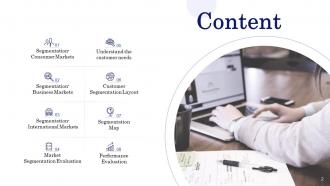
Slide 2: This slide displays the Content of the presentation.
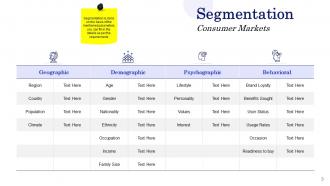
Slide 3: This slide showcases Segmentation with Consumer markets. Segmentation is done on the basis of the mentioned parameters, you can fill in the details as per the requirements.
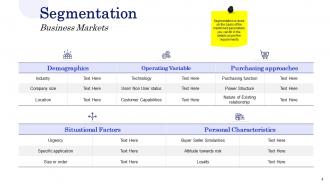
Slide 4: This slide showcases Segmentation with Business Markets. Segmentation is done on the basis of the mentioned parameters, you can fill in the details as per the requirements.
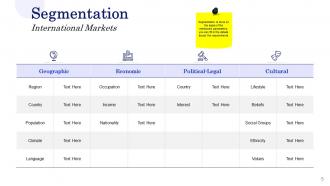
Slide 5: This slide depicts International Markets Segmentation
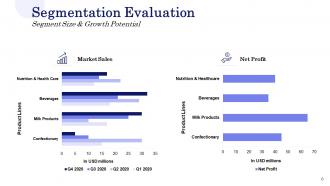
Slide 6: This slide represents Segmentation Evaluation with net profit, market sales, segment size and growth potential.
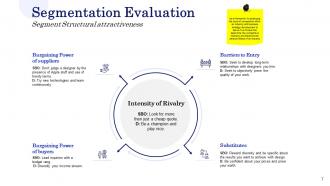
Slide 7: This slide depicts Segment Structural Attractiveness.
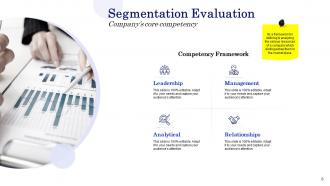
Slide 8: This slide represents Segmentation Evaluation with Company's core competency.
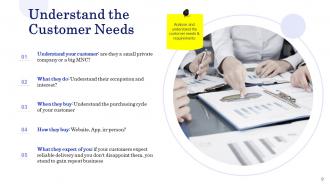
Slide 9: This slide describes Understanding the Customer Needs.
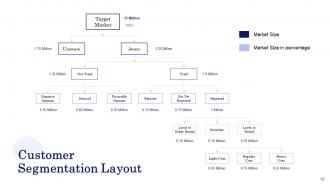
Slide 10: This slide describes Customer Segmentation Layout.
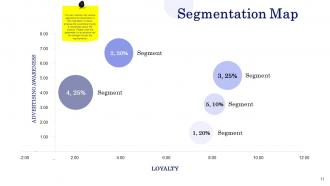
Slide 11: This slide showcases Segmentation Map. You can mention the various segments for the product in the map below to show/ analyse the customers loyalty & awareness about the product. Please note the parameter for evaluation can be changed as per the requirements.
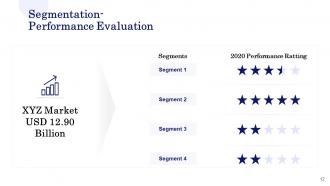
Slide 12: This slide depicts Segmentation- Performance Evaluation.
Slide 13: This is Target Markets Icons Slide.
Slide 14: This slide displays the Charts & Graph.
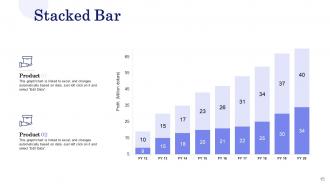
Slide 15: This slide displays Stacked Bar chart with different comparison showcasing profits.
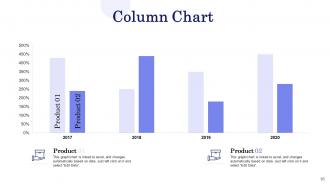
Slide 16: This slide showcases Column Chart with product comparison.
Slide 17: This slide is Additional Slides for moving forward.
Slide 18: This is Our Mission slide with Vision, Mission and Goal.
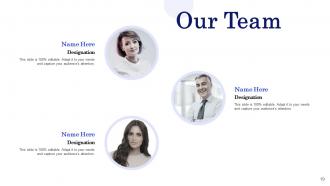
Slide 19: This is Our Team slide with names and designations.
Slide 20: This is About Us slide to showcase company specifications.
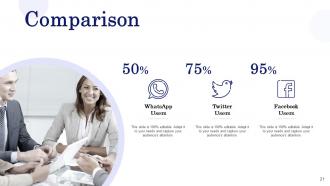
Slide 21: This is Comparison slide showcasing comparison between whatsapp users, twitter users and facebook users.
Slide 22: This is Quotes slide to convey message, beliefs etc.
Slide 23: This slide is titled as Post it Notes. Post your important notes here.
Slide 24: This is Thank You slide with address, email address and contact number.
Target markets powerpoint presentation slides with all 24 slides:
Use our Target Markets Powerpoint Presentation Slides to effectively help you save your valuable time. They are readymade to fit into any presentation structure.


FAQs for Target markets
Start with demographics - age, income, where they live. Then dig into psychographics like their values and lifestyle stuff. What problem does your product actually solve for them? Can they afford it? Most people think "everyone" will want their product, which is honestly just lazy thinking. Check out their buying habits too - where do they shop, how do they decide on purchases. I'd create maybe 2-3 detailed customer personas with real specifics. Then here's the key part: talk to actual potential customers before you build anything. Otherwise you're just guessing.
So basically, instead of blasting everyone with the same generic message, you figure out your different customer groups and speak to what they actually care about. Way better results that way. Like if you're selling skincare - teens want acne solutions, while 40-year-olds are worried about aging, right? You'll get higher engagement and conversions because people feel like you *get* them. Plus you're not throwing money at people who'd never buy anyway, which honestly is such a waste. I'd start small though - pick your top 2-3 groups and test different approaches with each one.
Okay so demographics are like your starting point for figuring out who actually wants to buy your stuff. Age, income, where they live, education level - all that basic info that helps you spot patterns in your customer base. I mean, yeah psychographics matter too but honestly? You need the hard data first. It's way better than just throwing darts blindfolded and hoping something sticks. Pull up whatever customer info you've got and look for the obvious trends. That's where you'll find your goldmine of repeat buyers.
So psychographics are basically about understanding *why* people buy stuff, not just who they are. Like, demographics tell you someone's 35 with kids. But psychographics? That's knowing they're stressed about being eco-friendly but also need things to be super convenient - and they feel bad about that contradiction. You can actually use this to write copy that hits them right in the feelings. Honestly, most brands totally miss this part. Just survey your current customers about their values and daily habits. The patterns you'll find are wild.
Honestly, Google Analytics is your best friend here - shows you exactly who's already checking out your stuff. I'd also creep on your competitors' social media (don't judge me, it works). See who's liking and commenting on their posts. Typeform or SurveyMonkey are solid for actually asking people what they want. SEMrush can tell you what keywords folks are searching for in your niche. But here's the thing - sometimes just picking up the phone and chatting with current customers gives you way better insights than any fancy tool.
Dude, digital marketing totally changed how we think about targeting people. Before it was like "oh, 25-35 year olds in Chicago" - super basic stuff. Now? You can target someone who literally browsed your competitor's site three days ago or ditched their shopping cart. Facebook and Google have so much data it's honestly kind of scary lol. The precision is insane compared to old school marketing. Your best bet is checking your current analytics first - see what your actual good customers are doing online. Those behavioral patterns will tell you way more than age and zip code ever could.
Honestly? Go niche first. Way less competition and you can actually talk to your customers like real people instead of throwing generic stuff at the wall. Sure, you're taking a risk if that market tanks, but broader audiences are brutal - everyone's fighting for attention and your messaging gets watered down to nothing. I'd start small, prove your concept works, then expand from there. Testing little segments is way smarter than going wide right away. You can always scale up later, but trying to narrow down after you've gone broad? That's a nightmare.
Okay so here's what I'd do - check your social media analytics to see who's *actually* engaging with your stuff. Instagram Insights and Facebook Analytics will show you the real demographics of people liking and commenting. It's weirdly addictive once you start looking at the data, not gonna lie. Look at your top-performing posts and see what those engaged users have in common. You might find out your audience is way younger than expected, or they're into completely different things. Honestly saved me from targeting the wrong people for months. Just pull your analytics this week and compare it to who you think you're reaching.
Honestly, personas are everything - build detailed profiles so you actually get who you're talking to. B2B execs and Gen Z want totally different vibes, right? Match your tone and channels to what they prefer. Speak their language, hit their actual problems, find them where they already scroll. I'm big on testing small batches first because sometimes what works in your head totally flops in reality. Oh, and don't lose your brand voice while you're adapting - that's the tricky part. Stay true to your core but switch up how you deliver it.
Dude, competitive analysis is basically free market research. Check out who your competitors are targeting and you'll spot the gaps they're missing. Their customer reviews? Pure gold for finding what people actually want but aren't getting. I always tell people to look at messaging and pricing patterns too - shows you exactly where to position yourself differently. Honestly, most businesses ignore the obvious stuff right in front of them. You can either go after those neglected customer segments or hit the same audience but way better. Start with your top 3 competitors this week and map out their customers.
Honestly, start with the basics - track your customer acquisition cost and conversion rates from that market specifically. Revenue growth is kinda obvious but you need it. Then dig into the engagement stuff because that's where you'll really see if you're hitting the mark. Time on site, repeat purchases, referral rates - all that shows you're getting quality people, not just random traffic. Pick maybe 3 or 4 metrics that actually matter for your business goals. Check them monthly so you can catch problems early instead of waiting forever to realize something's off.
Customer feedback is basically your reality check - it shows you where you're totally off base with targeting. I've seen companies think they're hitting busy professionals but turns out college students are their real users (which honestly makes way more sense once you see the data). Look at surveys, reviews, support tickets, social media comments. When multiple people keep saying the same thing, that's your sign to pivot fast. Don't ignore it! Maybe your messaging needs tweaking, or you're on the wrong channels entirely, or hell - maybe you picked the wrong audience from the start.
Honestly, cultural diversity changes everything about targeting markets. You can't just blast the same message everywhere and hope it works. Different cultures have totally different values and buying habits. Even colors matter - red screams "lucky!" in China but "danger!" in the US, which is kinda fascinating if you think about it. Instead of basic demographics, segment your audience by cultural factors. Research the nuances first, then adapt your messaging for each group. Sometimes you'll need to completely flip your positioning. I'd start by identifying your main cultural segments, then test everything with focus groups from each community before launching.
So when the economy gets weird, you gotta figure out who can still pay for your stuff. Downturns mean going after budget-conscious people or switching to necessities instead of fancy things. Good times? Target those customers with deep pockets again. Your messaging needs to change with the times - what worked before might bomb now. Watch how your current customers act since they'll show you what's coming before any official reports do. Honestly, I'd just survey your existing people about their budgets and what they actually care about right now. That'll tell you everything.
So buyer personas are just detailed profiles of who you actually want to sell to. Way better than targeting "all millennials" or whatever. You interview your best customers and figure out their real problems and goals. Honestly, it's like how Spotify knows exactly what playlist to suggest - the more specific you get, the better your marketing hits. Your ads stop feeling generic and start speaking to actual motivations. Less money wasted on campaigns that don't work. Higher conversions because you're not just guessing what people want. Start with maybe 5-10 customer interviews and build from there.
-
Best way of representation of the topic.