


Marketing management powerpoint presentation slides






Try Before you Buy Download Free Sample Product
 Impress Your
 Audience
 100%
100% Editable
 Save Hours
 of Time


Our Marketing Management PowerPoint Presentation Slides are topically designed to provide an attractive backdrop to any subject. Use them to look like a presentation pro.
People who downloaded this PowerPoint presentation also viewed the following :
Content of this Powerpoint Presentation
Slide 1: This slide introduces Marketing Management. State Your Company Name and begin.
Slide 2: This slide shows Content of the presentation.
Slide 3: This slide presents Capture Marketing Insights describing- Gathering Information & Scanning the Environment, Conducting Marketing Research & Forecasting Demand.
Slide 4: This slide displays PESTEL Analysis describing- Economics, Legislation, Society, Technology, Environment, Politics.
Slide 5: This slide represents SWOT Analysis describing- Strengths, Weaknesses, Opportunities, Threats.
Slide 6: This slide showcases Global Market Potential Graphical Format with maps to describe Market Size and Growth Size of different countries.
Slide 7: This slide shows Global Market Potential Tabular Format with categories as region, market analysis, years and CAGR.
Slide 8: This slide presents Market Survey Insights with related icons and text boxes to show information.
Slide 9: This slide displays Market Opportunity Analysis describing- Is It Profitable? Can Benefit Convince Target Markets? Can Target Markets Be Reached With Cost Effective Media & Trade Channels? Possess Resources To Deliver Benefits? Are Benefits Better Than Competitors?
Slide 10: This slide represents Connect with Customers describing- Creating Customer Value and Loyalty, Analyzing Consumer Market, Analysing Business Markets, Identifying Market Segments & Targets.
Slide 11: This slide showcases Creating Customer Value describing- Understand the marketplace, customer needs and wants, Design a customer driven marketing strategy, Construct an integrated marketing programme, Build profitable relationships and create delight, Capture Value From Customers And Build Customer Relationship.
Slide 12: This slide shows Creating Customer Loyalty with- Recognition Program, Rebate Program, Bonus Points, Loyalty Programs.
Slide 13: This slide presents Customer Purchase Stages describing- Initial Consideration, Active Evaluation, Closure.
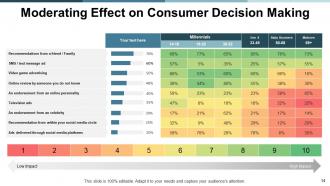
Slide 14: This slide displays Moderating Effect on Consumer Decision Making with SMS / text message ad, Video game advertising, Online review by someone you do not know, An endorsement from an online personality, Recommendation from within your social media circle, Recommendation from within your social media circle. Television ads
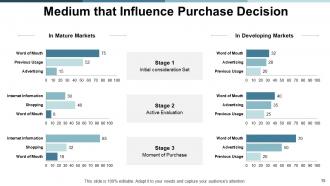
Slide 15: This slide represents Medium that Influence Purchase Decision in mature and developing markets.
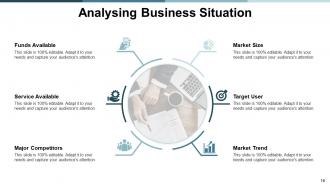
Slide 16: This slide showcases Analysing Business Situation with- Funds Available, Service Available, Major Competitors, Market Trend, Target User, Market Size.
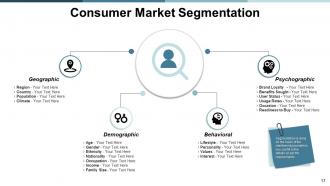
Slide 17: This slide shows Consumer Market Segmentation describing- Geographic, Demographic, Behavioral and Psychographic factors.
Slide 18: This slide presents Business Market Segmentation describing- Operating Variable, Demographics, Purchasing Approaches, Personal Characteristics, Situational Factors.
Slide 19: This slide displays International Market Segmentation describing- Segmentation is done on the basis of the mentioned parameters, you can fill in the details as per the requirements Geographic, Cultural, Economic, Political-Legal.
Slide 20: This slide represents Build Strong Brands with- Creating Brand Equity, Crafting Brand Positioning, Develop Strategic Positioning, Dealing with Competition.
Slide 21: This slide showcases Create Brand Equity with- Brand Loyalty, Brand Awareness, Perceived Quality, Brand Associations, Other Proprietary Assets.
Slide 22: This slide shows Crafting Brand Positioning describing- How The Brand Makes Me Look, What The Product Does For Me, How The Brand Makes Me Feel, How I Would Describe The Product.
Slide 23: This slide presents Brand Positioning Framework describing- What Customers Want, What You Have To Offer, What Competition Has To Give.
Slide 24: This slide displays Develop Strategic Positioning with- Differentiation, Comprehensive Cost Leadership, Focus on Priorities, Superior Quality, Moderate Prices, Customer Value.
Slide 25: This slide represents Competitive Analysis describing- Company & Product, Target Customers, Price, Value Proposition, Key Benefits.
Slide 26: This slide showcases Market Competitiveness- Ratings with Key success factors, competitor ratings etc.
Slide 27: This slide shows Market Competitiveness- Score with Key success factors, weighted score, ratings etc.
Slide 28: This slide presents Shape the Market Offerings with- Setting Product Strategy, Designing & Managing Services, Developing Pricing Strategies & Program.
Slide 29: This slide displays Setting Product Strategy describing- Key Attributes Of Your Product / Solution, Price Positioning, Market Position, Business Model.
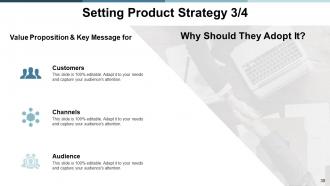
Slide 30: This is another slide on Setting Product Strategy describing- Customers, Channels, Audience.
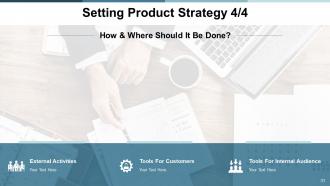
Slide 31: This is another slide on Setting Product Strategy describing- External Activities, Tools For Customers, Tools For Internal Audience.
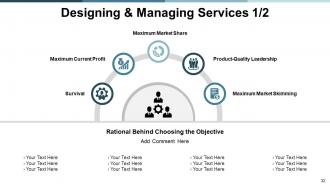
Slide 32: This slide shows Designing & Managing Services describing- Survival, Maximum Current Profit, Maximum Market Share, Product-Quality Leadership, Maximum Market Skimming.
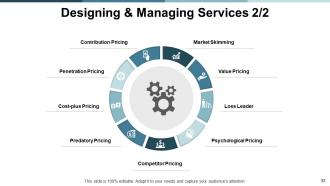
Slide 33: This is another slide on Designing & Managing Services describing- Market Skimming, Value Pricing, Loss Leader, Psychological Pricing, Competitor Pricing, Predatory Pricing, Cost-plus Pricing, Penetration Pricing, Contribution Pricing.
Slide 34: This slide presents Developing Pricing Strategies and Programs with imagery and text boxes to show information.
Slide 35: This is another slide on Developing Pricing Strategies and Programs with categories as- Basic, Pro, Advanced, Business, Platinum.
Slide 36: This is another slide on Developing Pricing Strategies and Programs with- Business Plan, Private Plan and Mega Plan.
Slide 37: This is one more slide on Developing Pricing Strategies and Programs with basic and premium pricing options.
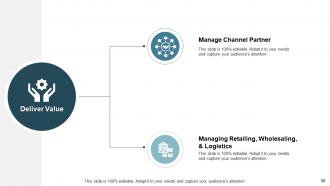
Slide 38: This slide displays Deliver Value describing- Manage Channel Partner, Managing Retailing, Wholesaling, & Logistics.
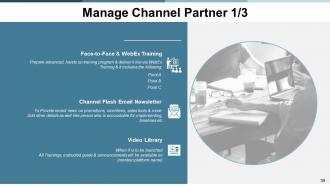
Slide 39: This slide represents Manage Channel Partner with- Face-to-Face & WebEx Training, Channel Flash Email Newsletter, Video Library.
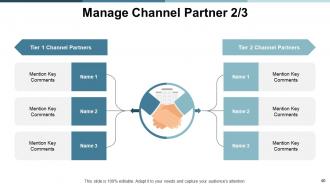
Slide 40: This is another slide to Manage Channel Partner with related imagery and text boxes.
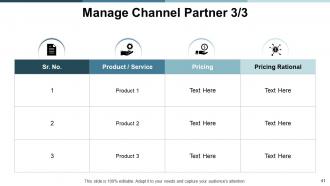
Slide 41: This slide showcases Manage Channel Partner in a tabular form with categories as product/ service, pricing etc.
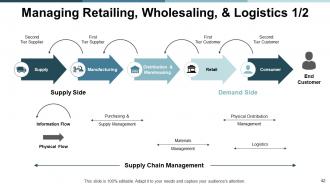
Slide 42: This slide shows Managing Retailing, Wholesaling, & Logistics with- Supply, Distribution & Warehousing, Manufacturing, Retail, Consumer.
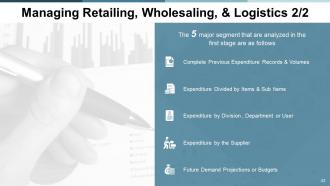
Slide 43: This slide presents Managing Retailing, Wholesaling, & Logistics describing- Complete Previous Expenditure Records & Volumes, Expenditure Divided by Items & Sub Items, Expenditure by the Supplier, Expenditure by Division , Department or User, Future Demand Projections or Budgets.
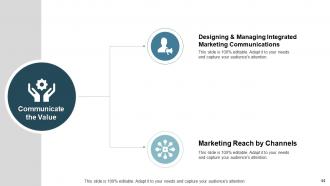
Slide 44: This slide displays Communicate the Value describing- Designing & Managing Integrated Marketing Communications, Marketing Reach by Channels.
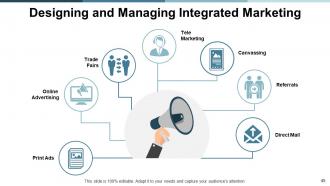
Slide 45: This slide represents Designing and Managing Integrated Marketing describing- Print Ads, Online Advertising, Trade Fairs, Tele Marketing, Referrals, Direct Mail, Canvassing.
Slide 46: This slide showcases Marketing Reach by Channels with online and offline marketing.
Slide 47: This is another slide on Marketing Reach by Channels describing- Tele Marketing, Emails, Online Media, Print Ads, Referrals, Trade Fairs.
Slide 48: This slide shows Create Successful Long-term Growth with- Introducing New Market Offerings, New Product Detailed Overview, Tapping into Global Markets.
Slide 49: This slide presents Introducing New Market Offerings describing Idea and product details.
Slide 50: This slide displays New Product Detailed Overview describing- Strategic, Product Advantage, Market Attractiveness, Synergies, Technical Feasibility, Profitability Analysis.
Slide 51: This slide represents Tapping into Global Markets with maps and related text.
Slide 52: This slide is titled as Dashboard and KPIs. You can modify it as per requirements.
Slide 53: This slide showcases Marketing Management Dashboard with pie charts, line graphs, bar graphs etc to show information and campaign spendings.
Slide 54: This is another slide presenting Marketing Management Dashboard describing- total spendings, conversions, cost per conversion, conversion rate etc.
Slide 55: This is another slide representing Marketing Management Dashboard with line, bar and pie charts to show information.
Slide 56: This slide shows Marketing Management Dashboard with visits, average session duration, bounce rate, page views etc.
Slide 57: This slide presents Marketing Management Dashboard describing ROI on different marketing channels which includes Display, Organic, Paid and referral.
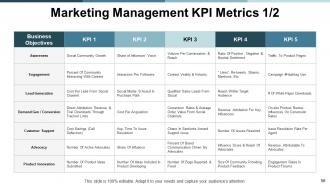
Slide 58: This slide displays Marketing Management KPI Metrics with objectives as- awareness, engagement, lead generation, customer support etc.
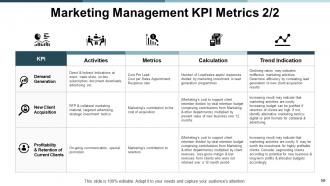
Slide 59: This is another slide with Marketing Management KPI Metrics describing- KPI, activities, metrics etc.
Slide 60: This slide reminds about a 20 minutes break.
Slide 61: This slide shows Marketing Management Icons.
Slide 62: This is another slide continuing Marketing Management Icons.
Slide 63: This slide is titled as Additional Slides for moving forward.
Slide 64: This is Mission & Vision slide with imagery and text boxes.
Slide 65: This is Our Team slide with names and designation.
Slide 66: This is Our Goal slide. State your important goals here.
Slide 67: This is a Financial slide. Show your finance related stuff here.
Slide 68: This is Blub Or Idea slide to state a new idea or highlight specifications, information etc.
Slide 69: This slide displays Magnifying Glass with text boxes to show information.
Slide 70: This slide shows Area Chart with two products comparison.
Slide 71: This slide presents Combo Chart with three products comparison.
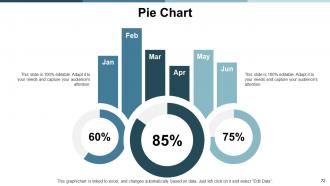
Slide 72: This slide displays Pie Chart with data in percentage.
Slide 73: This is a Thank You slide with address, contact numbers and email address.
Marketing management powerpoint presentation slides with all 73 slides:
Use our Marketing Management PowerPoint Presentation Slides to effectively help you save your valuable time. They are readymade to fit into any presentation structure.
-

Marketing Management
-
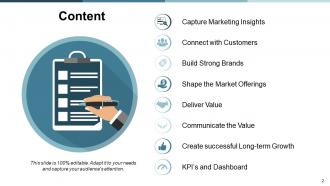
Content
-
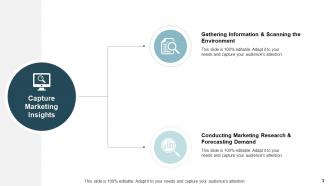
Capture Marketing Insights
-
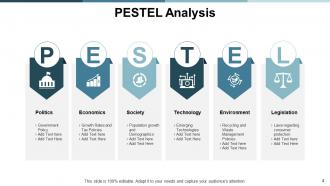
PESTEL Analysis
-
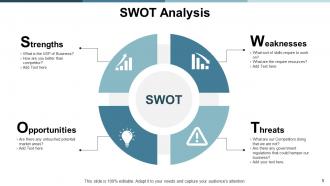
SWOT Analysis
-
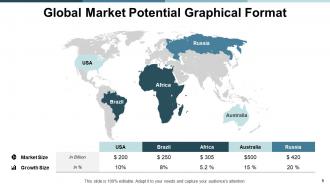
Global Market Potential Graphical Format
-
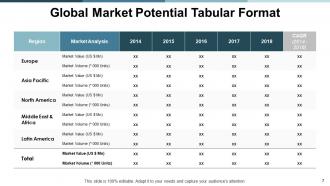
Global Market Potential Tabular Format
-
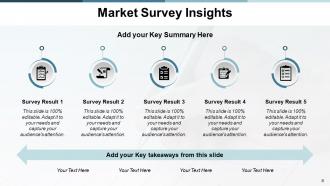
Market Survey Insights
-
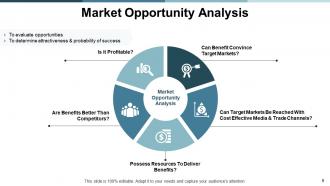
Market Opportunity Analysis
-
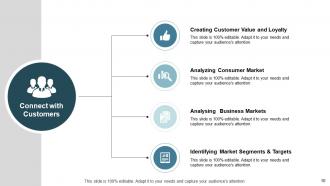
Connect with Customers
-
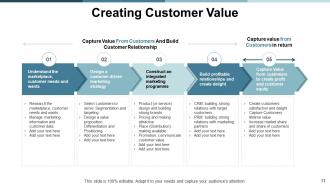
Creating Customer Value
-
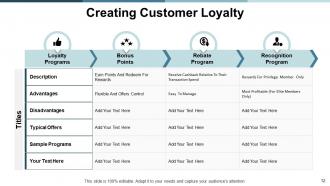
Creating Customer Loyalty
-
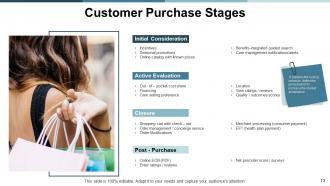
Customer Purchase Stages
-
Moderating Effect on Consumer Decision Making
-
Medium that Influence Purchase Decision
-
Analysing Business Situation
-
Consumer Market Segmentation
-
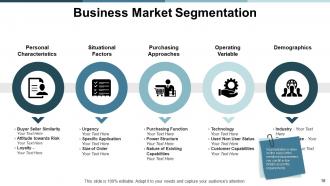
Business Market Segmentation
-
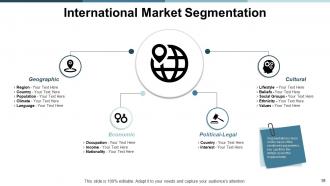
International Market Segmentation
-
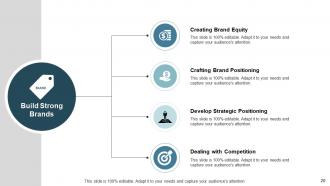
Build Strong Brands
-
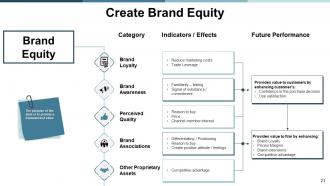
Create Brand Equity
-
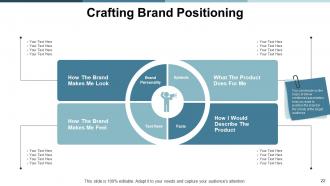
Crafting Brand Positioning
-
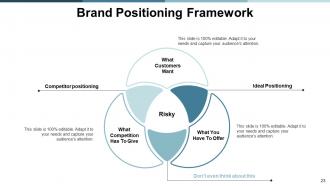
Brand Positioning Framework
-
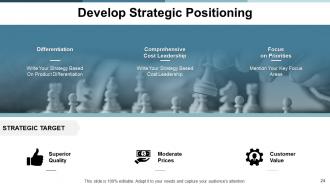
Develop Strategic Positioning
-
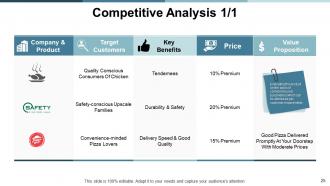
Competitive Analysis 1 1
-
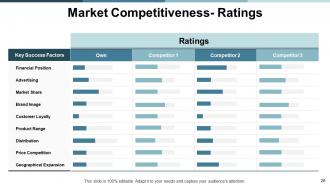
Market Competitiveness Ratings
-
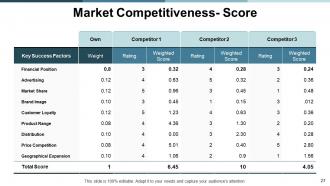
Market Competitiveness Score
-
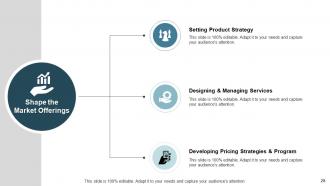
Shape the Market Offerings
-
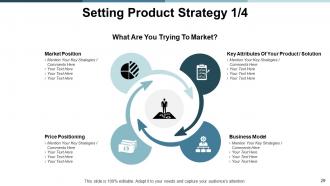
Setting Product Strategy 1 4
-
Setting Product Strategy 3 4
-
Setting Product Strategy 4 4 How Where Should It Be Done
-
Designing Managing Services 1 2
-
Designing Managing Services 2 2
-
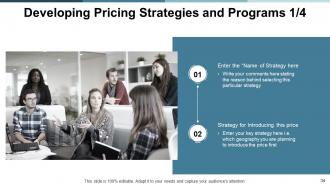
Developing Pricing Strategies and Programs 1 4
-
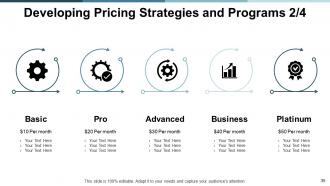
Developing Pricing Strategies and Programs 2 4
-
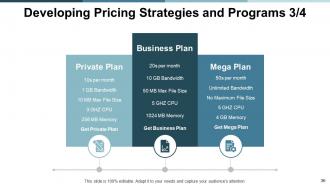
Developing Pricing Strategies and Programs 3 4
-
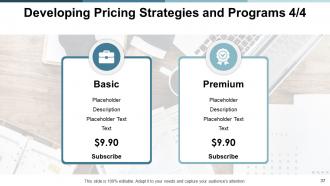
Developing Pricing Strategies and Programs 4 4
-
Marketing Management
-
Manage Channel Partner 1 3
-
Manage Channel Partner 2 3
-
Manage Channel Partner 3 3
-
Managing Retailing Wholesaling Logistics 1 2
-
Managing Retailing Wholesaling Logistics 2 2
-
Marketing Management
-
Designing and Managing Integrated Marketing
-
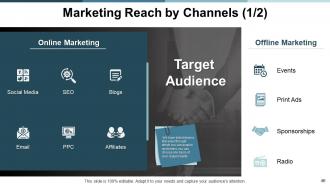
Marketing Reach by Channels 1 2
-
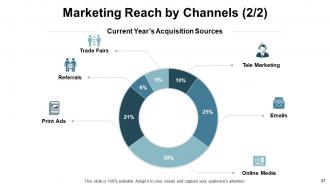
Marketing Reach by Channels 2 2
-
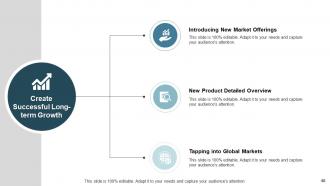
Create Successful Long term Growth
-
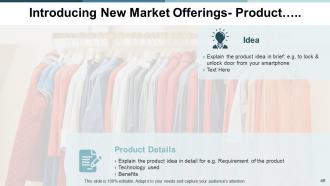
Introducing New Market Offerings Product
-
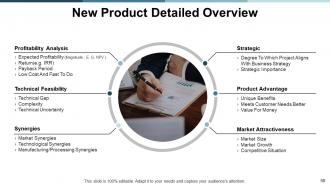
New Product Detailed Overview
-
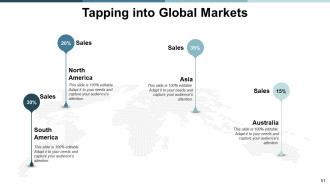
Tapping into Global Markets
-
Dashboard and KPIs
-
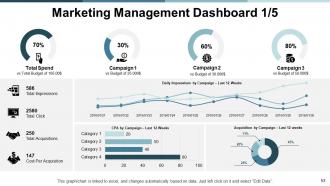
Marketing Management Dashboard 1 5
-
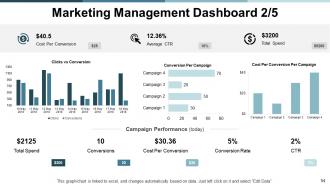
Marketing Management Dashboard 2 5
-
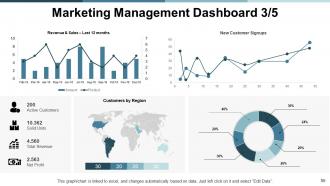
Marketing Management Dashboard 3 5
-
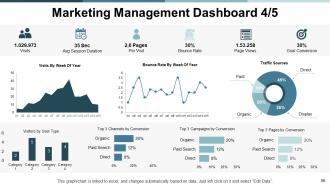
Marketing Management Dashboard 4 5
-
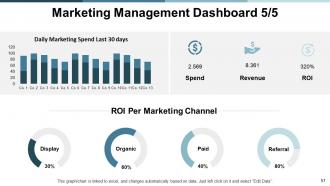
Marketing Management Dashboard 5 5
-
Marketing Management KPI Metrics 1 2
-
Marketing Management KPI Metrics 2 2
-

Time for a Break
-
Marketing Management Icons Slide
-
Marketing Management Icons Slide Contd
-

Additional Slides
-
Mission Vision
-
Our Team
-
Our Goal
-
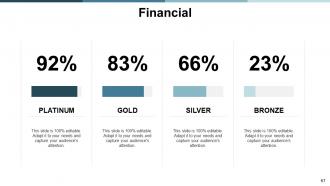
Financial
-
Blub Or Idea
-
Magnifying Glass
-
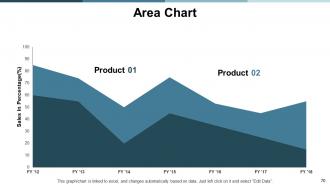
Area Chart
-
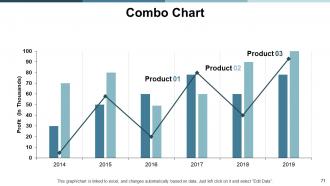
Combo Chart
-
Pie Chart
-

Marketing Management
FAQs for Marketing management
Okay so first things first - figure out exactly who you're selling to. I mean really dig deep here because honestly, everything else is just throwing darts in the dark without that. Then you'll want solid market research and competitive analysis so you know what you're up against. Don't skip the 4 Ps either (product, price, place, promotion) - boring but necessary. Map out your customer journey too. Oh and here's where most people mess up: actually tracking your ROI with real measurable goals. Sounds obvious but you'd be surprised how many teams just... don't.
Honestly, analytics just shows you what's actually working instead of guessing. Track which campaigns convert and which customer segments make you money. I've watched teams realize their "favorite" ad platform was total garbage - cut 30% of their budget overnight. You can spot trends early and stop throwing cash at dead-end channels. The predictive stuff is pretty cool too, helps with timing and forecasting demand. Oh, and don't go crazy at first - just pick one campaign, track everything about it, then expand. Way less overwhelming that way.
Honestly, consumer behavior is like the secret sauce of marketing. Without understanding how your customers think and buy, you're just throwing money at random campaigns hoping something sticks. I always tell people to start with their analytics and survey data first - that's where all the good stuff hides. You'll discover their pain points, what makes them tick, and how they actually make purchase decisions. This shapes everything from your messaging to pricing. Short answer? You can't segment audiences or personalize experiences effectively without knowing what drives people to buy your stuff.
Honestly, digital has completely flipped how traditional marketing works. You can't just throw money at TV ads anymore - people want that personalized stuff they're used to online. Even print needs QR codes now (weird how everything's connected, right?). Traditional channels are stealing digital tricks like real-time tweaking and better tracking. The big thing? Everything needs to work together. Your billboard should connect with Instagram and email campaigns somehow. I'd start looking at your old-school campaigns and figure out where you can tie them into digital stuff.
Look at demographics first - age, income, lifestyle stuff. Geographic targeting's solid if your product has regional appeal. But honestly? Behavioral data is where you'll strike gold. Purchase history, how loyal people are to brands, usage patterns - that's the good stuff. Make sure your segments are big enough to actually make money from, and don't go crazy splitting them up or you'll be stretched way too thin. I always tell people to test small campaigns first. See which groups actually respond before you dump your whole budget in.
Okay so basically you need to track what you're spending vs what's coming back in. Formula is (Revenue - Marketing Costs) / Marketing Costs × 100. The pain-in-the-ass part? Actually figuring out which sales came from what campaign. UTM codes and unique promo codes help a ton here. Marketing automation tools can trace customer journeys too, though honestly that gets complicated fast. Multi-touch attribution is the gold standard but even simple last-click tracking beats guessing. Focus on your biggest spending channels first - no point optimizing the small stuff when you're bleeding money elsewhere. Set consistent time periods for measuring and you'll start seeing patterns.
Dude, social media basically gave everyone a megaphone to either hype up or trash your brand. Every customer's now a potential critic or cheerleader. Your marketing team can't just blast out messages anymore - you've gotta actually listen and join real conversations happening about you 24/7. Bad experiences spread like wildfire (we've all watched those train wrecks), but good engagement can blow up your reach too. The whole game changed from broadcasting to participating. Honestly, most brands still suck at this part. Start by seeing what people already say about you, then jump in genuinely.
Honestly, content marketing works because you're actually helping people instead of just screaming "buy my stuff" all the time. People will engage way more when you share useful things - tutorials, industry tips, whatever solves their problems. It builds trust, gets them sharing your posts, and they actually want to follow you. Nobody wants to see endless sales pitches (I unfollow those brands so fast). Start by asking your sales team what questions they hear constantly, then make content around those answers. Oh, and be consistent about it - sporadic posting kills momentum. When people see you as genuinely helpful rather than pushy, that's when real engagement happens.
Okay so first thing - map your marketing stuff directly to what the business actually wants. Like if they're pushing for 20% revenue growth, your campaigns need to hit lead numbers that'll get them there. Those cross-department meetings are a pain but honestly they help a ton. Speak their language too - if leadership cares about customer acquisition cost, don't ramble about engagement rates. I'd set up quarterly reviews to see how your funnel's actually moving the needle. Oh and create a simple dashboard showing both your marketing metrics AND business results together. Makes everything way clearer when it's all in one place.
Look, competitive analysis is basically your cheat sheet for the market. You'll spot what's actually working for other companies and what's totally flopping. Those weak spots? That's where you swoop in. Plus you can steal their best ideas (legally obvs) and dodge their stupid mistakes. I'm lowkey obsessed with checking competitor Instagram stories - probably unhealthy but whatever. The real magic happens when you actually DO something with what you find. Maybe their pricing is weird, or they're ignoring certain customers completely. Pick like 3-5 main competitors and just... watch them. Monthly check-ins work great.
Honestly, AI and machine learning are crushing it right now - they're personalizing customer stuff at crazy scale and handling campaign optimization automatically. AR/VR is creating some wild brand experiences (though half of them are pretty gimmicky). Voice search is totally flipping SEO on its head. Blockchain might actually fix those shady ad spending issues we've all dealt with. Oh, and marketing automation platforms are getting way smarter - they'll run complex customer journeys without you babysitting them constantly. If you haven't tried any of this yet, just start small with AI analytics or basic chatbots.
Listen, people are basically screaming what they want on social media and reviews - you just gotta pay attention. Collect feedback through surveys too, then look for patterns in what's actually working versus what's falling flat. Double down on the stuff getting positive reactions in your campaigns. When feedback's negative? Fix real product problems or adjust how you're positioning things. Oh, and this part's huge - actually tell customers you heard them and made changes. I swear most companies skip that step, but it's what turns complainers into fans. Makes them feel heard, you know?
Oh man, the cultural stuff will get you every time - seriously, I've seen campaigns that killed it in the US completely bomb in Asia. Each region has different regulations to deal with, plus people consume media totally differently. Managing teams across time zones is brutal too (those early morning calls are the worst). Also, some markets still have sketchy internet infrastructure which throws a wrench in digital strategies. Honestly though, if you do solid research upfront for each market and build your campaigns to be flexible, you'll save yourself major headaches later.
Honestly, brand storytelling is what separates you from being just another product on the shelf. People don't just buy features - they buy into stories that make them feel something. Look at Apple vs Dell selling the same laptop, but Apple's whole "think different" vibe hits way harder. Your story gives customers a reason to pick you when everyone else has similar pricing and specs. I'd say start with figuring out what you actually stand for (not just what sounds good), then tell that story everywhere. Makes you way more memorable than listing bullet points about your product.
Honestly, you've got advantages those massive companies don't - you can actually be personal and move fast. Pick a super specific niche and become THE person for it, instead of fighting over broad stuff everyone's doing. Big corporations literally take forever to approve one social media post (I've seen it take months, it's ridiculous). Focus on local SEO first. Build real relationships on social media. Your content should show your actual personality, not some corporate voice. Partner with other small businesses around you for cross-promotion. But here's the thing - don't spread yourself thin. Pick one channel and absolutely crush it before moving on.
-
Wow
-
Really like the color and design of the presentation.
-
Content of slide is easy to understand and edit.
-
Designs have enough space to add content.
-
Easily Understandable slides.