


Trade marketing powerpoint presentation slides





Try Before you Buy Download Free Sample Product
 Impress Your
 Audience
 100%
100% Editable
 Save Hours
 of Time


Trade marketing PowerPoint presentation slides deal with the various terms relating to increasing the demand at the wholesaler, retailer, or distributor level rather than at the consumer level. We have included vital subjects through these PPT slides catering you to your business need like agenda, trade marketing strategy, trade show, advertisements, developing a trade marketing strategy, market research, devise a plan, promotion timeline, trade marketing budget. Various chart sheets and bar graphs are included here for the comparison between various terms. A specially designed icons slide is included here for you to choose and personalize for a better experience. In the additional slides section, you can describe the team leaders responsible for conducting the project ahead and your prime target. Timeline vision slide and motivational quote slide is also included to boost up the spirit and morale of the employees. Download trade marketing PowerPoint presentation slides and leave a remarkable impression on your clients. Begin the day excitingly with our Trade Marketing Powerpoint Presentation Slides. You will feel all fresh for action.
People who downloaded this PowerPoint presentation also viewed the following :
Content of this Powerpoint Presentation
Slide 1: This slide introduces Trade Marketing. State your company name and proceed.
Slide 2: This is Our Agenda slide. Add in your agendas in the given text boxes.
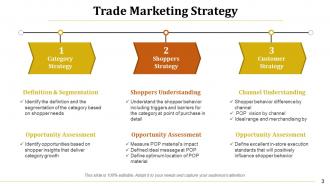
Slide 3: This slide shows Trade Marketing Strategy divided into the following three types- Category Strategy, Shoppers Strategy, Customer Strategy.
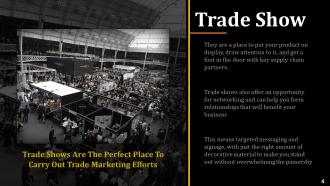
Slide 4: This slide describes what a Trade Show is with relevant imagery.
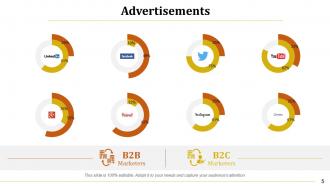
Slide 5: This slide shows Advertisements of some popular social media sites with icon imagery such as- Facebook, Twitter, Youtube etc.
Slide 6: This slide is titled Developing a Trade Marketing Strategy.
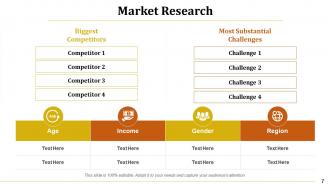
Slide 7: This is Market Research slide stating the Biggest Competitors, Most Substantial Challenges. Add the name of your competitors along with challenges they face.
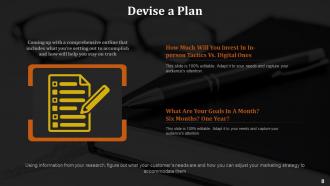
Slide 8: This is Devise a Plan slide with the following content to be stated. How Much Will You Invest In In-person Tactics Vs. Digital Ones, What Are Your Goals In A Month? Six Months? One Year?.
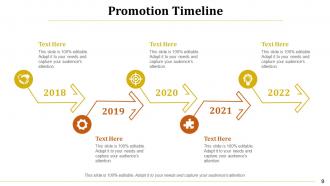
Slide 9: This slide shows Promotion Timeline to state your milestones, growth, evolution etc.
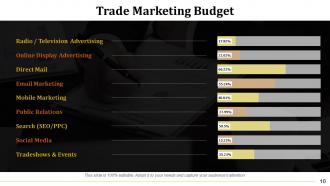
Slide 10: This slide shows Trade Marketing Budget of the following- Radio / Television Advertising, Online Display Advertising, Direct Mail, Email Marketing, Mobile Marketing, Public Relations, Search (SEO/PPC), Social Media, Tradeshows & Events.
Slide 11: This slide shows a Coffee Break image. You can alter the content as per need.
Slide 12: This is Trade Marketing Icons Slide. Alter the icons as per your requirement.
Slide 13: This slide is titled Additional slides for moving forward. Alter the slide content on the basis of your requirement.
Slide 14: This slide describes Our Mission along with vision and goals.
Slide 15: This is Meet Our Team slide with name and designation to add.
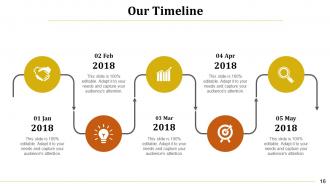
Slide 16: This is Our Timeline slide to present important dates, journey, evolution, milestones etc.
Slide 17: This is a Quotes slide. Put a quote or anything you want to highlight here.
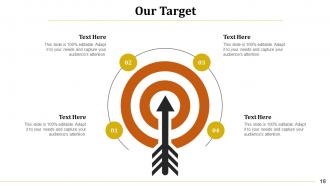
Slide 18: This slide displays Our Target with imagery and text boxes.
Slide 19: This slide showcases Sticky Notes to display events, important piece of information, events etc.
Slide 20: This is a Bulb or Idea image slide to show information, ideas, specifications etc.
Slide 21: This slide is titled Charts & Graphs to proceed forward. Alter the content as per your need.
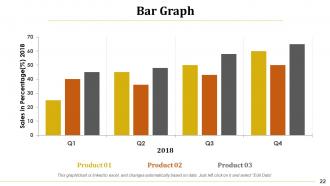
Slide 22: This is a Bar Graph image slide to show product comparison, growth etc.
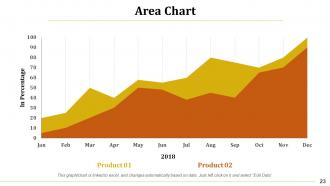
Slide 23: This is an Area Chart slide to show product/ entity growth, comparison, specifications etc.
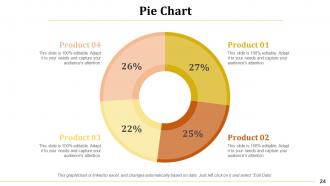
Slide 24: This is a Pie Chart slide to show product/ entity comparison, specifications etc.
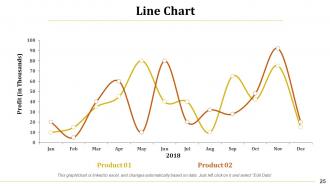
Slide 25: This slide shows a Line Chart for two product comparison.
Slide 26: This is a Thank You slide to present Address Contact Numbers and Email Address.
Trade marketing powerpoint presentation slides with all 26 slides:
Formulate guidelines for establishing the facts with our Trade Marketing Powerpoint Presentation Slides. It helps institute an inquiry.








FAQs for Trade marketing
So basically, it's about who you're trying to reach. Trade marketing hits up retailers and distributors - the people who actually stock your stuff. You're fighting for shelf space and trying to get them to promote your brand. Consumer marketing? That's going straight to the people buying it. Honestly, the tactics are night and day different. Trade side means co-op ads and boring trade shows. Consumer side gets the fun stuff like those crazy expensive Super Bowl spots. Your whole message changes too - retailers care about profit margins, consumers care about how your product makes them feel. Figure out your biggest problem first: getting stores to carry you or getting people to buy.
Look, trade marketing is honestly your best bet for getting retailers to actually care about your stuff. Joint promotions and merchandising support build real trust - retailers notice when you make their lives easier. Volume incentives and better margins? That's what gets them excited about moving your products faster. Here's the thing though - every retailer wants different stuff. Some are all about co-op advertising, others just want display allowances. You've gotta figure out what each one values most. Don't just push your products on them. Be the partner who actually drives their sales and they'll prioritize you over competitors every time.
Honestly, data analytics is like having x-ray vision for your trade marketing. Track which promos actually move the needle vs. the ones that just burn budget. You'll spot your star retailers and catch trends way before everyone else does. Most people still rely on hunches (wild, I know) but the numbers don't lie. Better spend allocation, smarter demand forecasting, plus you can actually prove your wins to the bosses when they're slashing budgets. Don't go crazy with fancy dashboards though - pick 2-3 metrics and stick with them. Less overwhelm, more clarity.
Look at both sell-in and sell-out numbers - that's your starting point. Volume increases and market share gains are obvious ones to watch. But honestly, distribution velocity matters way more than people think. How fast is stuff actually moving? Revenue lift gives you the clearest picture, even though other factors mess with the data sometimes. Track shelf space you're getting after those trade negotiations too. Retailer satisfaction scores are gold if you can get them - happy retailers = better partnerships down the road. Don't overcomplicate it though. Just pick 3-4 key metrics for a simple dashboard.
Price cuts work best - retailers can't resist passing savings along to customers. Volume discounts are solid too since they push bigger orders. But honestly? Merchandising allowances might be your secret weapon. Getting prime shelf space and end-cap displays is huge in retail. Trade contests that fire up sales teams also deliver. I'd start with straight price promotions to see what your baseline looks like, then add merchandising support on top. That combo usually does the trick. Oh, and don't overthink it - simple price reductions often outperform fancy complicated promos anyway.
Dude, digital transformation totally changes the retailer game. You'll ditch those messy spreadsheets for real-time dashboards that actually show what's working. Automation's where it gets interesting - campaigns can fire off automatically when inventory hits certain levels. Your retail partners basically expect self-service portals now for marketing stuff and claims (which honestly saves you tons of back-and-forth emails). Oh, and don't try to transform everything at once - that's a recipe for chaos. Pick your most annoying repetitive tasks first and digitize those. Build momentum from there.
Honestly, alignment's gonna be your biggest headache. Sales teams hate new processes - they're comfortable with what works. Retailers? They've got their own agenda that rarely matches yours. And don't get me started on tracking ROI... those spreadsheets will haunt your dreams. Budget allocation across channels gets messy fast, plus keeping messaging consistent with multiple people involved is harder than it sounds. My advice? Start super small. Pick one or two retailers, get them dialed in first, then expand. Way less painful than trying to boil the ocean from day one.
So trade marketing gets you the good spots in stores - you know, eye level shelves instead of down by people's ankles. You're basically paying retailers for better placement and those fancy displays that actually catch people's attention. It's like... okay this might sound weird but it's similar to paying extra for front row concert seats versus nosebleeds. The whole point is building relationships with store managers so they'll actually promote your stuff instead of just throwing it on a random shelf. Plus you get co-op ads and in-store demos. Honestly, most brands that skip this just get buried.
Dude, seasonality totally flips your whole marketing calendar upside down. You've gotta blow most of your budget during peak times - like Black Friday's obviously gonna need way more cash than dead January. But here's the thing that trips people up: you need to plan this stuff months ahead to lock in good shelf space with retailers. Your promo timing changes, inventory shifts, even how you set up displays. I learned this the hard way when we got stuck with terrible placement during holiday season because we waited too long. Map out those seasonal cycles early and you'll actually have negotiating power when it counts.
Dude, trade fairs are seriously where it's at for trade marketing. You've got distributors, retailers, and potential partners all wandering around the same building - it's like Christmas morning for business development. Show off your products, hammer out deals on the spot, and build those relationships that actually matter. The competitive intel you'll pick up just by walking around? Priceless. People come ready to buy, which honestly makes your job way easier. Oh, and whatever you do, follow up within 48 hours max. After that you're just another forgotten booth they stopped at.
Dude, try gamifying your trade programs - like scorecards where retailers get rewards for hitting targets or early access to new stuff. AR demos are killing it right now because retailers can see how products look in their actual space. Most brands just throw generic incentives around and then act surprised when nobody cares lol. Co-create marketing campaigns with them instead - develop localized promos together. Personal training sessions work great too, or invite your best retailers to exclusive launches. The whole thing is about making them feel like actual partners, not just another place to dump your products.
Social media's honestly a game-changer for trade stuff. LinkedIn is perfect for building actual relationships with distributors - way better than cold emails. Instagram and TikTok are where you want to show your products doing their thing. People love seeing stuff in action, you know? Co-branded content with retail partners absolutely crushes it from what I've seen. Also, don't sleep on social listening - you'll pick up on what partners are actually saying about your products. Oh, and make their lives easier by giving them content they can just grab and share. Nobody wants to create everything from scratch. Clear brand guidelines help too so they don't accidentally make your stuff look weird.
Look, just be straight with your trade partners - no BS promises about pricing or delivery dates you can't hit. That stuff will burn you every time. Your incentive programs shouldn't push retailers to lie to customers either. Be clear about any conditions or limitations upfront. Honestly, I've seen too many companies get crushed by trying to be sneaky with their trade deals. Don't do anything that screws over smaller retailers or looks anti-competitive. Document everything and always ask yourself: would I be cool explaining this strategy to my biggest client? Treat partners like you'd want to be treated.
Honestly, you've got to tailor your approach for each market's retail setup and how people actually buy stuff. Some places are all about building relationships with the key buyers - like, that's literally everything. Others just want to see the numbers and data. Figure out if you're dealing with big centralized chains or a bunch of smaller independent stores. What promos actually move product there? (This varies so much more than people realize, it's crazy.) Cultural differences in how they negotiate and make decisions matter too. I'd start by identifying the top 5 retailers in each market and really understanding what they need.
Honestly, communication makes or breaks everything in trade marketing. Your team, retailers, and field reps all need to know what's happening - objectives, timelines, when stuff goes live. I've watched campaigns crash because displays ended up in random spots or retailers had no clue a promo was even running. Pretty frustrating when the strategy was solid but execution fell apart. Set up regular check-ins with everyone and maybe use some kind of shared tracking system. Oh, and don't assume people will just figure it out - spell everything out clearly from the start.
-
Visually stunning presentation, love the content.
-
Excellent work done on template design and graphics.