


Marketing Strategy Powerpoint Presentation Slides





Try Before you Buy Download Free Sample Product
 Impress Your
 Audience
 100%
100% Editable
 Save Hours
 of Time


Build an overall business plan to reach your prospective clients and turn them into customers using these Marketing Strategy PowerPoint Presentation Slides. Marketing strategy is a long-term forward-looking approach to planning which is used to achieve sustainable competitive advantage over others. However, this can only be achieved after setting actionable goals. This strategic planning PowerPoint presentation can be used to showcase your SMART goals. It can also be employed to state your brand strategy, define your target audience, create buyer personas and other important elements. Having as many as 18 visually attractive and attention-grabbing slides, this business marketing plan PowerPoint slideshow can be used to display the entire customer journey. This helps in facilitating customer engagement. You can also make use of this marketing strategy framework to throw light on some digital marketing channels that you will be using in order to reach out to a larger audience. Therefore, without any further ado, download this engaging marketing strategy plan PowerPoint complete deck now.
People who downloaded this PowerPoint presentation also viewed the following :
Content of this Powerpoint Presentation
A business cannot survive for long if it lacks a proper marketing strategy. Only when armed with a well-planned marketing strategy, will the business hope to achieve success. A good marketing strategy acts as a bridge that connects a business to its target audience, drives sales, and builds brand loyalty.
In this regard, you can trust our Marketing Strategy PowerPoint Templates, that’ll help you deliver impactful messages to large audiences.
These presentation templates cater to diverse marketing needs, from SWOT analysis to marketing plans and market segmentation.
Our PPT Templates can be easily customized, which means content, images, and logos can be modified according to the situation. This flexibility enables professionals to maintain a consistent brand image while adapting to different business needs.
These Marketing Strategy PowerPoint Templates are ready to transform presentations into compelling narratives. Let’s explore.
Template 1: Goal Settings
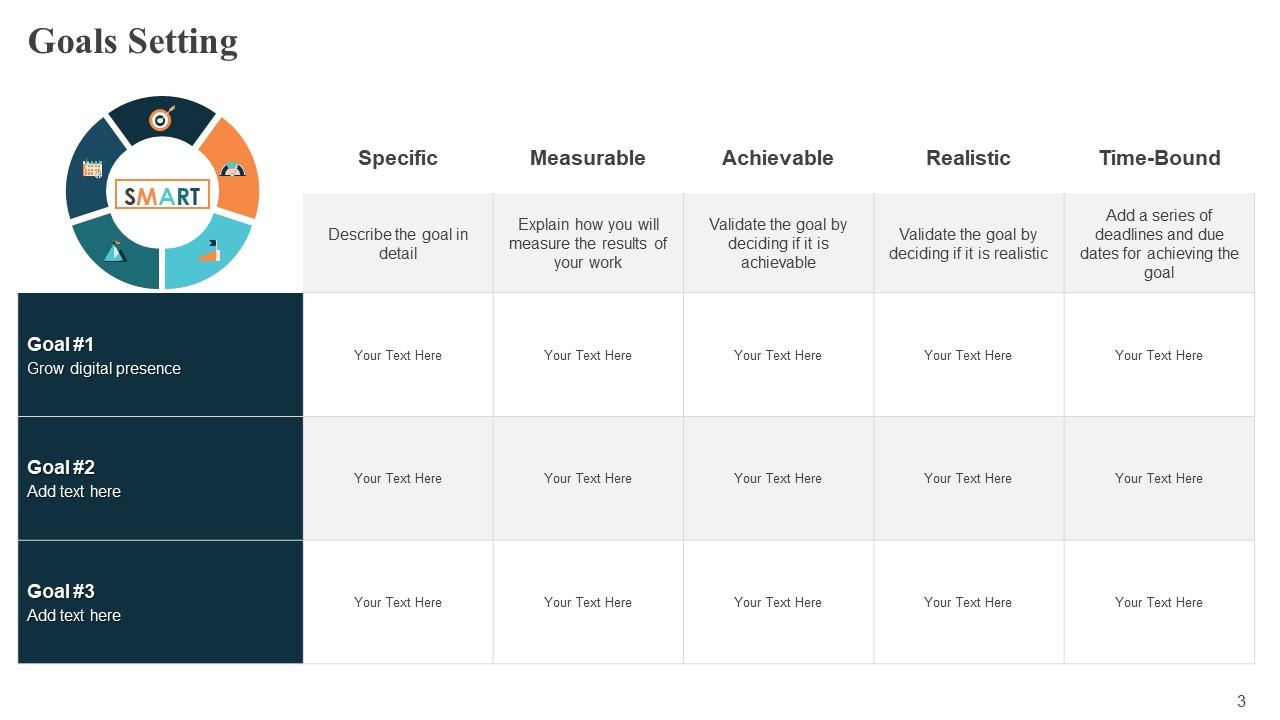
Easily define your marketing goals for customers using our PowerPoint Design. There is ample space to define three different goals under the category of SMART goals. These well-defined marketing goals could be: increasing sales, expanding your market reach, and improving brand visibility as hinted in this PowerPoint Framework. Use it now to see the positive business results. Moreover, it provides a structured approach to goal setting, making it easy to track your progress and stay on target.
Template 2: Brand Strategy
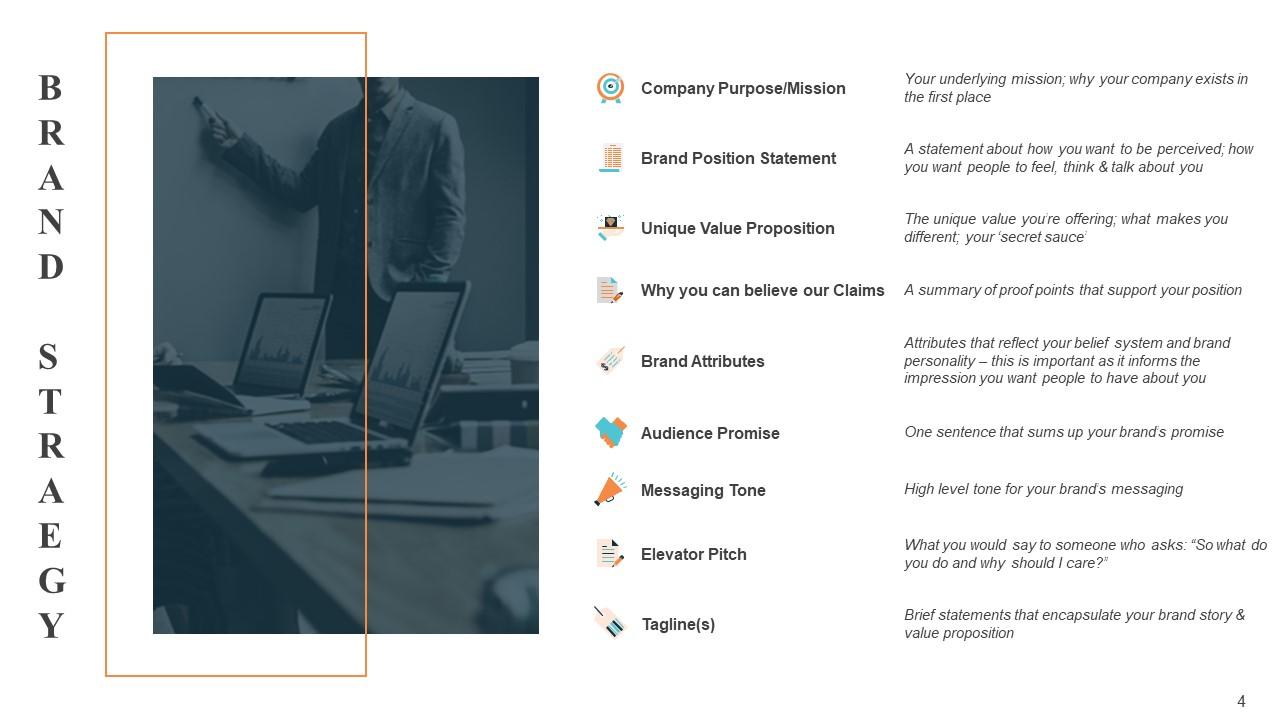
Communicate your brand's strategy to the outside world with our PowerPoint Layout. It will help you promote your company's purpose, mission, brand position statement, unique value proposition, brand attributes, audience promise, messaging tone, elevator pitch, and taglines to stakeholders. You can convey your brand's essence and differentiate yourself from competitors with this easy to use PPT Slide.
Template 3: Define Target Audience
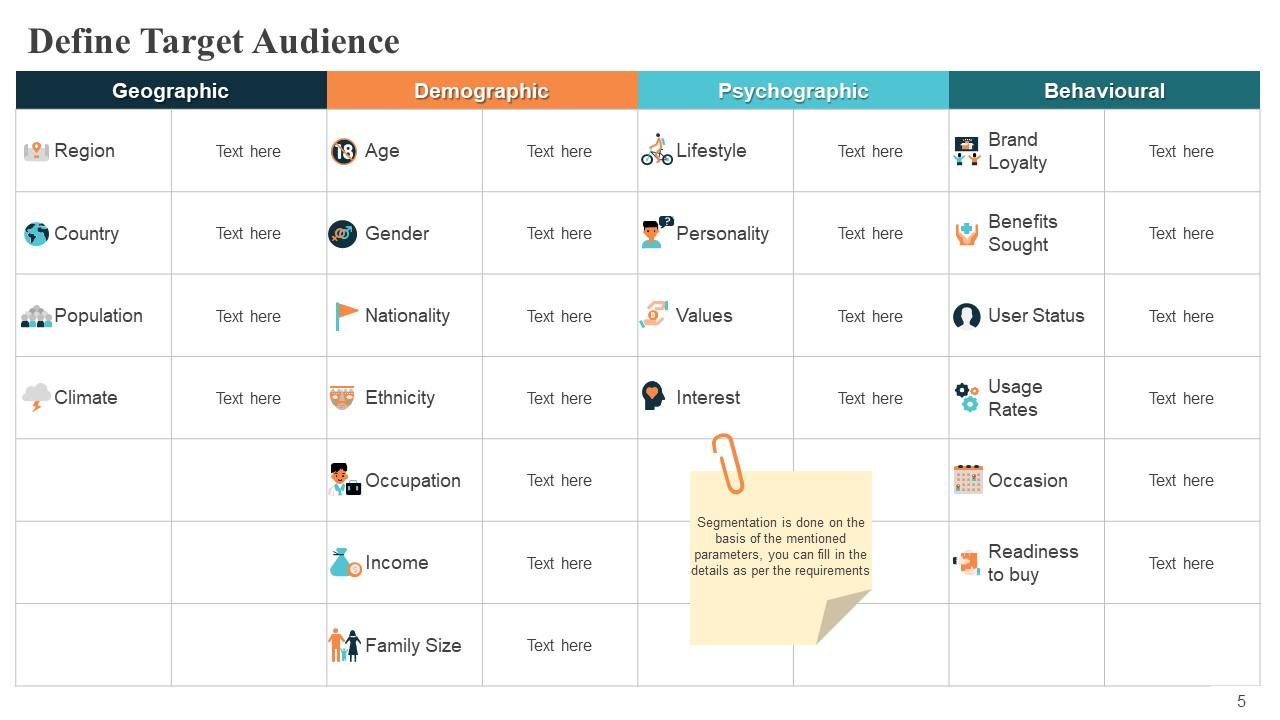
Define your audience based on your potential customers' exact demographics, psychographics, and behaviors as depicted in this presentation template. The demographics column highlights age, gender, nationality, ethnicity, occupation, income, and family size. Additionally, it explores psychographic elements. The last column relates to behavior, which translates into brand loyalty, benefits sought, user status, usage rates, occasions, and readiness to buy.
Template 4: Create a Buyer Persona
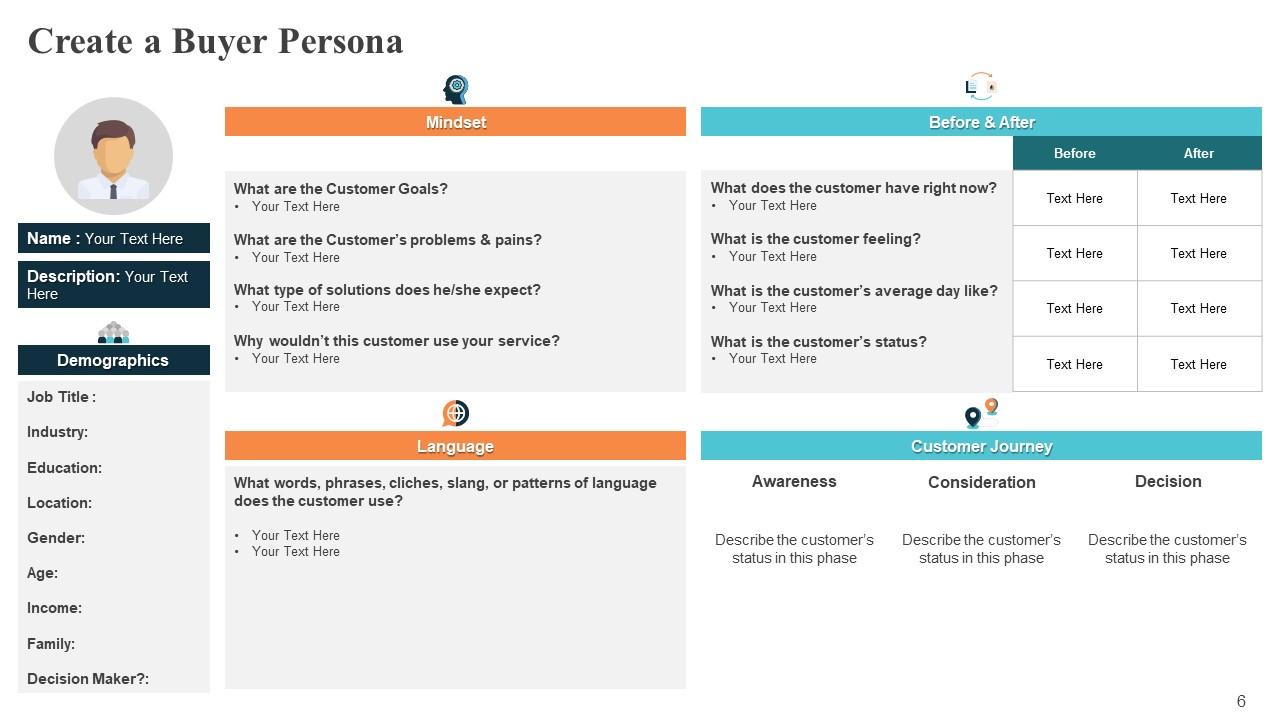
Understand and connect with your target audience using our PowerPoint Framework. You can easily develop detailed buyer personas, which consist of basic details like name and description. Proceed to advanced information such as demographics such as job title, industry, education, location, gender, age, income, and family details. This presentation design is great to learn about your audience's mindset, language, and preferences. Prepare the before and after scenarios, understand the customer journey from awareness to decision-making, and develop targeted strategies for your audience.
Template 5: Buyer's Journey
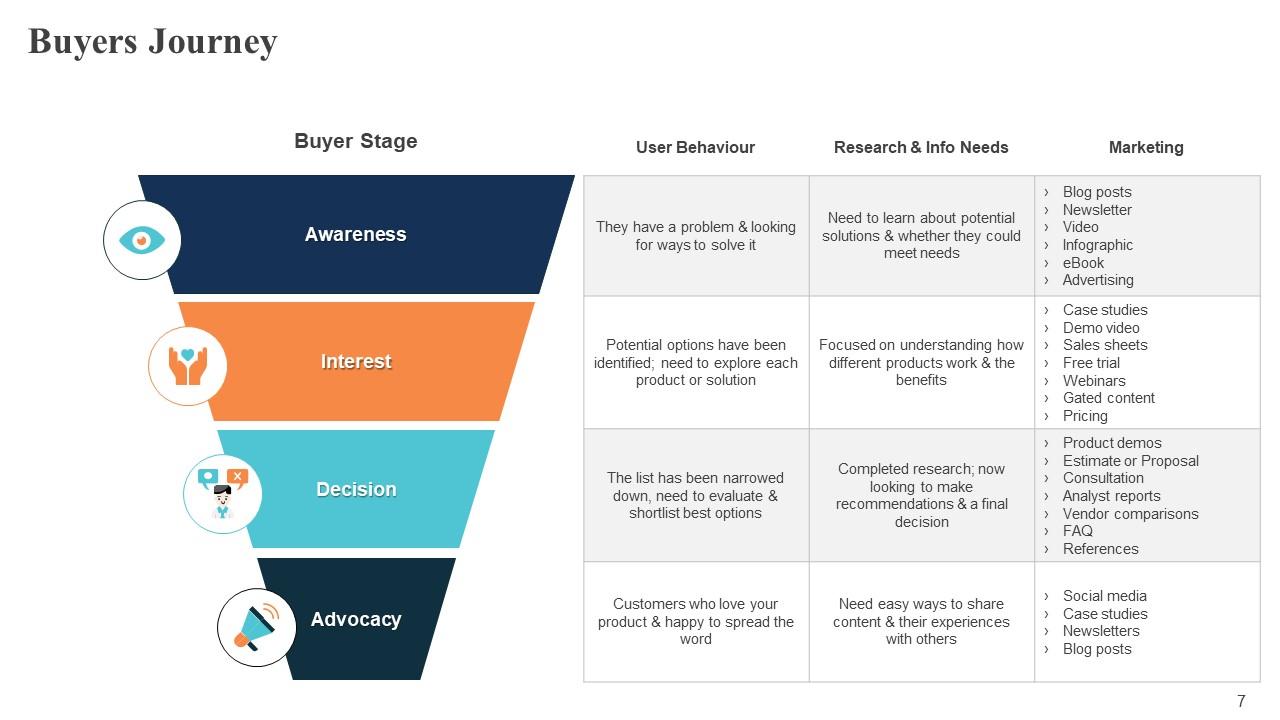
The funnel layout of this PPT Template illustrates the stages of the buyer's journey, i.e., awareness, interest, decision, and advocacy. The data presented in the user behavior, research and info needs, and marketing columns will help design your own program that gets user attention.
Template 6: Marketing Channels and Strategic Approach
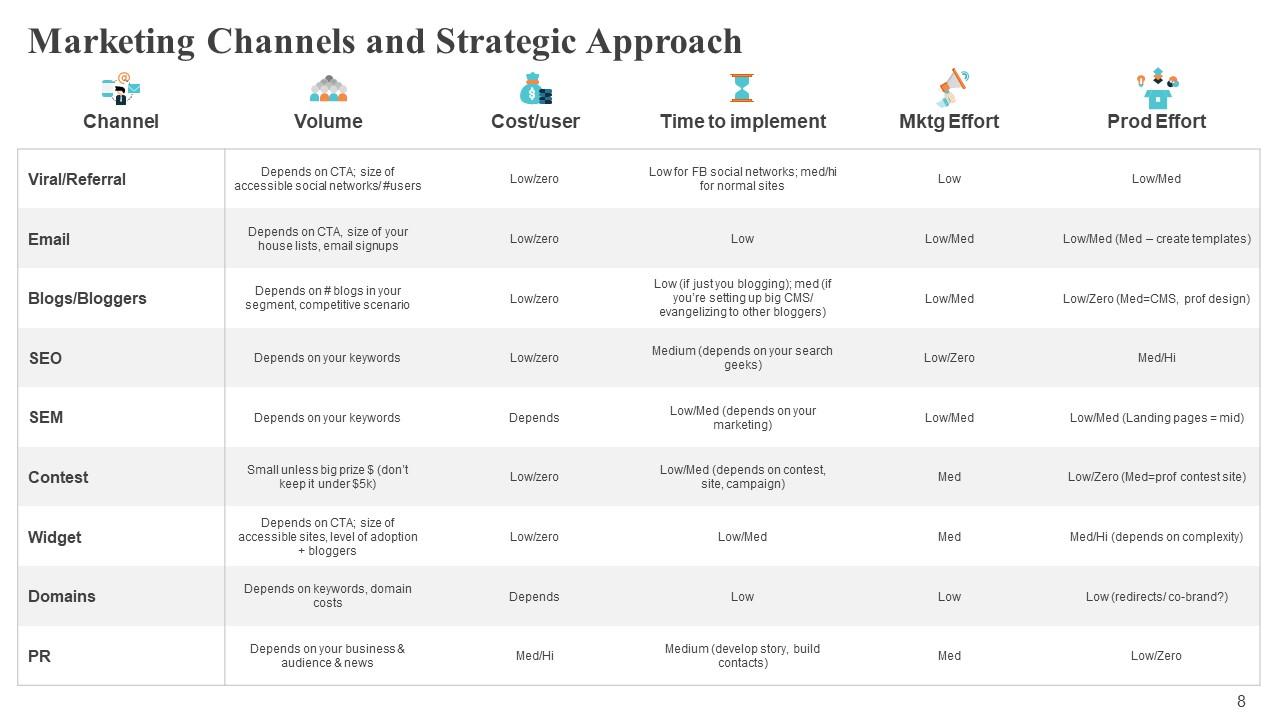
With our PowerPoint Preset, you can develop a professional marketing strategy that can help reduce your costs and increase your reach. It will also help in identifying your business's most effective channels (such as email, blogs, SEO, SEM, contest, etc.), optimizing your marketing efforts, and achieving better ROI. You can keep an eye on essential metrics such as channel performance, volume, cost per user, time to implement, marketing effort, and production effort.
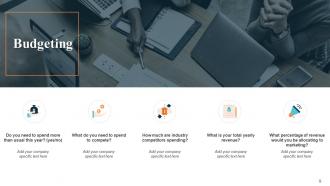
Template 7: Budgeting
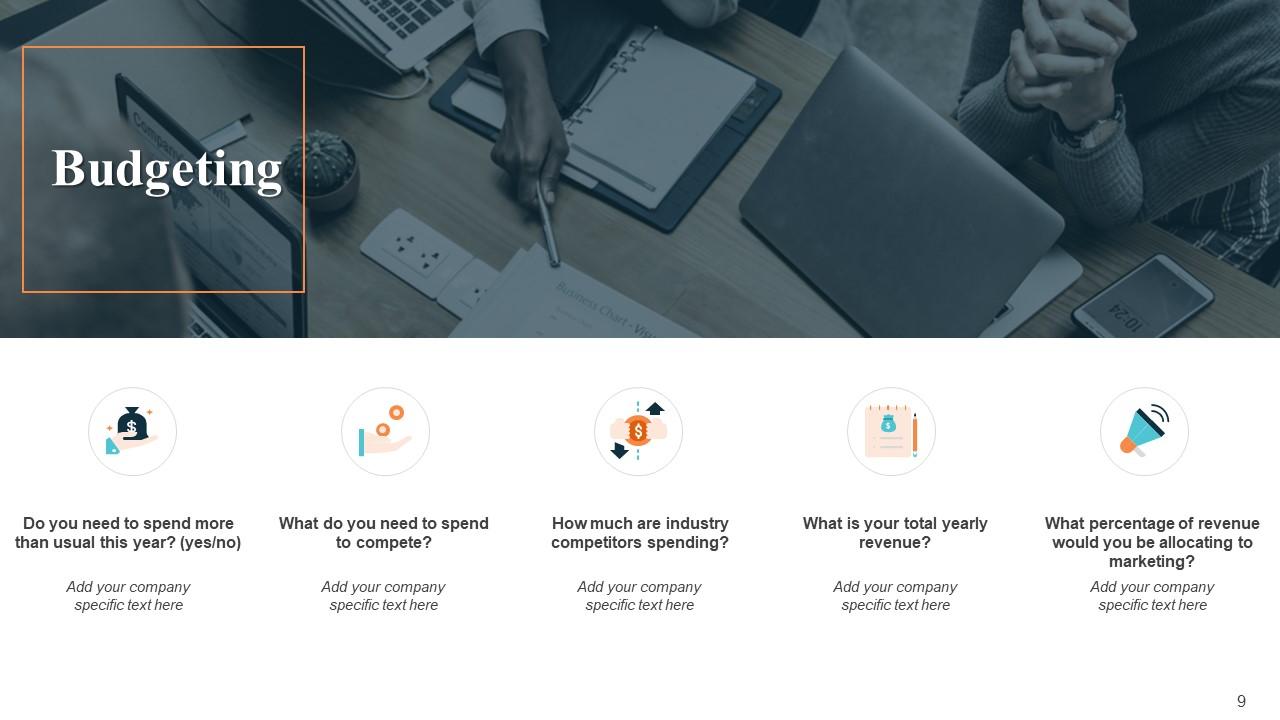
Generate powerful budgeting presentations with this next PPT Layout. It features a series of questions regarding budgeting, which you can ask your customers. These questions are: Do you need to spend more than usual this year? (answer in Yes or No); What do you need to spend to compete?; How much are industry competitors spending?; What is your total revenue in a year?; What percentage of revenue would you allocate to marketing?
Create a Bullseye Marketing Strategy
These PPT Templates are a cool way to enhance marketing presentations, and create an immediate impact. The clutter-free range and professional designs make them invaluable tools for professionals.
Marketing Strategy Powerpoint Presentation Slides with all 18 slides:
Use our Marketing Strategy Powerpoint Presentation Slides to effectively help you save your valuable time. They are readymade to fit into any presentation structure.
-
Marketing Strategy
-
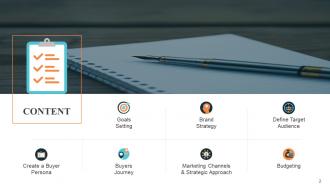
Content Planning
-
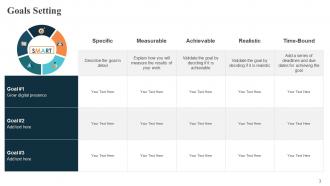
Goals Setting
-
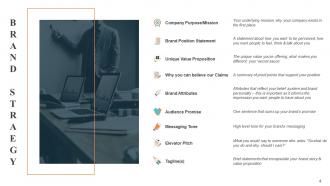
Brand Strategy
-
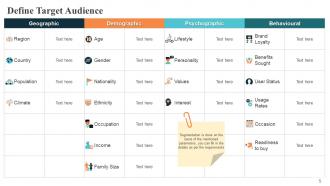
Define Target Audience
-
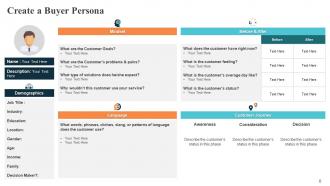
Create a Buyer Persona
-
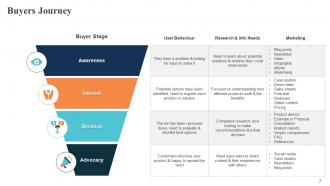
Buyers Journey
-
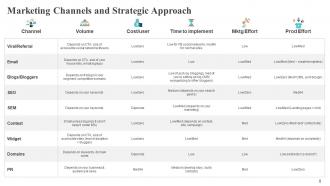
Marketing Channels and Strategic Approach
-
Budgeting
-
Marketing Strategy Icons Slide
-
Additional Slides
-
Our Mission
-

Marketing Strategy
-
About Us
-
Our Goal
-
Blub or Idea
-
Sticky Notes
-
Thank You
FAQs for Marketing Strategy
Start with figuring out exactly who you're selling to - that's honestly the foundation for everything else. Way too many people skip this step and just throw stuff at the wall. Once you nail your ideal customer, craft a value prop that actually matters to them. Why should they pick you over the competition? Pick your channels based on where those people actually hang out, not just where you think they should be. Set up some KPIs so you're not just guessing if it's working. Oh, and don't forget the boring stuff like budget and timelines - I learned that one the hard way lol. Everything flows better when you start with that customer research first.
Honestly, you've gotta mix hard data with actual conversations. Pull up your customer analytics first - who's buying, how they found you, that stuff. But here's the thing: surveys are whatever. Pick up the phone and chat with your top customers instead. They'll spill details you never even thought to ask about. I'd also creep on your competitors a bit - see who's commenting on their posts and engaging. Once you've got all that info, build out like 2-3 solid buyer personas. Test your messaging on them before you blow your budget on campaigns that might totally flop.
Dude, you basically have to do digital marketing now - there's no way around it. Social media, email, search stuff... that's where everyone is. The crazy thing is you get way better data than old-school advertising ever gave you. Like, you can see exactly what's working instead of just throwing money at a billboard and hoping for the best. Target whoever you want, measure everything in real-time. My advice? Figure out where your actual customers hang out online first. Don't try to be everywhere at once - that's just exhausting and expensive.
Honestly, social media's perfect for this - way cheaper than ads and you can actually talk to your customers. Pick like 2-3 platforms where your people actually are (don't try to be everywhere, it's exhausting). Post stuff that's actually useful or fun, not just "buy my thing" over and over. Nobody wants that constant sales pitch. I'd focus on solving problems or entertaining people first. Check your analytics to see what hits and do more of that. The key is staying consistent and actually responding when people reach out - sounds obvious but you'd be surprised how many businesses ignore comments.
Honestly, skip the vanity metrics - likes and follows don't pay the bills. Pick 3-5 things that actually matter to your bottom line: conversion rates, customer acquisition cost, lifetime value. Revenue attribution if you can swing it. I used to get way too excited about impression numbers (learn from my mistakes lol). Monthly reviews work best - gives you enough data to spot real trends. Mix some leading indicators like pipeline growth with the obvious lagging ones like actual sales. Oh and whatever you pick, stick with it for at least a few months before switching things up.
Okay so personas are huge - they stop you from just throwing marketing spaghetti at the wall hoping something sticks. Once you actually know your customer's pain points and where they hang out, everything clicks into place. Your messaging hits different. Channel selection makes sense. I mean, you wouldn't run LinkedIn ads targeting teenagers, obviously. Features to highlight become clearer too. Honestly, most people think they know their audience but don't really dig deep enough. Try mapping your current strategy against your personas and I bet you'll find some weird gaps you didn't notice before.
Honestly, content marketing is one of those things that just keeps paying off. Your costs stay way lower than running ads all the time. That blog post you wrote months ago? Still pulling in traffic while you sleep. Trust builds naturally when you're actually helping people instead of just pitching them. Your sales calls get so much easier too - people already know what you're about before they even reach out. I'd start by figuring out what questions your customers ask at each stage. Create content that answers those specific problems. It's like having a sales person working 24/7, except better because it doesn't get tired or ask for a raise.
Honestly, think of it like creating a web where everything connects. Use your traditional stuff - radio, print ads, whatever - to push people online with QR codes or your social handles. Then flip it around and use digital to hype up your offline campaigns. Like if you've got billboards running, post some behind-the-scenes Instagram content about them (people eat that stuff up). Your email list should promote events. Radio spots can mention your podcast. Just keep your messaging consistent across everything - that's what really matters. Oh, and don't try to be everywhere at once. Pick 2-3 channels first.
Oh man, marketing tools can totally save your sanity! I'd start with Miro or Notion for mapping everything out visually - honestly game-changers for staying organized. Google Analytics shows you what's actually working (not just what you think is). Asana keeps campaigns from falling apart, which... yeah, speaking from experience there. Mailchimp handles email automation so you're not sending everything manually like it's 2005. But seriously, don't go crazy downloading every shiny new tool. Pick maybe 3-4 and actually stick with them. Tool overload is real and you'll just stress yourself out more.
Honestly, you've gotta be constantly watching what's happening - social media chatter, what competitors are doing, customer complaints, all that stuff. The hard part? Figuring out which trends actually matter vs just random internet noise (learned that one the expensive way lol). When something looks legit, don't go crazy right away. Test it small first. I'd set up monthly reviews so you're not just scrambling to catch up all the time. Quick pivots are good, but don't lose sight of what your brand actually stands for. It's like - be flexible but not wishy-washy, you know?
Honestly, just stick to three basics: be truthful, respectful, and responsible. Don't mislead people or hide stuff they should know about. Privacy matters - respect that and don't be manipulative with your messaging. Also, cultural sensitivity is huge now (learned that the hard way once). The whole "grow at any cost" thing? Totally dead. Think about your environmental and social impact too. Here's what I actually do though - before any campaign goes live, I ask myself if I'd be cool with my mom seeing this targeted at her. Sounds cheesy but it works.
Look, data analytics just cuts through all the BS guesswork we used to rely on. You'll actually see which campaigns bring in real customers instead of just hoping your latest Instagram post worked. Track where people bail out of your sales process, figure out which customer types make you the most money - that kind of stuff. I swear we were basically throwing darts blindfolded before this became accessible. Focus on metrics tied to actual revenue though. Vanity numbers like views are pretty but don't pay the bills. Set up attribution tracking first so you know what's actually moving the needle.
Honestly, small businesses have way more advantages than people think. You can actually get to know your customers - something massive corporations will never pull off. Get involved locally, sponsor stuff, team up with other small businesses nearby. That personal connection is everything. Social media is huge because you're not competing with million-dollar ad campaigns anymore. Also? Find those weird little niches that big brands think are too small to bother with. My cousin's bakery crushes it doing custom pet birthday cakes - Walmart isn't exactly jumping into that market, you know? Pick whatever you do best and just go all in on it.
Honestly, customer feedback is like having a mirror for your marketing - shows you what's really working vs what you think is working. I've watched companies totally flip their messaging after finding out people were buying for completely different reasons than they assumed. Pretty wild when it happens. Set up ways to actually hear from customers regularly - surveys, reviews, social listening, or just chat with your sales team about what they're picking up. The trick isn't just collecting feedback though. You gotta dig into the patterns and actually test changes based on what you're learning, otherwise it's just data sitting there doing nothing.
Honestly, I'd start with AI personalization - it's working really well right now. Interactive stuff like polls and quizzes are gold too since people want that real engagement. Oh, and voice search optimization! Everyone's literally talking to Alexa about everything these days lol. Short-form videos aren't dying anytime soon obviously. Community building through creators is way better than those overpriced influencer deals we used to do. Sustainability messaging matters more now too - customers actually give a shit about your values. My advice? Pick one thing that fits your audience instead of spreading yourself too thin.
-
Great quality product.
-
Very well designed and informative templates.
-
Presentation Design is very nice, good work with the content as well.
-
Designs have enough space to add content.