

Market Research Powerpoint Presentation Slides





Try Before you Buy Download Free Sample Product
 Impress Your
 Audience
 100%
100% Editable
 Save Hours
 of Time


Select our content ready Market Research PowerPoint Presentation Slides to create your organization’s strategy. Determine the viability of your new project with this professionally designed market opportunity analysis presentation deck. The strategic marketing plan PowerPoint complete deck comprises ready-to-use templates such as key market drivers, restraint, forecasts, internet of things, food industry, technology market drivers, challenges, etc. Represent various key performance indicators using the self-explanatory business drivers PPT visuals. Make use of the easy to understand market profitability analysis PowerPoint presentation to showcase market research study and its findings. Incorporate professional-looking business analysis PPT visuals to solve marketing problems and make business decisions. Utilize the business growth analysis PowerPoint graphics to link business processes with your company’s strategic goals. Not just this, you can also use the market growth drivers PPT slides to identify new markets and make business policies. Thus, download this high-quality organizational driver's PowerPoint presentation to increase sales and boost profits. You will find our Market Research Powerpoint Presentation Slides to be good company. They enable you to have fruitful conversations.
People who downloaded this PowerPoint presentation also viewed the following :
Content of this Powerpoint Presentation
A presentation on marketing research can be tricky. With innumerable matrices, aspects, and domains related to any market research, compiling a highly inclusive and thorough research presentation, which also includes the technicalities of the subject matter, becomes troublesome and tiring.
Creating a marketing research presentation from scratch that includes the ins and outs and other specifics of the research is complicated and time-consuming.
A business manager should not have to bother about such a requirement even in the face of urgency. What can help you is a well-versed and pre-designed research template.
As you surf the web for an answer, SlideTeam’s highly adaptable and 100% customizable market research template is just the thing you need. The template offered here is thorough and can help you with all kinds of market research. Don’t believe us? Check out what this template has to offer right below.
To influence your management and investors, you need to show the crux of your research, its findings, and your plans thereon. Here’s a market research outcome template that you can use to do this.
Let’s explore!
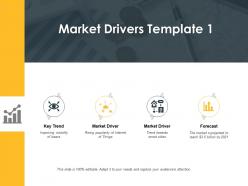
Template 1: Market Drivers Template 1
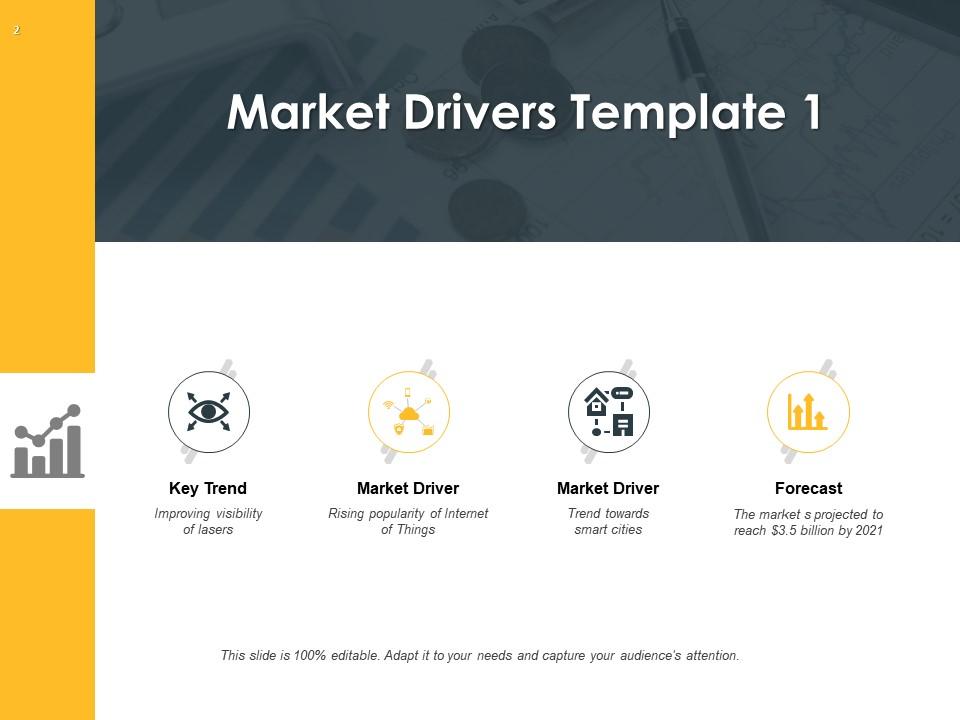
To conduct any market research you first need to understand its trends and other major driving forces. This slide allows you to showcase insights related to the market trends you discovered during your research. Within the slide, you can add some information related to the Key Trends, Market Driving Forces, Forecasts related to the market, and other suitable information. This slide offers the required overview related to conditions prevailing in the market.
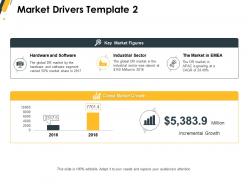
Template 2: Market Drivers in terms of numbers
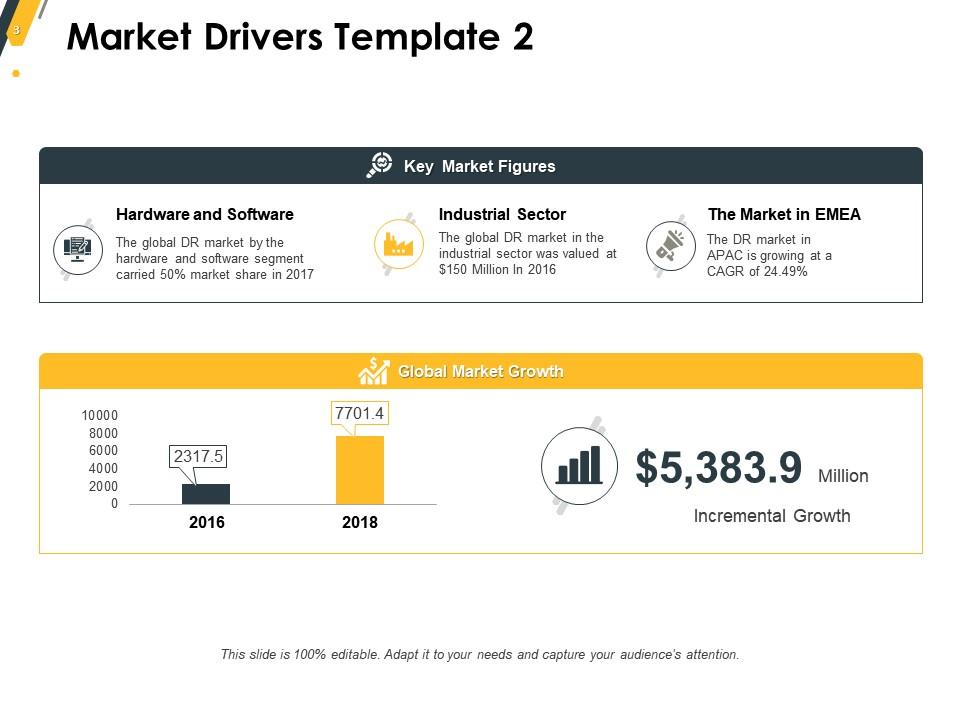
Some individuals in your audience may be interested in gathering information about market-driving forces. To cater to the needs of such individuals, you can take the help of this template as it allows you to include specifics of the previous template. Here, you can showcase the global market growth within a gap of two years. Moreover, you can also add some support text to document the market drivers with suitable information.
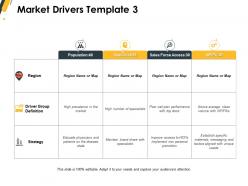
Template 3: Market Drivers in terms of Geography and Region
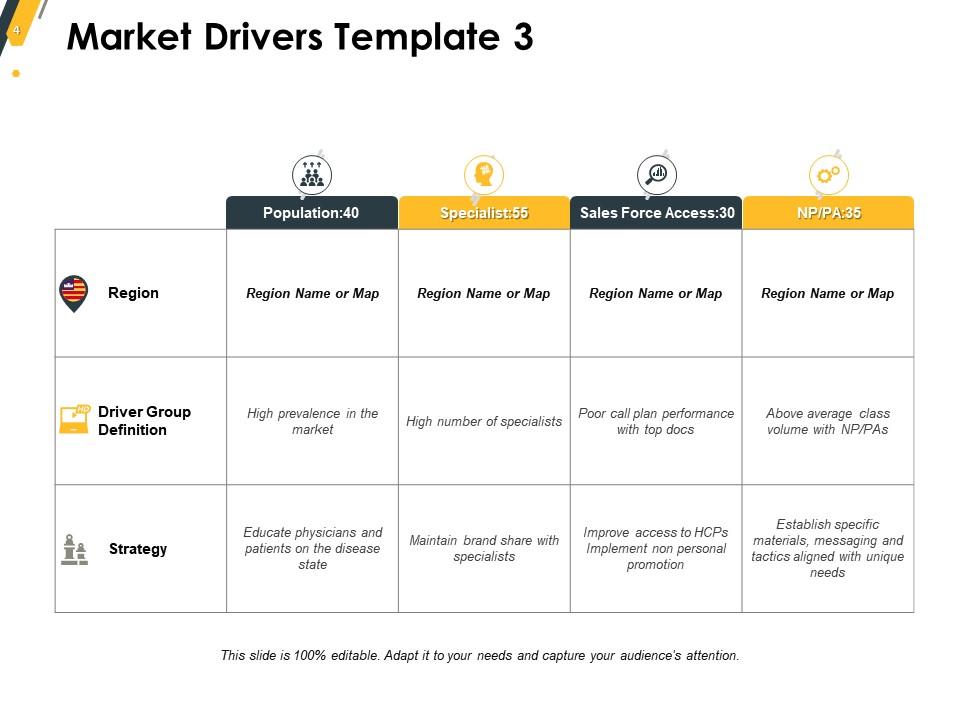
Offering further insights into the previous slide, here’s another one that will allow you to describe the technicalities discovered during the research. In this slide, you will find a table where you can add the driving forces like the population, specialist in the domain, sales force access, and NA/PA. In the rows of the table, you can showcase the region of research, the definition of the driver groups, and the strategies devised for the area after the research.
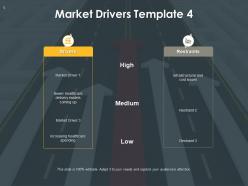
Template 4: Market Drivers and Factors Unique to Businesses
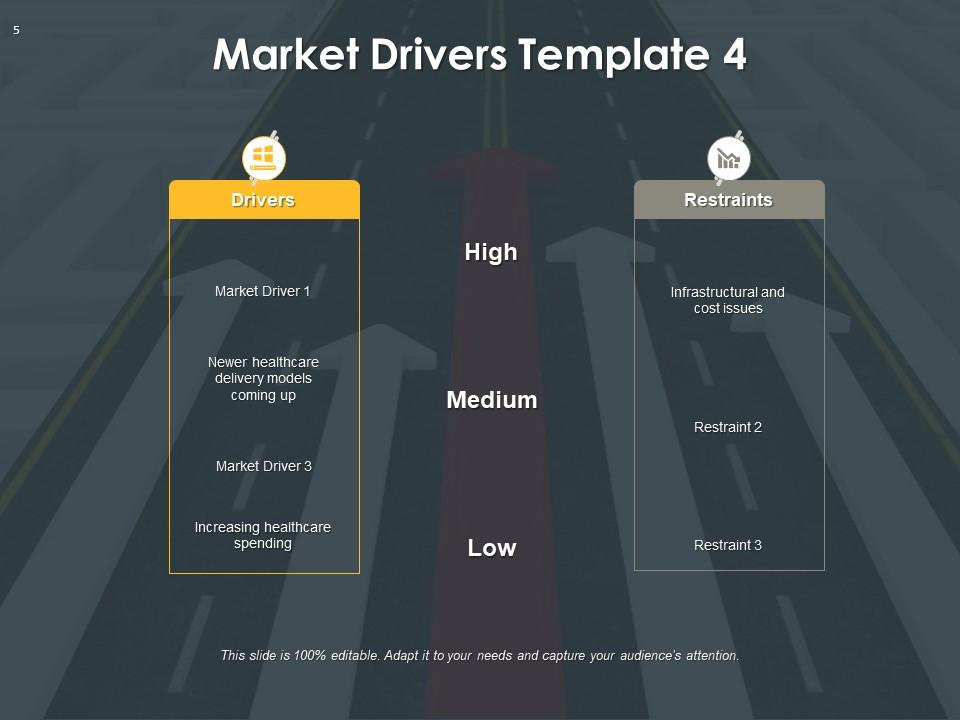
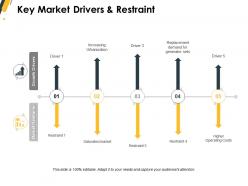
This market drivers template is quite different from the previous ones. This slide showcases the market driving forces and their major restraints. All the drivers and restraints are put one above another to showcase the impact of the driver and its restraint. The one added above represents a higher impact. The market drivers found during the research could be an increase in healthcare spending in the market. This market driver is shown at the bottom and hence has the least impact.
Template 5: Key Market Drivers and Restraints
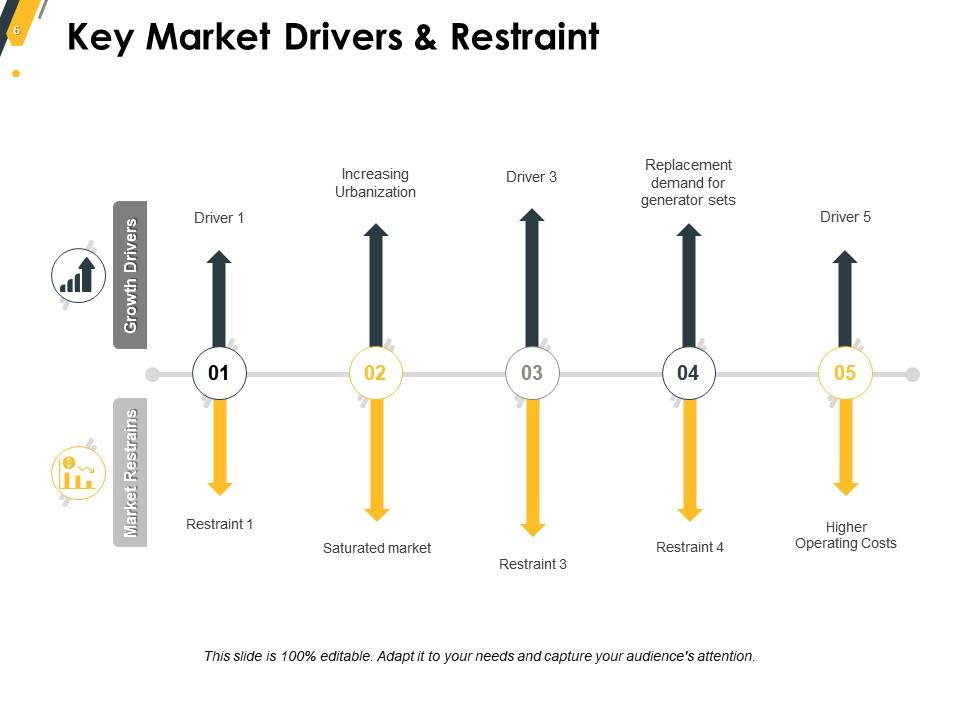
This market research template allows you to showcase the major market drivers against individual and most impacting restraints. For example, consider that one of the most prominent market drivers is increased urbanization. The main constraint that this market driving force has faced is a saturated market. Similarly, the greatest restraint to some other market driver would be some other restraint that you have found during your research.
Template 6: Key Market Drivers and Forecasts
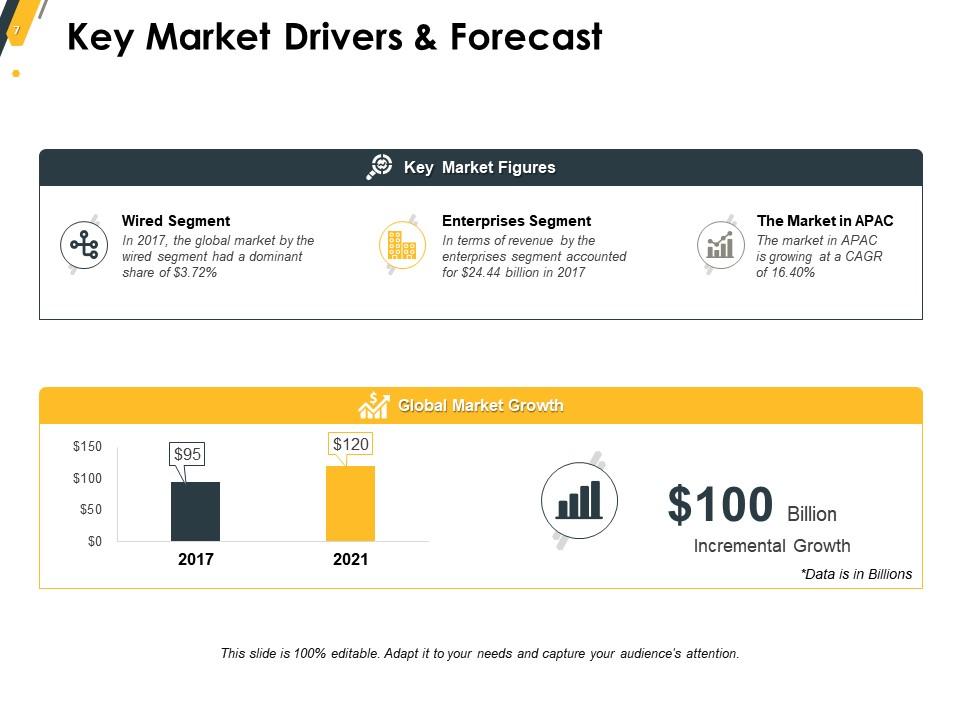
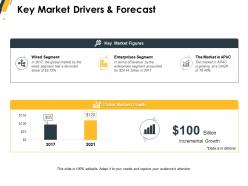
Now that you know which are the prominent restraints to markets as mapped to the forces, you need a document that can also help you with its forecasts. This slide allows you to make and enlist forecasts according to the market research. The key market figures to be added in this slide can be showcased as well. You can also showcase the global market growth for a better understanding.
Template 7: Internet of Things Market Drivers
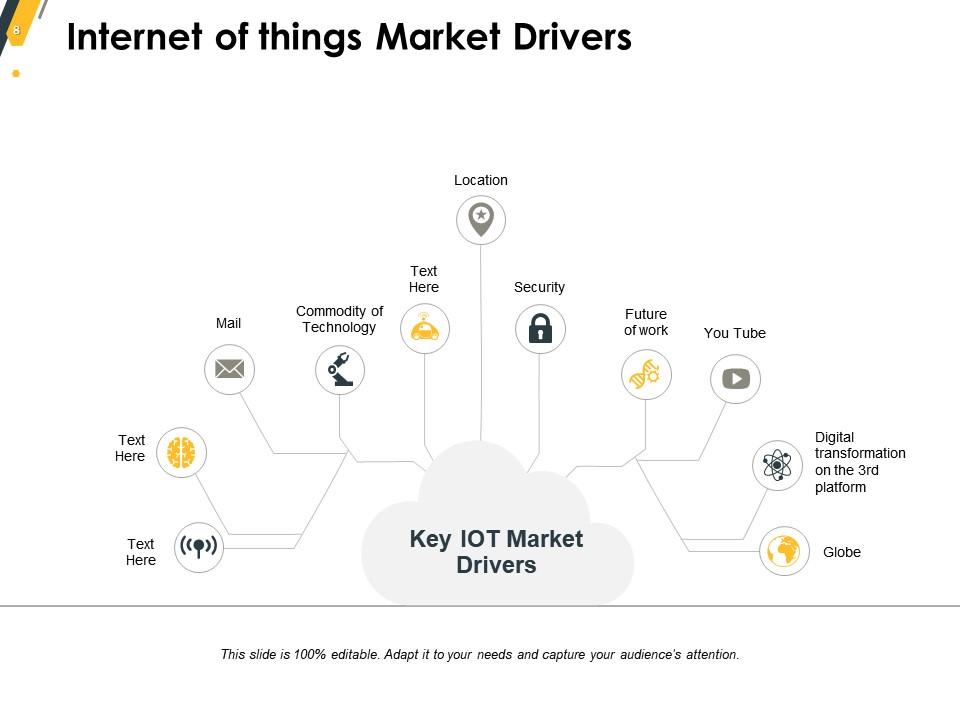
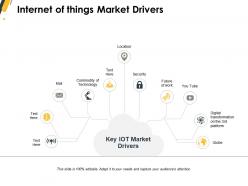
The Internet of Things is gaining huge popularity these days and proved to be beneficial for businesses. This slide allows you to showcase the relation of the market drivers with respect to the Internet of Things. The key IoT market drivers that you can add in this slide can be the commodity of technology, security, YouTube insights, digital transportation, global effects, location, the future of work, emails, social media, and so much more.
Template 8: Food Industry Market Drivers
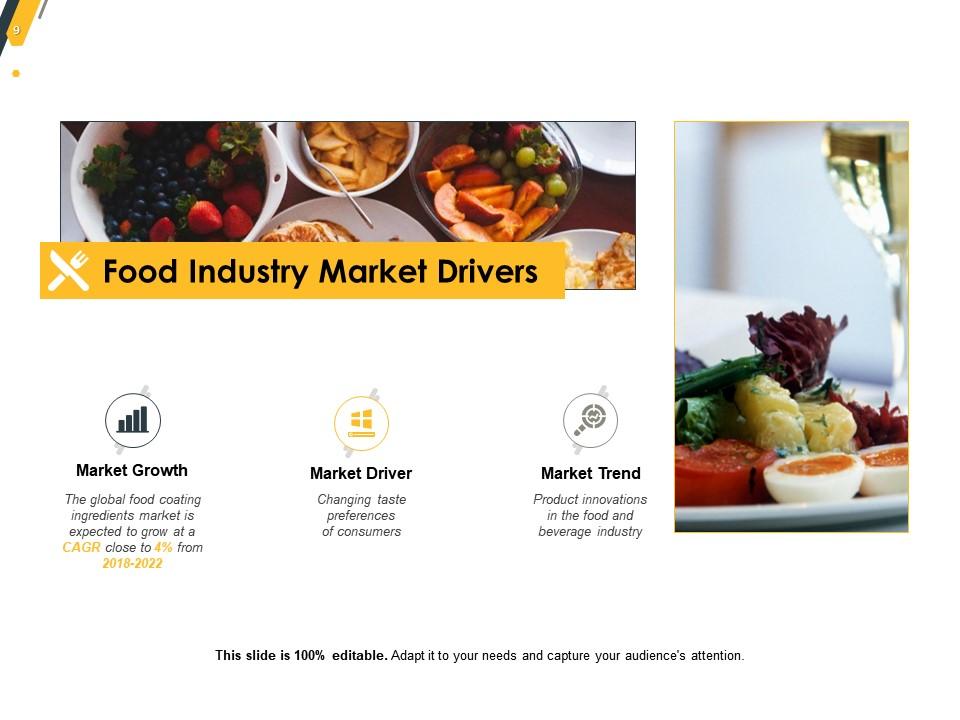
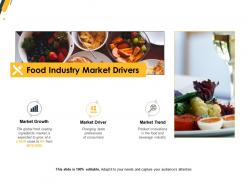
If you are involved with the food industry, then this slide is helpful in showcasing major forces that drive the food industry. The slide allows you to represent the main attributes of the market growth in the food industry which is 4% per annum. Similarly, the major market driving force in this domain is the ever-changing tastes and preferences of the customers. Lastly, you can also showcase the food industry’s main market trend, which is the continuous innovations in food and beverages.
Template 9: Business and Technology Drivers and Restraints
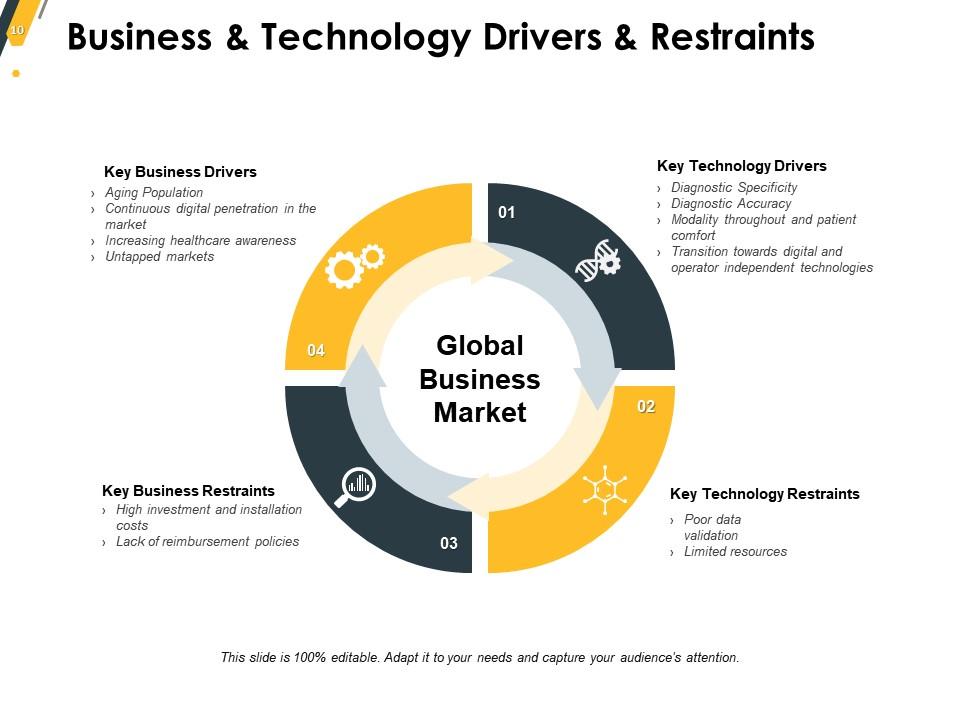
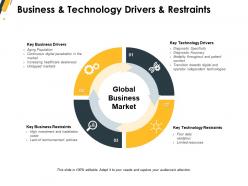
In this innovative world of technology, changes are bound to happen. You can prepare your business in a way that can use the most out of technological advancements. This slide allows you to represent your research insights related to the market’s main driving forces, and their restraints, with respect to technology. You can showcase both the drivers and restraints in the business and the technological world. You can include aspects like the aging population, untapped markets, and more.
Template 10: Market Drivers and Restraints Template
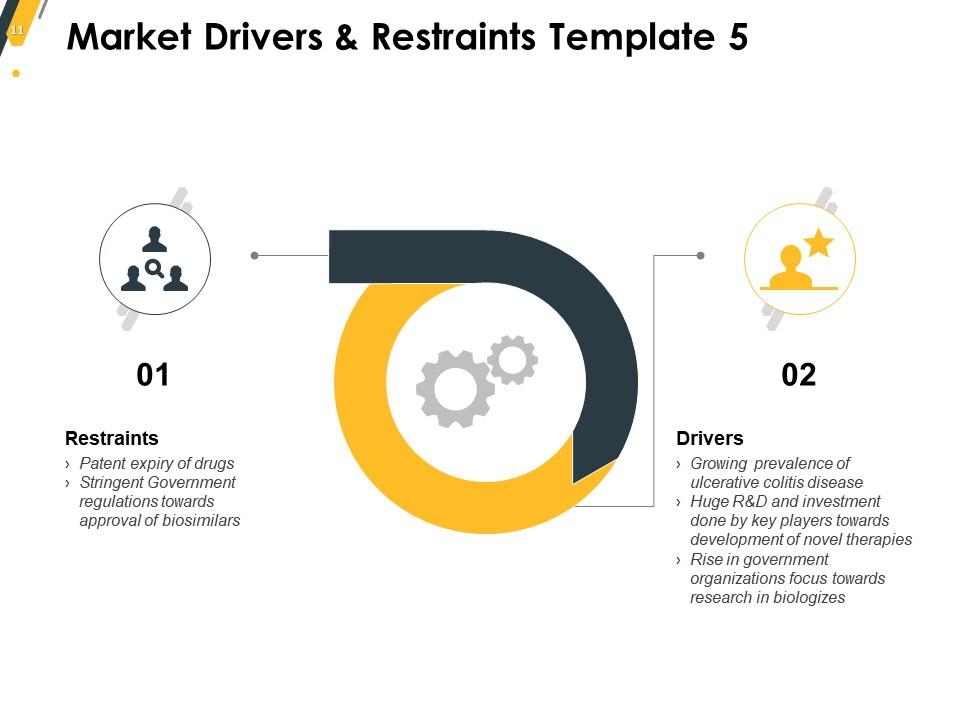
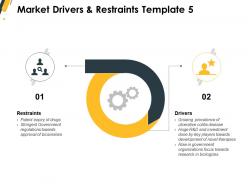
Here’s another inclusive template that allows you to place the restraints and market drivers side by side. These drivers and restraints may or may not be related to one another. The restraints can give rise to factors like patent expiry of drugs and stringent government regulations toward approval of biosimilars. For the drivers part, you can add factors like the growing prevalence of ulcerative colitis disease and huge R&D and investment done by key players towards development and more.
Here’s a smart template that will allow you to showcase the entire marketing research process to your audience in a feasible manner.
Get Your Research's Worth with Smart Representation
Undergoing thorough research is not sufficient enough. The research would go to waste if not used in a well-composed manner. The above template will help you align the facts with the format and make it easy for you to display and showcase the research, its implications, and findings in a way that’s beneficial for your business and informational for your audience.
Do you wish to enlighten your audience about the process you use for extensive market research? You can try the template offered here.
Market Research Powerpoint Presentation Slides with all 20 slides:
Use our Market Research Powerpoint Presentation Slides to effectively help you save your valuable time. They are readymade to fit into any presentation structure.
-
Market Research
-
Market Drivers Template 1
-
Market Drivers Template 2
-
Market Drivers Template 3
-
Market Drivers Template 4
-
Key Market Drivers Restraint
-
Key Market Drivers Forecast
-
Internet of things Market Drivers
-
Food Industry Market Drivers
-
Business Technology Drivers Restraints
-
Market Drivers Restraints Template 5
-
Market Drivers Challenges 6
-
Market Driver Icons Slide
-

Coffee Time
-
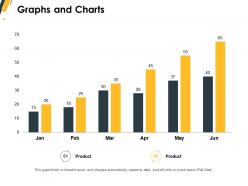
Graphs and Charts
-
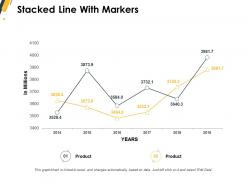
Stacked Line With Markers
-
Additional Slides
-
Our Team
-
About Us
-
Thank You
FAQs for Market Research
Start with your research questions - seriously, write them down first because everything builds from there. Then figure out who you're actually trying to reach and what methods make sense. Surveys work great for some stuff, but interviews give you way deeper insights (though they take forever). Budget and timeline matter more than people think. Oh, and here's what everyone forgets - plan how you'll actually use the data before you collect it. Otherwise you end up with this massive pile of info and no clue what to do with it. Pick methods that match your goals, not just whatever seems easiest.
Honestly, start simple with surveys and dig through your existing customer data first. Age, income, location - basic stuff that shows clear patterns. Social media analytics are actually super helpful here since they show who's really interacting with your posts, not just following. I'd definitely do some focus groups too because the data only tells you what people buy, not why they're buying it. Oh, and peek at your competitors' audiences while you're at it - sometimes that's eye-opening. Don't overwhelm yourself trying five methods at once though. Pick one approach and expand from there.
So quantitative research is your numbers game - surveys, polls, stuff you can crunch data on. Qualitative digs into the *why* through interviews and focus groups. One tells you what people actually do, the other explains their reasoning behind it. I'd say quantitative works great when you need hard stats or market sizing. But if you're exploring new ideas or trying to get inside people's heads? Go qualitative. Honestly though, mixing both usually gives you the full picture. Numbers alone can be pretty misleading sometimes.
Dude, there are so many cheap ways to get market data now. SurveyMonkey and Typeform are great for customer surveys. Google Analytics shows you how people use your site. Social listening through Hootsuite tells you what folks say about your brand online. Facebook Audience Insights breaks down demographics really well. For competitor stuff, SEMrush is solid. Oh, and Google Trends is honestly underrated—shows demand patterns super clearly. My advice? Start with free versions first. You can always pay later once you figure out what actually helps your business. No point spending money upfront on features you might not even need.
Honestly, competitor analysis is like being a detective in your own industry. You're digging into their pricing, messaging, and what features they're pushing. I actually enjoy the "research" part - scrolling through their social feeds and website updates. It's totally legitimate snooping! Look for gaps where they're screwing up or missing opportunities. That's where you can swoop in. Start with maybe 3-5 direct competitors and check what they're doing monthly. Don't just copy them though - use it to figure out how you'll be different. Sometimes you'll realize your assumptions were way off, which honestly saves you from making expensive mistakes later.
Honestly, just keep your questions super clear and don't try to cram two things into one question - that confuses people SO much. Mix it up with multiple choice for the data stuff, but definitely throw in some open-ended questions too since that's where you get the really good insights. Test it on a few friends first (trust me on this one). People will literally abandon your survey after like 10 minutes, so keep it short. Oh and put your most important questions at the beginning in case half your respondents peace out halfway through. Also make sure your rating scales actually make sense - I've seen some weird ones that just confuse everyone.
Honestly, the big three you can't mess up are consent, privacy, and not being manipulative. Be upfront about what data you're grabbing and why - nobody likes finding out later they were tricked. Don't ask leading questions that just confirm what you already think (I've seen so many people do this without realizing). Let participants bail whenever they want. Treat their personal info like you'd want yours treated - lock that stuff down. Oh, and avoid those sneaky tactics that push people toward certain answers. Pretty straightforward stuff, but surprisingly easy to screw up if you're not paying attention.
Honestly, social media analytics are a goldmine for understanding what customers really think. You get real-time sentiment data and can track brand mentions without the BS you'd get in formal surveys. The demographic breakdowns are super detailed too. I spend way too much time diving into competitor conversations - it's like legitimate stalking but for business. Different platforms tell different stories though. LinkedIn folks act nothing like TikTok users. Start simple: set up alerts for your brand name and industry hashtags, then go from there.
Honestly, traditional market research has some major flaws. It's super slow and expensive - like, by the time you actually get your data back, the market's probably already changed. People lie on surveys too (who would've thought?), and focus groups always get hijacked by that one loud person who thinks they speak for everyone. Sample sizes are usually pretty small, so you can't really trust how representative the results are. Oh, and most of the data just tells you what people thought in the past, not what they'll do next. You'd probably get better insights mixing in some real-time stuff like social media monitoring.
Yeah, you definitely need to keep updating your research methods. Consumer behavior has changed so much since 2020 - like, my grandparents are using DoorDash now, which is wild. What worked before probably isn't capturing real insights anymore. Gen Z shops totally different than millennials, plus everyone's budget priorities shifted with inflation and stuff. Companies getting the best data are constantly adjusting their approach. I'd start by looking at what methods you're using now and see how they match up with recent changes in your industry. Some of that old-school research just doesn't hit the same anymore.
Track the obvious stuff first - response rates, data quality, how fast you're getting insights, cost per survey. But here's the thing that actually matters: are people doing anything with your research? I've seen so many beautiful reports that just sit there collecting digital dust. Check if stakeholders are reading your stuff, showing up to presentations, acting on recommendations. Count how many business decisions actually reference your work and whether those moves affected real metrics. The whole point is changing behavior or strategy, right? Not just hitting survey quotas.
Honestly, market segmentation is a game changer - way better than just blasting the same message to everyone. Break down your audience by age, buying habits, whatever makes sense for your business. Then you can actually speak to what each group cares about. Your engagement will go up, conversions improve, and you won't burn cash on ads that don't work. I learned this the hard way lol. Oh, and you'll probably find some hidden opportunities too - maybe there's a group you totally overlooked. Just grab your customer data and find 2-3 clear segments to start with.
Honestly, just mix it up based on what you're showing. Bar charts are solid for comparing stuff, line graphs for trends over time. Pie charts work well for market share breakdowns. Heat maps are incredible for survey data - they make patterns jump out at you instantly. Scatter plots help you catch correlations between different variables. Oh, and don't overlook infographics when you're presenting to people who get glazed eyes looking at spreadsheets. I'd say start with the simple stuff first, then add fancier visuals if you need them. Tool-wise, try Tableau or PowerBI if you've got budget, otherwise Excel works fine.
Customer feedback is basically a goldmine for figuring out what you're doing right and what's totally broken. I always tell people to hunt for the complaints that keep popping up - those are your biggest wins waiting to happen. The detailed stuff matters way more than just star ratings, honestly. Positive reviews show you what's actually working so you can do more of that. Set up ways to collect feedback regularly, whether it's surveys or just asking directly. Here's the thing though - you've got to actually do something with what people tell you, then circle back and let them know you listened. That last part makes all the difference.
Definitely look into AI sentiment analysis - it's a game changer for tracking what people actually think about your brand. Real-time social listening is massive too. Privacy stuff is making everyone scramble for better first-party data collection methods, which honestly was overdue anyway. Micro-moment research is where it's at though - you catch people right when they're deciding instead of hoping they remember later. Traditional focus groups? Pretty much dead. Video surveys and mobile ethnography work so much better because people actually engage. I'd start with sentiment analysis tools for your social mentions first.
-
Commendable slides with attractive designs. Extremely pleased with the fact that they are easy to modify. Great work!
-
Very well designed and informative templates.