


Saas Sales Powerpoint Presentation Slides
Our Saas Sales Powerpoint Presentation Slides are compulsive achievers. They will compel you to do the same.
Our Saas Sales Powerpoint Presentation Slides are compulsive achievers. They will compel you to do the same.











-

- Google Slides is a new FREE Presentation software from Google.
- All our content is 100% compatible with Google Slides.
- Just download our designs, and upload them to Google Slides and they will work automatically.
- Amaze your audience with SlideTeam and Google Slides.
-

Want Changes to This PPT Slide? Check out our Presentation Design Services
-

- WideScreen Aspect ratio is becoming a very popular format. When you download this product, the downloaded ZIP will contain this product in both standard and widescreen format.
-

- Some older products that we have may only be in standard format, but they can easily be converted to widescreen.
- To do this, please open the SlideTeam product in Powerpoint, and go to
- Design ( On the top bar) -> Page Setup -> and select "On-screen Show (16:9)” in the drop down for "Slides Sized for".
- The slide or theme will change to widescreen, and all graphics will adjust automatically. You can similarly convert our content to any other desired screen aspect ratio.
Compatible With Google Slides

Get This In WideScreen
You must be logged in to download this presentation.


Do you want to remove this product from your favourites?
PowerPoint presentation slides
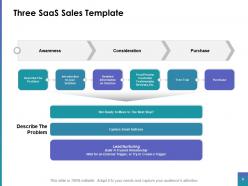
Presenting this set of slides with name - Saas Sales Powerpoint Presentation Slides. This presentation comprises a total of twenty four slides. Each slide focuses on one of the aspects of Saas Sales Powerpoint Presentation Slides with content extensively researched by our business research team. Our team of PPT designers used the best of professional PowerPoint templates, images, icons and layouts. Also included are impressive, editable data visualization tools like charts, graphs and tables. When you download this presentation by clicking the Download button, you get the presentation in both standard and widescreen format. All slides are fully customizable. Change the colors, font, size, add and remove things as per your need and present before your audience.

People who downloaded this PowerPoint presentation also viewed the following :
Content of this Powerpoint Presentation
Slide 1: This slide introduces Scrum Marketing. State Your Company Name and begin.
Slide 2: This is an Agenda slide. State your agendas here.
Slide 3: This slide shows Agile Marketing Outline describing- Agile Marketing – Value Proposition, Agile Marketing Manifesto, Agile Approach to Marketing, Agile Marketing Benefits, Key Pieces of an Agile Marketing Implementation, Agile Marketing Introduction, Agile Marketing Values, Role of Agile Marketing Team, How does Agile Marketing Work? Agile Marketing Process.
Slide 4: This slide presents Agile Marketing Introduction describing- Maximize ROI, Plan, Set Goals, Tweak, Measure, Execute, Test.
Slide 5: This slide displays Agile Marketing Values describing- Numerous small experiments over a few big bets, Responding to change over following a plan, Testing and data over opinion and conventions etc.
Slide 6: This slide represents Role of Agile Marketing Team which includes- Analyzes the data to identify the opportunities, Aligns with leadership and sets team expectations, Designs and prioritizes tests.
Slide 7: This slide showcases How does Agile Marketing Work describing- The Scrum Process, Sprint Planning, Sprint Review, Sprint Retrospective.
Slide 8: This slide shows Agile Marketing Process as- Describe, develop, test, launch and learn.
Slide 9: This slide presents Agile Marketing – Value Proposition describing- Adaptability, Visibility, Risk, Business Value.
Slide 10: This slide displays Agile Marketing Manifesto describing- Validated learning over opinions and conventions, Flexible vs. rigid planning, Customer-focused collaboration over silos and hierarchy, Responding to change over following a plan, Adaptive and iterative campaigns over Big Bang campaigns, Many small experiments over a few large bets, The process of customer discovery over static prediction.
Slide 11: This slide represents Agile Approach to Marketing describing- Mindset shift, Experimentation, iteration, & small releases, Adherence to the Agile manifesto, Servant leadership, Teamwork & collaboration, Data-driven marketing.
Slide 12: This slide showcases Key Pieces of an Agile Marketing Implementation describing- Sprints, Stand up Meetings, Board to track project progress, Teamwork.
Slide 13: This slide shows Sprints describing- Align on a Challenge, Ideate Innovations, Decide on a Solution, Create a Prototype, Test & Learn with Customers.
Slide 14: This slide presents Stand up Meetings in a table form with related text.
Slide 15: This slide displays Board to Track Project Progress describing- Requirement Gathering, Development, UAT, Pilot, Rollout.
Slide 16: This slide shows Teamwork with imagery and text boxes to show information.
Slide 17: This slide presents Agile Marketing Benefits as- Puts the customer at the center, Each sprint provides an opportunity to learn & adjust, Improve speed of decision-making, Reap the benefits of smaller deliverables, Adjust your approach based on market feedback, Experiment with innovative, new ideas.
Slide 18: This slide is titled as Additional Slides for moving forward.
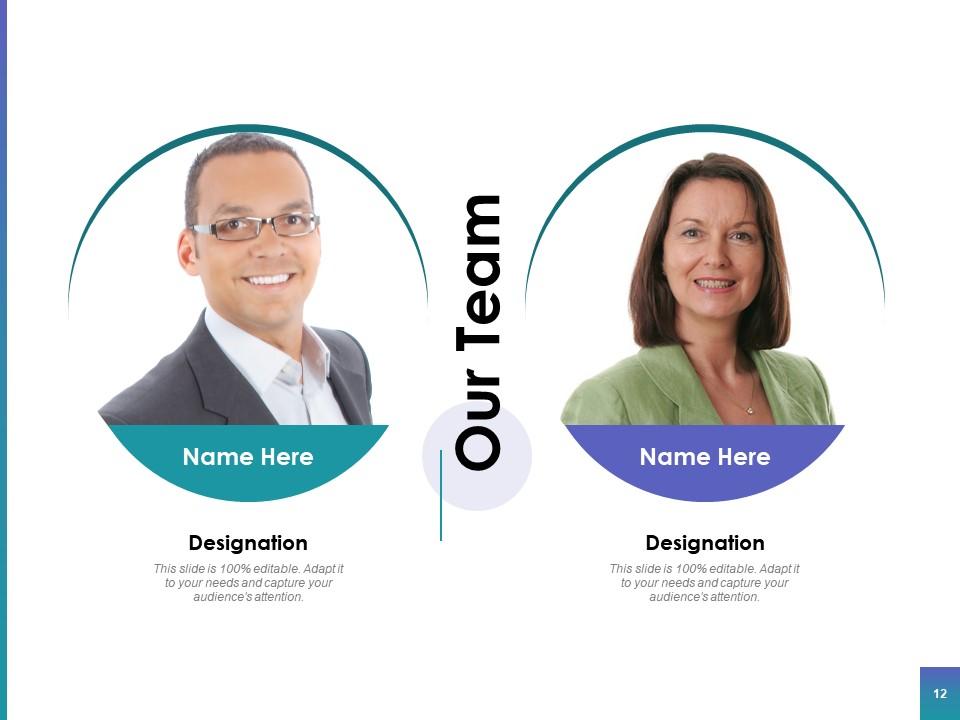
Slide 19: This is Our Awesome Team slide with names and designation.
Slide 20: This is Our Vision slide with imagery and text boxes.
Slide 21: This is About Us slide to state company specifications etc.
Slide 22: This is Our Goal slide. State your important goals here.
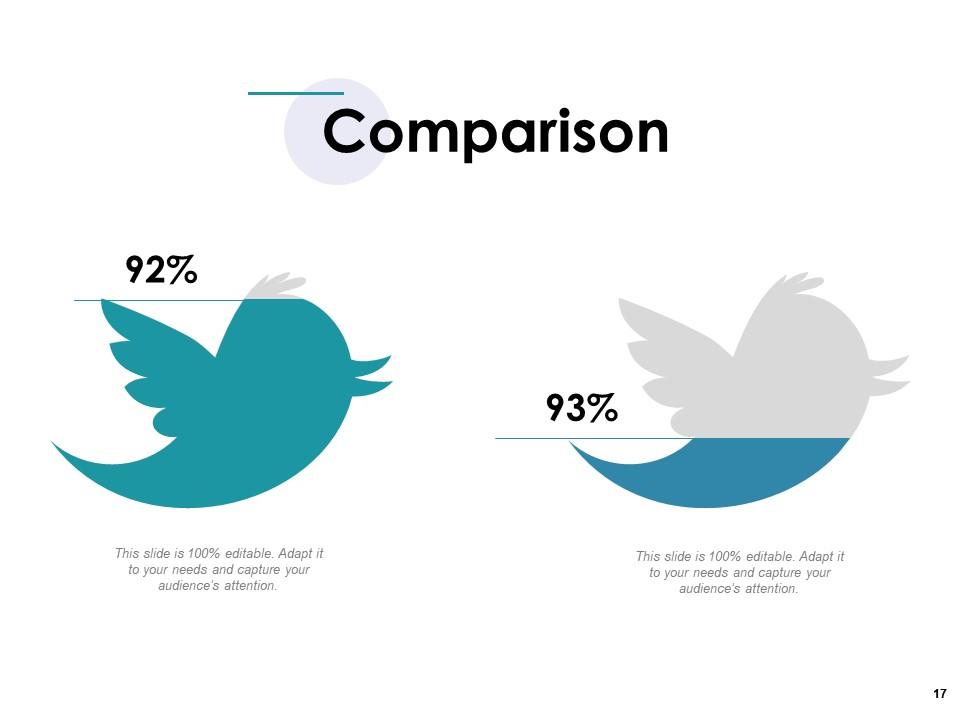
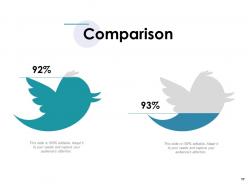
Slide 23: This is a Comparison slide to state comparison between commodities, entities etc.
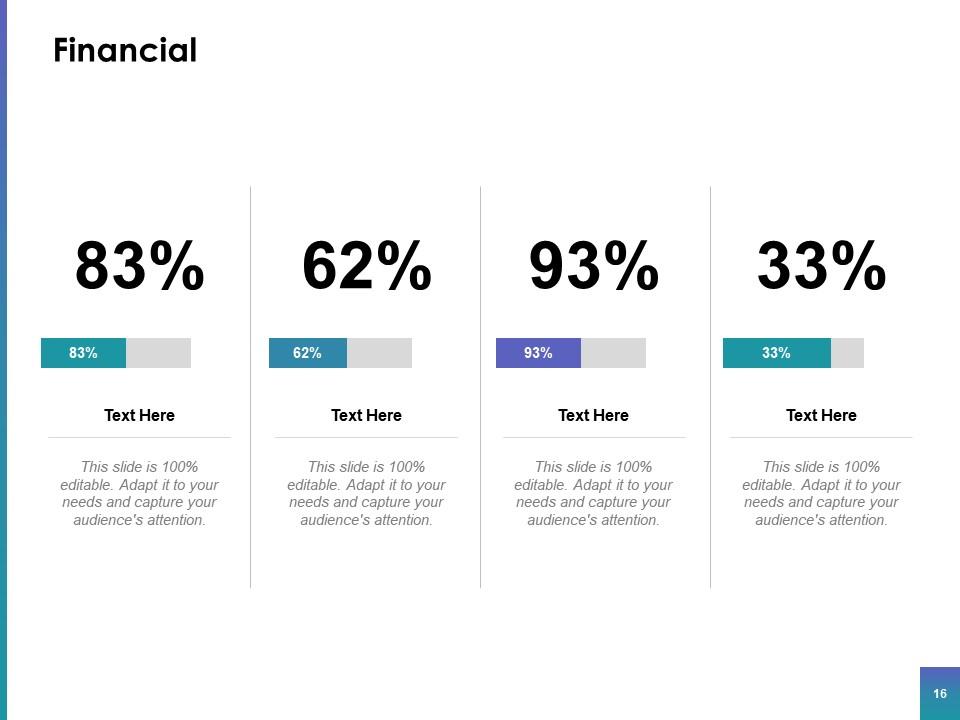
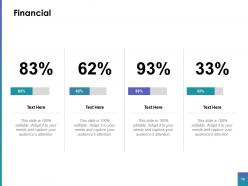
Slide 24: This is a Financial slide. Show finance related stuff here.
Slide 25: This is a Dashboard slide with text boxes to show information.
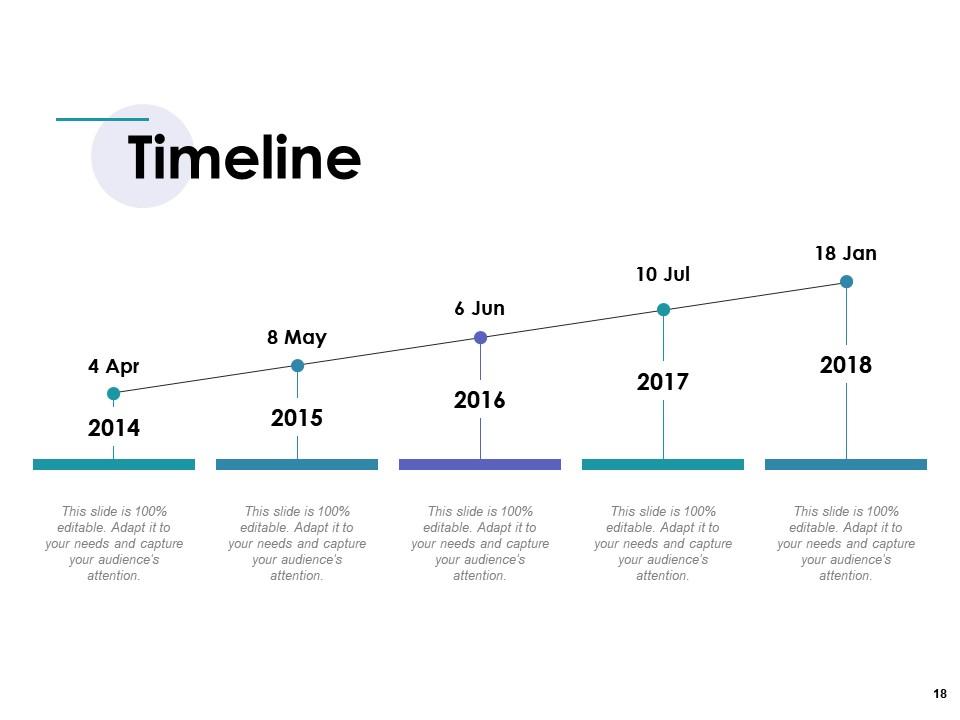
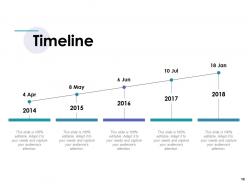
Slide 26: This is a Timeline slide. Show information related with time period here.
Slide 27: This is a Location slide with maps to show data related with location.
Slide 28: This slide shows Puzzle with text boxes to show information.
Slide 29: This slide shows Circular diagram with text boxes.
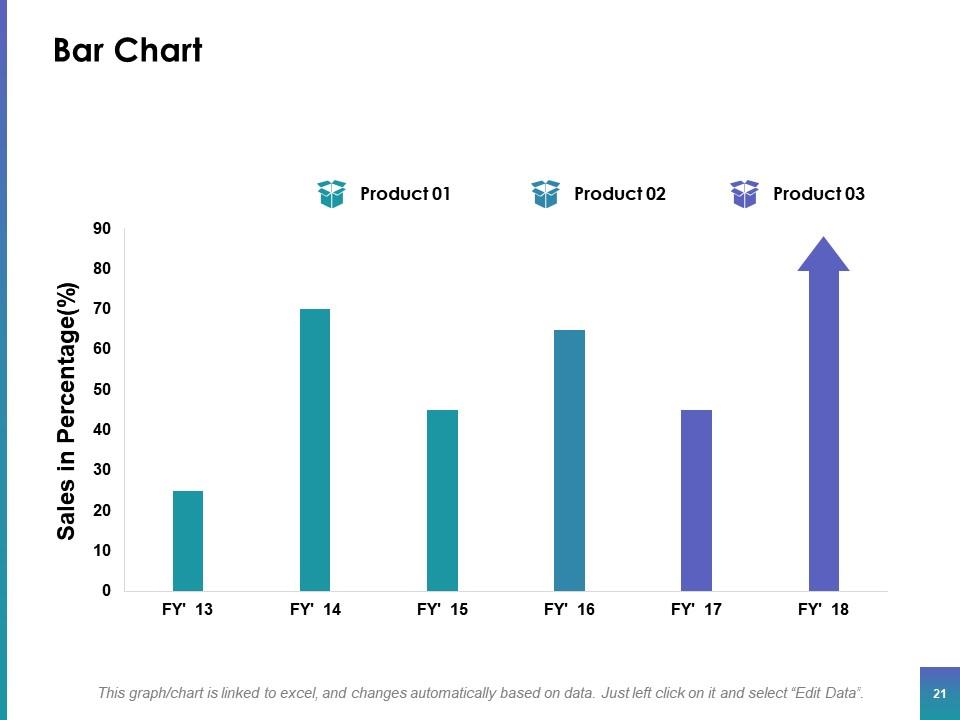
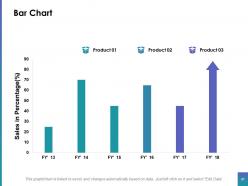
Slide 30: This slide presents Stacked Bar graph chart with two products comparison.
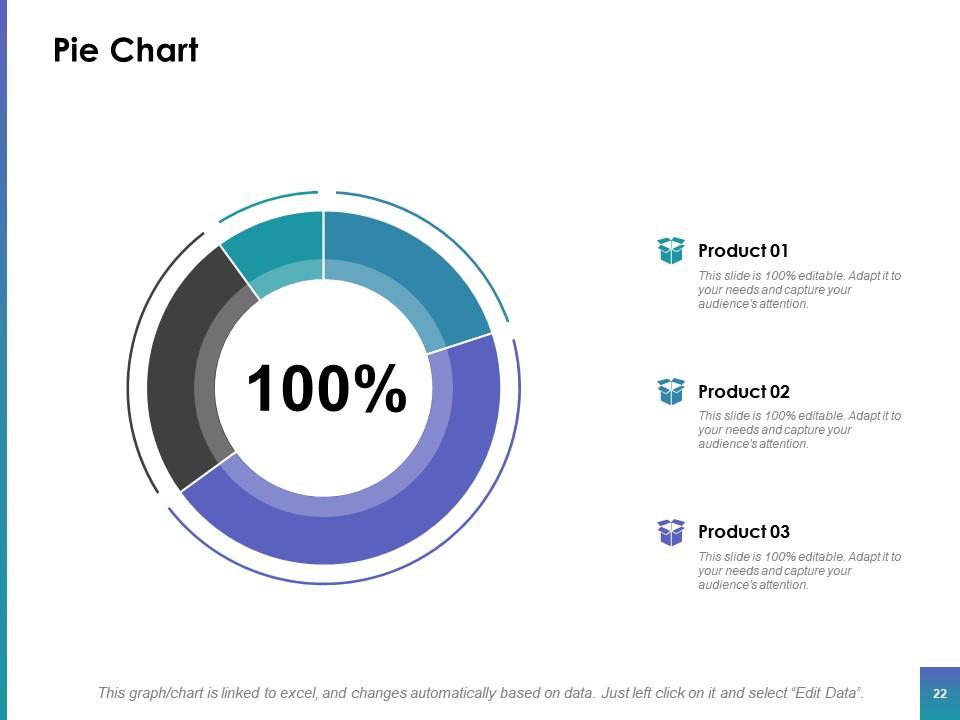
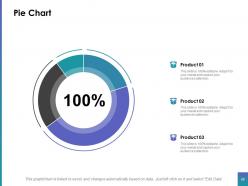
Slide 31: This slide shows Donut Pie Chart with data in percentage.
Slide 32: This slide displays Area Chart with two products comparison.
Slide 33: This is a Thank You slide with Address, contact numbers and email address.
Saas Sales Powerpoint Presentation Slides with all 24 slides:
Enable folks to have a jamboree with our Saas Sales Powerpoint Presentation Slides. Institute festive events.
No Reviews
