


Digital business management powerpoint presentation slides




Try Before you Buy Download Free Sample Product
 Impress Your
 Audience
 100%
100% Editable
 Save Hours
 of Time


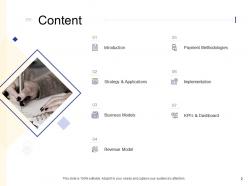
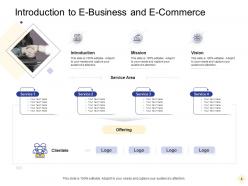
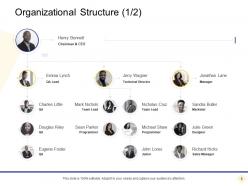
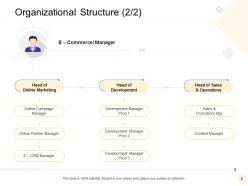
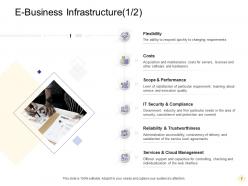
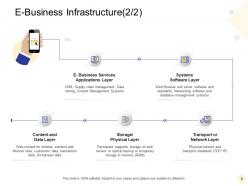
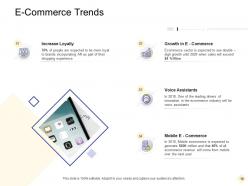
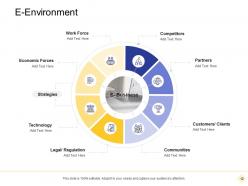
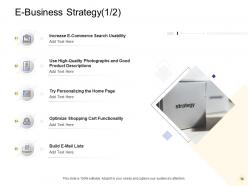
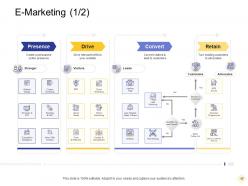
Employ this Digital Business Management PowerPoint Presentation Slides to improve the company's online presence and boost its position in the global market. Introduce your company’s digital team responsible for handling the online business through these digital business management PPT templates. Gain insight into the importance of essential infrastructure components like IT security, compliance, and cloud management for the smooth flow of business operations using these e-commerce PPT slides. Display the worldwide e-market trends via our global map PPT layout in this internet business PPT presentation. Indulge in effective lead conversion and their conversion into customers by taking the aid of this digital business strategy PPT slideshow. Illustrate the key sources like technology, economic forces, competitors that contribute to successful online commercial management with the assistance of these e-environment PPT designs. Highlight the webpage development methods like measuring site performance, search engine optimization, and good product descriptions by employing this digital business success PowerPoint presentation. Download this professionally curated business digitization PPT deck to impress your audience with a thought-provoking and engaging presentation.
People who downloaded this PowerPoint presentation also viewed the following :
Digital business management powerpoint presentation slides with all 57 slides:
Use our Digital Business Management Powerpoint Presentation Slides to effectively help you save your valuable time. They are readymade to fit into any presentation structure.


FAQs for Digital business management
Customer-first mentality is huge - seriously, everything should revolve around what they actually want. Move fast when stuff changes (and it will constantly). Data beats hunches every single time, so dig into your analytics before making big calls. Automation saves you from so much tedious work, honestly can't recommend it enough. Your tech needs to grow with you, not hold you back. Break down those department walls because they just slow everything down. Keep learning new things or you'll get left behind - I swear the industry moves at warp speed now. Start by figuring out what processes you can digitize first.
Start with data that actually matters to your business - not just stuff that looks impressive in meetings. Clean it up first because messy data = useless insights. Excel works fine for basic dashboards, though Tableau's nice if you've got budget. Here's the thing though - figure out what decisions you're trying to make before you start crunching numbers. Otherwise you'll just get lost in spreadsheets forever. Once you find something interesting, test it small first. Pick one department, run a quick experiment, show them the ROI. Way easier to scale up once you've got proof it works.
Here's my rewrite: Look, cloud tech is honestly a game-changer compared to those clunky on-premise systems we used to deal with. You can scale up or down instantly when demand changes, and your team can access everything from anywhere - which is huge for collaboration. No more babysitting expensive servers either (thank god). The analytics happen in real-time now, so you're making decisions way faster. Oh, and the automated processes? Chef's kiss. I'd start by figuring out what you're currently doing that's a total pain point - those are your best candidates for moving to the cloud first.
Don't make the mistake of adding security later - weave it into everything from the start. Strong encryption and multi-factor auth are basics. Your team needs training on phishing stuff because honestly, people mess up way more than tech does. GDPR compliance matters if you're dealing with EU customers (learned that one the hard way). Regular backups saved my butt once, so don't skip those. Make it part of how everyone thinks, not just some IT thing. Oh, and get a security audit done this month - seriously, just pick a date and book it.
Honestly, just pick one good tool for each thing and stick with it. Asana or Trello work great for keeping track of tasks - I'm partial to Trello myself since it's super visual. Slack beats email chains every single time for team chat. Google Workspace is clutch for sharing files without that whole "wait which version are we using?" mess. If you're billing clients, throw in Toggl for time tracking. The trick isn't having fancy tools though. It's getting everyone to actually use the same ones consistently instead of doing their own random thing.
Honestly? You've got some serious advantages over the big guys. Speed is huge - they're drowning in red tape while you can pivot in like a day. Get on social media and actually BE social, not corporate-robot-speak (people see right through that anyway). Pick a niche where you can become THE person, not just another option. Tools like Canva and Mailchimp are dirt cheap but look professional. The real secret though? Just be genuine. Talk to customers like actual humans. I swear, half of competing is just not being annoying and bureaucratic like everyone else.
Honestly, most digital transformations crash because leadership talks a big game but doesn't actually commit. So first thing - make sure your executives are all in, not just pretending to be. Invest big in training your people. New tech is worthless if nobody knows how to use it properly. Don't try to change everything overnight either - that's a recipe for disaster. Pick one process, maybe something small but visible, and get that right first. Once you've got a win under your belt, then you can start expanding to other areas. Way less overwhelming that way.
Dude, training is make-or-break for this stuff. I've watched companies blow thousands on fancy software that just sits there because nobody knows how to use it properly. Your team will literally find workarounds to avoid the new system if they don't get it. First thing - figure out what skills they're actually missing. Then build training that connects to their real day-to-day work, not some generic overview nonsense. Make it hands-on. And here's the thing people always mess up: it can't be a one-and-done workshop. Keep it going. Otherwise they'll forget half of it in two weeks and you're back to square one.
Honestly, start with data privacy - don't be sketchy about how you collect and use people's info. Make sure your algorithms aren't accidentally biased against certain groups (happens more than you'd think). Be transparent about what you're doing with customer data instead of burying it in fine print. Oh, and get real consent, not those annoying pop-ups everyone just clicks through. Also worth considering - are you accidentally excluding people who aren't as tech-savvy? Build this stuff into your process early because fixing it later is a nightmare.
Honestly, just focus on starting actual conversations instead of posting into the void. Ask questions, run polls, show behind-the-scenes stuff that doesn't feel fake. Respond to comments too - don't just broadcast and disappear. Stories and live videos are gold because people eat up that real-time vibe (even though we're all probably scrolling in our pajamas lol). Pick 2-3 platforms max and actually do them well rather than half-assing everything. Use hashtags that make sense, maybe collab with some influencers, and get your customers posting about you. Being helpful beats being salesy every time.
Track engagement stuff AND business numbers - that's where you'll actually see what's moving the needle. Website traffic, conversion rates, customer acquisition costs hit first. Social engagement and email opens show if people give a damn about your content (follower counts are pretty useless tbh). Customer lifetime value and churn rate matter more than people think - way cheaper to keep existing customers than hunt for new ones. Oh, and don't go crazy tracking everything. Pick 3-5 metrics that actually connect to making money.
Honestly, the combo of AI and IoT is pretty game-changing for digital ops. Your IoT devices pump out constant data that AI can actually make sense of - like predicting what customers will do or fixing supply chain issues before they happen. No more playing catch-up all the time. The automation part is huge too since it handles the boring repetitive stuff your team usually gets stuck with. I'd definitely start small though, maybe just one process at first? Oh and the pattern recognition is insane - it'll spot trends you'd never notice manually. Way better than just going with your gut on big decisions.
Ugh, honestly the worst part is people just hate change. Everyone's used to doing things their way and suddenly you're asking them to learn something totally new - of course they're gonna push back. Then there's all the tech nightmare stuff where nothing connects properly with your old systems, so now everyone's switching between like 3 different programs just to do one task. Training always takes forever too, way longer than you think. Oh and productivity actually gets worse at first while people figure it out. Super fun, right? But seriously, try it with just a small group first and find those people who actually get excited about new stuff - they'll help sell it to everyone else.
Make your operations flexible from day one. Short sprints work better than long planning cycles - honestly, the best companies I've seen just accept they're always in beta mode. Keep your tech modular so you can switch things out fast. Your team needs regular training too, and cross-functional groups help with quick pivots. Oh, and set up some kind of "radar" system to catch market shifts early. Maybe quarterly reviews where you can actually change course? I know it sounds like a lot, but rigidity kills businesses faster than anything else these days.
Honestly, you've gotta nail communication first - like, way over-communicate rather than leaving people guessing. Regular check-ins are clutch but don't hover over everyone. I'd grab something like Asana for project tracking and get everyone documenting stuff so nothing gets lost. The whole "butts in seats" mentality is dead anyway - focus on what people actually deliver, not when they're online. Oh, and don't skip the random coffee chats or whatever, people get weird when they never talk casually. Start small though - just pick one communication thing that's broken right now and fix it this week.
-
Very unique and reliable designs.
-
Designs have enough space to add content.
-
Understandable and informative presentation.