


Digital economy powerpoint presentation slides





Try Before you Buy Download Free Sample Product
 Impress Your
 Audience
 100%
100% Editable
 Save Hours
 of Time


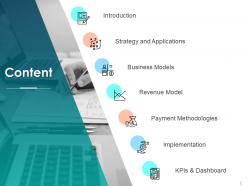
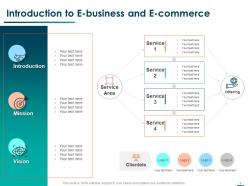
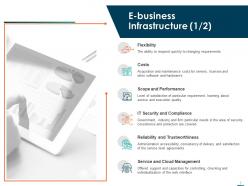
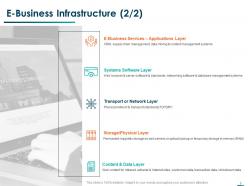
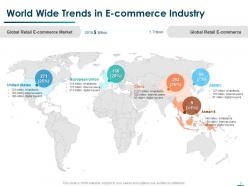
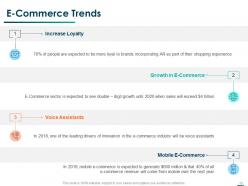
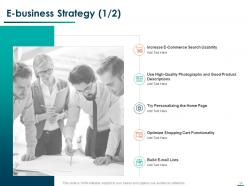
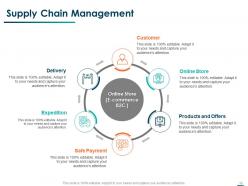
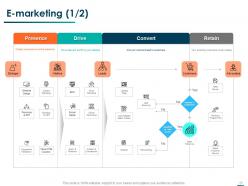
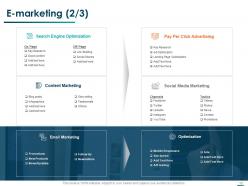
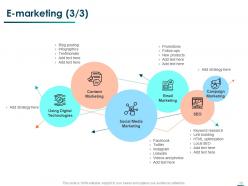
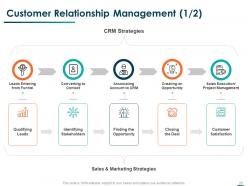
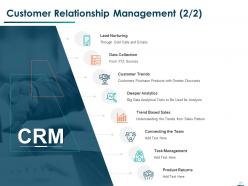
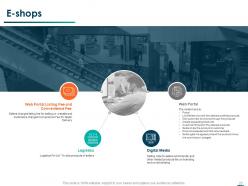
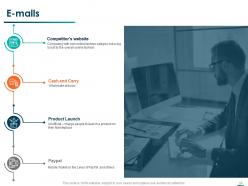
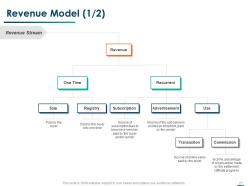
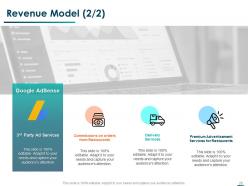
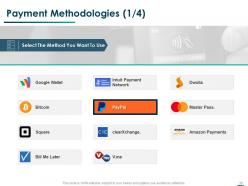
Showcase the components of ecommerce using these Digital Economy PowerPoint Presentation Slides. Take the assistance of this digital infrastructure PowerPoint slideshow to portray the parts of e-business infra like such as IT security, etc. Take advantage of the technological economy PPT visuals to depict global e-commerce trends like chatbots, AI, QR code payments, etc. Utilize these advanced economy PowerPoint infographics to reveal the E-business strategy that includes increasing search usability, good product descriptions amongst others. Enhance your SMM strategy through the creation of landing pages, implementation of user-generated content, and focusing on unique content. Present the major business models namely E-shops, e-malls, and e-procurement. Unveil methods of E-marketing including content writing, SMM, search engine optimization, digital technologies, etc. using this advanced economy PPT deck. Further, you can explain the revenue model of your organization and payment methodologies that will enable money saving using these technological economy PPT slides. Download the amazing digital economy PPT templates and increase the growth rate of your industry. Reap the harvest of your efforts with our Digital Economy Powerpoint Presentation Slides. Enjoy the fruits you deserve.
People who downloaded this PowerPoint presentation also viewed the following :
Digital economy powerpoint presentation slides with all 57 slides:
Use our Digital Economy Powerpoint Presentation Slides to effectively help you save your valuable time. They are readymade to fit into any presentation structure.





















FAQs for Digital economy
Honestly, AI and machine learning are everywhere right now - totally changing customer service, supply chains, you name it. Cloud computing keeps getting better too, which is huge for smaller companies trying to scale fast. Blockchain's still doing interesting stuff with secure transactions (even though the crypto craze died down). Oh, and 5G is finally letting us do real-time apps that were impossible before. Here's the thing though - none of this works in isolation. They're all connecting to create completely new business models you should definitely be thinking about.
Dude, digital stuff is basically forcing old-school businesses to flip everything upside down. Look at Netflix vs Blockbuster - that wasn't even close. Companies are ditching physical stores for direct-to-consumer models, subscription services, AI automation. The whole platform thing too. Traditional businesses with their slow decision-making and rigid structures? They're getting destroyed by these agile startups. Honestly, Uber changing the taxi game was wild to watch happen in real time. If you're in a traditional industry, you gotta figure out what parts can go digital fast. There's really no time to sit around anymore.
Honestly, AI is like rocket fuel for digital businesses right now. It automates boring stuff, makes customer experiences way more personal, and helps companies make smarter decisions with their data. You see it everywhere - chatbots doing customer service, supply chain optimization, those "you might like" suggestions on Amazon. The speed of adoption has been insane, not gonna lie. Companies are building entire new business models around it while making their existing services run smoother. If you want in, start small - find repetitive tasks in your digital workflow that AI could handle. Then you can focus on the actually important stuff.
Honestly, I'd nail down your online basics first - website, social media, Google My Business. If you're selling stuff, definitely get an e-commerce setup going. The cool thing is you can test different markets without dropping serious cash on a physical store (thank god those days are over). Social media ads and email campaigns will help you reach way more people than just your neighborhood. Oh, and use analytics to see what's actually working - then do more of that. Don't try everything at once though. Pick one platform, get good at it, then branch out.
Honestly, data privacy ethics are pretty messy right now. Companies grab tons of personal info while people scroll through those crazy long terms nobody actually reads. The real problem? Most users don't get what they're signing up for. Then there's the whole thing where your data gets used for stuff you never agreed to originally. A handful of tech companies basically control everyone's information too, which feels kinda dystopian. My advice: be upfront about what you're collecting and why. Give people actual control over their stuff. Just because you can collect something doesn't mean you should - that's the golden rule here.
Dude, the pandemic literally threw us into the digital future overnight. Remember when only like 5% of people worked remotely? Suddenly it was 40%. My grandma who wouldn't even touch a smartphone started doing grocery pickup orders - wild, right? Every restaurant became a delivery business. Stores that had zero online presence scrambled to build websites or they'd go under. It's crazy how quickly people adapted when they had no choice. Now everyone's used to the convenience and honestly? There's no way we're going back to how things were before.
Honestly, it's rough out there. Competition is insane, funding's hard to get, and you're always racing against how fast you're burning cash. User acquisition costs will absolutely murder your budget - like, way more expensive than you think. Plus there's all this regulatory stuff that changes depending on where you're selling. Oh, and don't even get me started on infrastructure costs when you're trying to build something that actually scales. My take? Pick one problem and nail it first. Talk to real users, not just your friends who'll tell you it's great. You can expand later once you've got something that actually works.
So blockchain is basically this digital ledger that can't be tampered with - makes everything super transparent since anyone can verify transactions. No more banks as middlemen, which is honestly kind of crazy if you think about it. Your stuff gets processed way faster and cheaper too since there's no central authority taking their cut. Every single transaction gets recorded permanently, so you can actually trust people you've never even met before. Oh, and my cousin's been using it for his freelance payments - way smoother than PayPal. Definitely worth checking out if you're doing any digital payments or contracts.
So basically the gig economy helps growth in a bunch of ways. People can work whenever they want, which is honestly pretty great for flexibility. Companies fill staffing gaps easier too. All that extra income means more local spending, plus you get cool innovations like Uber completely flipping transportation on its head. Unemployment drops since folks who can't do traditional 9-to-5s find work. Oh, and governments collect more taxes from all this activity. Worth watching how it's changing your field because this stuff isn't going away anytime soon.
Honestly, data skills are probably the biggest thing right now - you don't need to be a full data scientist but knowing how to work with numbers and analytics is clutch. Staying up to date with whatever digital tools your industry uses is key too, which is exhausting because tech changes so damn fast. Communication skills are still super important since you're constantly explaining techy stuff to people who have no clue what you're talking about. Oh and being adaptable - that's huge. I'd start by figuring out what specific platforms or software your field actually cares about and focus there first instead of trying to learn everything.
Regulations basically set the playbook for how digital companies can operate. GDPR made everyone redesign their data handling overnight - that was wild to watch. Antitrust stuff blocks big tech mergers too. Some rules actually protect us and keep competition fair, but others just crush startups with red tape. The real problem? Tech moves lightning fast while regulators are still figuring out what happened three years ago. If you're in digital, watch regulatory news like a hawk. Seriously - one new rule can kill your entire business model before lunch.
Honestly, start with the boring stuff - complex passwords, regular backups, keeping software updated. That foundation matters more than fancy tools. Train your team since they're usually the weakest link (no offense to anyone's employees lol). Multi-factor authentication is a must. From there, you'll want network monitoring to spot weird activity early and solid incident response plans. Can't secure everything at once, so figure out your most valuable data first. Work with cybersecurity pros if you don't have internal expertise - regular audits help catch blind spots too.
Online shopping has completely changed the game - people hop between sites comparing prices constantly, and those targeted ads are deadly for impulse purchases. Brand loyalty? Pretty much dead because it's so easy to switch. The endless scrolling makes everyone's attention span terrible too. Convenience wins over everything now though. Customers will literally pay extra just for one-click checkout and same-day delivery. Here's what matters: obsessively watch how users move through your site. Once people get used to zero-friction experiences, they won't tolerate even minor annoyances. It's honestly kind of scary how impatient we've all become.
Banks are legit panicking about crypto right now. Central banks are rushing to launch their own digital currencies because they're terrified of losing control to Bitcoin and friends. The whole payment thing is getting flipped too - like, who wants to wait three days for a transfer when crypto moves instantly? Most banks are throwing money at blockchain tech just to keep up. Some are doing better than others though. Check what yours is actually doing with their apps and digital stuff, because the gap between good and bad banks is getting pretty huge lately.
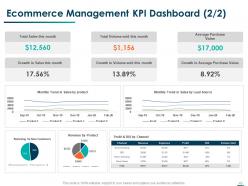
Honestly? Start with the obvious stuff - revenue growth, cost savings, how many customers you're getting through digital channels. But here's the thing: engagement metrics tell you just as much. User adoption rates, how long processes actually take, customer satisfaction scores - that's where the real story is. Oh, and don't ignore your internal team metrics either. Employee productivity, less manual busywork, faster decisions. Set your baseline first though, then check quarterly. I'd pick maybe 3-5 KPIs that actually connect to what you're trying to achieve. Tracking everything just gets messy.
-
It saves your time and decrease your efforts in half.
-
Visually stunning presentation, love the content.