

Enterprise digital transformation powerpoint presentation slides





Try Before you Buy Download Free Sample Product
 Impress Your
 Audience
 100%
100% Editable
 Save Hours
 of Time


Undertaking digital transformation involves many challenges, select our content ready Enterprise Digital Transformation Powerpoint Presentation Slides to showcase how to achieve operational efficiency through digital transformation. Organizations must digitally transform to accelerate business activities. The easy to use digital transformation strategy PowerPoint complete deck contains a set of professionally designed slides such as why it is needed, core elements, barriers of digital change strategy, ways to achieve digital transformation, transformation roadmap, task distribution, transformation budget, value-added from the transformation, etc. Digital transformation is an integral part of every company’s strategy. Use our professionally designed technological innovation presentation deck to demonstrate a well-planned business innovations strategy. The impact of transformation like an increase in sales and improved customer satisfaction can also be shown by this professionally designed business technology change plan PowerPoint template. Enhance your knowledge with the well-researched IT integration PPT slides and deliver your ideas in an effective way. Inspire the disheartened with our Digital Transformation PPT Powerpoint Presentation Slides. Convince them that good days are bound to come.
People who downloaded this PowerPoint presentation also viewed the following :
Content of this Powerpoint Presentation
Slide 1: This slide introduces Enterprise Digital Transformation. State Your Company Name and begin.
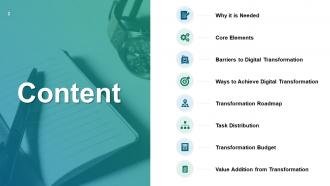
Slide 2: This slide shows Content of the presentation.
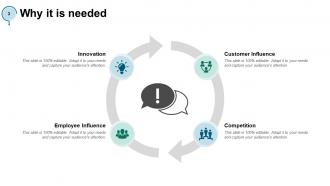
Slide 3: This slide shows Why it is Needed describing- Innovation, Customer Influence, Competition, Employee Influence.
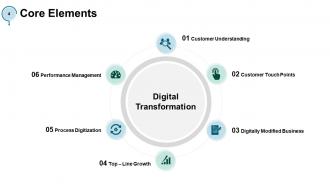
Slide 4: This slide presents Core Elements describing- Customer Understanding, Customer Touch Points, Digitally Modified Business, Performance Management, Process Digitization, Top – Line Growth.
Slide 5: This slide displays Barriers to Digital Transformation in a graphical form.
Slide 6: This slide represents Ways To Achieve Digital Transformation.
Slide 7: This slide showcases Transformation Roadmap describing- Opportunity Scan, Re - Vision, Business Cases, Commitment, Test, Scale, Re - View, Re - Cycle, Assessment.
Slide 8: This is another slide on Transformation Roadmap.
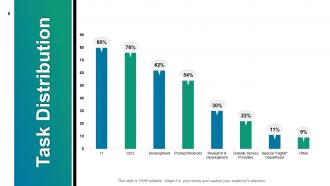
Slide 9: This slide shows Task Distribution in graphical form.
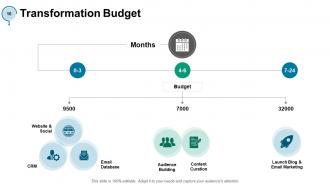
Slide 10: This slide presents Transformation Budget with related icons and text boxes.
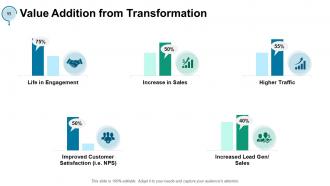
Slide 11: This slide represents Value Addition from Transformation.
Slide 12: This slide displays Enterprise Digital Transformation Icons.
Slide 13: This slide is titled as Additional Slides for moving forward.
Slide 14: This is Our Mission slide with related imagery and text.
Slide 15: This is About Us slide to show company specifications etc.
Slide 16: This is Our Team slide with names and designation.
Slide 17: This is a Financial slide. Show your finance related stuff here.
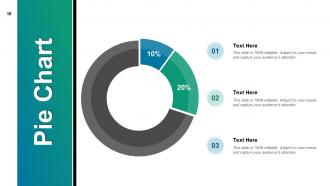
Slide 18: This slide displays Pie Chart with data in percentage.
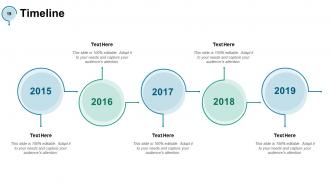
Slide 19: This is a Timeline slide to show information related with time period.
Slide 20: This is a Quotes slide to convey message, beliefs etc.
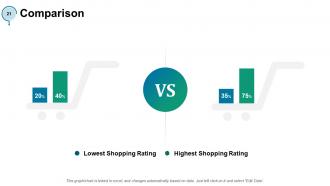
Slide 21: This is a Comparison slide to state comparison between commodities, entities etc.
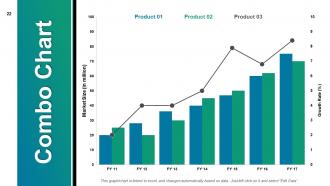
Slide 22: This slide shows Combo Chart with three products comparison.
Slide 23: This is an Idea or bulb slide to state a new idea or highlight information, specifications etc.
Slide 24: This is Our Target slide. State your targets here.
Slide 25: This is Contact Us slide with address, contact numbers and email address.
Enterprise digital transformation powerpoint presentation slides with all 25 slides:
Use our Enterprise Digital Transformation Powerpoint Presentation Slides to effectively help you save your valuable time. They are readymade to fit into any presentation structure.
-

Enterprise Digital Transformation
-
Content
-
Why it is needed
-
Core Elements
-
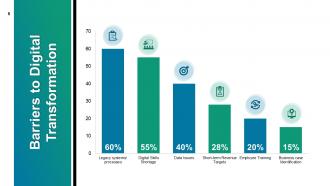
Barriers to Digital Transformation
-
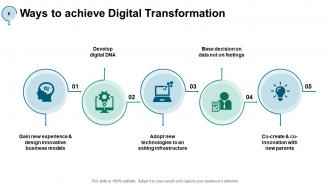
Ways to achieve Digital Transformation
-
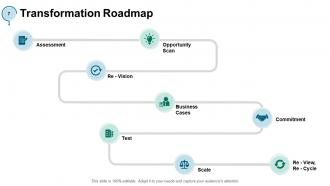
Transformation Roadmap
-
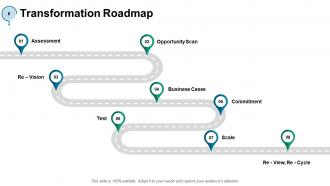
Transformation Roadmap
-
Task Distribution
-
Transformation Budget
-
Value Addition from Transformation
-
Enterprise Digital Transformation for Icons Slide
-

Additional Slides
-
Our Mission
-
About Us
-
Our Team
-
Financial
-
Pie Chart
-
Timeline
-

Enterprise Digital Transformation
-
Comparison
-
Combo Chart
-
Idea or Bulb
-
Our Target
-

Contact Us
FAQs for Enterprise digital transformation
Customers want everything to work like Amazon now, even in B2B. Startups are eating everyone's lunch because they built digital-first while big companies are stuck with ancient systems. COVID definitely sped things up, but this was happening anyway. Plus companies finally figured out they're sitting on tons of data they can't actually use with their current setup - which is honestly pretty frustrating when you think about it. Competition's getting brutal too. My advice? Pick your customers' biggest headache and fix that first. Don't try to boil the ocean.
Pick 3-5 metrics tied to your transformation goals and check them quarterly - daily obsessing will drive you crazy. Revenue, cost savings, and efficiency are obvious ones to track. But here's the thing: employee adoption rates and customer satisfaction scores actually tell you more about whether people are buying into the changes. Time-to-market improvements matter too, plus how fast you can pivot when the market shifts. I'd honestly focus more on the "softer" stuff early on because if your people aren't on board, those hard numbers won't budge anyway.
Dude, your executives need to be all-in or you're screwed. I've watched so many digital transformations crash because leadership wasn't actually committed - they'd talk a big game but wouldn't put money where their mouth was. People hate change naturally, so if your C-suite isn't visibly championing this stuff, everyone else will just drag their feet. They've got to explain why this matters constantly (annoying but necessary) and celebrate every tiny win. Plus be ready to spend on training even when you can't prove immediate returns. Honestly? Get them to publicly back specific initiatives first.
Honestly, the biggest mistake is just dropping changes on people without warning. Find your office influencers first - you know, those people everyone actually listens to - and get them excited about it. Tell everyone exactly why this is happening and what they'll get out of it personally. Training matters way more than most companies think because half the pushback is just people freaking out about learning new stuff. Oh, and create some easy early wins so they can see it's not all terrible. Actually listen when people complain though. Don't just nod and ignore them - that backfires every time.
Start with cloud and data analytics - that's your foundation right there. Automation tools come next to cut down on manual work, then AI/ML for better decisions. APIs are clutch because without them your systems can't communicate (trust me on this one). Security tools are non-negotiable since going digital basically opens up new ways to get hacked. My advice? Pick cloud first, get that solid, then add everything else piece by piece. Don't try to do it all at once or you'll just overwhelm yourself and your team.
Look, you gotta bake security right into everything from the start - don't just slap it on later. Zero-trust architecture is your friend, plus encrypt literally everything. Set up proper access controls with multi-factor auth too. Honestly? Most breaches happen because someone clicked the wrong email, not some genius hacker in a hoodie. Do a solid risk assessment first, then build your security plan alongside whatever digital stuff you're rolling out. Oh, and check what regulations you need to follow - GDPR, SOX, whatever applies to your space. Regular audits and training help tons.
Dude, biggest mistake is trying to boil the ocean right away - pick like 2-3 things max. Also, if your team isn't bought in from the start, you're screwed. I've seen so many companies pick shiny tech first then figure out what problem they're solving later. Change management is everything because people will sabotage this stuff without even realizing it. Start with small wins that actually save money or time, then expand from there. Oh and make sure someone owns this full-time - I can't stress that enough. Half the executives I know get bored and move on to the next thing.
Look, your customers are basically telling you what tech to invest in first. They want instant replies? Time for chatbots and live support. Expecting smooth experiences across all your channels? You'll need to connect those disconnected departments (which, let's be honest, should've happened ages ago). The tricky part is customer expectations never stop growing. So forget thinking this is a one-time project. I'd start by figuring out where customers get most frustrated in their journey with you, then fix those pain points first.
So yeah, digital transformation usually works out great for engagement and productivity. Better tools mean less tedious manual stuff - honestly who wants to do data entry all day? People start collaborating way more when they can actually access info quickly and make decisions without waiting around. The real win is automation handling the boring tasks so your team can do work that actually matters. Training is key though - I've seen companies blow tons of money on fancy software that just sits there because nobody knows how to use it. But when it's done right? Total game changer.
Make experimenting part of your regular routine, not some big special thing. Teams need to feel safe failing without getting thrown under the bus - seriously, this kills most change efforts before they even start. Get different departments talking to each other so ideas actually spread around. Budget some time and money for people to mess around with new stuff, even if it seems random. Your leaders have to walk the walk too, can't just talk about it. Oh, and celebrate the small wins! Pick one area to run tiny experiments this quarter and go from there.
Honestly, agile is a game-changer for digital transformation. When everything's constantly shifting (and trust me, it will), you need something flexible that won't break when plans change. Breaking huge projects into smaller sprints makes everything way less overwhelming - actually gets stuff finished instead of endless planning. The feedback piece is huge too. You're testing and tweaking constantly rather than disappearing for six months to build something nobody wants. My advice? Don't try to flip your whole company overnight. Pick one small team, run a pilot project first. See how it fits your company's vibe before going all-in.
So here's what I'd do - pick one area where you've got decent data and something that's actually bugging your team. Customer service bots are pretty straightforward to start with. The tech part isn't even the biggest headache tbh, it's more about getting everyone on board with doing things differently. I'd grab some quick wins first (supply chain stuff works well) then move into the fancier predictive stuff later. Don't try to automate everything right away - that's where companies usually mess up. Build on what's working instead of going crazy with it all at once.
First thing - do a full audit of your legacy systems so you know what APIs and data you're working with. Saves tons of pain later. Don't try forcing direct connections between old and new stuff. Use something like MuleSoft or Azure Logic Apps as a bridge instead (learned that one the hard way). Go gradual with migrations, not all-at-once. You'll want clear rules about which system owns what data - otherwise it gets messy fast. Oh, and definitely loop in your legacy experts early. Those folks know exactly where the weird quirks are hiding.
Ugh, regulations are such a mixed bag. They're like speed limits for your digital transformation - GDPR, HIPAA, SOX, all that fun stuff. Super annoying when you're trying to move fast, but honestly? They make you build way better systems. Here's the thing though - you gotta think about compliance from day one. Don't just slap it on at the end because that's a nightmare. Map out what rules you're dealing with first, then build your whole plan around those limits. Sounds backwards but it actually makes everything smoother later.
Mix operational stuff with culture metrics to really see what's happening. Track tech adoption rates and how digitally skilled your people actually are - that's where most companies mess up. Customer experience scores matter too, obviously. I'd also look at process automation percentage and how often decisions get made with real data vs just winging it (spoiler: way more winging than anyone admits). Speed to market for digital projects tells you a lot. Oh and don't skip cybersecurity maturity levels. Pick maybe 5-6 metrics that actually connect to business results, not just cool tech numbers.
-
Great product with effective design. Helped a lot in our corporate presentations. Easy to edit and stunning visuals.
-
Excellent work done on template design and graphics.
-
Best Representation of topics, really appreciable.
-
Best Representation of topics, really appreciable.
-
Wonderful templates design to use in business meetings.