


Enterprise management powerpoint presentation slides




Try Before you Buy Download Free Sample Product
 Impress Your
 Audience
 100%
100% Editable
 Save Hours
 of Time


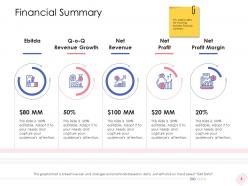
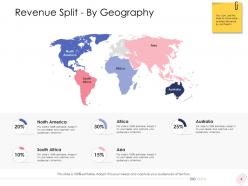
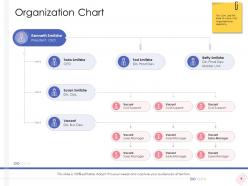
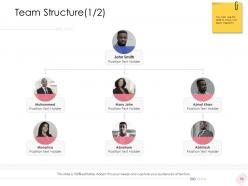
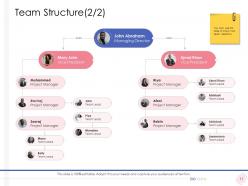
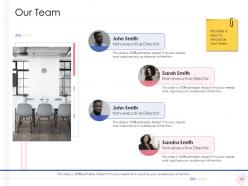
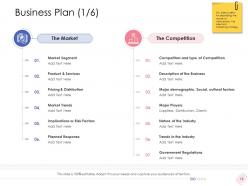
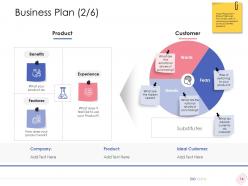
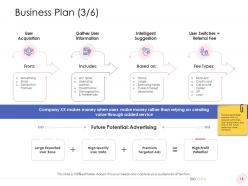
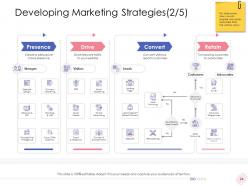
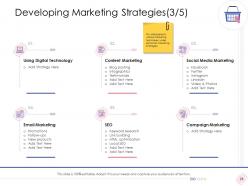
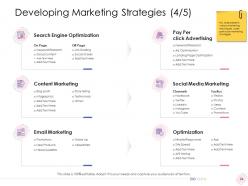
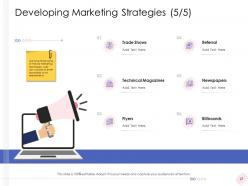
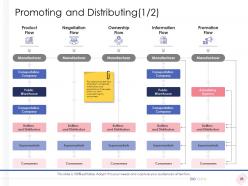
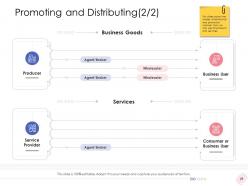
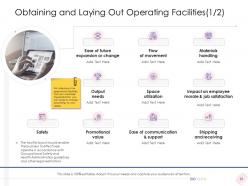
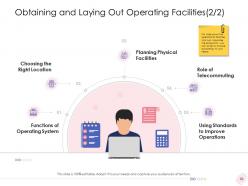
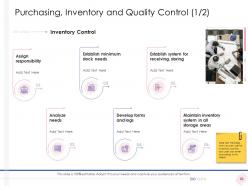
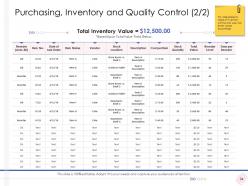
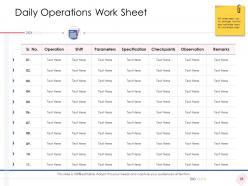
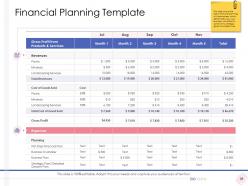
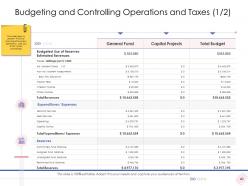
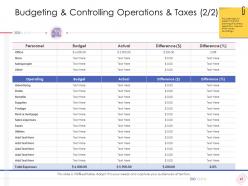
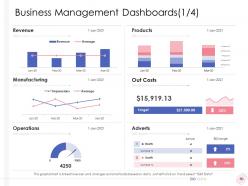
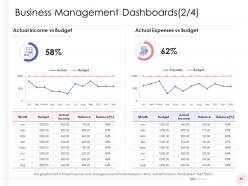
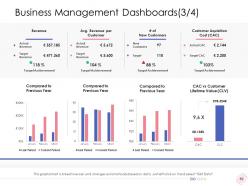
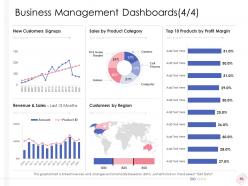
Get these Enterprise Management PowerPoint Presentation Slides to introduce your audience to give the financial highlights of the business. Showcase practical steps to plan and organize your business with the help of a company management PowerPoint slideshow. Depict the financial summary of the business, business revenue by continents, organization chart, team structure, and business plan using these PPT layouts. You can also present information on marketing strategies, promotion, and distribution with the help of these attention-grabbing PowerPoint themes. Discuss the steps that you can use for inventory control by utilizing the PPT slideshow. You can easily display and edit the table of inventory control with our thoroughly researched organization management PPT visuals. Highlight the operational facilities that can maximize production by using this enterprise management PowerPoint slide deck. Present financial planning of business operations using business management PPT visuals. Our PPT slide deck also provides a daily operations worksheet to arrange, control, and optimize your employees’ tasks.
People who downloaded this PowerPoint presentation also viewed the following :
Enterprise management powerpoint presentation slides with all 92 slides:
Use our Enterprise Management Powerpoint Presentation Slides to effectively help you save your valuable time. They are readymade to fit into any presentation structure.
FAQs for Enterprise management
Focus on strategic planning, resource allocation, risk management, and performance monitoring first. Communication and governance structure matter too, but honestly? Most companies mess up the monitoring part - they'll set all these goals then completely forget to track them. Your tech infrastructure and talent management are just as critical since they make everything else possible. I'd start by figuring out where you stand in each area right now. Then tackle whatever gaps are actually hurting your results the most. Don't try to fix everything at once though.
Honestly, tech integration is a game changer for cutting down on busy work. You'll get real-time updates on projects and team performance instead of drowning in spreadsheets - which, let's be real, nobody enjoys. The analytics side is probably my favorite part because you can actually see problems coming before they blow up. Cloud stuff makes remote collaboration way smoother too. My advice? Don't try to fix everything at once though. Pick your biggest headache first and find tools that target that specific mess. Way less overwhelming that way.
Honestly, data analytics is like having a crystal ball for your business decisions. Instead of just guessing what customers want, you'll actually know. It helps you catch problems before they blow up and spot opportunities your competitors are missing. The cool part? You can predict what's coming next instead of always playing catch-up. I'd say start with one burning question you have about your business - maybe why sales dipped last quarter or which customers are most likely to bail. Let the numbers tell the story and go from there.
Start with mixed project teams - grab people from different departments for one big initiative. That email chain nightmare? Skip it entirely. Get everyone on the same project management platform or shared dashboards, whatever doesn't make people want to scream. Here's the thing though - tie their bonuses to shared goals, not just department wins. Otherwise they'll still just worry about their own stuff. Try a pilot project first to see what actually works before rolling it out everywhere. Those weekly cross-team check-ins help too, but don't make them another pointless meeting.
Honestly, start with fixing your communication first - daily standups and weekly one-on-ones are clutch. Don't let people live in back-to-back Zoom calls though, that's just brutal. Use Slack or whatever for async stuff. Everyone needs crystal clear deadlines and responsibilities because confusion gets way worse remotely. Oh, and virtual team bonding isn't just corporate fluff - remote people actually feel isolated without it. I'd audit whatever tools you're using now and set expectations around response times. Like, email within 24 hours but Slack maybe faster? That kind of thing.
Startups are pure chaos - you're winging it constantly and everyone does like five different jobs. Decisions happen overnight. Corporate? Total opposite. There's a process for everything and you need approval from your manager's manager's manager just to breathe differently. Management style has to shift too. Startup mode means being scrappy and jumping in wherever. Corporate means you're working within systems that already exist (some good, some... questionable). Bottom line: read the room and adjust how you communicate. Oh and prepare for culture shock whichever direction you're moving!
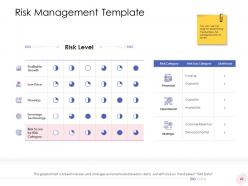
Start with interviewing your stakeholders and running some scenarios to spot potential risks. Map them out by how likely they are vs. how much damage they'd do. Then you can either avoid the risk completely, transfer it (insurance, outsourcing), accept it if it's minor, or reduce it with proper controls. Most companies totally blow off the monitoring piece though - big mistake. I'd set up monthly risk check-ins with leadership and create backup plans for your worst 5 risks. That's honestly where I'd focus first before getting fancy with anything else.
Honestly, cultural differences can make or break how you manage teams globally. Hierarchy expectations are all over the place - Germans want direct feedback while that same approach might come off as super rude in Japan. Some cultures will blow past deadlines to maintain relationships (annoying when you're chasing quarterly numbers, but whatever). Time orientation varies too. The thing is, you can't just copy-paste your management style everywhere. Takes some upfront work to figure out what actually works in each culture. Oh, and don't assume collaborative approaches work universally - some teams expect clear top-down direction.
Honestly, psychological safety is huge - people need to know they won't get roasted for bad ideas. Give teams actual time to mess around with stuff, not just "innovation" as an afterthought. Cross-functional sessions work great too. Listen to your frontline people though, they see the real problems daily while executives are stuck in meetings all day. Celebrate failures just as much as wins. Sounds cheesy but it actually works. Oh and don't go crazy with some massive program - start with small pilots first. You'll learn way more that way.
Look, leadership programs are actually game-changers for your management team. They build up the stuff that matters - strategic thinking, decision-making, how to talk to people without everyone wanting to quit. Better leaders mean your teams are more productive and stick around longer. Honestly, the best part? You won't have managers running to you every five minutes asking what to do. These programs also help you spot who's ready to move up, which is huge for planning ahead. I'd say start by figuring out where your current leaders are struggling most, then build training around those gaps.
Don't just stare at revenue all day - you need the full picture. Look at profit margins, cash flow, ROI first. Then add customer satisfaction, how many people are actually staying at your company, and operational stuff like how fast you're getting things done. Market share matters too, plus what's in your innovation pipeline. Most companies honestly screw this up because they're obsessed with hitting quarterly numbers. Oh and build a dashboard that shows everything together - it's way more useful than random spreadsheets everywhere. You'll get a much better sense of what's actually working.
Honestly, think of employee well-being as what actually makes people more efficient, not something that gets in the way. Flexible schedules and mental health support? Worth it because burnt-out people are basically useless productivity-wise. Give clear goals but let them figure out how to hit them. Check in regularly so you can spot stress before everything falls apart. Here's the thing though - you've got to track both performance numbers AND how engaged people feel. They're not opposites. Start by just asking your team what's driving them crazy day-to-day. I bet some of their biggest complaints are things you could fix pretty easily.
Look, stakeholder engagement literally makes or breaks projects - I've seen too many crash and burn without it. You need these people on your side from day one. Map out who actually has power and who gets screwed over by your decisions. Then talk to them regularly, like actually talk. Weekly check-ins work great. Here's the thing though - when stakeholders feel heard, they'll give you the real requirements instead of some BS they think sounds good. Start with your top 5 most important ones. Trust me, it's way easier than dealing with angry people later who feel blindsided.
Honestly? Don't try to reinvent the wheel here - grab something like Kotter's 8-step model and tweak it for your company. Leadership buy-in is absolutely critical, so nail that first. Create a coalition of influential people across departments early on. They'll be your champions when things get messy (and they will). Phase the rollout instead of doing everything at once. I'd start with a small pilot group, see what breaks, fix it, then expand. Track your adoption rates obsessively. Oh, and celebrate the small wins - people need to see it's actually working or they'll bail on you fast.
Honestly, the whole business landscape is shifting pretty fast right now. AI's gonna take over the boring stuff, which is great - means you can focus on the big picture decisions. Remote work isn't going anywhere, so figure out how to keep your team connected. Sustainability is becoming a real dealbreaker for customers and employees alike. Real-time data is replacing those sluggish monthly reports we all used to hate. But here's the thing - being flexible is probably your best bet. Companies that can pivot quickly are the ones surviving right now. Don't wait until you're scrambling to catch up.
-
Enough space for editing and adding your own content.
-
Innovative and Colorful designs.
-
Informative design.
-
Excellent products for quick understanding.
-
Innovative and Colorful designs.
-
Editable templates with innovative design and color combination.
-
Thanks for all your great templates they have saved me lots of time and accelerate my presentations. Great product, keep them up!