

Business controlling powerpoint presentation slides




Try Before you Buy Download Free Sample Product
 Impress Your
 Audience
 100%
100% Editable
 Save Hours
 of Time


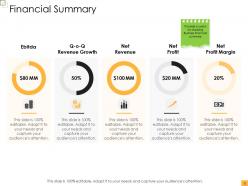
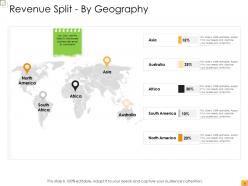
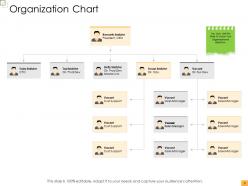
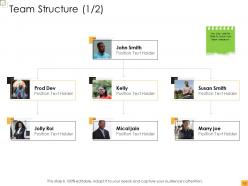
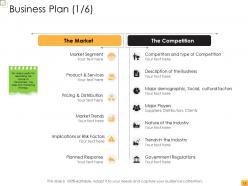
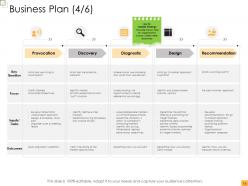
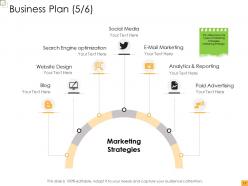
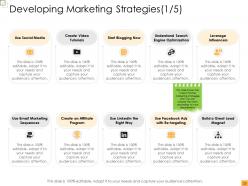
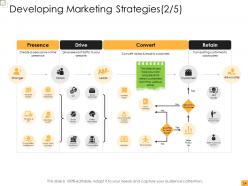
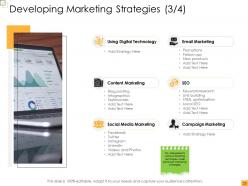
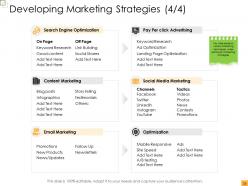
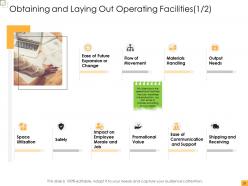
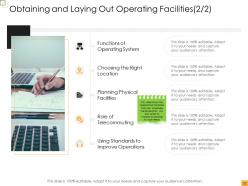
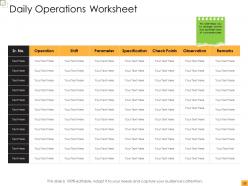
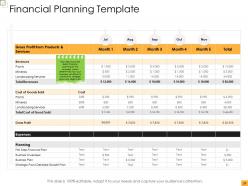
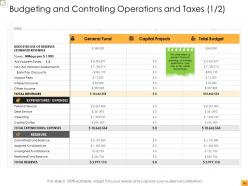
Select our Business Controlling PowerPoint Presentation Slides to oversee your business and financial operations. These management-controlling PPT templates will help you plan and organize your business activities in a systematic manner. Provide the financial summary of your company to gauge the attention of your audience through these business strategy PPT layouts. Team structure, organizational chart, and revenue split can be effectively illustrated with these finance controlling PPT slideshow. Provide the list of effective marketing platforms like social media, search engine optimization, email marketing, analytics, reporting, website, blog, and paid advertising by employing these performance monitoring PPT designs. With these managerial control PPT themes, you can showcase the plan of action for provocation, discovery, diagnostic, design, and recommendations. Pick this organizational control PPT presentation to identify the right target market for your products and services. Choose these businesses governing PPT graphics for obtaining and laying out operating facilities. Showcase the daily operations worksheet through this micromanaging PowerPoint slideshow. Without any further ado, click the download button!
People who downloaded this PowerPoint presentation also viewed the following :
Business controlling powerpoint presentation slides with all 91 slides:
Use our Business Controlling Powerpoint Presentation Slides to effectively help you save your valuable time. They are readymade to fit into any presentation structure.






FAQs for Business controlling
Ok so business controlling breaks down into four parts. You've got planning first - budgets, forecasts, all that stuff. Monitoring comes next where you're constantly checking if reality matches your plans (kinda tedious but whatever). Analysis is where it gets interesting - you dig into why things went sideways. Last one's steering, which is just fancy talk for fixing problems when they pop up. It's basically like having GPS for your company. Honestly though? Don't overthink it - nail down your planning and monitoring first, then worry about the rest.
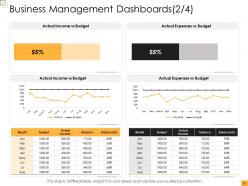
So controlling is way more about looking ahead than regular financial stuff. Financial management just tracks what already happened and watches cash flow. But controlling? You're planning and forecasting where you want the business to go. It's honestly like the difference between checking your rearview mirror and actually using GPS - totally different jobs. With controlling, you take that financial data and use it to decide your next moves instead of just recording old news. Oh, and definitely start doing variance reports - compare what actually happened vs your budget. That's basically controlling 101 right there.
Honestly, start with a decent ERP system - that's where your financial data actually lives. Excel's still clutch for quick analysis (yeah I said it, fight me). For dashboards and pretty charts, grab Power BI or Tableau. Budgeting software like Adaptive Insights makes planning way less miserable. CRM integration is solid for revenue forecasting too, though that can wait. My advice? ERP first, then one BI tool. Don't go crazy adding fancy analytics until you've got the foundation sorted - learned that one the hard way.
Honestly, you're sitting on gold as the numbers person who catches trends early. Half these executives are just winging it without solid controller insights - which is kinda terrifying when you think about it. Your analysis shows them what's actually profitable vs. what's bleeding money. Model different scenarios, evaluate ROI on investments, and definitely flag risks before they blow up. But here's the thing - don't just dump spreadsheets on people. Translate your data into clear business impact. Start showing up to more strategy meetings and speak up when the numbers contradict their assumptions.
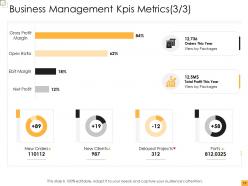
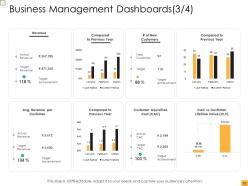
Honestly, I'd stick to the big four first: revenue growth, profit margins, cash flow, and ROI. Customer acquisition cost and lifetime value are clutch too - especially if you're in a competitive space. Don't chase vanity metrics that just look pretty on dashboards. Pick maybe 5-7 KPIs tops that actually connect to what you're trying to achieve. Track those religiously. I learned this the hard way when I was drowning in data but couldn't tell if we were actually winning or losing. Start with these basics, then add industry stuff later.
So business controlling is basically your financial reality check - it shows you what actually happened vs what you planned. You get variance analysis that explains why numbers went sideways, plus historical trends that make forecasting way less of a shot in the dark. Honestly, it's like having GPS for your budget instead of just winging it. The reports give you solid data patterns and KPIs before you dive into your next planning cycle. I'd definitely pull those controlling reports first - you'll catch stuff that should change your assumptions. Way better than the old "let's just increase everything by 5%" approach.
Dude, analytics has totally changed how we do controlling work. Your raw financial data actually means something now - you can catch trends and predict cash flow problems way before they hit. Variance analysis used to be such a pain, but with decent tools it's almost automatic. The coolest part? You can start with those big picture dashboards and then zoom into the nitty-gritty details instantly. Makes explaining weird numbers to your boss way less stressful. I'd say start by just automating your regular reports first. Once you get comfortable with that, you can move into the fancy predictive stuff later.
First thing - figure out which metrics actually connect to your big goals. Market expansion? Track customer acquisition costs and how each region's doing, not just boring financial ratios that sound good in meetings. The real magic happens when you build feedback loops. Your data needs to flow back into decisions fast. I'd set up monthly check-ins where you review strategy vs performance - honestly, most companies are terrible at this part. When the numbers show you're veering off track, you can pivot quickly instead of realizing six months later that you've been chasing the wrong stuff.
Ugh, data quality is probably your biggest headache right now. Everyone wants reports instantly but you're stuck cleaning up garbage from systems that barely work together. The compliance stuff keeps piling on too, which is fun. Finding decent people is a nightmare - honestly the job market is weird right now. Plus they want you doing strategic analysis instead of just the usual number crunching, but when? My take: automate whatever boring stuff you can first. Gives you breathing room for the actually important work. Focus there and you'll thank yourself later.
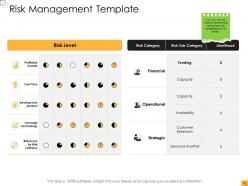
Your controlling systems are already collecting most of what you need for risk management - you just might not realize it yet. KPIs and budget variance reports? Those are basically early warning systems showing when stuff's going sideways. I'd start by looking at which metrics you're already tracking that could flag risks early. The forecasting piece is huge too since you can run "what if" scenarios before making big moves. Plus those regular reporting meetings actually force people to deal with problems instead of pretending they don't exist (which happens more than you'd think). Honestly, you're probably sitting on tons of useful risk data already.
Dude, you definitely need the basics down - Excel wizardry, financial modeling, accounting principles. Most places want a finance degree, CPA helps too. But honestly? The technical stuff everyone can learn. What actually makes controllers stand out is explaining financial mumbo jumbo to people who zone out at spreadsheets. Problem-solving skills are huge. You gotta be detail-obsessed but also think strategically about where the company's headed. Oh, and don't underestimate how much you'll be in meetings trying to translate numbers into English for executives. Master the technical side first, then work on those communication skills.
Dude, you gotta speak their language, not finance-speak. Executives? They want the bottom line. Department heads need stuff their teams can actually use. Operations people just want to know what's broken or working. Visuals are your friend - nobody wants to stare at spreadsheets during meetings (learned that the hard way). Always start with the "so what" before you dive into numbers. Like, what does this actually mean for them? Practice explaining complicated stuff simply. Know your audience first though - that's honestly most of the work right there.
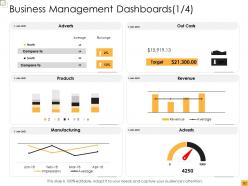
Having good controls basically gives you a clear picture of what's really going on vs what you thought would happen. You'll catch problems early - like when costs start spiraling or workflows get jammed up. Think of it as your business dashboard, I guess. Quick decisions become way easier when you have actual data on resource allocation and budgets. Your team stays more focused too since they know they're being tracked on key metrics. Honestly, just pick your top 3-5 numbers that matter most and check them weekly. The patterns you'll start seeing are pretty eye-opening.
Honestly, digital transformation flips business controlling on its head. Everything gets faster and way more automated. Instead of waiting forever for monthly reports, you get real-time dashboards that actually matter. AI catches patterns you'd totally miss otherwise - which is pretty cool when you think about it. The tricky part? You can easily get buried under all that data. But here's the game changer: you stop just reporting old news and start predicting what's next. That's when you can make moves before problems hit. I'd start with whatever manual stuff eats up most of your time.
Track the numbers first - variance analysis, budget vs actual, how fast you catch problems. But here's the thing: the soft metrics are huge too. Are people actually using your reports? Survey your stakeholders every few months to see if they find your stuff helpful. I'd honestly start small - pick 3-4 metrics that connect to your company's big goals and check them monthly. The real test isn't just accuracy, it's whether you're catching expensive issues early. If other departments ignore your recommendations, something's off with your approach.
-
Enough space for editing and adding your own content.
-
Designs have enough space to add content.
-
Innovative and Colorful designs.
-
Excellent products for quick understanding.
-
I discovered this website through a google search, the services matched my needs perfectly and the pricing was very reasonable. I was thrilled with the product and the customer service. I will definitely use their slides again for my presentations and recommend them to other colleagues.
-
Nice and innovative design.
-
Editable templates with innovative design and color combination.