


Business Manual Powerpoint Presentation Slides




Try Before you Buy Download Free Sample Product
 Impress Your
 Audience
 100%
100% Editable
 Save Hours
 of Time


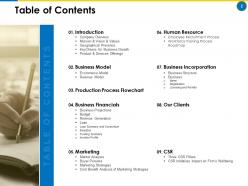
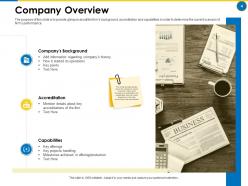
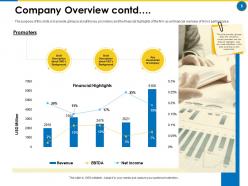
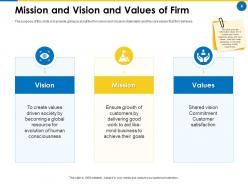
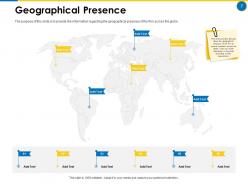
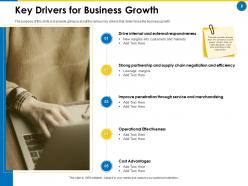
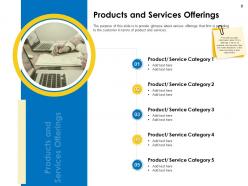
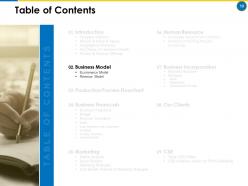
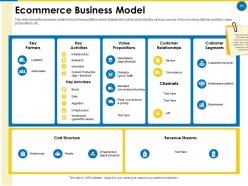
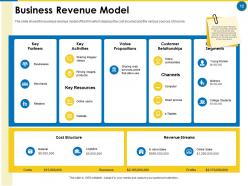
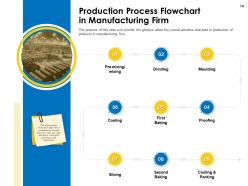
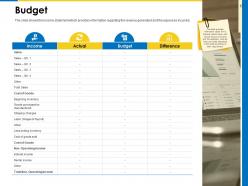
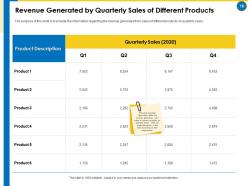
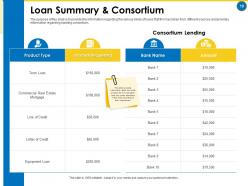
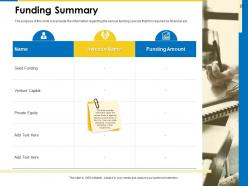
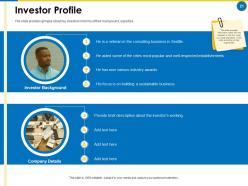
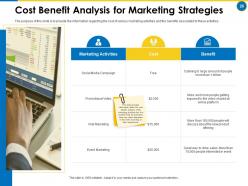
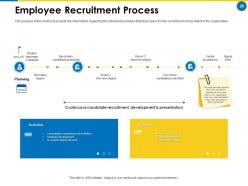
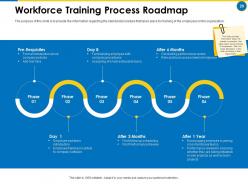
Introducing Business Manual PowerPoint Presentation Slides. The presentation discusses the company overview with background information, accreditation, and capabilities. Present the highlights of a financial overview of the firm and its vision with the help of our ready-to-use operational manual PPT theme. Provide information regarding the geographical presence of the firm across the globe by using these readily available PPT templates. Highlight the critical drivers for business growth with the help of visually appealing documented process PowerPoint infographics. Provide information about the products and services of the company by employing our modern-designed PPT templates. Describe in detail the business model and revenue model with the help of the business process manual PPT layouts. Display the production process flow chart of the manufacturing firm with the use of a content-ready PPT visual. The slides allow to discuss the business projection, budget, revenue generation, loan, loan summary, and investor profile in an engaging manner.
People who downloaded this PowerPoint presentation also viewed the following :
Business Manual Powerpoint Presentation Slides with all 51 slides:
Use our Business Manual Powerpoint Presentation Slides to effectively help you save your valuable time. They are readymade to fit into any presentation structure.











FAQs for Business Manual
Essential business manual components include company policies, operational procedures, employee guidelines, organizational structure, communication protocols, and compliance requirements. These elements streamline onboarding, ensure consistency across departments, and minimize operational confusion, with many organizations finding that comprehensive manuals reduce training time, enhance productivity, and ultimately deliver standardized service quality and improved employee performance.
A business manual enhances operational efficiency by standardizing processes, reducing training time, minimizing errors, and ensuring consistent service delivery across all departments. Through documented procedures and clear guidelines, organizations streamline workflows, accelerate employee onboarding, and maintain quality standards, ultimately delivering faster operations and improved customer experiences while reducing operational costs.
**INPUT**: What strategies can be used to keep a business manual updated? **OUTPUT**: Effective strategies include establishing regular review cycles, assigning dedicated ownership to departments, implementing version control systems, creating feedback mechanisms from users, and integrating updates with process changes. These approaches streamline maintenance by automating notifications, centralizing responsibilities, and capturing real-time insights, with many organizations finding that quarterly reviews and digital platforms ultimately deliver current documentation and enhanced operational efficiency. [Word count: 60 words]
Visuals in business manuals enhance user engagement by simplifying complex information, reducing cognitive load, and improving information retention through diagrams, flowcharts, and infographics. These visual elements streamline comprehension across diverse learning styles, with many organizations finding that well-designed manuals reduce training time, minimize errors, and ultimately deliver faster employee onboarding and improved operational efficiency.
A business manual serves as the foundational resource for new employee onboarding, providing comprehensive information about company policies, procedures, role expectations, organizational structure, and cultural values. It streamlines the integration process by delivering consistent training materials, reducing supervisor time investment, and ensuring uniform understanding across departments, ultimately enabling faster productivity and stronger employee confidence in their new roles.
Businesses can tailor their manuals by customizing content for each department's specific workflows, responsibilities, terminology, and compliance requirements, while maintaining consistent branding and core policies. This targeted approach streamlines training processes, reduces confusion, and enhances operational efficiency, with many organizations finding that department-specific manuals significantly improve employee performance and regulatory compliance across diverse functional areas.
Business manuals should include employment law compliance, intellectual property protections, data privacy regulations, safety requirements, and industry-specific legal obligations. These considerations help organizations minimize legal risks while ensuring regulatory compliance, with many companies finding that comprehensive legal frameworks streamline operations, protect valuable assets, and ultimately deliver greater operational confidence and reduced liability exposure.
Technology enables digital business manual distribution through cloud-based platforms, mobile applications, content management systems, version control software, and automated update mechanisms. These solutions streamline accessibility by providing real-time synchronization, role-based access controls, and interactive features, with many organizations finding that employees access information faster, training costs decrease significantly, and compliance tracking becomes seamlessly automated.
Common pitfalls include overly complex language, outdated information, lack of visual aids, poor organization, and insufficient employee input during development. These issues can be avoided by using clear terminology, establishing regular review schedules, and incorporating feedback from actual users, ultimately delivering manuals that enhance operational efficiency and employee productivity across organizations.
Business manuals should be reviewed annually at minimum, with revisions triggered by regulatory changes, process updates, technology implementations, organizational restructuring, and performance gaps. Many organizations find that quarterly reviews enhance operational efficiency, ensure compliance consistency, and maintain competitive advantage, while industries like healthcare, finance, and manufacturing often require more frequent updates to address evolving standards and strategic objectives.
Training methods for business manuals include interactive workshops, digital learning modules, mentorship programs, hands-on simulations, and regular assessment sessions. These approaches enhance comprehension by combining visual learning, practical application, and peer collaboration, with many organizations finding that blended training strategies ultimately deliver faster onboarding, improved compliance, and stronger operational consistency.
A well-structured business manual improves customer service by standardizing response procedures, establishing quality benchmarks, streamlining complaint resolution processes, and ensuring consistent communication across all touchpoints. These frameworks enable service teams to deliver faster resolution times, maintain brand consistency, and enhance customer experiences, with many organizations finding that structured protocols significantly reduce response times while improving satisfaction scores.
Employee feedback can be incorporated through regular surveys, focus groups, suggestion systems, and structured review sessions that identify gaps, unclear procedures, and practical implementation challenges. By establishing formal feedback channels and quarterly review cycles, organizations streamline manual updates, enhance user adoption, and ensure procedures remain relevant and actionable, ultimately delivering improved operational efficiency and employee satisfaction.
A business manual significantly shapes organizational culture by establishing consistent values, standardizing communication practices, defining behavioral expectations, and creating shared operational frameworks. Through documented processes and clear guidelines, organizations streamline onboarding experiences, enhance team alignment, and reinforce cultural norms, with many companies finding that comprehensive manuals ultimately deliver stronger employee engagement and sustained cultural cohesion.
A business manual facilitates regulatory compliance by establishing standardized procedures, documenting required protocols, creating audit trails, and ensuring consistent employee training across all operations. Through comprehensive policy documentation and regular updates, organizations streamline compliance monitoring, reduce violation risks, and maintain transparency during regulatory inspections, ultimately delivering operational confidence and competitive advantage in increasingly regulated business environments.
-
Easy to edit slides with easy to understand instructions.
-
Editable templates with innovative design and color combination.
-
Informative presentations that are easily editable.
-
Much better than the original! Thanks for the quick turnaround.
-
Excellent Designs.
-
Out of the box and creative design.
-
Designs have enough space to add content.
-
Understandable and informative presentation.