


Business handbook powerpoint presentation slides




Try Before you Buy Download Free Sample Product
 Impress Your
 Audience
 100%
100% Editable
 Save Hours
 of Time


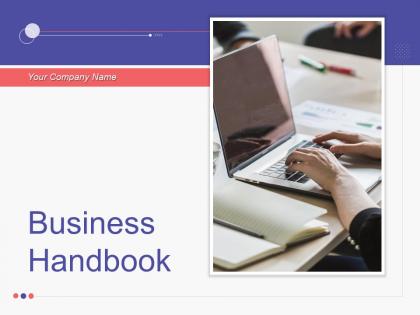
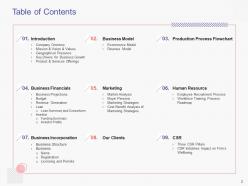
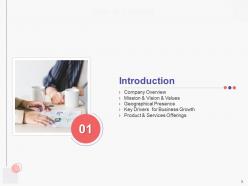
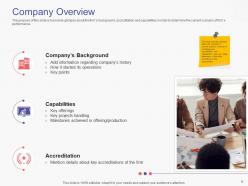
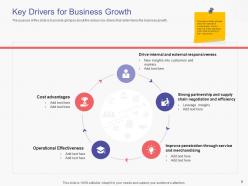
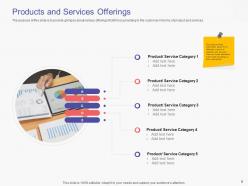
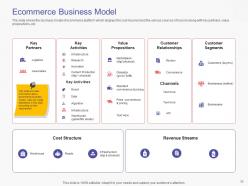
Acquaint the entire workforce with your company’s vision, mission, and core values by employing this Business Handbook PowerPoint Presentation Slides. Utilize our business overview PPT templates to provide a detailed overview of the company policies, procedures, guidelines, norms, and regulations in a well-structured format. Help the employees align their interests with the organization’s interests by using this company handbook PPT slides to showcase the business operational model. Take advantage of this instruction manual PPT slideshow to provide a glimpse of your company’s products and services offerings. Elaborate on the key drivers for business growth, including internal and external responsiveness, cost advantages, operational effectiveness, and strong partnerships through this organizational strategy PPT presentation. Showcase the electronic commerce model for your business by taking the aid of these company guidebook PowerPoint visuals. Additional slides provided at the end cater to all your unique needs and gives your presentation an attractive outlook. Download this strategic management PPT deck and impress your audience with a winning presentation.
People who downloaded this PowerPoint presentation also viewed the following :
Business handbook powerpoint presentation slides with all 53 slides:
Use our Business Handbook Powerpoint Presentation Slides to effectively help you save your valuable time. They are readymade to fit into any presentation structure.


















FAQs for Business handbook
Essential business handbook components include company policies, employee benefits, code of conduct, organizational structure, communication protocols, performance expectations, and compliance guidelines. These elements work together by establishing clear expectations, streamlining onboarding processes, and ensuring consistent workplace standards, with many organizations finding that comprehensive handbooks reduce HR inquiries while enhancing employee engagement and regulatory compliance.
A business handbook improves onboarding by providing standardized procedures, company policies, role expectations, cultural guidelines, and compliance requirements in one accessible resource. This streamlines training processes by enabling consistent information delivery, reducing supervisor workload, and accelerating new hire integration, with many organizations finding that structured handbooks decrease onboarding time while improving employee retention and performance consistency.
A business handbook reinforces company culture by clearly communicating core values, behavioral expectations, ethical standards, and organizational principles to all employees. This strategic document ensures consistent cultural messaging across departments, helps new hires understand workplace norms, and provides leadership with standardized guidelines for promoting desired behaviors, ultimately strengthening organizational identity and employee alignment.
Business handbooks should be updated annually at minimum, with immediate revisions for regulatory changes, policy updates, or significant organizational shifts. Many companies implement quarterly reviews to address evolving workplace trends, technology changes, and employee feedback, ultimately ensuring compliance and maintaining clear communication standards that support operational efficiency.
**INPUT**: What are the best practices for formatting and designing a business handbook for accessibility? **OUTPUT**: Best practices include using clear headings with proper hierarchy, high-contrast color schemes, readable fonts like Arial or Calibri, alt text for images, and consistent navigation structures. These design elements streamline comprehension by accommodating diverse learning styles, visual impairments, and cognitive preferences, with many organizations finding that accessible handbooks ultimately enhance employee engagement and reduce training time across all staff levels. [Word count: 60]
A business handbook addresses diversity and inclusion through comprehensive policies on hiring practices, anti-discrimination protocols, cultural awareness training, and inclusive communication standards. These guidelines streamline implementation by establishing clear expectations, reporting mechanisms, and accountability measures, with many organizations finding that structured handbook frameworks enhance team collaboration, reduce workplace conflicts, and ultimately deliver stronger employee engagement and competitive talent acquisition advantages.
Legal considerations for business handbooks include employment law compliance, anti-discrimination policies, wage and hour regulations, workplace safety requirements, and data privacy protections. These guidelines help organizations minimize legal risks while establishing clear expectations, with many companies finding that comprehensive handbooks streamline HR processes, reduce disputes, and ultimately deliver stronger legal protection and operational consistency.
A business handbook guides remote work understanding by clearly outlining eligibility criteria, communication protocols, performance expectations, technology requirements, and security guidelines. Through comprehensive policies, organizations streamline remote operations while ensuring compliance and consistency, with many companies finding that detailed handbooks reduce confusion, enhance productivity, and maintain corporate culture across distributed teams.
**INPUT**: What strategies can be used to ensure that all employees actually read and understand the business handbook? **OUTPUT**: Effective strategies include interactive digital formats, mandatory acknowledgment systems, department-specific training sessions, regular assessments, and integration with onboarding processes. These approaches streamline comprehension by breaking complex policies into digestible modules, tracking engagement through analytics, and reinforcing key concepts through practical scenarios, with many organizations finding that gamified learning platforms and periodic refresher courses ultimately deliver higher retention rates and consistent policy adherence across teams. **Word count: 60 words**
A business handbook helps resolve conflicts by establishing clear policies, standardized procedures, and transparent communication channels that employees can reference during disputes. Through consistent guidelines for grievance handling, performance expectations, and behavioral standards, organizations streamline conflict resolution processes, reduce workplace tensions, and promote collaborative environments, ultimately delivering improved employee satisfaction and operational efficiency.
Technology enhances business handbook distribution and usability through cloud-based platforms, mobile applications, interactive multimedia content, real-time updates, and advanced search functionality. These digital solutions streamline access by enabling instant updates, personalized content delivery, and seamless integration across devices, with many organizations finding that employees engage more effectively with interactive formats, ultimately delivering improved compliance and faster onboarding processes.
Common pitfalls include creating overly complex language, failing to update content regularly, lacking clear organization, ignoring employee input, and making policies too rigid or vague. These issues can undermine handbook effectiveness by creating confusion, reducing compliance, and limiting practical application, with many organizations finding that streamlined, regularly updated handbooks enhance employee understanding and operational consistency.
Employee feedback can be incorporated through regular surveys, focus groups, exit interviews, suggestion boxes, and open forums with management. These mechanisms enable organizations to identify outdated policies, address workplace concerns, and enhance operational clarity, with many companies finding that employee-driven revisions ultimately deliver improved compliance, stronger engagement, and more effective organizational alignment.
Industry-specific business handbooks should include regulatory compliance requirements, sector-specific operational procedures, industry terminology and standards, specialized safety protocols, and relevant market dynamics. These tailored elements enhance employee onboarding and operational efficiency, with sectors like healthcare focusing on HIPAA compliance while manufacturing emphasizes safety standards, ultimately delivering targeted guidance that accelerates workforce productivity.
A well-crafted business handbook contributes to risk management and compliance by establishing clear policies, standardizing procedures, and documenting regulatory requirements that employees must follow. Through comprehensive guidelines, organizations minimize legal exposure, ensure consistent decision-making, and maintain audit trails, with many companies finding that structured handbooks significantly reduce operational risks while enhancing regulatory adherence.
-
Graphics are very appealing to eyes.
-
Presentation Design is very nice, good work with the content as well.
-
Unique design & color.
-
Design layout is very impressive.
-
Excellent Designs.
-
Excellent Designs.
-
Very unique, user-friendly presentation interface.