


Business proposal powerpoint presentation slides





Try Before you Buy Download Free Sample Product
 Impress Your
 Audience
 100%
100% Editable
 Save Hours
 of Time


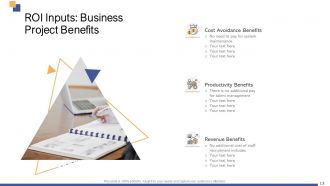
Requests for business proposals are one of the most effective ways to generate and convert leads. It does the job tremendously well when it comes to sales optimization. However, preparing a business proposition requires skill, effort, and experience. Documenting the right things in the right proportion is the secret to a responsive proposal. As professional PowerPoint template innovators, SlideTeam has designed 1M+ templates. Our latest addition will satisfy the responsive business proposal needs of entrepreneurs across all domains. Whether solicited or unsolicited, you can use these business Proposal Powerpoint Presentation Slides to convert every opportunity. All the templates in this deck are designed in alignment with the industry specifics. Research experts gather the data featured in our PPT slideshow. It is then passed on to the designers, who use state-of-the-art tools to organize the content in a visually gripping manner. The cover letter included in this PowerPoint layout will present the whole project in a nutshell. Present a crisp executive summary by highlighting your services/products, business vision, and value proposition. Our business offer PPT format gives to access to infographic-style slides. Further, showcase the background of the business project. Present the problem statement and solution for the commercial business proposal. With the help of a labeled diagram represent the time duration of each business project activity. Utilize the tabular layout to illustrate the cost estimate for business activity. Elucidate the business project benefits like cost avoidance, productivity, and revenue. Familiarize your clients with your organization. Introduce your team for the project, along with their roles and responsibilities. Maintain business transparency by showcasing all the terms and conditions. This includes initial setup, monthly fee, cancellation, and more. Communicate the forthcoming steps involved in successfully delivering the project. You can brief about the budget approval, fund posting, and project plan finalization. So, hit the download icon to begin instant personalization.
People who downloaded this PowerPoint presentation also viewed the following :
Content of this Powerpoint Presentation
Slide 1: This slide introduces Business Proposal. State Company name, Client name, Submission date and begin.
Slide 2: This slide displays Cover Letter for Business Proposal.
Slide 3: This slide displays Table of Content.
Slide 4: This slide describes Executive Summary for Business Proposal. Use this slide to present business case to the decision makers, showing essential information.
Slide 5: This slide showcases Background of Business Project
Slide 6: This slide depicts Problem Statement for Business Proposal.
Slide 7: This slide shows Solution for Commercial Business Proposal.
Slide 8: This slide shows Time Duration of Each Business Project Activity.
Slide 9: This slide showcases Time Duration of Each Business Project Activity.
Slide 10: This slide depicts Time Duration of Each Business Project Activity.
Slide 11: This slide showcases Cost Estimate for Business Activity. List down the steps of process that will solve the issues presents in the proposal
Slide 12: This slide showcases Cost Estimate for Business Activity.
Slide 13: This slide depicts ROI Inputs: Business Project Benefits.
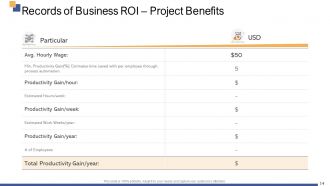
Slide 14: This slide shows Records of Business ROI – Project Benefits.
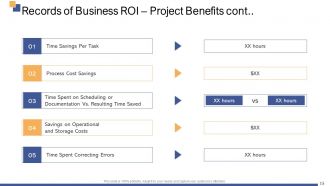
Slide 15: This slide is continued with Records of Business ROI – Project Benefits.
Slide 16: This is About us slide with Company history and background.
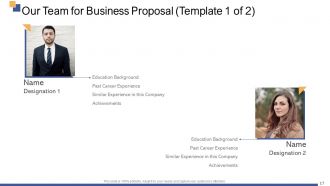
Slide 17: This is Our Team slide with Names and Designations.
Slide 18: This is Our Team slide with Names and Designations.
Slide 19: This slide shows Client testimonials.
Slide 20: This slide displays Contract and Terms for Business Proposal.
Slide 21: This slide shows Next Step for Business Proposal. Once the budget get approved, then our project team will start process them in fund management and assigned the workflow processors for budget posting
Slide 22: This is Contact us slide with Address, Email address and Contact number.
Slide 23: This is Icons Slide for Business Proposal.
Slide 24: This slide is titled as Additional Slides for moving forward.
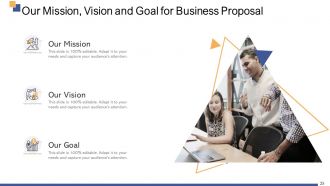
Slide 25: This is Our Mission, Vision and Goal slide.
Slide 26: This is 30 60 90 Day Plan slide.
Slide 27: This slide showcases Timeline for Business Proposal.
Slide 28: This slide Roadmap processs.
Slide 29: This slide showcases Roadmap process.
Slide 30: This slide shows 5 step Roadmap process.
Slide 31: This slide 6 step showcases Roadmap process.
Slide 32: This slide showcases Roadmap process.
Business proposal powerpoint presentation slides with all 32 slides:
Have great fun with our Business Proposal Powerpoint Presentation Slides. You will feel like grooving away.
-
Business Proposal
-
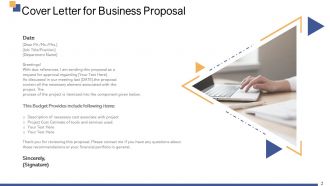
Cover Letter for Business Proposal
-
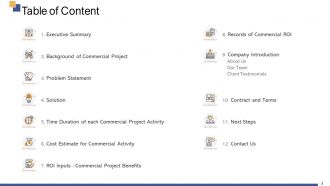
Table of Content
-

Executive Summary for Business Proposal
-
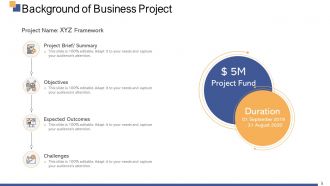
Background of Business Project
-
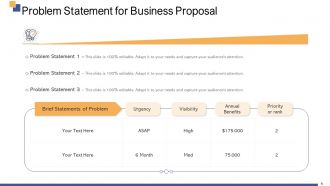
Problem Statement for Business Proposal
-
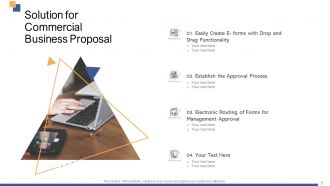
Solution for Commercial Business Proposal
-
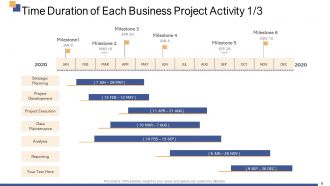
Time Duration of Each Business Project Activity 1 3
-
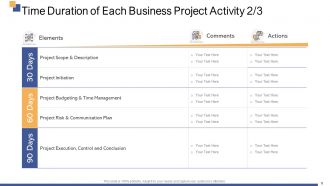
Time Duration of Each Business Project Activity 2 3
-
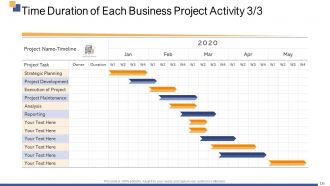
Time Duration of Each Business Project Activity 3 3
-
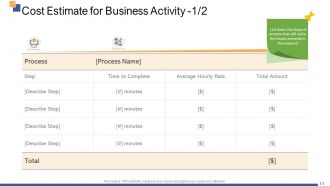
Cost Estimate for Business Activity 1 2
-
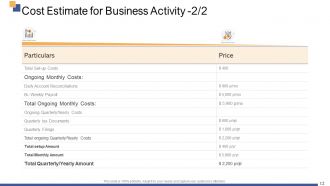
Cost Estimate for Business Activity 2 2
-
ROI Inputs Business Project Benefits
-
Records of Business ROI Project Benefits
-
Records of Business ROI Project Benefits cont
-

About our Business Proposal
-
Our Team for Business Proposal Template 1 of 2
-
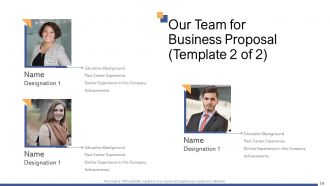
Our Team for Business Proposal Template 2 of 2
-

Client Testimonials for Business Proposal
-
Contract and Terms for Business Proposal
-
Next Step for Business Proposal
-
Contact us for Business Proposal
-
Icons Slide for Business Proposal
-
Additional Slides
-
Our Mission Vision and Goal for Business Proposal
-
30 60 90 Day Plan for Business Proposal
-
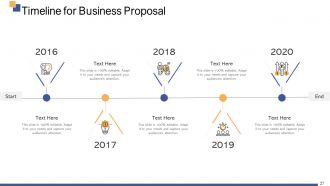
Timeline for Business Proposal
-
Roadmap for Business Proposal Template 3
-
Roadmap for Business Proposal Template 4
-
Roadmap for Business Proposal Template 5
-
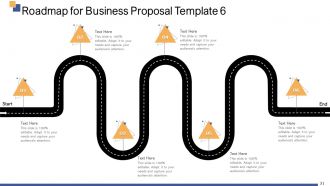
Roadmap for Business Proposal Template 6
-
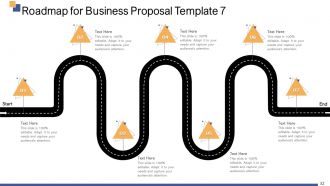
Roadmap for Business Proposal Template 7
FAQs for Business proposal
Okay so there are six things you absolutely can't skip: executive summary, problem statement, your solution, timeline, budget, and why you're qualified. The exec summary is make-or-break territory - seriously, most people bomb it right there. After that, spell out what problem you're fixing, then walk through your actual solution with specific deliverables. Timeline and costs need to be realistic (don't lowball yourself). Oh, and prove you're not just some random person they found online. Make it stupid easy for them to say yes, and keep everything focused on what THEY get out of it, not how amazing you think you are.
Okay so here's what actually works - do your homework first. Check their website, recent news, whatever problems they've been complaining about online. Then write your proposal using *their* language about their challenges. Honestly, those "Dear Sir/Madam" templates make me want to scream! You need to speak their industry's language and reference their real goals. Skip the buzzword dump. The whole first paragraph should prove you actually understand their business before you even mention what you do. It's about showing you get their specific mess, not just selling your usual stuff.
Dude, you absolutely NEED market research before writing any business proposal. It's what separates the pros from people who just wing it and crash. Start with industry reports and customer surveys - that stuff gives you real data about your target market and what problems they actually face. Plus you'll scope out competitors properly. Honestly, clients can tell immediately when someone hasn't done their homework. The research helps you write messaging that hits different and backs up everything with facts instead of just hoping for the best. Don't skip this step, seriously.
Look, presentation matters way more than people think. A messy proposal screams "this person can't handle details" before they even read your brilliant idea. I've literally watched solid concepts get tossed because the formatting was trash. Clean headings and bullet points are your friend here - makes everything scannable. White space is clutch too. Keep your fonts consistent (I know, sounds boring but trust me). The content might be fire, but if it looks like you threw it together last minute? Good luck getting a yes. Polish counts.
Stop making it about you and start with their actual problems - that's what separates winners from losers. I've seen way too many proposals that read like fancy brochures (instant trash). Tell a story instead: here's your problem, here's how I'll fix it, here's proof it worked for someone else. Real numbers beat fluffy promises every time. Break it up with bullets and headers because these people are drowning in stuff to read. Oh, and don't forget the obvious part - tell them exactly what happens next and when. Give them a clear path forward or they'll just sit on it forever.
Start with their pain point, then boom - hit them with your solution and actual numbers. Don't bury the lead or make them guess why they should care. Like instead of "we're industry-leading blah blah," just say "this cuts your processing time by 40% and saves you $50K a year." Way better, right? Numbers are everything here - cost savings, time saved, revenue bumps, whatever applies. Honestly, most people write these things backwards. They lead with features when they should lead with problems. Skip the fluffy buzzwords. Make it concrete and all about them.
Honestly, most people mess up by being super vague about deliverables and hiding their pricing. Put that stuff upfront! Clients don't want to dig through fluff paragraphs to find the actual value. Generic copy-paste templates are the worst - I cringe every time I see one. You've got to address their specific problems, not just ramble about what your company can do. Oh, and timelines matter way more than people think. Always end with clear next steps so they know exactly what happens when they're ready to move forward.
Break your project into phases first, then work backwards from the deadline. Always add buffer time to each phase because honestly, I've never seen a project finish on schedule. Ask around - see how long similar stuff took other people on your team. Don't oversell your team's bandwidth either, that'll bite you later. Factor in client feedback rounds (they always want changes), revisions, and waiting on outside vendors. Oh and here's something that's saved me - give clients 2-3 timeline options in your proposal. Let them pick based on budget and how rushed they are.
Charts are huge - market trends, ROI timelines, that stuff really moves decision makers. Customer testimonials hit different too, especially from big names people recognize. I've literally watched proposals get the green light just from one solid before/after visual or an infographic that nailed the problem. Oh, and don't go overboard with data - maybe 3-4 strong visuals max that actually back up your points. Quick heads up though: double-check everything looks good on mobile. Half these people will be scrolling through it during their commute or whatever.
So here's what works: create a whole section that tackles the obvious objections head-on. Your audience is already thinking about the downsides anyway - cost, timing, whether you have enough people to pull this off. Beat them to it. Put this right after your main pitch and just be real about it. Don't sugarcoat or dance around the problems. Hit each concern with actual data or concrete solutions. Honestly, being upfront about challenges builds way more credibility than acting like everything's gonna be smooth sailing. People can smell BS from a mile away.
Honestly, your exec summary is where you either win or lose the whole thing. Most decision-makers? They'll skim everything else but actually read this part. So you've gotta nail it right away - problem, solution, benefits, and what it'll cost. I always write mine last even though it goes first (weird but trust me on this). Think movie trailer vibes but for spreadsheets and boring business stuff. If you can't get them hooked in those first couple pages, doesn't matter how brilliant your 20-page deep dive is. They're already mentally checked out.
Just put your budget right up front, honestly. Break it down so they can see everything - labor, materials, overhead, the whole deal. I always toss in 10-15% extra because something will definitely go wrong. Learned that the hard way! Connect each cost to what they're actually getting out of it. Why does this expense help them reach their goal? Payment terms and timeline matter too. The whole point is being super transparent while showing you've actually calculated this stuff instead of just guessing.
Hit them up within a week, then every 3-5 days after. First email should be simple - just checking in. After that, actually add something useful like case studies or industry stuff they'd care about. Honestly, calling works way better than email but I get it if that feels weird. The "breakup email" trick is gold though - tell them you'll stop bugging them unless they respond. Creates urgency and usually gets an answer. I'd stop after 3-4 attempts if they ghost you. Oh, and definitely use your CRM reminders or you'll totally forget who you contacted when.
Definitely throw some testimonials and case studies into your proposal - they're credibility gold. I'd drop a killer quote right after your executive summary to hook them, then scatter relevant case studies throughout where they actually support your solutions. Honestly, there's nothing better than finding the perfect client story that matches what your prospect needs! Numbers are your friend here - "boosted sales 40%" sounds way more impressive than vague stuff like "improved things." Keep testimonials snappy but give case studies more meat. Oh, and get permission first (learned that one the hard way). Lead with your strongest win.
Definitely get everyone's roles and deadlines sorted from the start - seriously saves your sanity later. Set up a shared doc for real-time collaboration and do regular check-ins so things don't stall out. Don't let people disappear into their own sections though. Having others review your work catches stuff you'll totally miss. Oh and pick one person to do final editing so it doesn't sound like five different people wrote it. Group chat for quick questions is clutch too - way better than digging through email threads.
-
So good website for PowerPoint slide please for visit this website
-
good service and i want this templete