


Business Consulting Proposal Powerpoint Presentation Slides





Try Before you Buy Download Free Sample Product
 Impress Your
 Audience
 100%
100% Editable
 Save Hours
 of Time


Our Business Consulting Proposal Powerpoint Presentation Slides are topically designed to provide an attractive backdrop to any subject. Use them to look like a presentation pro.
People who downloaded this PowerPoint presentation also viewed the following :
Business Consulting Proposal Powerpoint Presentation Slides with all 26 slides:
Use our Business Consulting Proposal Powerpoint Presentation Slides to effectively help you save your valuable time. They are readymade to fit into any presentation structure.
-
Business Consulting Proposal
-
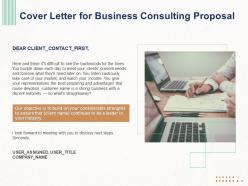
Cover Letter for Business Consulting Proposal
-
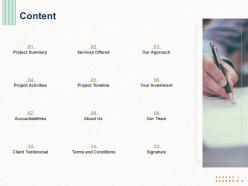
Content
-
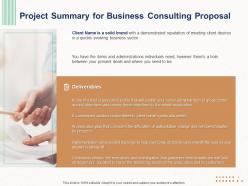
Project Summary for Business Consulting Proposal
-
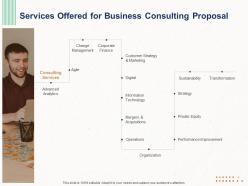
Services Offered for Business Consulting Proposal
-
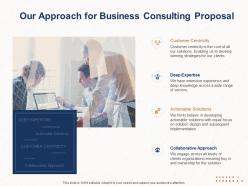
Our Approach for Business Consulting Proposal
-
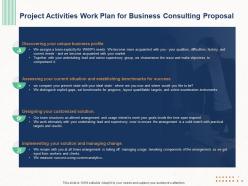
Project Activities Work Plan for Business Consulting Proposal
-
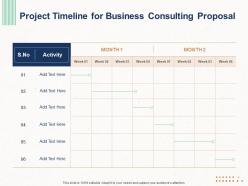
Project Timeline for Business Consulting Proposal
-
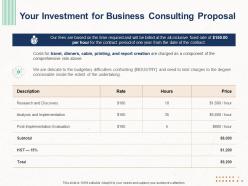
Your Investment for Business Consulting Proposal
-
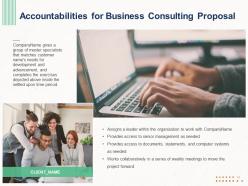
Accountabilities for Business Consulting Proposal
-
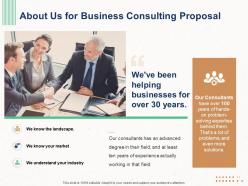
About Us for Business Consulting Proposal
-
Valued Clients for Business Consulting Proposal
-
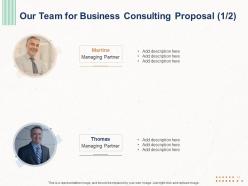
Our Team for Business Consulting Proposal 1 2
-
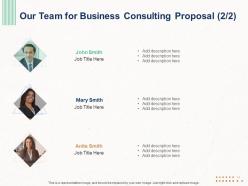
Our Team for Business Consulting Proposal 2 2
-
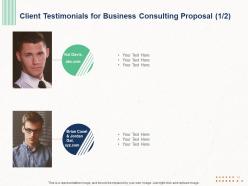
Client Testimonials for Business Consulting Proposal 1 2
-
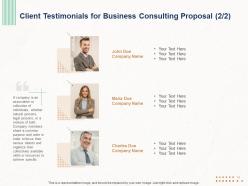
Client Testimonials for Business Consulting Proposal 2 2
-

Terms and Conditions for Business Consulting Proposal 1 2
-
Signature for Business Consulting Proposal
-
Contact Details for Business Consulting Proposal
-
Business Consulting Proposal for Icons Slide
-

Additional Slides
-
Our Mission
-
About Us
-
30 60 90 Days Plan
-
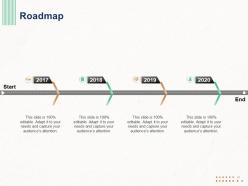
Roadmap
-
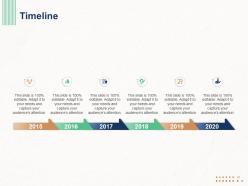
Timeline
FAQs for Business Consulting Proposal
Focus on these five things: nail their exact problem (show you really get their pain), explain your process without giving everything away, list what they'll actually get with deadlines, and be upfront about costs. Case studies are clutch too - people want proof it works. Honestly, the methodology part matters most because that's where you show you know your stuff. Everything should tie back to what they're trying to achieve, not just what sounds impressive to you. I'd start with their biggest headache and build the whole proposal around fixing that specific thing.
Do your homework first - dig into industry reports, recent news, whatever regulatory mess they're dealing with. Talk their language back to them. Healthcare? Say "patient outcomes" not "customer satisfaction." Show them you actually get their world exists outside your consulting bubble. Drop in specific trends or compliance headaches they're facing. Case studies from similar companies are gold if you've got them. Half the time they just want to hear "finally, someone who understands our business" instead of feeling like you're pushing some cookie-cutter solution on them.
Dude, you absolutely need to research before writing proposals - I'm telling you this because I face-planted on so many early pitches it wasn't even funny. Spend like 30 minutes digging through their website, recent news, maybe some industry reports. This stuff helps you actually speak their language instead of sounding like every other generic pitch they get. You'll understand what's keeping them up at night, what their competitors are doing, all that good stuff. Honestly, even basic research makes you sound way more credible when you can drop actual industry trends or reference their specific challenges. It's the difference between landing the gig and getting ignored.
Honestly, sprinkle case studies throughout your proposal - but make them actually relevant. If they're dealing with high turnover, don't just mention any client success. Show how you cut another company's turnover by 30%. That hits different. Skip the generic "pleasure to work with" testimonials though. Those are useless. Get specific outcome stories instead. Drop these examples right where you're making your biggest promises about results. Oh, and don't just name-drop fancy clients if their situation doesn't match - it'll feel like you're trying too hard.
Dude, the worst thing you can do is be vague about what you're delivering and when. Clients absolutely hate not knowing what to expect. Also, don't just copy-paste some template - they'll see right through that garbage. You're probably underselling yourself too, which drives me crazy. Address their actual problems instead of rattling off every service under the sun. Always put your pricing right there in black and white, none of this "let's chat about costs" BS. Show them you actually get their industry. Make it brain-dead simple for them to just say yes.
Definitely go with value tiers instead of hourly rates - way better approach. Start with your highest tier to anchor expectations, then push the middle option as your recommended choice. Honestly, I hate seeing consultants lead with their cheapest package because it just kills your positioning from the start. Each tier should focus on specific outcomes and deliverables, not hours worked. Something like "Essential," "Growth," "Transformation" works well for naming. Make your preferred tier pop visually so it draws attention. Oh, and don't forget to spell out what's NOT included - you'll thank me later when you avoid scope creep hell.
Look, you gotta pick stuff that actually moves the needle for their business - revenue bumps, cost cuts, how much faster things get done. ROI is non-negotiable right now since budgets are tight everywhere. Then throw in some forward-looking stuff like employee satisfaction or customer scores, depending on what problem you're solving. Honestly, most companies get way too excited about metrics that don't matter. Stick to 3-5 things max that tie directly to their bottom line. Just make sure you can actually track this stuff throughout the project - there's nothing worse than promising metrics you can't deliver on.
Dude, formatting is absolutely crucial - your client's already judging you before they even read a word. I've watched great proposals get tossed just because they looked messy or thrown together. Your PDF basically screams either "professional" or "amateur" the second someone opens it. Clean spacing, consistent fonts, maybe some branded touches - all that stuff signals you're serious about quality work. It's like... you wouldn't show up to a pitch meeting in wrinkled clothes, right? Same logic applies here. Make it look as polished as the actual work you'll deliver.
Dude, skip all that "we're strategic thinkers" nonsense - nobody cares. Lead with real numbers from clients who had their exact problems. Like, if you helped Company X increase revenue by 40%, say that upfront. Most proposals are so generic they put me to sleep honestly. Pick 2-3 solid examples where you actually moved the needle. Then draw clear lines between those wins and what they're dealing with now. They should read it and think "holy shit, these guys totally understand our mess." Always end with concrete before/after results that prove you're not just talking.
Show them you actually get their industry - not surface-level stuff, but real insights they haven't heard before. Lead with concrete numbers from similar projects you've crushed. Here's what most people miss: start with a diagnostic phase. Clients eat that up because it proves you're not just throwing generic solutions at them. Your team's background is nice, but honestly? Stories about relevant wins hit harder. Timeline specifics matter too - none of that "we'll deliver excellence" fluff. Oh, and skip the cookie-cutter approach entirely. Make it feel like you built the whole thing just for them.
Dude, the exec summary is EVERYTHING. Most executives? They literally only read that part. You have like 30 seconds before they're onto the next thing. I've watched amazing proposals die because someone wrote a snooze-fest summary (seriously painful to witness). Start with their biggest headache right off the bat. Then boom - here's your solution and what they'll get out of it. Don't bury the good stuff! Think elevator pitch but on paper. Show them you actually get what's keeping them up at night, then hit them with clear results they can expect.
Wait 48-72 hours, then shoot them a quick "did you get my proposal?" email. A week later, hop on a call to tackle their questions. Most people actually like when you're proactive - beats the generic spray-and-pray approach. After that? Hit them up every week or so with something useful. Maybe a case study that matches their situation or some industry news they'd care about. Just don't keep asking "any updates?" because that's super annoying. Three or four touchpoints over a month with no response? Send one last message, then toss them into your long-term follow-up list.
Honestly, just track this stuff in a spreadsheet or whatever works for you. Write down what clients loved, what confused them, and why they said no. My memory sucks too so I get it. After a few proposals, you'll start seeing patterns - like maybe your pricing is always confusing people or they keep asking for more examples of your work. Fix one thing at a time though, otherwise you won't know what actually helped. I used to try changing everything at once and it was a mess. The whole point is being intentional about it instead of just winging it every time.
Dude, client info stays locked down - never gossip between prospects even if they're doing similar stuff. Don't promise what you can't deliver either. I've watched consultants crash and burn doing that lol. Pricing should be transparent about how you calculate things. Oh and if you're juggling competitors? Tell them upfront - saves awkward conversations later. Conflicts of interest will bite you. Build everything on honest assessments and keep it confidential by default. Your rep is everything in this business, so don't mess around with the basics.
Dude, visuals totally save your butt with consulting proposals. Charts and graphs make everything click way faster than paragraphs of boring text. I've literally watched clients' eyes light up when they see a clean ROI chart - suddenly your strategy doesn't feel impossible anymore. People just get pictures better, you know? Flow diagrams are clutch for showing processes too. The trick is figuring out your main data points first, then ask yourself what would make someone go "oh, I get it" immediately. Even simple infographics beat walls of text every time.
-
Colors used are bright and distinctive.
-
The content is very helpful from business point of view.