

Sample Ppt Business Proposal Powerpoint Presentation Slides






Try Before you Buy Download Free Sample Product
 Impress Your
 Audience
 100%
100% Editable
 Save Hours
 of Time


Propose your business with our professionally designed sample PPT business proposal PowerPoint presentation slides. It helps you generate more revenue through prospective clients. The purpose of business proposal is to define your business and its strategies to the prospective business clients so to grab a new business opportunity. This company proposal presentation slide will help in making your document more professional and ethical to share with your prospective business customers. Write a good proposal with this business proposal outline PowerPoint design including the elements like the general business information, details of your business promoters, and the details of your business location, the details about your business assets including tangible or intangible assets, the various business procedures and many more. Though business planning is being considered as a standout amongst the most critical procedure of your business and this PPT design will assist you managing all your business errands enough. Utilize this business plan PowerPoint design to clarify the business capacity of your business. Further such business structure will help in reducing your management exertion as well. Hence start instating this PPT layout. Our Sample Ppt Business Proposal Powerpoint Presentation Slides are absolutely fair in every deal. They eliminate any disparity.
People who downloaded this PowerPoint presentation also viewed the following :
Content of this Powerpoint Presentation
It doesn’t matter, in which vertical your business is, an ideal business proposal should be your key to attract potential investors or partners. It is not surprising to say that in this rapid changing scenario, be in terms of technology or ideas, business proposal can make a strong impact on the decision-making process of clients.
If you are on the same page and exploring ideas to improve your business proposals, we welcome you to the Hall of Progress and Accomplishment. Slideteam's complete deck of business proposals can help you attract potential clients with its ideal proposal templates. Each slide tells a story, and we are on a journey of development and change.
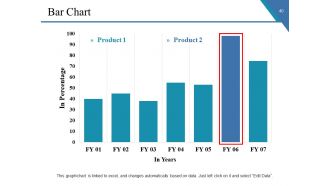
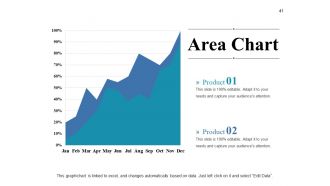
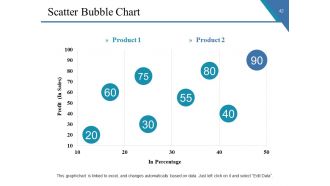
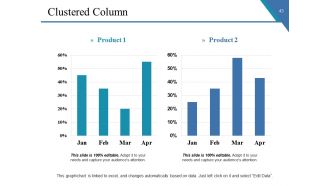
What's amazing? Our business proposal PPTs are editable and equipped with engaging graphics and visuals, tables, charts, flowcharts, and more to show information, insights, and figures.
Let us dig deep and start transforming those old proposals into appealing ones. Are you ready? Let's get started.
Template 1: Company Overview
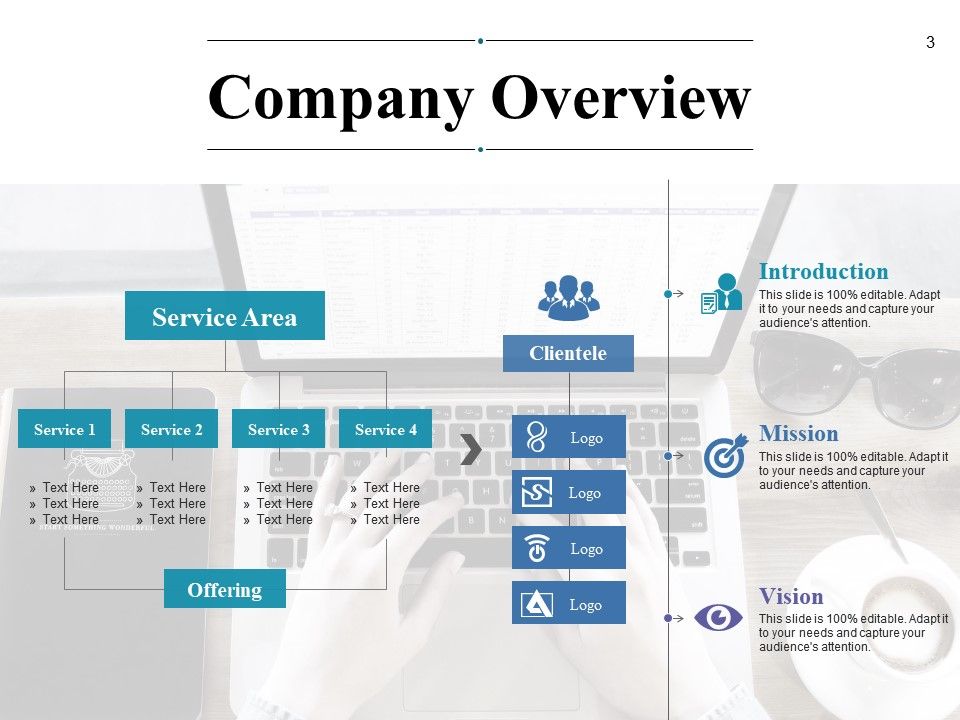
Have you ever wondered what attracts potential investors the most? It's obviously the first impression of the company. The company's mission, values, key achievements, and history are the most vital points for attracting investors. Use this company overview template to highlight your mission, values, and growth so far. This template helps partners or investors understand the company's services and other offerings and make decisions about collaboration. Also, you can highlight the company's core competencies, unique selling proposition (USP), out-of-the-box ideas, and the enterprises or markets in which it works.
Template 2: The Solution
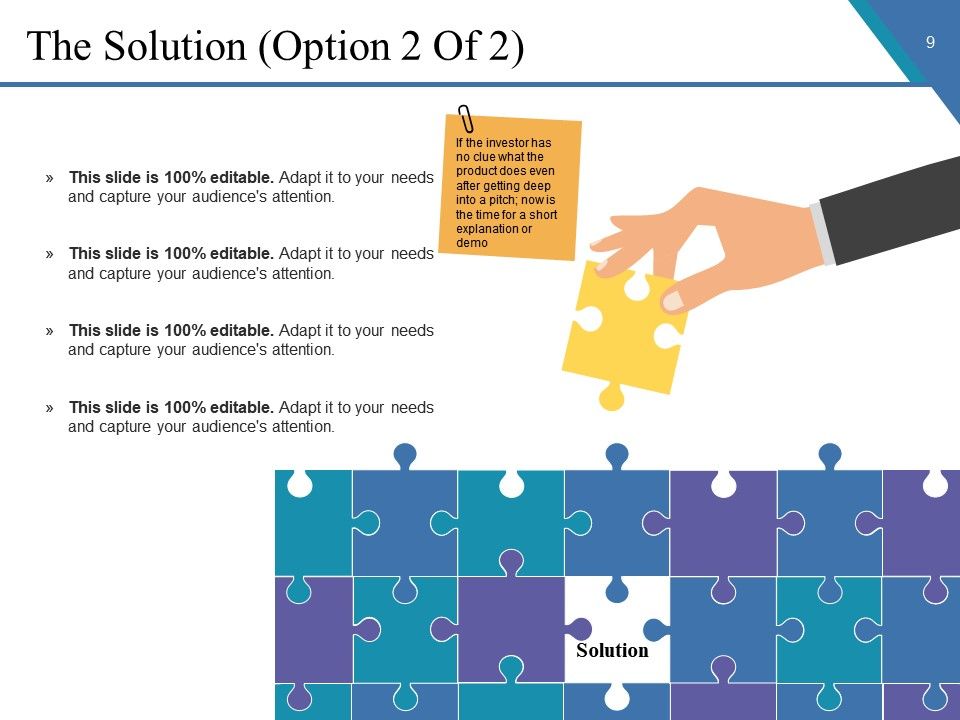
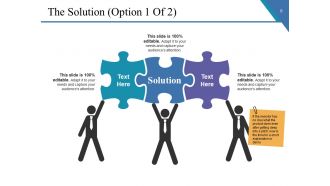
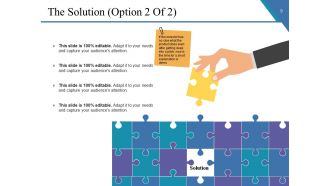
With Our Solution Template, businesses can use an organized methodology and offer a solid framework to address challenges. It is also easy to understand and serves as a guide for complex issues. Whether you are tackling complex issues or looking for improvement, this template is a perfect fit for progress.
Template 3: Value Proposition-product/Services
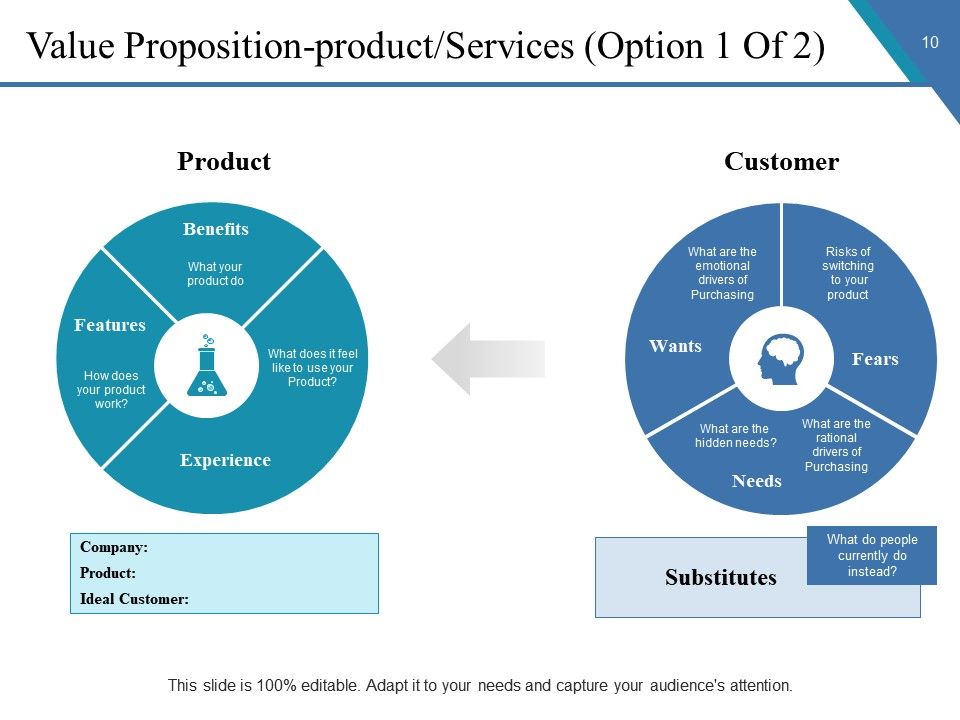
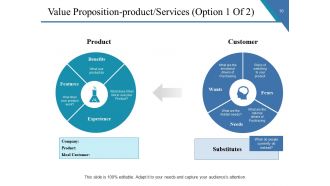
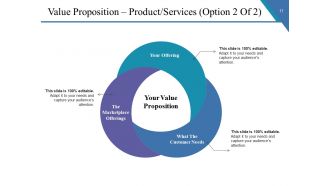
When you are putting in a business proposal, the investor should know how your product would be beneficial for them, how it works, and whether it is resolving their problems or not. With this template, you can show the customers the benefits of your product, how it works, and how they would feel when using your product. Ensure that you focus on the customer's issues and fears when changing to a new product like yours and be the solution to their hidden needs. Discuss your experience and how other people are using substitutes and not your product and still facing complexities. Solve the customer's problems and retain them for a longer time.
Template 4: Product Roadmap
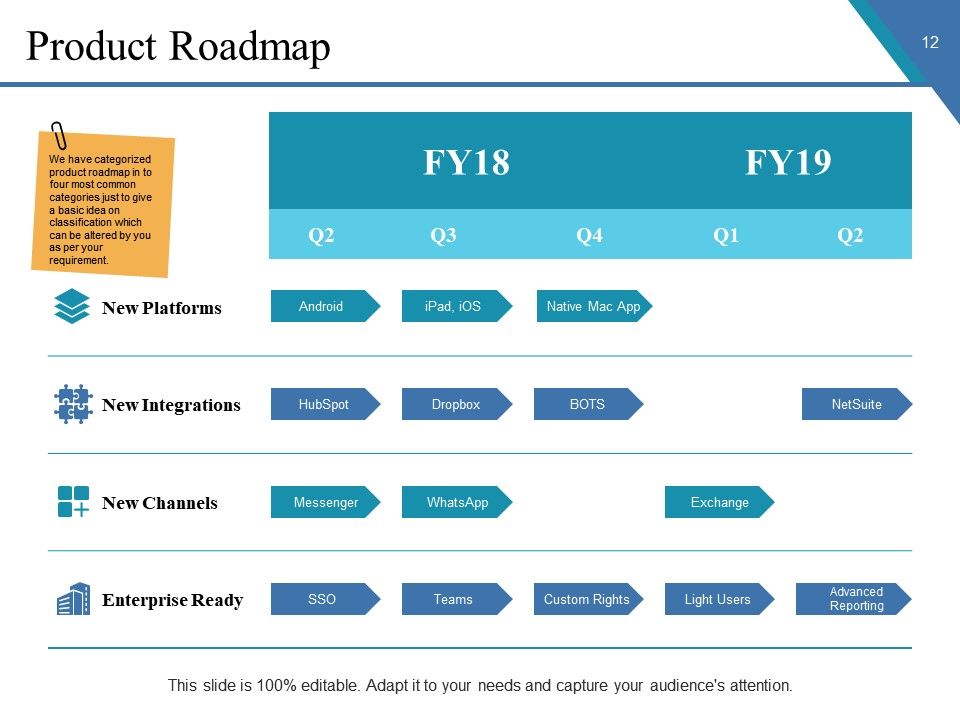
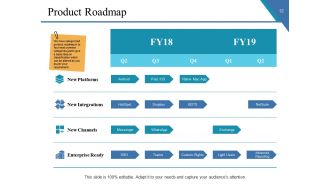
However small or big, every component in a business proposal plays a key role in attracting potential clients. Continuing this thought, the product roadmap is a vital aspect of any business proposal template. The roadmap helps you to break your product journey into different levels. It is a strategically effective template that briefly describes the priorities and progress of a company's product over time. Also, to stay updated with technological changes, you can tell about your new platforms like Android and Mac App, or channels like WhatsApp or Messenger, or anything.
Template 5: Business Model
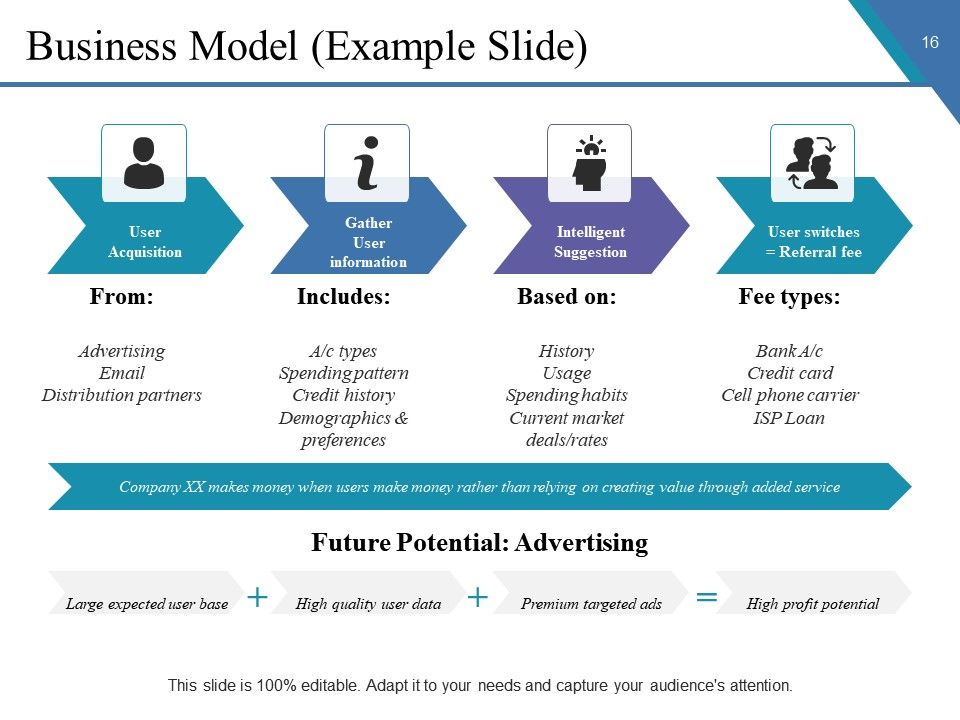
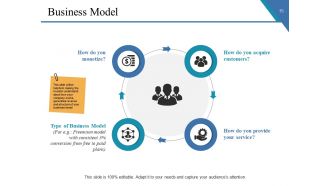
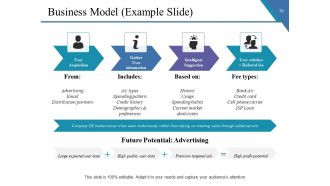
Use this template to tell investors or clients how your company works and makes money. It includes four elements: user acquisition, gathering user information, intelligent suggestions, and user switches. It might include information like who you work with, who uses your stuff, how much money you make, and bank details. This template helps you figure out how well ads do in your business and gives ideas for making ads work.
Template 6: Go-to-Market Strategy
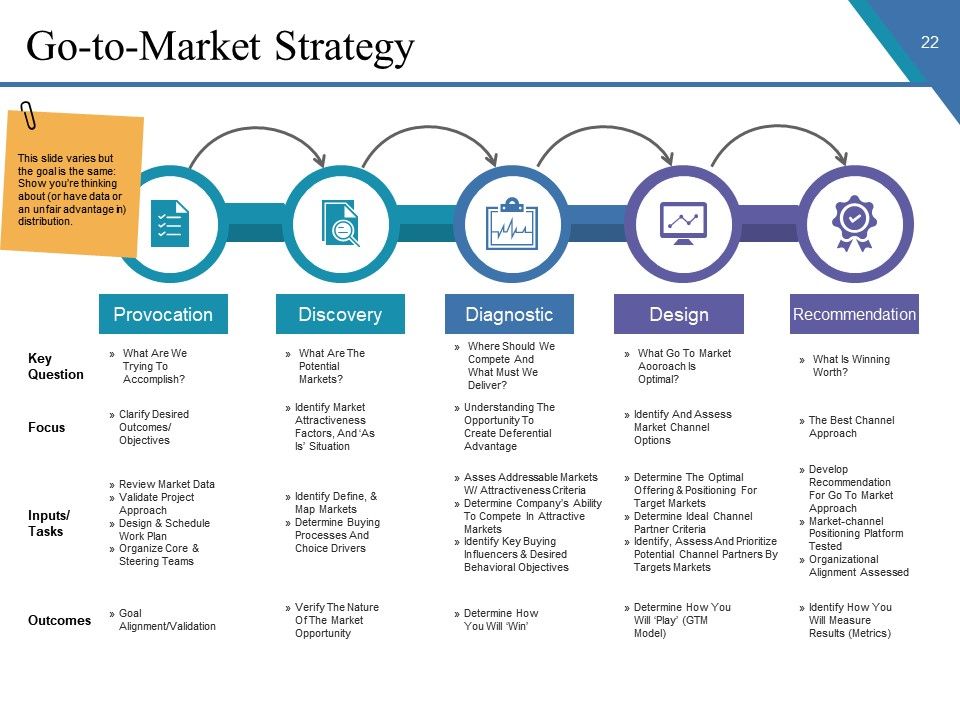
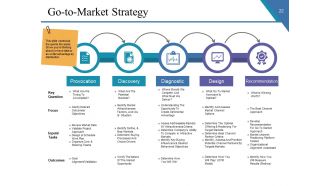
There is no denying the fact that to excel in any field, one requires extensive research and should stay up-to-date with the latest trends. With this go-to strategy template, you can articulate your plans, inquire about your competitors, set marketing goals, and even identify your potential audience. Furthermore, it covers project areas like provocation, discovery, diagnostic, design, and recommendation. With these areas, you can learn everything from the potential markets to the best channel approach and review market data to measure results. So, whether you're releasing a new product or looking to gain a competitive edge, this template could be a solution to your query.
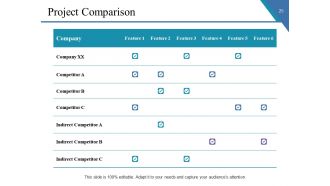
Template 7: Project Comparison
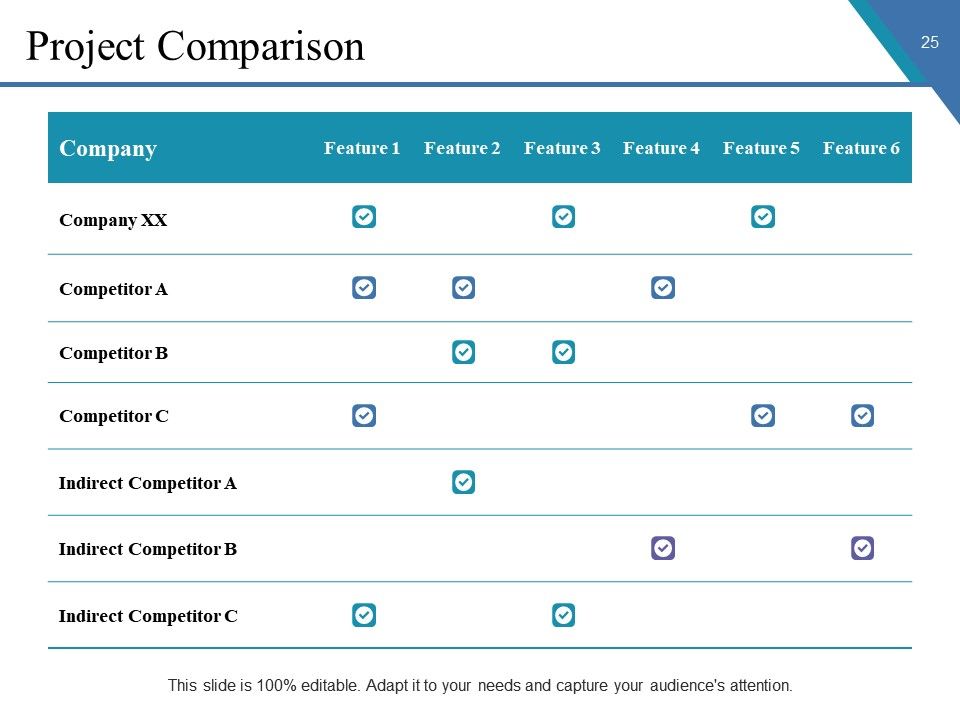
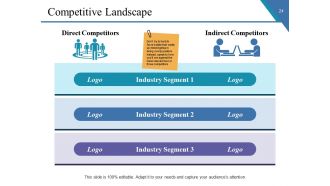
To stand out amongst competitors and to grow, it is essential to stay current with the latest changes in the market. With the project comparison template, you can compare and analyze your competitors' strengths and weaknesses. Also, this template allows you to create a checklist to compare their features and to know where you can improve. Thus, it helps your business to stay ahead of the competitors and make informed decisions.
Template 8: Financial Projections
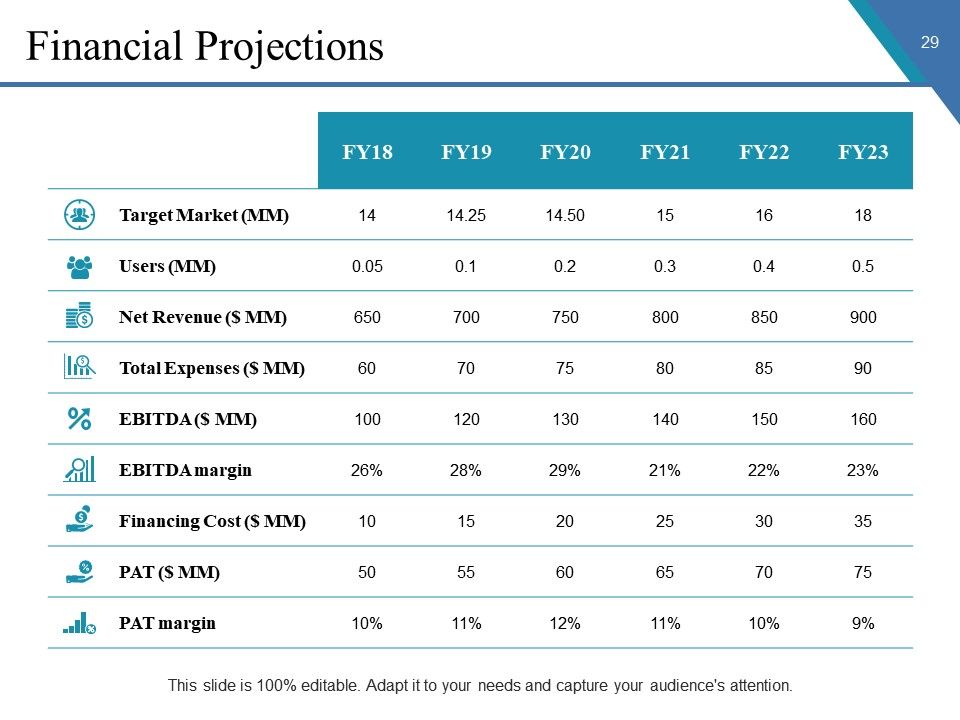
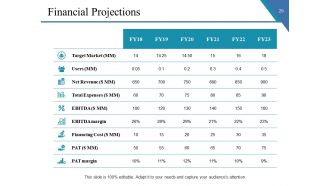
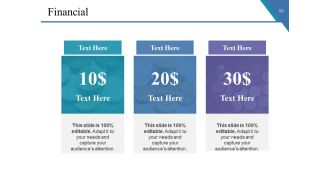
This template provides comprehensive insights into important growth metrics, showcasing relevant data from the last six financial years. This relevant data includes total expenses, net revenue, financing cost, PAT margin (profit after tax margin), target market, and more. Thus, it acts as an excellent roadmap and helps companies forecast financial performance. It also enhances planning and communication strategies in financial planning.
Template 9: Break-Even Analysis
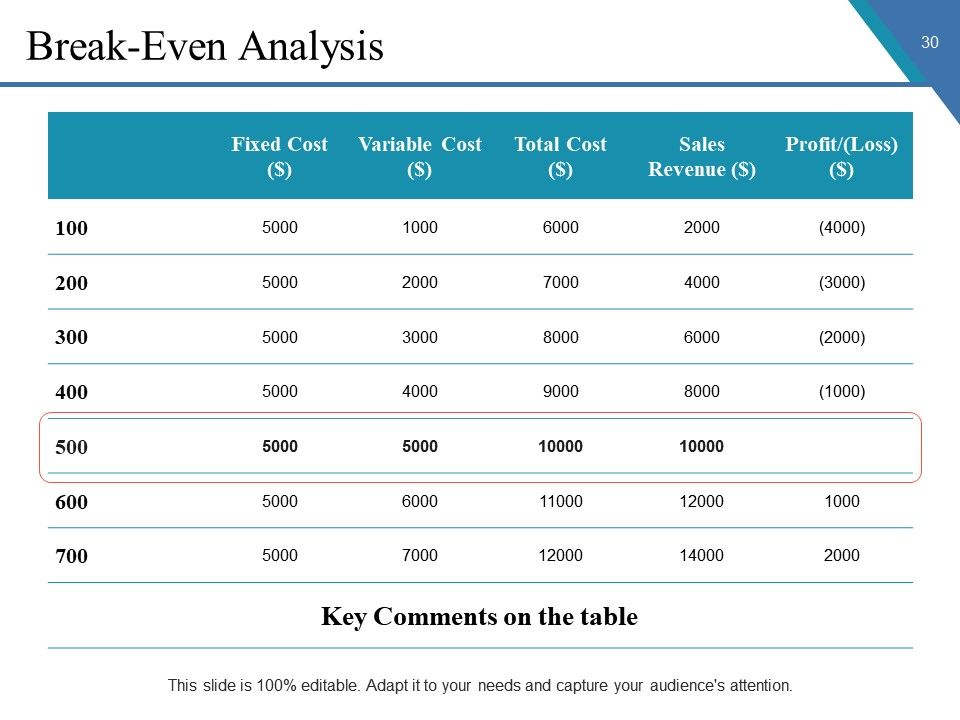
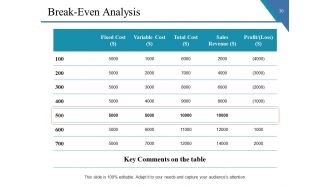
What makes this break-even analysis template better than others is its potential to simplify complex financial aspects. Do you want to understand your break-even point? Download this template and gain a clear vision of your business's financial dynamics. With this template, you can forecast the economic impact of fixed and variable selling price changes. This break-even analysis is essential in determining the financial feasibility of the business strategies and other production levels.
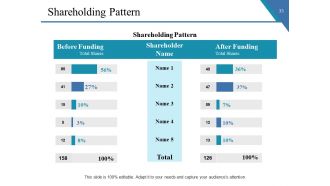
Template 10: Shareholding Pattern
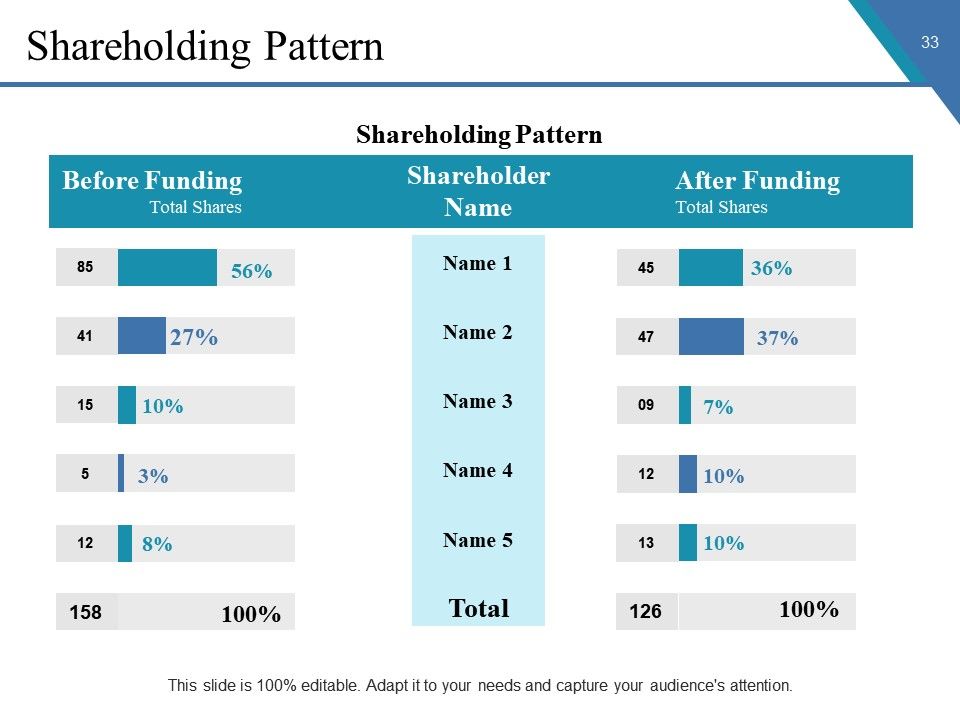
This shareholding template helps businesses monitor their shares before and after funding. It allows you to add the shareholder's name and the total number of shares acquired before and after funding. In short, this template gives an overview of people owning a company's stock. It offers benefits across different stages of the company, making it a valuable resource in the field.
Take Away Thoughts
The proper business proposal is one of the prominent elements that attract potential clients to any business. Our business proposal template outlines practical strategies and showcases the potential of any venture. These templates foster meaningful connections and are crafted to effectively offer engaging solutions for organizations to showcase their business proposals. If you don’t want to miss the opportunity to stand out in today’s competitive marketplace, then use our business proposal templates right away.
Sample Ppt Business Proposal Powerpoint Presentation Slides with all 63 slides:
Handle iconic events with our Sample Ppt Business Proposal Powerpoint Presentation Slides. Ensure arrangements are genuinely high class.











FAQs for Sample Ppt Business Proposal
Okay so first thing - make sure you nail the problem statement and your actual solution. Timeline, budget breakdown, why they should pick you over everyone else. Honestly? Most people barely read past the executive summary, so make that part really count. Throw in some case studies if you have them - shows you've done this before and didn't mess it up. Oh, and be super specific about what they'll get and what it'll cost. Use headers and bullets so it's not just a wall of text. The whole point is proving you get their actual problem, not just throwing some cookie-cutter pitch at them.
Honestly, visuals are a game-changer for proposals. People actually remember stuff when you show charts and graphs instead of boring bullet points. I mean, nobody wants to read paragraphs of data anyway. Clean infographics help visual learners get it faster too. Your audience won't zone out scrolling Instagram if there's something interesting to look at. Just don't go crazy with random stock photos - keep it relevant. Focus on charts that back up your main points. Makes the whole thing look way more professional and credible. Trust me on this one.
Dude, the worst thing you can do is send some cookie-cutter template that screams "I didn't bother learning about your business." Focus on their actual problems, not how amazing your company is. Keep it short too - I swear some people think longer equals better, but nobody wants to wade through pages of BS. Make your pricing super clear upfront. Oh, and this should be obvious but PROOFREAD - I once saw someone send a proposal with a competitor's name in it. Yikes. End with exactly what happens next so they don't have to guess.
Honestly, it's all about knowing your audience. Executives? Hit them with ROI and bottom-line impact right off the bat - they don't have time for fluff. Tech teams want the nitty-gritty details and specs. I once made the mistake of sending our CEO this super technical proposal... yeah, that didn't go well! Procurement people care about cost breakdowns and compliance stuff. Do your homework first - stalk their LinkedIn, check old emails, or just ask around about what they actually care about. Start with their hot buttons, then back it up with whatever details make sense.
Look, your proposal won't mean much without solid research backing it up. Data and market analysis show you actually know what you're talking about - not just throwing ideas at the wall. I've watched so many pitches crash because people relied on gut feelings instead of facts. Customer surveys, industry reports, competitive analysis - that stuff helps you spot real problems and prove there's actual demand. Plus you can tackle objections before they even come up. Honestly, the difference is night and day. People trust proposals that feel researched way more than ones that seem rushed together.
Okay so here's what works - start your proposal by describing the exact problem they're dealing with right now. Make it real, you know? Then show how your solution fixes everything. I've noticed proposals that read like boring manuals just get ignored, but when there's an actual story? People remember those. Walk them through the whole journey: this is your current mess, here's what success looks like, and boom - here's my roadmap to get you there. Structure it like you're telling a story with a real beginning and end. Trust me, it makes all the difference.
Start with the money stuff - projected sales bumps, cost savings, new revenue streams with actual dollar figures. Efficiency gains come next (time saved, productivity increases, lower operational costs). Honestly, implementation costs are a must because clients will ask about this no matter what. Break down upfront investment vs ongoing expenses. Timeline matters too - when will they break even and see real returns? Market opportunity size can help if it's relevant to their situation. Just make sure your numbers aren't pie-in-the-sky crazy and back everything up with assumptions they can actually buy into.
Lead with an executive summary that covers your main points - honestly, most execs barely read past that section anyway. After that, go: problem, your solution, timeline, costs. Headers and bullets are your friend here because nobody wants to wade through paragraphs of text. Each section should stick to one idea, then connect smoothly to the next. You're basically telling a story about why hiring you is a no-brainer. Wrap up with specific next steps and deadlines so if they're interested, they know exactly what comes next.
Honestly? Word and Google Docs are fine for basic stuff, but if you're doing this regularly, get something like PandaDoc or Proposify. They've got templates, e-signatures, tracking - the whole deal. Canva's actually pretty solid too if you want it to look nice without paying a designer. I mean, PowerPoint works if you need more visuals. But here's the thing - I've watched people stress over tools when really it's all about the content. That said, once you try PandaDoc's automated follow-ups, you'll never go back to manually chasing clients.
Dude, proposal design is SO underrated. I can't tell you how many brilliant ideas get tossed because the formatting looks like garbage. Decision-makers are busy - they'll bounce if your doc is a wall of text. Last year my colleague had this amazing concept but presented it terribly... straight to the rejection pile. White space is your friend. Break stuff up with bullets, use consistent fonts, make headers obvious. Nothing fancy needed, just clean and scannable. Honestly, good layout shows you actually care about details. Makes it way easier for them to focus on your ideas instead of fighting through messy paragraphs.
Dude, get ahead of their objections before they even bring them up. Figure out what usually freaks them out - money, timeline, whatever - then tackle those concerns right in your proposal. Don't wait for pushback. I always throw in a "risk mitigation" section to show I've actually thought this through. Case studies work great too, especially ones that address their typical worries. Honestly, it's like reading their minds before they speak. Makes you look super prepared and they feel heard. Oh, and testimonials that counter their usual hesitations? Chef's kiss. Shows you totally get where they're coming from.
So here's what I'd do - sort all that feedback into buckets first. Financial stuff, timeline concerns, market assumptions, whatever. Way easier than drowning in random comments. Tackle the deal-breakers first, obviously. Then move to the smaller operational tweaks. But honestly? Don't try to fix everything. Some suggestions will just make your proposal worse, and you can't make everyone happy anyway. Document what you changed and why - you'll need that for follow-ups later. Oh, and definitely shoot a quick summary of your main revisions back to everyone before you submit the final version.
Dude, biggest thing is don't oversell what you can actually do or your timeline - that always bites you later. Keep your pricing super transparent too, no sneaky hidden fees. Also keep their confidential stuff locked down even if the deal falls through. That's just basic decency honestly. Don't make promises that could tank their business, and if you've got any conflicts of interest, just say so upfront. I learned this the hard way but it's pretty simple - would you be pissed if someone pulled this on you? Then don't do it.
Look, trends are basically everything when it comes to your proposal strategy. They tell you what problems to focus on, which solutions to push, and how to frame your whole value prop. Research 2-3 major trends hitting their industry first - then weave that stuff into your problem statement and connect your solution to what's coming next. Nobody's gonna back something that feels like it's from 2019, you know? Reference current data. Make it feel fresh and forward-thinking. Your proposal needs to scream "this person gets where the market's headed" or you're dead in the water.
Okay so first thing - shoot them a quick confirmation email within 24 hours. Just acknowledge you submitted and remind them why you're awesome. Then here's the part that feels weird but trust me - follow up every week. I used to think this was super pushy, but proposals literally disappear into email black holes otherwise. Keep a basic spreadsheet so you don't forget who you've contacted when. Three weeks of silence? Try reaching out to someone else there or switch up your approach. Honestly, the biggest screwup is just submitting then never following up again. Set those calendar reminders now!
-
Qualitative and comprehensive slides.
-
Use of icon with content is very relateable, informative and appealing.