Digital transformation introduction presentation slide

Rating:
90%
Slide 1 of 5
Favourites Favourites

Try Before you Buy Download Free Sample Product

Audience Impress Your
Audience
Editable 100%
Editable
Time Save Hours
of Time
The Biggest Sale is ending soon in
0
0
:
0
0
:
0
0
Rating:
90%
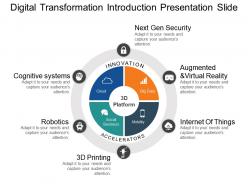
Presenting digital transformation introduction presentation slide. This is a digital transformation introduction presentation slide. This is a four stage process. The stages in this process are digital transformation.

FAQs for Digital transformation

Look, you've got three things that'll make or break this whole thing. Leadership has to put their money where their mouth is - actual resources, not just empty promises. Get your team trained properly because pushback will destroy everything if you're not careful. Oh, and focus on real customer problems instead of chasing whatever tech looks cool this month. Honestly, I'd start with small pilot projects first. Prove it works, then expand from there. Don't try to boil the ocean right away - I've seen too many companies crash and burn doing that.

Track the obvious stuff first - cost savings, revenue growth, customer satisfaction scores. Time-to-market is huge too since that's usually why companies do this whole digital thing anyway. But here's what everyone misses: the culture piece matters just as much. Are people actually using the new tools or just complaining about them? Employee surveys will tell you more than you think. Set up maybe 5-6 metrics that match your goals specifically. Check them monthly though - daily tracking will drive you nuts and doesn't show real progress.

Honestly, you're screwed without strong leadership backing this. They control the money and set the whole vision - no executive buy-in means your project dies a slow death. Your leaders need to actually champion the changes and show teams why this matters. The legacy system decisions? That's where things get messy and political. But here's what really matters - they've got to create an environment where people can experiment without getting their heads chopped off for failing. Find yourself a sponsor who'll go to bat for your budget and clear the stupid roadblocks that'll definitely pop up.

Look, people absolutely hate change when they're left in the dark. First thing - explain WHY you're doing this and how it actually helps them, not just the company. Get them involved in picking tools and planning stuff. Don't just dump new software on everyone and pray it works out (learned that one the hard way). Set up some cheerleaders in each department who can help others get comfortable. Oh, and give people real training time without expecting them to hit their usual numbers right away. That's just setting everyone up to fail.

Honestly, AI and machine learning are everywhere right now - like, customer service bots actually work now? Cloud computing lets teams work from anywhere without the usual headaches. Automation's killing off those boring repetitive tasks nobody wants anyway. IoT sensors give you real-time data on pretty much everything, which is pretty wild when you think about it. Data analytics helps you actually understand what customers want instead of just guessing. But don't try to tackle everything at once - that's a recipe for burnout. Pick whatever's driving you crazy first and start there.

Don't try to fix everything at once - that's a recipe for disaster. Pick your biggest headaches first. Maybe it's invoicing taking forever or everyone emailing files back and forth like it's 2005. There are tons of cheap (or free) tools that'll solve specific problems without breaking the bank. Honestly, just getting your customer info organized digitally instead of scattered across sticky notes makes a massive difference. Use stuff your team already knows how to use rather than fancy expensive software. Focus on doing 1-2 things really well, see how it goes, then expand from there.

Honestly, the biggest pain points are people hating change and not having anyone who actually gets the tech stuff. Plus everyone wants to transform everything overnight, which is just chaos. Start small - pick one thing and crush it before moving on. Your team will fight you less if they see early wins. Get your boss and their boss talking about why this matters, constantly. That actually moves the needle more than fancy training sometimes. Oh, and don't skip the training part either. Half your headaches come from people feeling lost with new systems. Change management isn't sexy but it works.

So digital transformation basically flips the script - suddenly your customers are running the show because everything's faster and way more personalized. You can actually follow their entire journey now, from that first random click all the way through buying stuff and beyond. It's kinda wild how you start predicting what they want before they even know it themselves. The best part? No more department drama since marketing, sales, and support are finally looking at the same customer info. Honestly, I'd just start by sketching out how customers interact with you now, then figure out where tech could make things less annoying for them.

Honestly, I'd start with getting comfortable using new digital tools - not just learning them but actually wanting to try them out. Data analysis is pretty crucial too since you'll need to make sense of all those metrics everyone talks about. The biggest thing though? Stay adaptable. Tech moves ridiculously fast and what's hot today might be old news next month. Remote work tools are still super relevant, so don't sleep on those. Oh, and communication platforms - you're gonna need those no matter what. Pick one skill you're weak at and just focus on that for the next few months.

Honestly, data analytics is a game-changer because it turns your hunches into actual proof. You'll see customer patterns, spot inefficiencies, and catch market shifts as they happen. Most of the time, the boring initiatives outperform the sexy ones everyone's buzzing about - go figure. Focus on dashboards that predict what's coming, not just report what already happened like revenue numbers. My advice? Start with one digital project and track everything about it. You'd be surprised how different reality looks compared to what you assumed was working.

Honestly, start with an ethics audit of your plans - you'll spot blind spots you didn't even know existed. Data privacy is huge: how you're collecting and storing customer info matters way more than people realize. The job displacement thing from automation is rough, not gonna lie. Also watch out for algorithmic bias if you're using any AI tools. Oh and make your digital stuff accessible for users with disabilities - that's just basic decency. Cybersecurity is obviously critical too. Be upfront with everyone about what's changing, even if it's messy.

Honestly, cybersecurity isn't optional anymore - it's what keeps your whole digital setup from falling apart. Here's the thing though: most companies do this backwards. They'll move everything online, connect all their systems, then panic about security later. It's like adding locks after someone already robbed your house. Do a security check before you change anything major. Otherwise you're just creating more ways for hackers to get in. Trust me, fixing security issues after the fact is way more expensive and stressful than building it right from the start.

Dude, healthcare's getting absolutely wrecked by telemedicine right now. Retail too - every store either went digital or died during COVID, honestly. Banks are scrambling because these fintech apps are so much easier to use than traditional banking. It's crazy how fast it happened. The common thread? All these industries relied heavily on face-to-face stuff before. Physical locations were everything. Now if you're working in any of these areas, going digital isn't optional anymore. You either adapt or you're toast. Finance startups are particularly ruthless about this.

Honestly, don't try to change everything at once - you'll just burn out your team. Break stuff into smaller pieces with regular check-ins so you can adjust course. I swear, some companies spend months planning the "perfect" rollout and never actually launch anything! Get your users involved early for feedback. Cross-functional teams work way better than having everything go through ten approval layers. Oh, and pick one simple process to digitize first - quick wins keep everyone motivated. Failures happen, but they're just expensive lessons. The key is moving fast enough to learn what actually works.

Honestly, UX design can make or break your whole digital transformation. I've watched so many solid projects crash because teams forgot about the actual humans using this stuff. Bad interface? People will just work around it or straight-up refuse to adopt it. Your ROI goes down the drain. The thing is, you want users excited about the new tools, not just grudgingly clicking through them. When UX is done right, it actually changes how people work - not just what they're forced to use. Get designers involved from day one, seriously. Don't wait until the end and slap a pretty interface on top.

Ratings and Reviews

90% of 100
Review Form
Write a review
Most Relevant Reviews
  1. 80%

    by Demarcus Robertson

    Best way of representation of the topic.
  2. 100%

    by Derick Meyer

    Attractive design and informative presentation.

2 Item(s)

per page: