

Facilities Management Powerpoint Presentation Slides





Try Before you Buy Download Free Sample Product
 Impress Your
 Audience
 100%
100% Editable
 Save Hours
 of Time


Presenting our Facilities Management PowerPoint Presentation Slides to help you showcase the importance of professional management of organizational services and operations. Employ these support services PPT templates to list all the hardware, software, networking components, operating system, and data storage, all of which deliver IT services and solutions. You can display the technological global market base using these logistics PPT slides. These digital transformation slides are professionally curated, keeping all the unique needs of the customers in mind. Mention the key areas that require major fundings like electricity, waterpower, environment, transportation, and information transmission by taking the aid of this Asset Management PPT. Highlight the importance and benefits of sustainable infrastructure through these resource maintenance PPT layouts. Select this content-specific base development PPT presentation to elaborate on the inventory and condition assessment process. Explain how risk assessment can help to increase productivity and overall business operations by using this security services PowerPoint slideshow. Download this business sector PPT deck and convey your company's vision, mission, values, and objectives in an attractive and informative way.
People who downloaded this PowerPoint presentation also viewed the following :
Facilities Management Powerpoint Presentation Slides with all 70 slides:
Use our Facilities Management Powerpoint Presentation Slides to effectively help you save your valuable time. They are readymade to fit into any presentation structure.
-
Facilities Management
-
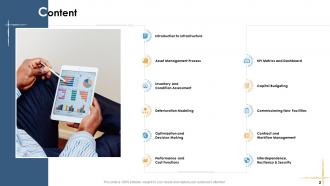
Content
-
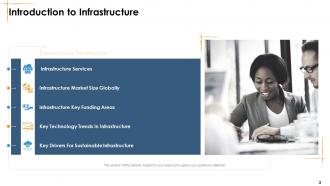
Introduction to Infrastructure
-
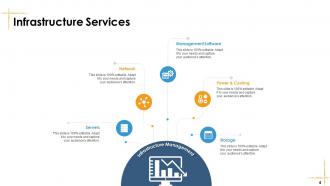
Infrastructure Services
-
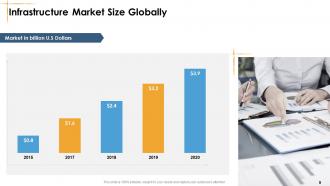
Infrastructure Market Size Globally
-
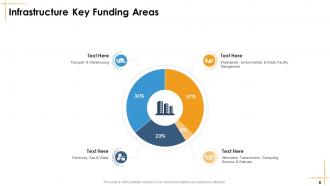
Infrastructure Key Funding Areas
-
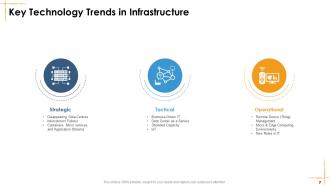
Key Technology Trends in Infrastructure
-
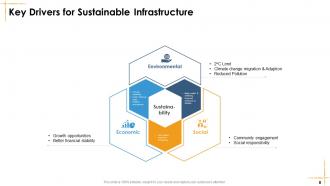
Key Drivers for Sustainable Infrastructure
-
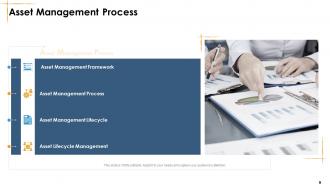
Asset Management Process
-
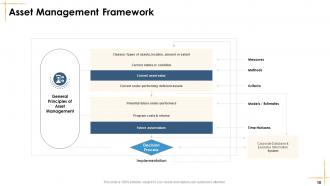
Asset Management Framework
-
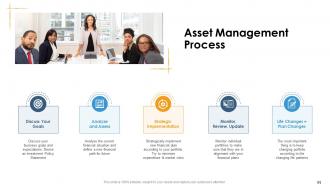
Asset Management Process
-
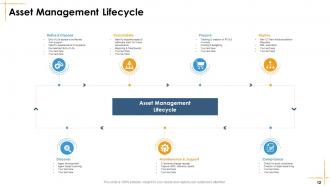
Asset Management Lifecycle
-
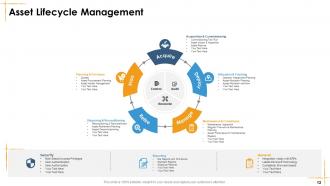
Asset Lifecycle Management
-
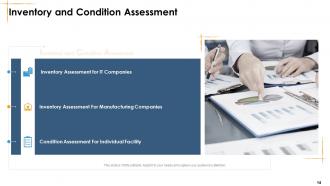
Inventory and Condition Assessment
-
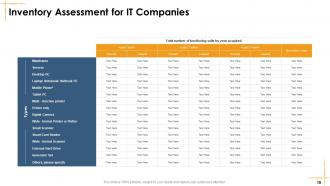
Inventory Assessment for IT Companies
-
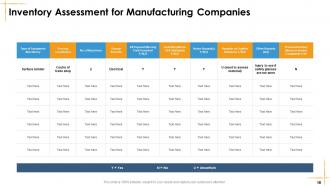
Inventory Assessment for Manufacturing Companies
-
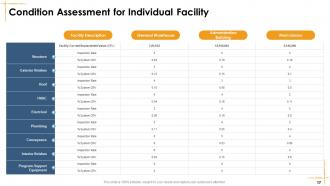
Condition Assessment for Individual Facility
-
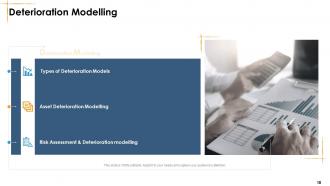
Deterioration Modelling
-
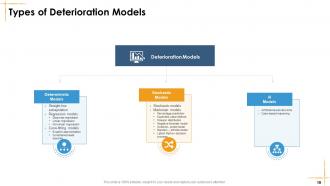
Types of Deterioration Models
-
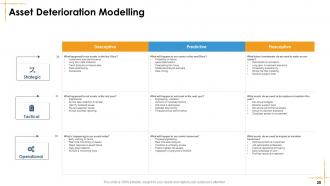
Asset Deterioration Modelling
-
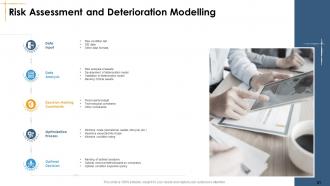
Risk Assessment and Deterioration Modelling
-
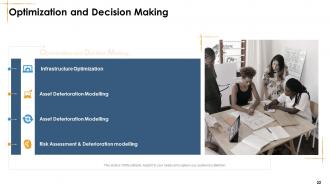
Optimization and Decision Making
-
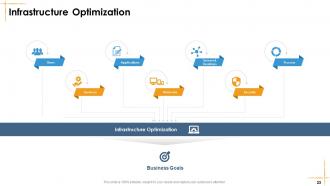
Infrastructure Optimization
-
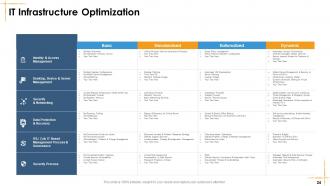
IT Infrastructure Optimization
-
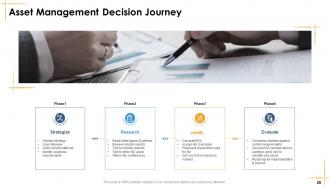
Asset Management Decision Journey
-
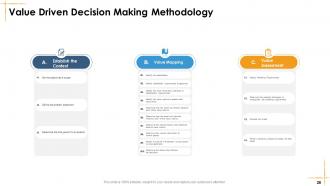
Value Driven Decision Making Methodology
-
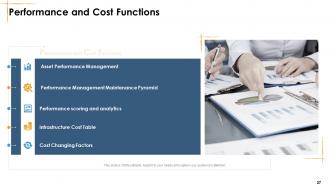
Performance and Cost Functions
-
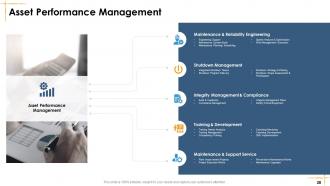
Asset Performance Management
-
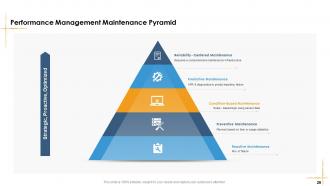
Performance Management Maintenance Pyramid
-
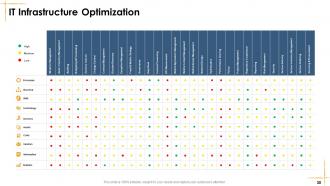
IT Infrastructure Optimization
-
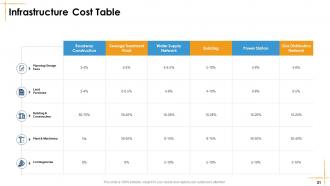
Infrastructure Cost Table
-
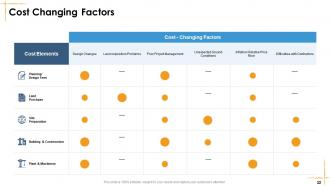
Cost Changing Factors
-
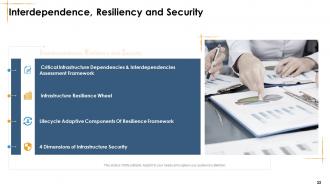
Interdependence Resiliency and Security
-
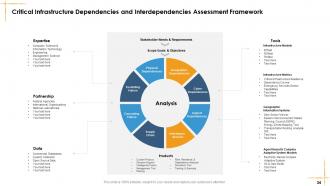
Critical Infrastructure Dependencies and Interdependencies Assessment Framework
-
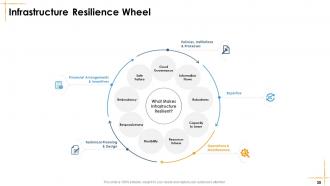
Infrastructure Resilience Wheel
-
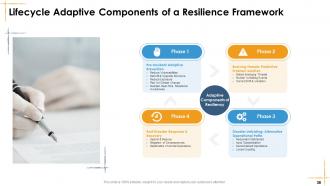
Lifecycle Adaptive Components of a Resilience Framework
-
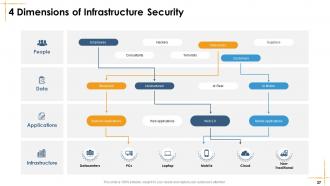
4 Dimensions of Infrastructure Security
-
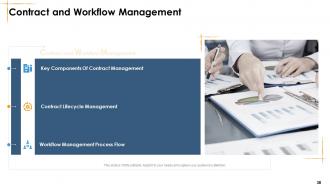
Contract and Workflow Management
-
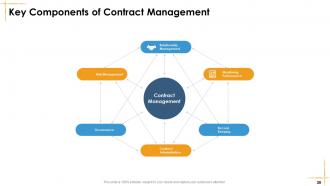
Key Components of Contract Management
-
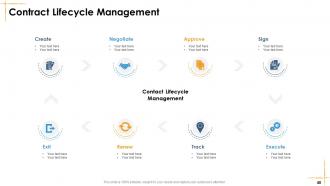
Contract Lifecycle Management
-
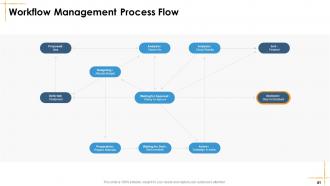
Workflow Management Process Flow
-
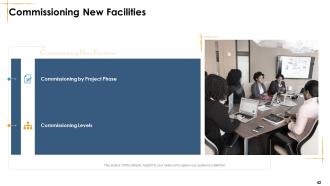
Commissioning New Facilities
-
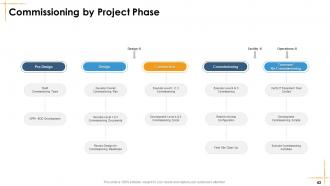
Commissioning by Project Phase
-
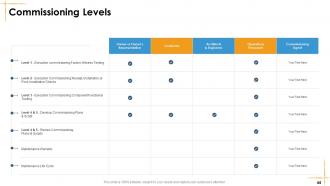
Commissioning Levels
-
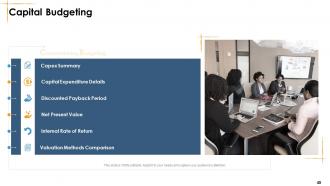
Capital Budgeting
-
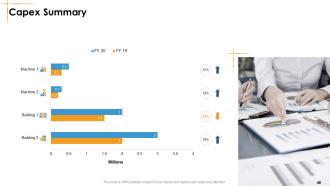
Capex Summary
-
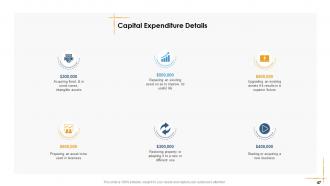
Capital Expenditure Details
-
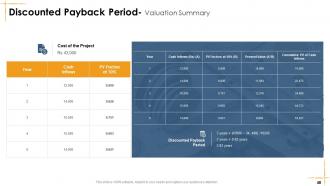
Discounted Payback Period Valuation Summary
-
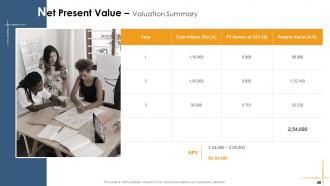
Net Present Value Valuation Summary
-
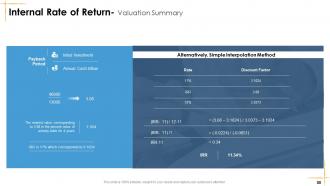
Internal Rate of Return Valuation Summary
-
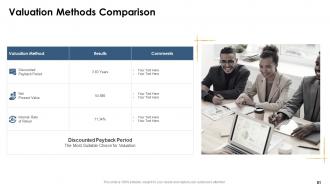
Valuation Methods Comparison
-
KPI Metrics and Dashboard
-
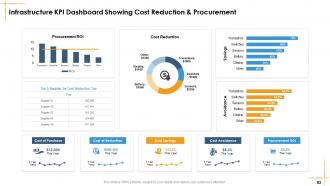
Infrastructure KPI Dashboard Showing Cost Reduction Procurement
-
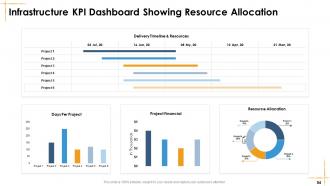
Infrastructure KPI Dashboard Showing Resource Allocation
-
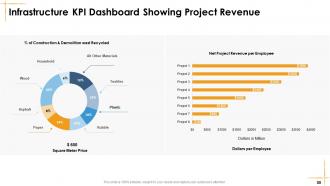
Infrastructure KPI Dashboard Showing Project Revenue
-
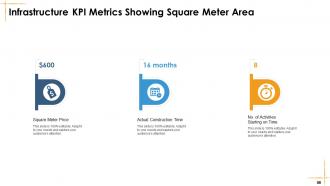
Infrastructure KPI Metrics Showing Square Meter Area
-
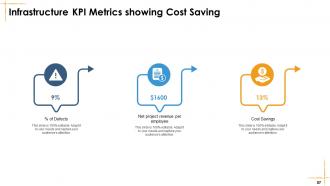
Infrastructure KPI Metrics showing Cost Saving
-
Facilities Management for Icons Slide
-
Additional Slides
-
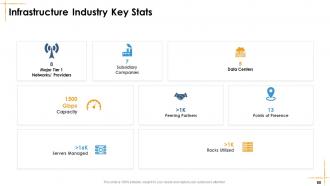
Infrastructure Industry Key Stats
-
Our Mission
-
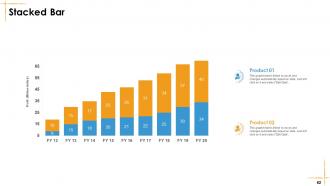
Stacked Bar
-
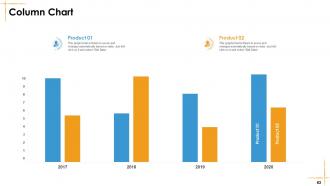
Column Chart
-
Our Team
-
Our Target
-
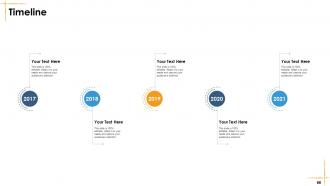
Timeline
-
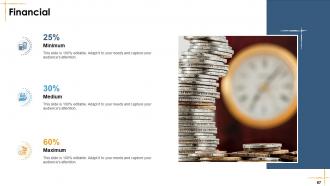
Financial
-
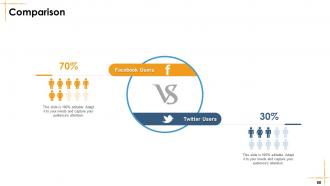
Comparison
-
Facilities Management
-
Thank You
FAQs for Facilities Management
Dude, facilities management is honestly way broader than most people realize. You're keeping the whole workplace running - maintenance, space planning, safety compliance, vendor coordination. HVAC systems, office moves, budgets, the works. These days there's also employee experience stuff and sustainability projects to juggle. It's not just "fix what's broken" anymore (though that's still part of it). The role's become pretty strategic actually. I'd start by listing everything you're already handling, then figure out where you can make the biggest impact for your company's day-to-day operations.
Honestly, good facilities management is a game changer for productivity. Your team can't focus when they're dealing with broken AC or fighting over the one decent conference room. Proper lighting and temperature make a huge difference - people actually feel better physically and mentally. I mean, who wants to work in a dungeon, right? Clean, organized spaces boost morale too. I'm always way more motivated in a bright office than some cramped, messy one. The trick is staying ahead of problems instead of just reacting. Listen to what your people actually need from their workspace.
Honestly, get a good CMMS system first - that's your foundation. It'll handle work orders and maintenance schedules without the spreadsheet nightmare (been there, hated that). IoT sensors are game-changers too. They track HVAC, occupancy, all that stuff in real-time so you catch issues early. I'm telling you, it beats playing catch-up with broken equipment. Most software talks to each other now, which is huge. Your data actually flows instead of living in silos. Start simple with one solid platform. You can always add more tech later once you've got the basics down.
Start with LED lights and fixing your HVAC - seriously, the energy savings will blow your mind. Set up recycling programs next, maybe find vendors who actually care about sustainable materials. Low-flow fixtures are pretty cheap wins too. The key thing? Track everything obsessively so you've got numbers to back up what you're doing. I'd honestly just pick one thing first, show it works financially, then build from there. Water stuff like smart irrigation can wait if you're on a tight timeline. Small steps, but make them count.
Budget's your biggest nightmare, trust me. Aging buildings are falling apart faster than you can fix them, and don't even get me started on compliance paperwork - it's endless. Energy bills are insane right now too. Finding decent maintenance people is nearly impossible in this job market. Everyone wants sustainable, flexible spaces now but won't pay for upgrades. Oh, and companies keep changing office layouts every five minutes. Space planning's become this whole thing. My advice? Document everything that breaks or costs money. When you need more budget, actual data beats whining every time.
Oh man, facilities management is basically a money-saving machine if you do it right. Energy audits are where I'd start - you'll probably find some obvious stuff that pays for itself pretty quick. Preventive maintenance is huge too because nobody wants their AC dying in the middle of summer (been there, it sucks). Smart building systems are worth the investment since they handle your heating and cooling automatically. Don't sleep on renegotiating those vendor contracts either. Space optimization helps too - why pay for rooms you're not even using? Honestly, the energy efficiency upgrades alone usually make it worth it.
Honestly, start with cost per square foot - that's your main number. Work order response times matter too, plus how much preventive maintenance you're actually getting done. Energy costs will tell you a lot about efficiency. But here's the thing - employee satisfaction surveys are gold. People griping about the AC or broken elevators? That's real feedback you can't ignore. Space utilization rates help too, especially if you're paying for areas nobody uses. Don't go crazy tracking everything though. Pick maybe 5-6 metrics that actually align with what your bosses care about. You can always tweak later.
Map out how people actually move through your space first - that's the secret. You want high-traffic stuff near entrances and related tasks grouped together. Otherwise people spend half their day just walking around (which honestly drives me crazy to watch). Better sightlines help with managing teams too. Short distances between storage and work areas make everything faster. Peak times won't turn into total chaos if you design around real workflow patterns instead of just winging the layout. Those daily steps really do add up.
Honestly, most of this comes down to not being that department everyone avoids. Set up regular check-ins with other teams - but actually listen instead of just talking about your stuff. Get department heads involved in planning early, before everything's a crisis. Most fights happen when people get blindsided by changes, which is so avoidable. Simple communication protocols help too - who handles what, realistic timelines for requests. Shadow other departments sometimes if you can. Sounds weird but you'll get their daily headaches way better. Being proactive beats scrambling to fix things later every time.
Okay so first thing - get your evacuation routes mapped out and figure out where all your utility shutoffs are. I know drills are annoying but trust me, they actually save lives when things go sideways. Keep a backup list of vendors for stuff like HVAC and security, because your main guys might be swamped after a disaster. Test your generators every few months (learned this one the hard way). Stock emergency supplies in different spots around the building. Oh, and write down a recovery checklist now while you're thinking clearly - your stressed-out future self will thank you later.
Honestly, just stay ahead of stuff instead of scrambling when things break. Get a maintenance schedule going for your big systems - HVAC, elevators, electrical, all that. Spreadsheets are a nightmare for tracking this stuff, so grab a CMMS if you can swing it. Safety issues and anything that could shut you down? Those jump the line, no question. I'd start with figuring out what equipment you actually have, then map out when each thing needs attention. Oh, and write down what breaks - you'll start seeing patterns after a while.
Your company culture literally controls every facilities choice you make. Collaborative culture? You'll want open spaces and meeting rooms instead of private offices. Wellness-focused places invest in ergonomic furniture and good lighting. Remote-friendly companies need less desk space but way more flexible setups. I've watched so many facilities teams ignore this completely - then act shocked when everyone hates the "upgrades." It's honestly painful to see. Just talk to your actual employees first. Ask how they work and what matters to them. Their answers will basically write your facilities strategy for you.
Dude, remote work totally messed up facilities management. Now you're juggling hybrid schedules and hot-desking instead of just maintaining one office space. Occupancy rates are all over the place! Cleaning schedules have to be flexible, HVAC systems need reprogramming, and don't get me started on booking systems for shared areas. There's tons of new tech stuff for video calls too. Honestly, the trick is getting solid data on how people actually use the space now - not how they did three years ago. It's way more complex but kinda interesting once you figure it out.
Honestly, predictive maintenance with IoT sensors is where it's at right now. Mobile CMMS platforms are pretty solid too - way better than being stuck at a desktop all day. Smart building stuff is everywhere now, sensors automatically handling your HVAC and lighting, even catching equipment problems before they happen. Digital twins sound fancy but they're basically just virtual copies of your building for planning. Oh, and cloud-based systems aren't really optional anymore. Everyone's going crazy for those analytics dashboards showing every possible metric. My advice? Don't go overboard initially. Pick one or two things that'll actually fix your worst problem first.
Honestly, facilities management is your best bet for staying on top of health and safety compliance. Regular inspections are a must - document everything because audits are brutal without proper records. Your FM team needs to handle risk assessments and keep all those contractor safety protocols in check. Emergency systems? Keep them updated or you're asking for trouble. The certification stuff can pile up fast (learned that the hard way), so definitely set up some kind of compliance calendar. Track all your required inspections and reviews. Trust me, you don't want important deadlines slipping by unnoticed.
-
Very well designed and informative templates.
-
Commendable slides with attractive designs. Extremely pleased with the fact that they are easy to modify. Great work!
-
Great designs, really helpful.
-
Enough space for editing and adding your own content.