


Corporate Strategy Powerpoint Presentation Slides





Try Before you Buy Download Free Sample Product
 Impress Your
 Audience
 100%
100% Editable
 Save Hours
 of Time


Grab this content-ready Corporate Strategy PowerPoint Presentation Slides to develop extensive business strategy to reach to the desired goals. Create a plan where you prioritize business objectives, optimize financial performance and differentiate yourself from the competitors. Use corporate strategy PPT presentation templates to transform your mission and vision into solid strategies. This deck comprises of templates like executive summary, marketing plan objectives, identifying new marketing channels, brand promotion strategies for engagement, brand promotion, focus on your strengths, look to your competition, product feature comparison, annual budget, assets and revenue, company sales and performance, financial projections for strategic planning, funding requirement, use of funds, recruitment plan for HR department, operational plan, project timeline chart, SWOT analysis, and more. Add business strategy PowerPoint presentation slideshow to analyse competitive environment and work towards firm’s positioning in the market. Assess value creation and recommend specific actions that your organizations should take to grow and avoid pitfalls. Download ready-to-use corporate strategy PowerPoint presentation templates to enter established markets or create a new market. Enlighten folks on avoiding harm with our Corporate Strategy Powerpoint Presentation Slides. Inform folks about injurious elements.
People who downloaded this PowerPoint presentation also viewed the following :
Content of this Powerpoint Presentation
Slide 1: This slide introduces Corporate Strategy with relevant imagery. State Your Company Name and begin.
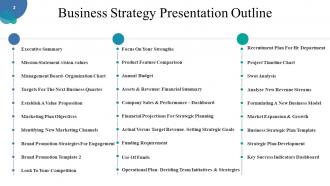
Slide 2: This slide presents a Business Strategy Presentation Outline consisting of- Executive Summary, Mission Statement-vision-values, Management Board- Organization Chart, Targets For The Next Business Quarter, Establish A Value Proposition, Marketing Plan Objectives, Identifying New Marketing Channels, Brand Promotion Strategies For Engagement, Brand Promotion Template, Look To Your Competition, Focus On Your Strengths, Product Feature Comparison, Annual Budget, Assets & Revenue: Financial Summary, Company Sales & Performance – Dashboard, Financial Projections For Strategic Planning, Actual Versus Target Revenue- Setting Strategic Goals, Funding Requirement, Use Of Funds, Operational Plan- Deciding Team Initiatives & Strategies, Recruitment Plan For Hr Department, Project Timeline Chart, Swot Analysis, Analyze New Revenue Streams, Formulating A New Business Model, Market Expansion & Growth, Business Strategic Plan Template, Strategic Plan Development, Key Success Indicators Dashboard.
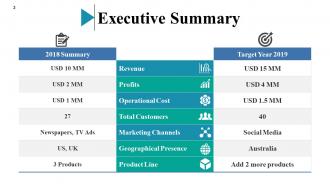
Slide 3: This is an Executive Summary slide.
Slide 4: This slide showcases Mission-Vision-Values. Present them here.
Slide 5: This is Management Board - Organization Chart slide.
Slide 6: This slide presents Targets For The Next Business Quarter.
Slide 7: This slide shows Establish A Value Proposition with- Company, Ideal Customer, Product: Features Benefits Experience What your product Do? How does your product work? What does it feel like to use your product? Substitutes What do people currently do instead? Customer: Wants Fears Needs What are the emotional drivers of purchasing? What are the hidden needs? What are the rational drivers of purchasing? Risks of switching to your product?
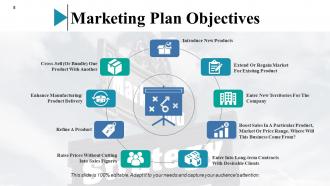
Slide 8: This slide shows Marketing Plan Objectives such as- Introduce New Products, Extend Or Regain Market For Existing Product, Enter New Territories For The Company, Boost Sales In A Particular Product, Market Or Price Range. Where Will This Business Come From? Cross-Sell (Or Bundle) One Product With Another, Enter Into Long-term Contracts With Desirable Clients, Raise Prices Without Cutting Into Sales Figures, Refine A Product, Enhance Manufacturing/ Product Delivery.
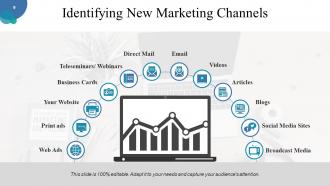
Slide 9: This slide presents Identifying New Marketing Channels such as- Web Ads, Print ads, Your Website, Business Cards, Teleseminars/ Webinars, Direct Mail, Email, Videos, Articles, Social Media Sites, Blogs, Broadcast Media.
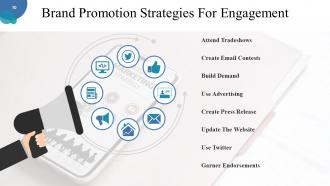
Slide 10: This slide shows Brand Promotion Strategies For Engagement such as- Attend Tradeshows, Create Email Contests, Build Demand, Use Advertising, Create Press Release, Update The Website, Use Twitter, Garner Endorsements.
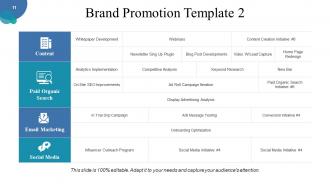
Slide 11: This slide showcases a Brand Promotion Template.
Slide 12: This slide shows Focus On Your Strengths such as- Personal Split, Communications, Teamwork, Thinking, Problem Solving, Core Competencies.
Slide 13: This slide shows Look To Your Competition in tablel form.
Slide 14: This slide presents Product Feature Comparison in tabular form.
Slide 15: This slide presents Annual Budget in tabular form.
Slide 16: This slide showcases Assets & Revenue: Financial Summary.
Slide 17: This is Company Sales & Performance - Dashboard in graphical form.
Slide 18: This is Financial Projections For Strategic Planning slide in tabular form.
Slide 19: This is Actual Versus Target Revenue- Setting Strategic Goals slide.
Slide 20: This is Funding Requirement slide.
Slide 21: This slide shows Use Of Funds in graphical form.
Slide 22: This slide shows Recruitment Plan For HR Department in graph form.
Slide 23: This is Operational Plan- Deciding Team Initiatives & Strategies slide.
Slide 24: This is Project Timeline Chart slide.
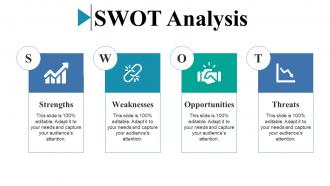
Slide 25: This is a SWOT Analysis slide.
Slide 26: This is Analyze New Revenue Streams slide.
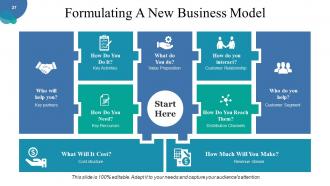
Slide 27: This slide showcases Formulating A New Business Model displaying- How Much Will You Make? Revenue stream What Will It Cost? Cost structure Who will help you? Key partners How do you interact? Customer Relationship Who do you help? Customer Segment How Do You Reach Them? Distribution Channels How Do You Do It? Key Activities How Do You Need? Key Resourses What do You do? Value Proposition.
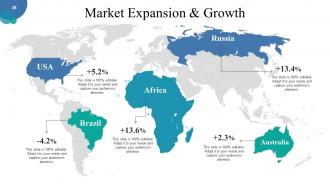
Slide 28: This slide presents Market Expansion & Growth on world map image to be displayed.
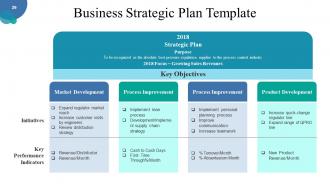
Slide 29: This slide shows Business Strategic Plan Template displaying- Initiatives, Key Performance Indicators, Strategic Plan, Purpose, Growing Sales Revenues, Key Objectives, Expand regulator market reach, Increase customer visits by engineers, Review distribution strategy, Implement lean process, Development/Implement supply chain strategy, Implement personal planning process, Improve communication, Increase teamwork, Increase quick-change regulator line, Expand range of QPRO line, Revenue/Distributor, Revenue/Month, Cash to Cash Days, First- Time Through%/Month, % Turnover/Month, % Absenteeism Month, New Product Revenue/Month, Market Development, Process Improvement, Process Improvement, Product Development.
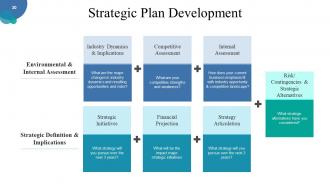
Slide 30: This slide presents Strategic Plan Development displaying- Environmental & Internal Assessment, Strategic Definition & Implications, Industry Dynamics & Implications, What are the major changes in industry dynamics and resulting opportunities and risks? Competitive Assessment, What are your competitive strengths and weakness? Internal Assessment, How does your current business emphasis fit with industry opportunity & competitive landscape? Strategic Initiatives, What strategy will you pursue over the next 3 years? Financial Projection, What will be the impact major strategic initiatives Strategy Articulation, What strategy will you pursue over the next 3 years? Risk/ Contingencies & Strategic Alternatives, What strategic alternatives have you considered?
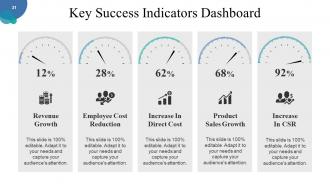
Slide 31: This slide displays Key Success Indicators Dashboard showcasing- Revenue Growth, Employee Cost Reduction, Increase In Direct Cost, Product Sales Growth.
Slide 32: This slide showcases Coffee Break image. You may change as per your need.
Slide 33: This is Corporate Strategic Icon Slide. Use the icons as per need.
Slide 34: This is titled Charts and Graphs to move forward. Alter/ edit image as per requirement.
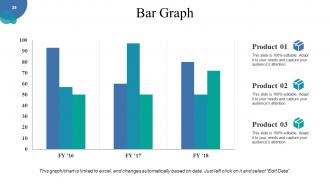
Slide 35: This is a Bar Graph image slide to show product comparison, growth etc.
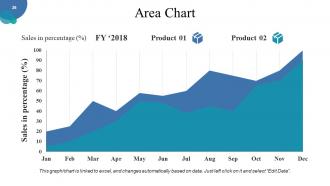
Slide 36: This is an Area Chart slide to show product/entity comparison, specifications etc.
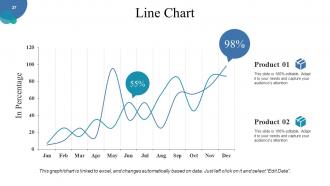
Slide 37: This slide shows a Line Chart for two product/entity comparison, information, specifications etc.
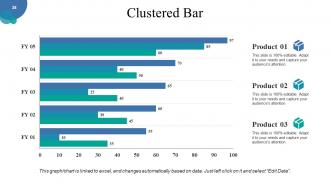
Slide 38: This slide presents a Clustered Bar Graph for two product/entity comparison, information, specifications etc.
Slide 39: This slide is titled Additional Slides. You may change content as per your need.
Slide 40: This slide contains Our Mission with Goals & Mission accompanied with text boxes and icon imagery. State them here.
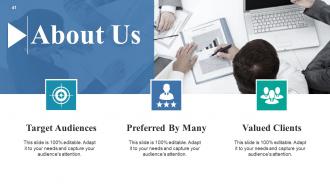
Slide 41: This is an About Us slide. State your position, facts or anything business here.
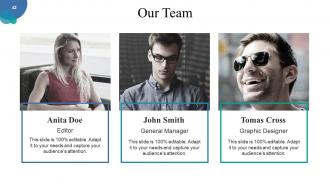
Slide 42: This slide shows Our Team with image boxes to fill information.
Slide 43: This is Our Goal slide. State them here.
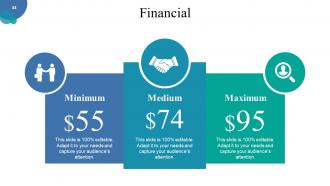
Slide 44: This is a Financial score slide. State financial aspects here.
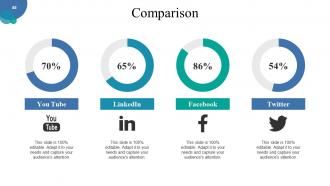
Slide 45: This slide shows Comparison. State comparison aspects etc. here.
Slide 46: This is a Post It slide to mark reminders, events etc.
Slide 47: This is a Mind map slide. State information, specification etc. here.
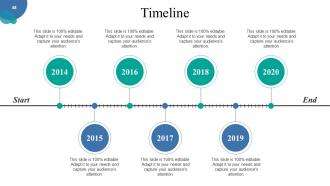
Slide 48: This is a Timeline slide. Show milestones, achievements, growth, journey etc. here.
Slide 49: This is a Bulb or Idea slide to state a new idea or highlight specifications/information etc.
Slide 50: This is a Thank You slide with Address# street number, city, state, Contact Numbers, Email Address.
Corporate Strategy Powerpoint Presentation Slides with all 50 slides:
Develop great capacity with our Corporate Strategy Powerpoint Presentation Slides. Enhance the growth of your core business.
-
Corporate Strategy
-
Business Strategy Presentation Outline
-
Executive Summary
-
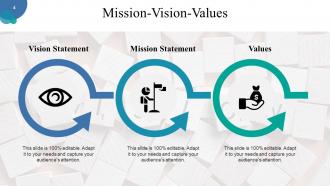
Mission Vision Values
-
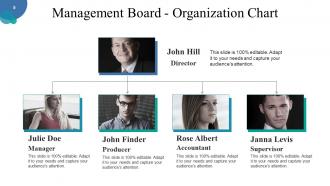
Management Board Organization Chart
-
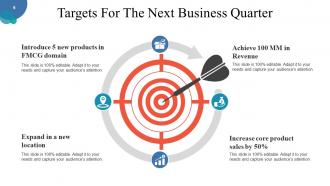
Targets For The Next Business Quarter
-
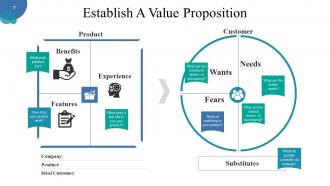
Establish A Value Proposition
-
Marketing Plan Objectives
-
Identifying New Marketing Channels
-
Brand Promotion Strategies For Engagement
-
Brand Promotion Template 2
-
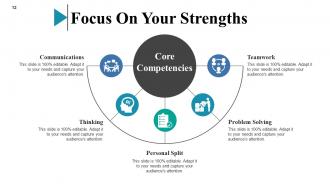
Focus On Your Strengths
-

Look To Your Competition
-
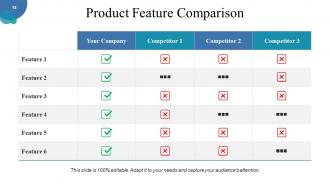
Product Feature Comparison
-
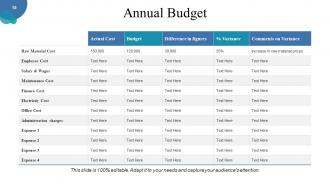
Annual Budget
-
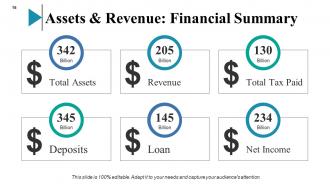
Assets Revenue Financial Summary
-
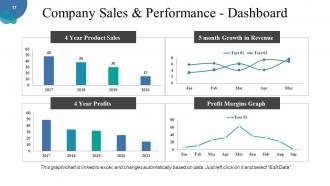
Company Sales Performance Dashboard
-
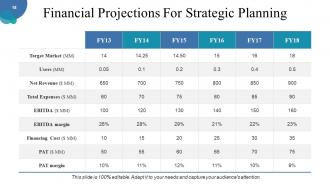
Financial Projections for Strategic Planning
-
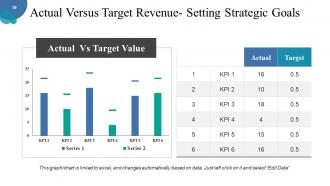
Actual Versus Target Revenue Setting Strategic Goals
-
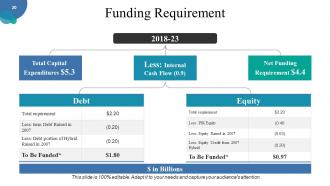
Funding Requirement
-
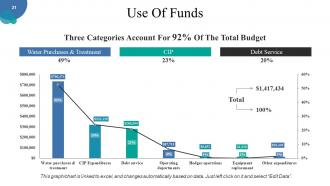
Use Of Funds
-
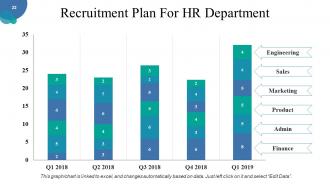
Recruitment Plan for HR Department
-
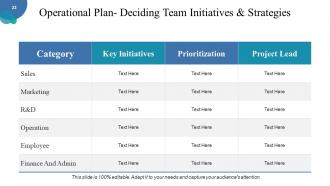
Operational Plan Deciding Team Initiatives Strategies
-
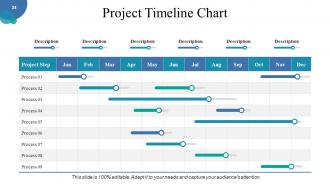
Project Timeline Chart
-
SWOT Analysis
-

Analyze New Revenue Streams
-
Formulating A New Business Model
-
Market Expansion Growth
-
Business Strategic Plan Template
-
Strategic Plan Development
-
Key Success Indicators Dashboard
-

Coffee Break
-
Corporate Strategic Icon Slide
-

Charts Graphs
-
Bar Graph
-
Area Chart
-
Line Chart
-
Clustered Bar
-

Additional Slides
-

Our Mission
-
About Us
-
Our Team
-
Our Goal
-
Financial
-
Comparison
-
Post It
-
Mind Map
-
Timeline
-
Bulb Or Idea
-

Thank You Slide
FAQs for Corporate Strategy
Look, you need four main things: vision/mission, how you'll beat competitors, where to spend your money and people, plus your growth plan. Vision gives you direction. Positioning shows how you're different from everyone else. Resource allocation - that's just deciding what gets funded and what doesn't. Growth is tricky though. Most companies mess this up by trying to expand everywhere at once instead of picking a lane. You'll also want metrics to track if it's actually working and regular check-ins since plans always need tweaking. But honestly? Start with figuring out what you're genuinely better at than competitors. Everything else builds from there.
Honestly, first figure out exactly what you want long-term - like actual numbers, not vague "let's grow" stuff. Work backwards from there to map out your big moves for the next few years. Every major decision should tie back to those moves somehow. I'd do quarterly check-ins because things shift constantly and you don't want to be stuck following some outdated roadmap. Oh, and make sure your leadership team can actually explain how their work connects to the bigger picture - you'd be surprised how often that gets lost.
Look, market analysis is your foundation for any real strategy. You can't just wing it when you're making decisions that affect your whole company. What it does is show you competitor moves, customer behavior, growth spots you might've missed, plus any threats lurking around. Without this stuff, you're basically gambling with million-dollar choices based on hunches. I mean, imagine planning a cross-country trip without checking traffic or weather first - except here the stakes are your business. Use the data to find gaps in the market and figure out how you stack up against competition. Trust me on this one.
Honestly, you gotta look at this from both sides. Figure out what you're actually good at first - and I mean really good at, not just what you think you are. Then scope out the competition and see who's eating your lunch. SWOT analysis sounds boring but it works. Talk to your actual customers too - they'll tell you stuff you never realized about why they choose you over others. Or why they don't, which stings but whatever. The whole point is being real about your strengths and where you're falling short. Once you know that, you can focus on what's working and fix the rest.
Honestly, you've gotta build flexibility into everything - operations, finances, all of it. Diversify your revenue streams and keep solid cash reserves. I've watched way too many companies get destroyed because they only planned for the good times, which is just nuts. Strong customer relationships become everything during rough patches - people stick with who they trust. Oh, and while your competitors are panicking? That's prime time for partnerships or even acquisitions if you're positioned right. The winners are always the ones who prepped ahead of time and can pivot fast when things get weird.
You really need to talk to your stakeholders before building strategy. Customers, employees, investors - they all know stuff you don't. I've watched so many "genius" plans crash because executives never asked the people actually doing the work what they thought. When you include people in planning, they're way more likely to make it happen later. It's honestly just common sense, but you'd be shocked how often it gets skipped. Map out who matters most and set up regular check-ins with them. Trust me on this one.
Ok so basically there are three levels to this whole strategy thing. Corporate is the huge stuff - what businesses you're even in, big mergers, where the money goes. Business strategy is more about how each division actually wins against competitors in their market. Then operational gets super granular - like your actual processes and systems. I always think of them as those Russian dolls that stack inside each other (random but it works). Honestly the key is just figuring out which level you're dealing with when you're making decisions. Makes everything way clearer.
Track both money stuff and operational metrics. Revenue growth, profit margins, ROI are the obvious ones - though honestly these can lag way behind your actual moves. Customer satisfaction, employee engagement, and hitting milestones matter too. Set your baselines first, then check progress quarterly. Don't look at numbers alone though - compare against competitors and industry standards. That's where you'll actually see if you're winning or just fooling yourself. Market share's important but sometimes hard to pin down depending on your industry.
Look, digital transformation basically forces you to throw out the old playbook. Instead of just making current processes faster, you're redesigning how your whole business works. New revenue models, different customer interactions, competitors you've never heard of - it's a lot to wrap your head around honestly. The biggest change? Forget those 5-year strategic plans. Everything moves too fast now, so you need shorter cycles and constant pivoting. Data drives decisions more than gut feelings (which took me a while to accept). Customer experience goes digital-first. Start by figuring out where tech could totally flip your current approach upside down.
Honestly? You gotta stop trying to protect what you have and start killing it yourself before someone else does. Create a totally separate team to mess around with the new stuff - don't let your current operations hold them back. Monitor what's coming down the pipeline early. I learned this the hard way at my last job - we waited too long and got steamrolled. Partner with startups, maybe buy some small disruptors, or just build your own innovation lab. The trick is moving while you've still got money and clout to work with.
Honestly, culture is what makes or breaks strategy execution. When your company culture doesn't match your goals, you're screwed. People will either fight you or just phone it in. It's like trying to run new software on an old operating system - nothing works right. Your employees need to actually believe in where you're going, not just pretend to care in meetings. The behaviors and values have to line up too. I'd take a hard look at whether your current culture will help or hurt before launching anything big. Most companies skip this step and wonder why everything falls apart.
Honestly, you gotta be ruthless about tracking both timeframes separately. Set up different budgets for short-term stuff versus your big 3-5 year bets - market expansion, new capabilities, whatever. Most leadership teams completely bomb this because they panic under quarterly pressure and kill the long-term investments. Monthly reviews for both are non-negotiable. The real challenge? Getting stakeholders to understand why you're spending money on things that won't pay off for years. I'd start by figuring out which current projects actually feed into your long-term vision and focus there first. Way easier sell.
Honestly, most teams either get way too vague with their strategy or they nail the planning but completely mess up the execution part. The "boil the ocean" thing is so real - everyone wants to tackle everything instead of picking what actually matters. Plus leadership loves creating these genius plans in their bubble, then acts shocked when nobody's on board. Resource allocation becomes a nightmare too, obviously. Start with objectives you can actually measure, and make sure people get the "why" behind what they're doing, not just the what.
So M&A is basically your fast-track option when organic growth is too slow. Buy companies to jump into new markets, snag the tech or talent you're missing, or just crush competitors. Way faster than building everything from scratch. Mergers are different - more like equals teaming up for scale and cost savings. Here's the thing though: most companies totally botch this by chasing whatever looks cool instead of sticking to their actual strategy. Honestly, it's painful to watch sometimes. Before you do anything, figure out exactly how the deal helps your main goals and have your integration plan locked down.
Track the obvious stuff first - revenue growth, margins, ROI on your big initiatives. But honestly those numbers don't tell the whole story. Customer satisfaction and employee engagement matter just as much, maybe more. Market share changes too. Oh and definitely measure how you're hitting those strategic milestones you set. Competitive positioning is huge if you're in a crowded space. Innovation pipeline health... depends on your industry I guess. Pick like 5-7 metrics that actually connect to what you're trying to achieve. Review them quarterly with your team.
-
Awesomely designed templates, Easy to understand.
-
Design layout is very impressive.
-
Excellent Product
-
Excellent Product