

Strategy Board Powerpoint Presentation Slides





Try Before you Buy Download Free Sample Product
 Impress Your
 Audience
 100%
100% Editable
 Save Hours
 of Time


Convince folks to accept the error in their assessment with our Strategy Board Powerpoint Presentation Slides. It helps address the inflexible.
People who downloaded this PowerPoint presentation also viewed the following :
Content of this Powerpoint Presentation
Slide 1: This slide introduces Strategy Board. State Your Company Name and begin.
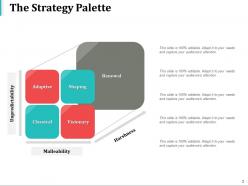
Slide 2: This slide shows The Strategy Palette with text boxes.
Slide 3: This slide presents Strategy Palette Review describing- Adaptive, Shaping, Classical, Visionary, Renewal.
Slide 4: This slide displays Strategy Palette Template describing- Adaptive, Shaping, Classical, Visionary, Renewal.
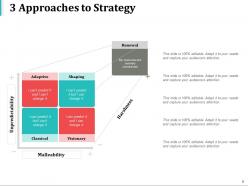
Slide 5: This slide represents 3 Approaches to Strategy with additional text boxes.
Slide 6: This slide is titled as Additional Slides for moving forward.
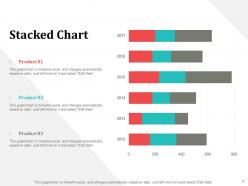
Slide 7: This slide shows Stacked Chart for three products comparison.
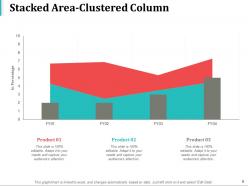
Slide 8: This slide presents Stacked Area-Clustered Column chart with three products comparison.
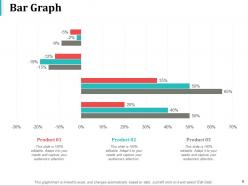
Slide 9: This slide displays Bar Graph with three products comparison.
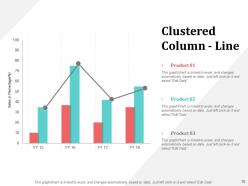
Slide 10: This slide represents Clustered Column - Line chart with data in percentage.
Slide 11: This is Our Mission slide with related imagery.
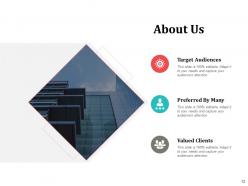
Slide 12: This is About Us slide to show company specifications etc.
Slide 13: This is Our Team slide with names and designation.
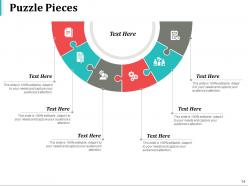
Slide 14: This slide shows Puzzle Pieces with text boxes to elaborate.
Slide 15: This is a Thank You slide with address, contact numbers and email address.
Strategy Board Powerpoint Presentation Slides with all 15 slides:
Complete the circuit with our Strategy Board Powerpoint Presentation Slides. Feel the energy begin to flow.







FAQs for Strategy Board
Key components of an effective strategy board presentation include clear executive summary, detailed market analysis, strategic objectives with measurable outcomes, competitive positioning, financial projections, and implementation roadmap. These elements work together by providing comprehensive context, demonstrating strategic thinking, and outlining actionable next steps, with many organizations finding that well-structured presentations significantly enhance board engagement and decision-making speed.
Visual aids enhance strategy board presentations by simplifying complex data, highlighting key metrics, and creating memorable visual narratives that resonate with board members. Through strategic use of charts, infographics, and data visualizations, presenters can streamline decision-making processes, reduce meeting times, and ensure critical insights are clearly communicated, ultimately delivering more productive board discussions and faster strategic approvals.
Common pitfalls include overwhelming boards with excessive data, lacking clear financial projections, presenting without competitive analysis, failing to address implementation timelines, and ignoring potential risks or obstacles. These missteps undermine credibility by creating confusion rather than confidence, with many executives finding that focused, outcome-driven presentations emphasizing measurable results and strategic advantages ultimately deliver stronger board engagement and approval rates.
Presenter confidence significantly influences board reception by demonstrating strategic conviction, enhancing credibility of recommendations, and inspiring stakeholder buy-in through assured delivery. Confident presenters effectively navigate challenging questions, maintain composure during scrutiny, and project executive presence, with many boards finding that self-assured communication ultimately strengthens perceived viability of proposed strategies and accelerates decision-making processes.
Storytelling transforms complex strategic data into compelling narratives that resonate with board members, helping them visualize market challenges, competitive positioning, and growth opportunities through relatable scenarios. Through strategic narratives, executives can illustrate how proposed initiatives impact customer experiences, operational efficiency, and market share, with many organizations finding that story-driven presentations generate stronger board engagement and faster strategic approvals.
Strategy presentations can be tailored by incorporating diverse analytical frameworks, addressing varied stakeholder concerns, segmenting content by functional expertise, and providing multiple data visualization approaches. Through strategic layering of financial metrics, operational insights, and market perspectives, presenters enable comprehensive board engagement while addressing individual director backgrounds, ultimately delivering unified strategic alignment and informed decision-making across diverse board compositions.
Strategy performance metrics include financial indicators like revenue growth and ROI, operational efficiency measures, market share data, customer satisfaction scores, and key performance indicators aligned with strategic objectives. These metrics enable boards to assess progress comprehensively, identify areas requiring attention, and make informed decisions about resource allocation, with many organizations finding that balanced scorecards combining financial and non-financial measures deliver the clearest strategic insights.
Board feedback can be incorporated by systematically documenting suggestions, revising strategic frameworks based on their insights, and creating follow-up presentations that directly address previously raised concerns. Many organizations establish structured feedback loops, integrating board recommendations into quarterly strategy updates, refining data visualization approaches, and enhancing scenario planning, ultimately delivering more compelling presentations that align with board priorities and strategic vision.
Strategies include visual storytelling through charts and infographics, executive summaries highlighting key insights, progressive disclosure revealing details gradually, comparative frameworks showing benchmarks, and interactive dashboards enabling exploration. These approaches streamline complex information by eliminating jargon, emphasizing trends over raw numbers, and connecting data to strategic outcomes, with many executives finding that visual narratives significantly enhance comprehension and decision-making speed.
Structure your strategy board presentation with executive summary first, followed by situational analysis, strategic recommendations with supporting data, implementation roadmap, and financial projections. This logical flow enables board members to quickly grasp key decisions needed, while detailed sections provide necessary context for informed discussion, ultimately delivering focused decision-making and strategic alignment across leadership teams.
Best practices for rehearsing strategy presentations include practicing out loud multiple times, timing your delivery precisely, anticipating challenging questions from board members, rehearsing with colleagues who can simulate board dynamics, and refining your key messages for clarity and impact. These preparation methods enhance executive presence, build confidence in defending strategic recommendations, and ensure seamless navigation of complex board discussions, ultimately delivering more persuasive presentations that secure strategic buy-in.
A presenter's body language significantly influences audience engagement, credibility, and message retention through confident posture, purposeful gestures, and strategic eye contact. Strong physical presence enhances trust and authority, while nervous habits or closed postures can undermine even well-prepared content, with many executives finding that confident delivery amplifies strategic messaging and strengthens stakeholder buy-in.
**INPUT**: What technologies or tools can facilitate a more interactive strategy board presentation? **OUTPUT**: Interactive strategy presentation technologies include touchscreen displays, presentation software with real-time polling, collaborative whiteboards, audience response systems, and cloud-based analytics dashboards. These tools enhance engagement by enabling live data visualization, instant feedback collection, and dynamic content manipulation, with many organizations finding that interactive presentations improve decision-making speed and stakeholder buy-in significantly. [Word count: 54]
Following up on strategy board presentations requires structured communication, clear timelines, defined ownership, and regular progress tracking. Effective approaches include distributing detailed action items within 48 hours, scheduling monthly progress reviews, and creating accountability dashboards that track key milestones, with many organizations finding that combining formal reporting with informal check-ins ultimately delivers sustained momentum and strategic execution.
Case studies provide concrete evidence and real-world validation for strategic proposals, demonstrating proven outcomes, implementation feasibility, and measurable results from similar initiatives. They enhance credibility by showcasing how comparable organizations achieved success through similar strategies, while addressing potential stakeholder concerns about risk and viability, ultimately enabling presenters to build compelling business cases that resonate with decision-makers.
No Reviews